• Skip to primary navigation
  • Skip to main content

International Salsa Magazine

  • HOME
  • Previous editions
    • 2026
      • ISM / July 2026
      • ISM / June 2026
      • ISM / May 2026
      • ISM / April 2026
      • ISM / March 2026
      • ISM / February 2026
      • ISM / January 2026
    • 2025
      • ISM / December 2025
      • ISM / November 2025
      • ISM / October 2025
      • ISM / September 2025
      • ISM / August 2025
      • ISM / July 2025
      • ISM / June 2025
      • ISM / May2025
      • ISM / April 2025
      • ISM / March 2025
      • ISM / February 2025
      • ISM / January 2025
    • 2024
      • ISM / December 2024
      • ISM / November 2024
      • ISM / October 2024
      • ISM / September 2024
      • ISM / August 2024
      • ISM / July 2024
      • ISM / June 2024
      • ISM / May 2024
      • ISM / April 2024
      • ISM / March 2024
      • ISM / February 2024
      • ISM / January 2024
    • 2023
      • ISM / December 2023
      • ISM / November 2023
      • ISM / October 2023
      • ISM – September 2023
      • ISM – August 2023
      • ISM July 2023
      • ISM Edition June 2023
      • ISM – May 2023
      • ISM April 2023
      • ISM March 2023
      • ISM February 2023
      • ISM January 2023
    • 2022
      • ISM December 2022
      • ISM November 2022
      • ISM October 2022
      • ISM September 2022
      • ISM August 2022
      • ISM July 2022
      • ISM June 2022
      • ISM May 2022
      • ISM February 2022
      • ISM January 2022
    • 2021
      • ISM December 2021
      • ISM November 2021
      • ISM October – 2021
      • ISM September 2021
      • ISM August 2021
      • ISM July 2021
      • ISM May 2021
      • ISM April 2021
      • ISM June 2021
      • ISM March 2021
      • ISM February 2021
      • ISM January 2021
    • 2020
      • ISM December 2020
      • ISM November 2020
      • ISM October 2020
      • ISM September 2020
      • ISM August 2020
      • ISM July 2020
      • ISM June 2020
      • ISM May 2020
      • ISM April 2020
      • ISM March 2020
      • ISM February 2020
      • ISM January 2020
    • 2019
      • ISM December 2019
      • ISM November 2019
      • ISM October 2019
      • ISM Septembre 2019
      • ISM August 2019
      • ISM July 2019
      • ISM June 2019
      • ISM May 2019
      • ISM April 2019
      • ISM March 2019
      • ISM February 2019
      • ISM January 2019
    • 2018
      • ISM December 2018
      • ISM November 2018
      • ISM October 2018
      • ISM September 2018
      • ISM August 2018
      • ISM July 2018
      • ISM June 2018
      • ISM May 2018
      • ISM April 2018
      • ISM March 2018
      • ISM February 2018
      • ISM January 2018
    • 2017
      • ISM December 2017
      • ISM November 2017
      • ISM October 2017
      • ISM September 2017
      • ISM August 2017
      • ISM July 2017
      • ISM June 2017
      • ISM May 2017
      • ISM April 2017
      • ISM March 2017
      • ISM February 2017
      • ISM January 2017
    • 2016
      • ISM December 2016
      • ISM November 2016
      • ISM October 2016
      • ISM September 2016
  • Spanish
  • Download Salsa App
    • Android
    • Apple

Search Results for: Cuba

La Bodeguita del Medio Costa Rica

Latinoamerica / Costa Rica

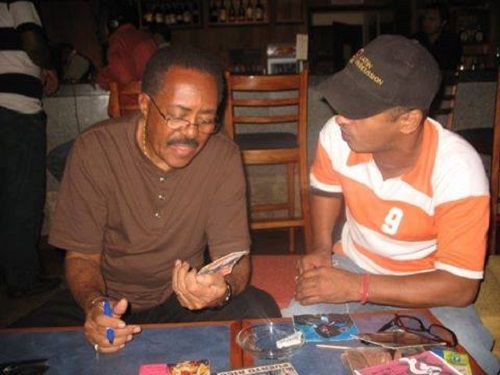
La Bodeguita del Medio Costa Rica Photo with Eduardo Guilarte

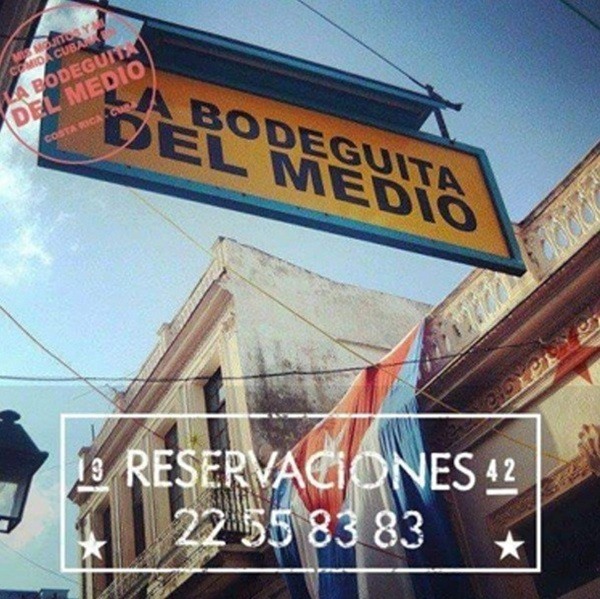
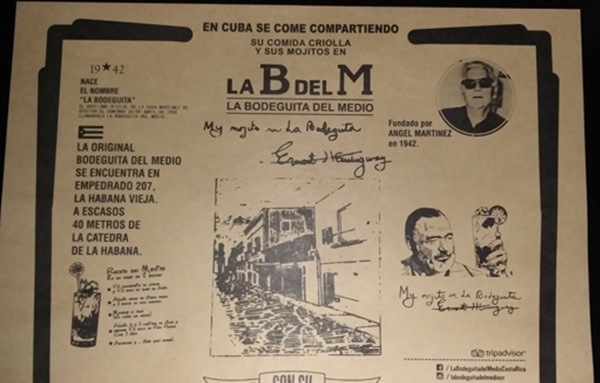
One of the most renowned and famous establishments is “La Bodeguita del Medio” in Havana, Cuba. And in San José, Costa Rica, there’s a branch that offers great live music and excellent mojitos. This is because this Cuban restaurant is the most famous in the world for being the creator of the authentic Mojito.

“La Bodeguita del Medio” was officially named at the Martínez house on April 26, 1950. It’s worth noting that the original Bodeguita del Medio is located at Empedrado 207, in Old Havana, just 40 meters from the Havana Cathedral.

La Bodeguita del Medio Costa Rica - Drinks
La Bodeguita del Medio Costa Rica – Drinks

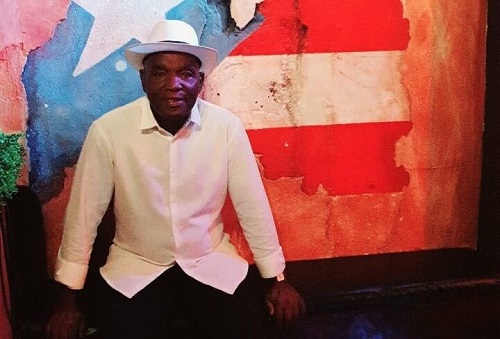
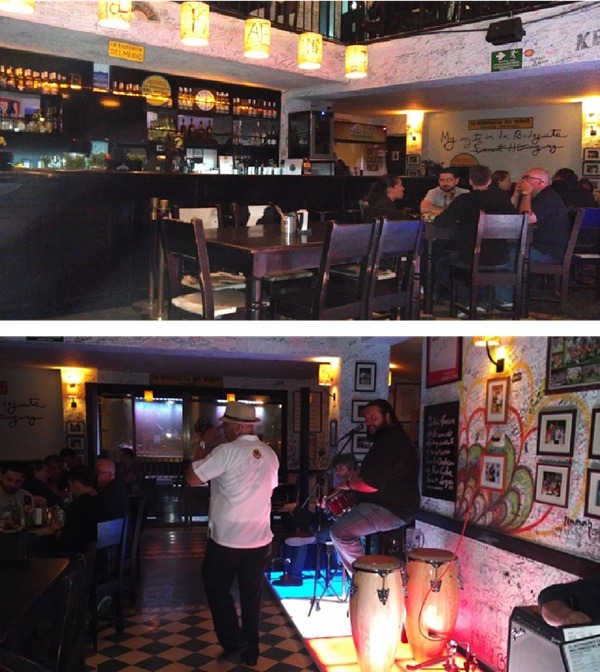
This restaurant provides excellent quality Cuban food, and there’s never an entrance fee. Opening hours are from 12 noon until midnight, depending on the number of customers at that time. One of the groups that plays at this venue is “Grupo Chocolate los hijos del Son,” who perform live, playing original music and traditional Cuban songs for all audiences daily, from Monday to Saturday, starting at 8 pm. This group has been playing at the Bodeguita since the restaurant opened.

This restaurant is also known as an ideal place to enjoy excellent afternoons and evenings full of flavor, with live music and an unbeatable Cuban atmosphere—in short, a very cheerful atmosphere with a true Latin flavor. Our Editor-in-Chief, Mr. Eduardo Guilarte, visited and enjoyed the quality of both the service and the company.
La Bodeguita del Medio Costa Rica - Photo 1
La Bodeguita del Medio Costa Rica – Photo 1
La Bodeguita del Medio Costa Rica - Photo 2
La Bodeguita del Medio Costa Rica – Photo 2

For more information, please contact:

  • Phone: +506 2255 8383
  • Location: 200 meters south of BCR Paseo Colón, San José, Costa Rica
  • Email: [email protected]
  • Facebook: LaBodeguitadelMedioCostaRica https://www.facebook.com/LaBodeguitadelMedioCostaRica/
  • Instagram: labodeguitadelmediocr

La Bodeguita del Medio Costa Rica

World Bachata Festival 2016

Europe / Malaysia / Kuala Lumpur

World Bachata Festival 2016

18th – 20th November Kuala Lumpur, Malaysia

Press Release: Liitha Krishnan

World Bachata Festival 2016

There will be Bachata dance enthusiasts from all over the world to experience fun in Asia!

The ever popular and enchanting Latin dance congregation is about to happen again in Malaysia. The 4th World Bachata Festival (WBF) is scheduled for November 2016 and will feature a true celebration of Bachata and other Latin dances, in line with similar events in other major cities in USA, Australia, Spain, Philippines, Japan, India, Singapore, Germany, etc. The WBF has been held since 2010 with each year’s event growing in participation and performances.

Liitha Krishnan, the organizer of WBF is confident this year’s turnout is going to be a raving event for all to enjoy.

Liitha only started learning salsa when she was about 32, which was also after the birth of her three children. A little later, she came across Bachata by chance and realizing it was easier and more sensual than salsa, switched her focus and passion to this new hobby that eventually became a vocation through her founding of her dance school, Shamballa Tribeni Dance in Klang.

Her passion for dance was also taken up seriously by her daughter Kalnish Schubert who, having completed a year’s course at Shiamak Davar’s Dance Academy in Mumbai, is currently pursuing her diploma in dance in Australia. She would be performing and conducting a Bollywood workshop at the WBF since its popularity especially with the foreign participants.

World Bachata Festival 2016 - Kuala Lumpur, Malaysia - Photo 1
World Bachata Festival 2016 – Kuala Lumpur, Malaysia – Photo 1

The WBF was initially organized to provide local enthusiast access to accomplished dancers from other countries and an avenue to improve local talent and performances. After 3 successful festivals, the event has surpassed its objectives and gained much popularity and enthusiasm both locally and internationally thus creating and enlarging the fraternity of Latin dancers as well as creating public awareness and appreciation. While the contributions of accomplished dancers from Spain, Brazil, Cuba and such countries that are home to Latin dances have enchanted all the past festivals, the performances by dancers from Australia, Philippines, Singapore, Japan, Vietnam, etc have also made their presence felt in past years.

This year’s event in its 4th successful year will consists of 3 days and 2 nights of performances, workshops and dance parties providing an avenue to enjoy, learn, practice and socialize within the Latin dance fraternity. The festival has attracted Latin dancers from Australia, Philippines, India, Romania, Cuba, Columbia, Thailand, Singapore, Japan, Kenya, Vietnam and more while performances and workshop are presented by accomplished dancers from these countries as well. Everyone will also be feasted with the best of Latin music by the finest Malaysian and international Latin DJs at the state-of-the- art Bentley Music Auditorium at Wisma Bentley, Petaling Jaya.

The festival that celebrates Bachata, a sensual partner dance from the Dominican Republic, will also include other popular Latin dance forms like Salsa, Merengue, Zouk and Kizomba. More than 30 workshops have been lined up for anyone and everyone interested in trying a hand, or rather a foot, in Kizomba, Salsa, Bollywood, Son Cubana, Pachanga, Afro Cuban and Zumba. A few boot camps have also been slotted in for those with basic dancing skills to learn and have a chance to perform on one of the nights. The workshops and boot camp will be conducted by renowned international dancers.

World Bachata Festival 2016 - Kuala Lumpur, Malaysia - Photo 2
World Bachata Festival 2016 – Kuala Lumpur, Malaysia – Photo 2

This year’s lineup includes Nestor Manuelian, a strong supporter of the WBF and 3 times World Salsa Champion, partnering with an equally accomplished Rebecca Vallejo and featuring for the first time, Coco and Vyara, 10 time National Champions of NZ with over 40 years dancing experience. Some of the other prominent dancers who will be there to spice up the event are Ana Palma & Basil Nadela from Philippines, Ryu from Japan, Dorin & Niko from Romania, Lam & Kas from Australia and Kalnish Schubert, Amar Singh, KL Son Project, Sam Sopiee from Malaysia.

To add a little fire to all the dance, music will be spinned by an array of Deejays comprising DJ Selva, DJ Dorin, DJ Ryu, DJ Sofrito and DJ Gupson who will also be an MC for the WBF. Gupson Pierre who hails from Montreal, Canada will be also conducting a workshop.

Appreciation goes out to Bentley Music Auditorium for their 2nd year support and sponsorship of the venue, Qliq Damansara for sponsorship and special rates for accommodations and many other companies and individuals who have been continuously contributing in ways totally unexpected.

About Nestor Manuelian & Kalnish Schubert

Spice up the event, World Bachata Festival is having the privilege and participation of Nestor Manuelian from Australia, and collaboration with local Bollywood artist, Kalnish Kashna Schubert, in the Latin dance scene. Both of them will be performing Salsa together on the stage of World Bachata Festival.

Nestor Manuelian is the Director of Latin Dance Australia (LDA) and Modus Vivendi Dance Productions, two of the biggest names in the Australian Latin dance industry. He is also a professional dance instructor, choreographer, mentor, event organizer and master of ceremonies.

Nestor Manuelian
Nestor Manuelian

Nestor is renowned for his world-class teaching methods, choreographies and team performances. He is recognized for his ability to coach, mentor and encourage dancers to excel technically and also have a great time doing so! His amazing teaching style has earned him the honor of teaching at the biggest Salsa and Bachata congresses around the world travelling to Asia, the United States and all over Australia and New Zealand.

Nestor made his performance debut in November 2003 and since then he has gone on to win multiple Salsa and Bachata National and International Titles, including 4 World Titles as coach and dancer. He has been stepping up the world ranking with multiple awards, such as:

  • 2x World Bachata Champion (2012 – Hong Kong, 2013 – Miami)
  • 3 Times World Salsa Championships Finalist (2005- 4th, 2006 – 10th, 2007 – 6th)
  • Asian Salsa Open Champion (2007)
  • Australian Bachata Teams Champion (2009)

Kalnish Schubert has been dancing since the tender age of 8. She has been actively dancing Salsa, Bollywood and Bhangra since young. She teaches Kids & Adult Bollywood and Kids Salsa at Shamballa Tribeni Dance and Music School in Klang. Kalnish graduated from Shiamak Davar’s Dance Academy in Mumbai, India in 2014. While in India she was actively involved in shows in India such as Star Parivaar Awards 2013 and Toni and Guy show 2013.

Kalnish Schubert
Kalnish Schubert

She is currently pursuing her Certificate IV in dance at the Dance Factory in Melbourne Australia. Kalnish has also been featured in the Malaysian Government Education Portal for the involvement in dance. She has also performed in various shows, public & corporate events such as:

  • The Malaysian Vesaki festival 2009/2010/2011 The World Bachata Festival, Kuala Lumpur 2010/2012/2015 • The International Indian Food Festival in China 2011 Corporate shows in Bangkok, Thailand in 2011 World Star Road to Hollywood in 2012
  • India International Dance Congress 2014 in Bangalore
  • Osaka Latin Dance Festival 2014 • Sydney Bachata Festival 2015

The 4th WBF is scheduled as follows:

  • Dates: 18th-20th November 2016
  • Venue: Bentley Music Auditorium, Wisma Bentley 3, Jalan PJU 7/2, Petaling Jaya,47810 Mutiara Damansara, Selangor, Malaysia
  • Programs: 3 days 2 nights of Latin Dance Workshops, World-Class Performances and Prestigious Parties. Each night has a special theme with day 1 being “Dressy Casual”, day 2 is “Black & Red” and the final day is “Mexicana”.
World Bachata Festival 2016 Flyers

Get more updates on the Facebook event:

  • Facebook: https://www.facebook.com/events/856083751112454/
  • Call Liitha at +60162203237 or email to [email protected]
  • Official FB page:https://www.facebook.com/Bachata Malaysia/home
  • Official Website: http://www.worldbachatafestival.com/
  • Youtube: link: https://www.youtube.com/watch?v=TQNOo2sqQ6k


Ismael Miranda

North America / USA / New York

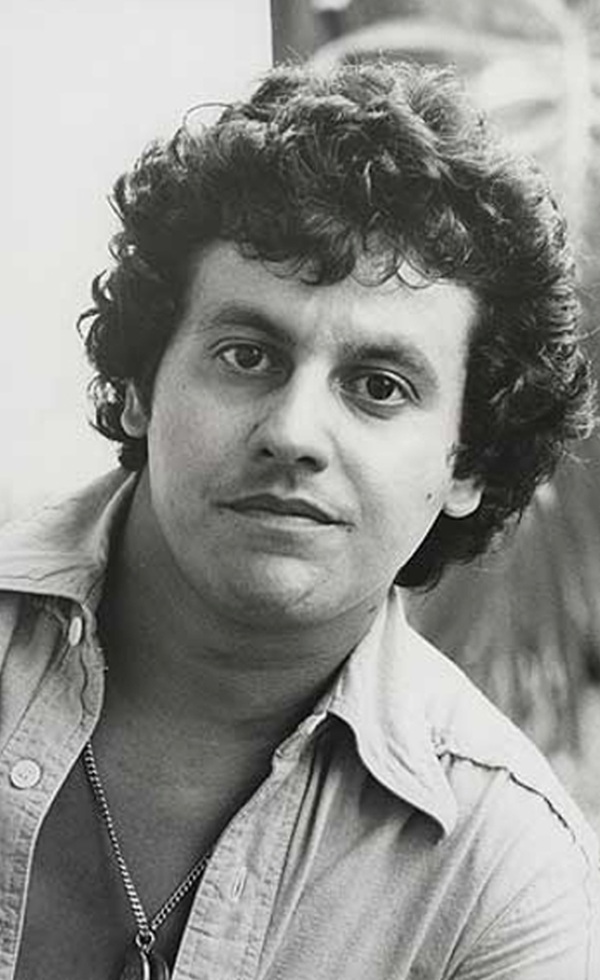
Ismael Miranda was born in the village of Aguada, Puerto Rico, on 20 February 1950. At an early age he moved to New York, where he began his passion for music. In 16, he recorded his first hit song “Rumbón melon” with Joey Pastrana. Then, he became part of the Orchestra Harlow in 1967, with which he achieved success of the song “Abran Paso”.

Ismael Miranda
Ismael Miranda

Ismael Miranda - Photo
Ismael Miranda – Photo

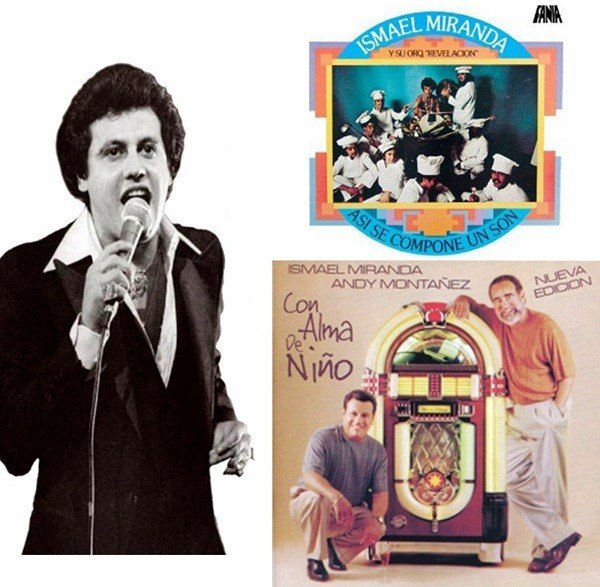
Ismael dabbled solo in 1972, with a new production called “Opportunity”. He also formed his own band called “The Revelation” and recorded another CD called “Así se compone un son”. In addition to having other notable songs, the title track was a resounding success in Latin America, the United States and Europe. The next year saw the light the album In Fa Menor, appearing again the song of the same title, “In Fa Menor”, among other successes.

Miranda continued producing hits, with songs such as “Borinquen tiene Montuno”, “La Cama Vacía”, “La Copa Rota”, “Como Mi Pueblo” y “Las Cuarentas; all were widely broadcast radio media. His compositions also achieved success with pieces like “Señor Sereno”, “Abren Paso”, “Lupe, Lupe” and “Pa ‘Bravo Yo” song made famous by the Cuban salsero, Justo Betancourt.

Ismael Miranda - Collash
Ismael Miranda – Collash

In 1974, the founders of the Fania, Jerry Masucci and Johnny Pacheco, asked Ishmael to form part of the Fania All Stars, where he was dubbed “El Niño Bonito de la Salsa” by being the youngest of all members. In the 80’s, he found success with the Fania, such as “No me digan que es muy tarde” and “Galera tres.”

Also, Ismael created his own label, under which he recorded several productions, including “Por el buen camino”, of which the theme “Careta” was a hit in 1985, plus two holiday productions. The early stage salsa enjoyed its best, and the debut of Miranda with his own band, Orquesta Revelation, could not be timelier.

Ismael Miranda - Photo 1
Ismael Miranda – Photo 1

For 2000, Ismael recorded several productions under the direction of Gilberto Santa Rosa, titled “Vengo con todo”, “Tequila and ron” (which was nominated for a Grammy in 2003), and “Special Edition”. At 2005, reached #1 on the Billboard chart, with the theme “Se fue y me dejó” with Andy Montanez and Cheka, produced by Sergio George. In 2007, he recorded his first Christian production called “Buscando el Camino” in which the theme “Como el Águila” achieved great success. In 2008, he launched the production called “De regreso al son”. For 2011, Ismael recorded his second Christian production “Aferrado a ti”, which issues “Francotirador” and “Sabes que te amo” were big hits.

Ismael Miranda - Photo 2
Ismael Miranda – Photo 2

In 2014, after a successful tour to mark its 45th anniversary in the Salsa, Ismael met with Victor Manuelle, to whom he delegated the production of his latest album “Son 45”. This production is very modern, but retains the classical influence of salsa, and has proven to have the support of the whole public salsero. From his first days on the market, this new album, started climbing positions in the lists of the prestigious music magazine Billboard, with the theme that gives the name to the album “Son 45”.

Ismael Miranda - Photo 3
Ismael Miranda – Photo 3

Entered 2015, The Pretty Boy of Salsa positioned in the first place with the same subject, under the category “Air Play” magazine, the second member of the Fania All-Star to reach the #1 position for the second time, place before conquered only by the Guarachera del Mundo, Celia Cruz. Ismael made history again when launching his second promotional theme of this production, “Bajo, piano and bongo” again ranked at #1 on the Billboard charts in the same category, becoming the most #1’s has reached among members of Fania. As if that were not enough, this production has also been nominated for a Latin Grammy in the category “Best Salsa Album”.

Ismael Miranda - Photo 4
Ismael Miranda – Photo 4

During the course of his great career, Miranda has recorded more than 20 albums and has performed with notable artists such as Nicky Marrero, Hector “Bomberito” Zarzuela, Reinaldo Jorge, Ismael Quintana, Willie Colon, Ray Barreto and Luis ‘Perico’ Ortiz.

Ismael Miranda - Flyers
Ismael Miranda – Flyers

The Elegant One of Salsa Life and Legacy of Tito Allen, one of the most refined voices in our Latin Music

The world of Afro-Antillean music celebrates the birth of one of the genre’s most distinguished and sophisticated voices Roberto Romero Caballero, universally known in the music scene as Tito Allen.

Born on May 1, 1946, in the iconic neighborhood of Santurce, Puerto Rico, this pillar of salsa has left an indelible mark on the history of Latin music throughout a career spanning over four decades of artistic excellence.

Tito Allen y Adalberto Santiago

The Origin of a Name with Tumbao

The stage name of this renowned sonero holds a curious history split into two parts. The first part, “Tito,” stems from a deeply rooted custom in Puerto Rican slang: the double diminutive. From Roberto, people began calling him “Robertito,” a nickname that over time affectionately evolved into “Tito.”

On the other hand, the surname “Allen” has a much more urban and accidental origin. The singer himself has confessed that during his youth, he saw the word painted as graffiti on a wall. The visual impact and the sound of the name pleased him so much that he decided to adopt it on the spot as his signature trademark for the entertainment world.

The Beginnings of a Multifaceted Star

Tito Allen’s musical journey formally began in 1962, when he was just a 16-year-old teenager. In his early days, the young Roberto showed a strong inclination toward rock and roll, a genre that was causing a frenzy among the youth of the 1960s.

During this formative period, Allen stood out as a bassist and guitarist, forming part of various musical trios that emulated the great bands of the era. These groups even enjoyed successful appearances on Puerto Rico’s Channel 4 television.

Fortunately for lovers of Caribbean rhythms, destiny guided him toward tropical music. His powerful voice, characterized by impeccable tuning and elegant phrasing, quickly made him a highly sought-after singer.

Dj. Augusto Felibertt, Orlando Watussi, Tito Allen y Jesus Torres

Among his major aesthetic influences, Allen has always expressed a deep admiration for Cheo Feliciano, whom he listened to with devotion during Feliciano’s era with the Joe Cuba Sextet. Likewise, he has repeatedly pointed to the Bobby Valentín Orchestra as one of his favorite bands of all time.

Conquering New York and the Big Leagues of Salsa

Determined to take his career international, Tito Allen traveled to New York in 1972. Although he initially tried to join the orchestra of the “King of the Timbal,” Tito Puente, Puente had no vacancies at the time. Far from discouraged, Allen joined forces with the prominent Colombian pianist Eddie Martínez to form a quintet that performed successfully in Big Apple nightclubs.

The true turning point came in May 1973. After a brief return to his native Puerto Rico, Allen went back to New York and, thanks to a recommendation from Eddie Martínez, scored an audition at the famous club El Corso. There, maestro Ray Barretto was looking for a vocalist to replace none other than Adalberto Santiago.

Tito Allen y Billy Crespo

Allen rose to the challenge masterfully, recording the acclaimed album Indestructible (1973), a work that instantly enshrined him in the pantheon of salsa royalty.

A Legendary Journey: Following his successful run with the Ray Barretto Orchestra, Tito Allen fulfilled his dream of working alongside Tito Puente. Later, he joined the ranks of the legendary Típica 73 before launching a solid solo career.

His impeccable reputation also led him to become a fundamental part of the Puerto Rico All Stars, participating in two of their most iconic album productions. Additionally, he collaborated closely with the virtuoso Louie Ramírez, leaving an indelible mark thanks to his versatility.

The Golden Backup Singer of the Latino Neighborhood

Beyond his brilliance as a soloist and bandleader, Tito Allen’s career stands out for his generosity and professionalism in the recording studio.

His trained, melodious voice graced countless productions for artists of the stature of Pupi Legarreta, Ralphy Santi, and Conjunto Clásico, among many other representatives of “the ultimate expression of the Latino neighborhood.” His work as a backup vocalist was essential in defining the sound of New York and Caribbean salsa during the ’70s and ’80s, solidifying his status as a complete artist and a gentleman of music who today, more than ever, deserves the applause of his audience.

Tito Allen y Dj. Augusto Felibert

Also Read: Our friend Tito Allen supports the Salsa Museum

Héctor “Tempo” Alomar: The Scorching Voice and the Rhythm Blessed by “El Cantante de los Cantantes”

The Invaluable Legacy of an Afro-Antillean Percussion and Vocal Giant

Héctor “Tempo” Alomar was born on December 28, 1950, in Parada 19 of Santurce, Puerto Rico. A singer, percussionist, and true pedigree sonero, he became an essential figure in salsa music thanks to his outstanding contributions to world-class bands.

His resume included Orquesta La Conspiración, La Diferente, Conjunto Libre, La Charanga Afrocubana, La Charanga América, Orquesta Broadway, Charanga la Tapa, Casanova y su Montuno, Batacumbele, El Combo de Siempre, Zaperoco, Nacho Sanabria’s Orchestra, Grupo ABC, and, in a career-defining run, Roberto Roena’s Apollo Sound. He also led his own musical ensemble under the name Sexteto La 51, his last recording with the legendary and living legend of Fania All Stars Eddie Montalvo.

Héctor Tempo Alomar la Voz Candente y el Ritmo

The remembered former member of Apollo Sound passed away at the age of 70 in his native Puerto Rico on May 9, 2021, leaving a profound void in the world of music collecting and salsa culture.

A Rhythm That Ran Through His Veins

The son of Doña Isabel Román and Don Luis Alomar, young Héctor showed an innate connection with the clave from a very early age. His mother used to recall that the boy would strike the rhythm with any kitchen utensil he could get his hands on, even breaking several glass cups while trying to draw sound from them with silverware.

He made his first professional recording as a minor, at just 15 years old. It happened when producer Joe Blanco invited him to record percussion with Chacón y sus Batirrítmicos, capturing his talent on tracks like “Ahorita va a llover” and “Mi guajira.”

In 1968, he moved to New York City, and by 1970, he reunited with his great childhood friend, maestro Ángel “Cachete” Maldonado. Maldonado introduced him to the city’s music circles, providing the decisive push for him to develop as a lead singer.

Héctor Tempo Alomar nació el 28 de

Blessed by “El Cantante de los Cantantes”

“Tempo” Alomar joined Orquesta La Conspiración as a timbalero, staying with the band for about three years. Later, thanks to a recommendation from trumpeter and arranger José Febres, bandleader Rafy Val recruited him for La Diferente. This gave him his first opportunity to formally record salsa on the album Fuerza Bruta, produced by Larry Harlow.

During his time with La Conspiración, a legendary anecdote took place at New York’s El Hipocampo club, right after a Fania All-Stars concert. Héctor Lavoe, who was scheduled to sing at the club that night, was running late, and the band couldn’t start. “Cachete” Maldonado assured José Mangual Jr. that “Tempo” knew the repertoire and recommended him to step up to the stage.

Out of deep respect for Lavoe, Alomar hesitated but ultimately took the stage to perform “Juana Peña,” winning the applause of the demanding crowd. Halfway through the second song, “No me llores más,” he spotted Héctor Lavoe walking into the venue, and out of sheer awe, he stopped singing. It was Lavoe himself who, from the audience, gestured for him to keep going.

When the performance ended, “El Cantante de los Cantantes” went up to the stage, congratulated him warmly, and encouraged him to keep pursuing his singing career.

Setting the Big Apple Ablaze

Around 1973, once again recommended by “Cachete” Maldonado, he auditioned for maestro Manny Oquendo, who was looking for a lead vocalist for Conjunto Libre. He was accepted immediately. After six months of intense daily rehearsals, the group chained together memorable hits driven by “Tempo’s” voice, such as “No critiques,” “Tú no me quieres,” “Bamboleate,” and “El Changó de María.”

Tempo Alomar El legado incalculable de un gigante de la percusión y el canto afroantillano

These were five golden years with El Libre, a period during which he also recorded an album with Néstor Torres’ La Charanga Afrocubana.

As the 1980s arrived, he joined Charanga América. His versatility and high demand in the New York scene led him to collaborate and record with stellar figures, including Alfredo de la Fe, Johnny Rodríguez, Víctor Paz, Jorge Dalto, and the Latin Percussion label. He also worked with Orquesta Broadway and Casanova y su Montuno, played congas for Pete “Conde” Rodríguez, and played timbales for maestro Eddie Palmieri.

In 1985, he decided to return to Puerto Rico. On the Isla del Encanto, he contributed his talent to flagship ensembles like Batacumbele, Zaperoco, and Héctor Santos’ El Combo de Siempre, sharing the stage in the latter with Ismael Rivera Jr. (Maelito). Additionally, alongside Felo Barrios, he completed a prestigious one-month US tour with the legendary double bassist Israel López “Cachao.”

The Golden Era with Roberto Roena and Apollo Sound

In 1993, while rehearsing with Grupo ABC (where he worked alongside Nacho Sanabria and Roberto Angleró), the legendary Aníbal Vázquez Roberto Roena’s uncle invited him to participate as a vocalist in a special local television recording with Apollo Sound.

Roberto Roena y Tempo Alomar

Roena was captivated by “Tempo’s” style and cadence, even though the vocalist hadn’t fully memorized the lyrics to some of the songs for that TV show. With his characteristic wit, Roena himself wrote the lyrics on large cue cards beneath the TV cameras and instructed the cameraman to avoid close-ups of Alomar, preventing the audience from noticing he was reading.

That chemistry sparked 16 uninterrupted years of back-to-back hits with Apollo Sound and a close, lifelong friendship between Roena and Alomar.

Together, they immortalized musical gems such as “Dale como es,” “El pueblo pide que toque,” “Atrévete conmigo,” “Sr. Bongó,” “Baila y goza,” “Mi mambo pide campana,” and the international smash hit “Cómo te hago entender”—a track that became a salsa anthem and took them to massive venues across Colombia, Panama, Peru, Venezuela, and all of Europe.

During his fruitful tenure with Apollo Sound, “Tempo” also took an active role in selecting session musicians and backing various artists. One of his most remembered cross-genre collaborations was with urban music icon Tego Calderón on his landmark album El Abayarde, where Alomar joined his voice to sing the classic “Planté bandera.”

Héctor “Tempo” Alomar lives on in the memory of music lovers worldwide as a bastion of syncopation, a street-corner sonero, and a true gentleman of rhythm.

Collaboration:

Historia Salsera

Augusto Felibertt

Also Read: It is indisputable that the most popular orchestra in Puerto Rico and South America during the 1970s was Roberto Roena’s Apollo Sound

  • « Go to Previous Page
  • Page 1
  • Interim pages omitted …
  • Page 20
  • Page 21
  • Page 22
  • Page 23
  • Page 24
  • Interim pages omitted …
  • Page 148
  • Go to Next Page »

International Salsa Magazine (ISM) is a monthly publication covering salsa activities around the world and has been publishing since 2007. It is a worldwide network of volunteers coordinated by ISM Magazine. Together, we work to strengthen salsa events around the world.