• Skip to primary navigation
  • Skip to main content

International Salsa Magazine

  • HOME
  • Previous editions
    • 2026
      • ISM / May 2026
      • ISM / April 2026
      • ISM / March 2026
      • ISM / February 2026
      • ISM / January 2026
    • 2025
      • ISM / December 2025
      • ISM / November 2025
      • ISM / October 2025
      • ISM / September 2025
      • ISM / August 2025
      • ISM / July 2025
      • ISM / June 2025
      • ISM / May2025
      • ISM / April 2025
      • ISM / March 2025
      • ISM / February 2025
      • ISM / January 2025
    • 2024
      • ISM / December 2024
      • ISM / November 2024
      • ISM / October 2024
      • ISM / September 2024
      • ISM / August 2024
      • ISM / July 2024
      • ISM / June 2024
      • ISM / May 2024
      • ISM / April 2024
      • ISM / March 2024
      • ISM / February 2024
      • ISM / January 2024
    • 2023
      • ISM / December 2023
      • ISM / November 2023
      • ISM / October 2023
      • ISM – September 2023
      • ISM – August 2023
      • ISM July 2023
      • ISM Edition June 2023
      • ISM – May 2023
      • ISM April 2023
      • ISM March 2023
      • ISM February 2023
      • ISM January 2023
    • 2022
      • ISM December 2022
      • ISM November 2022
      • ISM October 2022
      • ISM September 2022
      • ISM August 2022
      • ISM July 2022
      • ISM June 2022
      • ISM May 2022
      • ISM February 2022
      • ISM January 2022
    • 2021
      • ISM December 2021
      • ISM November 2021
      • ISM October – 2021
      • ISM September 2021
      • ISM August 2021
      • ISM July 2021
      • ISM May 2021
      • ISM April 2021
      • ISM June 2021
      • ISM March 2021
      • ISM February 2021
      • ISM January 2021
    • 2020
      • ISM December 2020
      • ISM November 2020
      • ISM October 2020
      • ISM September 2020
      • ISM August 2020
      • ISM July 2020
      • ISM June 2020
      • ISM May 2020
      • ISM April 2020
      • ISM March 2020
      • ISM February 2020
      • ISM January 2020
    • 2019
      • ISM December 2019
      • ISM November 2019
      • ISM October 2019
      • ISM Septembre 2019
      • ISM August 2019
      • ISM July 2019
      • ISM June 2019
    • 2016
      • ISM December 2016
  • Spanish
  • Download Salsa App
    • Android
    • Apple

Search Results for: Cuban music

We welcome Patricio Angulo from Rumbaché to ISM

The San Francisco Bay Area, California, has a lot of talented artists, many of which we have had the privilege to interview in this section to learn all kinds of details about the Latin music scene in this area of the United States. This time, we managed to have an interesting conversation with Patricio Angulo, leader and founder of the orchestra Rumbaché, who kindly answered all the questions we had.

Rumbaché is one of the most important salsa and timba bands in the Bay Area and has a varied repertoire of salsa and contemporary Cuban music that enchants any audience that hears the group perform. 

The following are some of the most important issues related to this Latin band and its history.
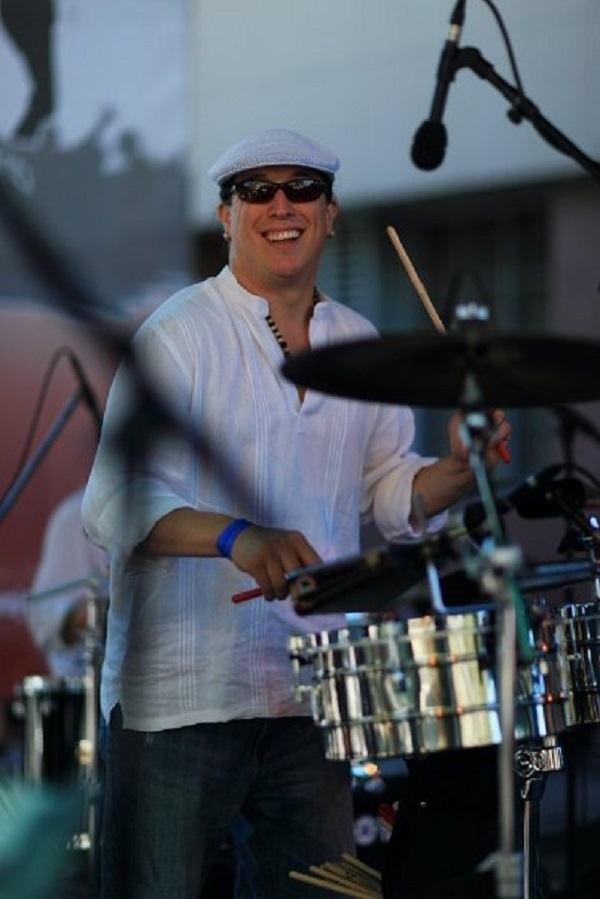
Patricio playing the timbales
Patricio Angulo playing the timbales on stage

Patricio Angulo’s beginnings in the music world

Patricio has had a long interest in music, which he developed by himself, since he did not have family musicians to encourage these activities in the little boy.

He started playing violin and trumpet, but it was not long before the young boy found he liked drums and orchestral percussion better. He also played some classical music and learned a lot about instruments used in this genre.

When he went to high school, there were several music programs from which Patricio could choose to develop this branch of art depending on his tastes and finally decided on a jazz group with which he started learning to play congas and timbales. This group wanted an extra Latin touch in their music and the boy was chosen for the role. 

The musician was very inclined to Latin Jazz at the time, but then, he was listening to other Latin genres until he discovered Cuban and Caribbean Salsa, which would be very important in the musical future of the artist.

Recruiting talent for Rumbaché

For years, he group Rumbaché, previously called Quimbombó, was forming from musicians Patricio considered played well, since for him this is most important. 

However, he emphasized that each orchestra has its own needs and highlighted the vocals as an example of that, as they are very necessary for dance music like the one they play. Likewise, professionalism and experience are two aspects taking into account by him when evaluating a candidate. 

In another order of ideas, the musician considers that Latin roots are not a key element in playing salsa or other genres of this type very well, since there are many singers and musicians who have never had contact with Latin genres or instruments can learn to play them without any problem. It is a matter of effort and discipline. 

Whole orchestra Rumbaché
This is the whole orchestra Rumbaché posing for the camera

Origin of the name Rumbaché and the Yoruba Religion

From what we have read about Rumbaché, the origin of the name and its relation with the Yoruba religion caught our attention. Rumbaché is a combination of the words ”rumba” (This word can mean ”party” and ”celebration”) and ”ache” (in the Cuyuní language, ”ache” is something very good and pleasant).

Something that Patricio wanted to clarify is that the music of his orchestra is not religious and has nothing to do with the Yoruba religion beyond some choruses and words as there are in many Cuban songs. In fact, they try to have a varied repertoire so as not to bore the audience.

Rumbaché’s activity in clubs

Rumbaché has featured heavily in festivals and renowned clubs in the San Francisco Bay Area such as Sausalito Seahorse, The Cigar Bar & Grill, Rassela’s Jazz Club, Moe’s Alley, Blue Note, among others. It is undeniable that the group has ample experience in performing in these types of venues. 

That is why we took this opportunity to ask Patricio how the movement is going in these places when it comes to hiring orchestras in recent years, to which he replied that the presence of orchestras in local venues has decreased dramatically in recent years, especially after the pandemic.

Likewise, because of this same situation, there were many clubs that began to close their doors indefinitely, making it very difficult for Rumbaché to play live regularly. 

Once the pandemic was relaxed, Patricio says that a few venues survived, but there were too many orchestras for the few available stages. This led them to opt for festivals, concert series and private shows. 

Every night there was a pen club, but that has changed radically and Patricio and the other members of Rumbaché have had to adapt to the circumstances. 
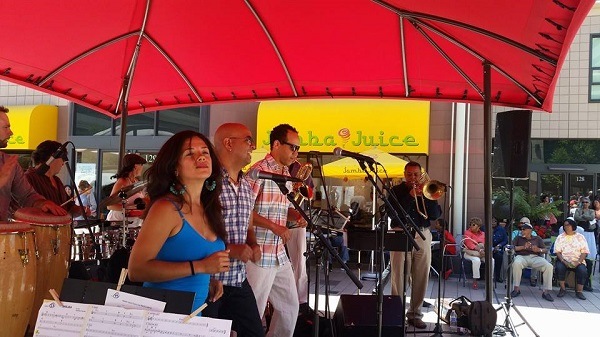
Rumbaché live
Rumbaché performing live

Oye Productions

In addition to Rumbaché, Patricio also has his own entertainment company called Oye Productions, with which he is responsible for providing live music for all kinds of events. Obviously, he gives priority to Rumbaché, but he also offers the services of guitarists, trios and all sorts of musicians.

What the company seeks to focus on is providing musical entertainment for private parties such as a business meeting or something more personal such as a wedding.

He always tries to hire musicians who play all kinds of instruments and genres to perform varied shows for each event. He also seeks to look for artists he knows beforehand and who he is sure will do an excellent job. 

Activities outside Rumbaché

Patricio also indicated that one of his most important occupations outside Rumbaché was teaching congas, timbales and drums. He also teaches drums to children once a week. 

These activities bring happiness to the musician and he always looks for the opportunity for these youngsters he teaches to have some knowledge of Latin percussion and get to know our music much better.

Read also: René Latin Soul and his journey into music from his home country

Yani Borrell ”El Elegante de La Salsa”

How Yani became the artist he is now 

We were fortunate to speak with the Cuban singer based in Canada, Yani Borrell, who has been kind enough to spare us a few minutes of his busy schedule to reveal unpublished details of his beginnings in music, departure from Cuba, arrival in Canada, current projects, among other things.   

Then these were the most important issues that came up in the conversation we had with the artist for a little over half an hour.  

Cuban singer Yani
This is Yani Borrell, a famous Cuban singer based in Canada

Grupo Constitución 

Yani joined Grupo Constitución being just a 17-year-old. In his native city of Camagüey, there was a small square where concerts were held and Grupo Constitución used to rehearse there. One day, the young man was going through the place and was struck by what the musicians were doing at that moment.   

Suddenly, the musical director asked the vocalist to make a little more complex melody, but failed. However, Yani perceived the sound and reproduced it with his lips loudly. That got the music director’s attention so much that he asked the young man to come over and show the singer what he had done.   

When he repeated it, the musical director of the group was so fascinated that he asked her to join them. This is how Yani began to study music to a more professional level and to hold the necessary auditions to be able to belong to an orchestra in Cuba (this was a mandatory requirement in the country to belong to a musical group).  

 After attracting the attention of other groups due to his talent, Yani was contacted by a more renowned orchestra, Yani decided to leave Grupo Constitución and go with his new companions to seize this new opportunity that life had to offer.  

Making music in Cuba  

We know that the political and economic situation in Cuba has been complicated for some decades, so we wanted to know how Yani lived these years in his native country while devoting himself to music. 

That’s when he started telling us that he had to live through the terrible Special Period, one of the worst crises experienced by the island, so logically he did not have the necessary resources to devote himself fully to his passion and put aside any other job at that time. 

Yani on stage
Yani Borrell performing on stage

This is because Yani thought that being in a mildly famous orchestra would bring him the benefits he was looking for, but unfortunately, it was not so. Rather, he was really struck with the difficult reality that sometimes performances and concerts were paid several months later.   

Yani and many of his colleagues had to borrow in order to survive and wait for the pay day to settle the debts with those same people. This situation persisted for quite some time until he could work for an orchestra established for tourism, with which payments were a little more regular.   

However, she had to make a living doing other activities outside the world of the arts. In his case, Yani was self-employed and even had a small mobile coffee shop where he sold sandwiches. At the same time, he studied music and worked with some orchestras, since it was impossible to live only from music. 

The first level orchestras that toured internationally always pursued better financial compensation for their musicians, but salaries were still insufficient to alleviate the crisis experienced in Cuba.  

Moving to Canada, Toronto 

The process to live Cuba and move to Canada was extremely hard. Yani had already toured the North American country for some time, in fact, he was in about 25 Canadian cities during his tours, so he already knew the territory quite well.  

Before the second tour he would do in that country with his orchestra of the day, the artist was very clear that he was going to ”defect from Cuba” (that is how the act of leaving the country at the first opportunity is called in Cuba). 

While it is true that his standard of living had improved considerably with this international orchestra, this did not offer the stability he wanted, so he resigned from the group, decided to stay and live permanently in Canada and start a new life.   

Today, he is completely satisfied with the results of his decisions and knows very well that he has done the right things for his career and his life in general.  

Yani on radio
Yani Borrell during a radio interview

Adaptation to the Toronto music scene 

One of the hardest decisions was already made, but there were still some challenges to overcome. He had to face language and cultural barriers in order to stand ut and make a place in the city’s Latin music scene. 

At the same time, he worked in factories and even start his own business. He says there were times when he did not even sleep because he played with several local orchestras at the same time, so dividing his time between each of them was a titanic task. However, all the effort paid off. 

After being with one of the most renowned orchestras in the area, Yani realized it was time to create his own project, which he called Yani Borrell & The Clave Kings.   

After all this, he began to be prompted by a group of people who wanted to help him and pushed him to keep growing, thanks to which he released his first solo album in 2013.   

C.W. Entertainment  

The artist management company C.W. Entertainment was very important in Yoni’s growth as an artist, because at one point it joined forces with the artist and boosted his career to such an extent that this team made him one of the most important salsa artists of the time in Canada. So much was the support that it was this label that filmed his first two music videos. 

Although he no longer works with that company for a year and a half, Yani assures that he still has an excellent relationship with its team and thanks these people for everything they have done for him.   

Today, the Cuban already has his own record label and is entirely independent in this aspect.  

Yani Borrell receiving recognition
Yani Borrell receiving recognition at the Caribbean Music and Entertainment Awards

El Elegante de La Salsa (The Elegance of Salsa) 

One of the names by which Yani Borrell has been known throughout his career is ”El Elegante de La Salsa” due to his style when singing in this genre and the use of formal wear in concerts. 

Regarding the story of how the nickname came about, it was precisely a social communicator who was very well liked in the city of Toronto, constantly interviewed the Cuban singer and started refering to him as ”the heartthrob”. 

However, this journalist was the host of the concert in which Yani released his album and referred to him as ”El Galán de La Salsa” (The Salsa Heartthrob) at the moment of presenting him to the public.  

From there, the public started refering to him as ”el galán” and ”el elegante”, which led one of his managers to tell him to start calling himself ”El Elegante de La Salsa”. 

Future performances  

Recently the nominees for the Latino de Oro Music Award have been announced, among which Yoni Borrell appears as one of the nominees for the ”Impact Singer with International Projection” category. 

This was news that Yoni received with great pleasure due to so many years of effort to lift his artistic career. This and each one of the recognitions that the artist has received throughout his career has made him feel very proud and sure that he is on the right path. 

He also revealed for the first time that he will be one of the artists invited to perform on stage that day to animate the event in the city of León, Spain. 

To end the conversation, Yoni finished giving a message to Cuban musicians in which he said that they should always focus on discipline, which he defined as ”the mother of perfection”. He also invited these same young people not to despair and to be constant, since this career is an endurance race, not a marathon. 

Read also: Eddie Ortiz & Son Caribe here in ISM 

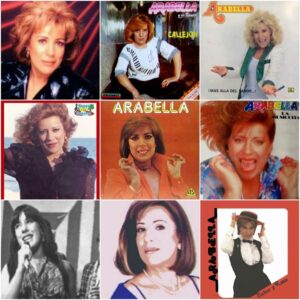
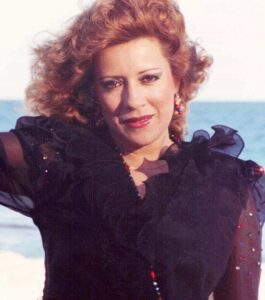
Arabella la Sonera Mayor de Colombia in her Callejón on a Sunday in Barrio with Chico Matanza

Born on June 5th, Arabella, “La Sonera Mayor”, is from Bogota, Colombia.

Arabella With her first name “María Margarita Pinillos”, she is an excellent Salsa singer and composer who shined in the 70’s and 80’s with her record productions, whose consecration and fame, however, was not in her native country but in Venezuela.

His Caribbean music song that made him famous was “Callejón” and he stayed in Venezuela for a while.

In 1972 he settled in Venezuela, it was in this country where he managed to strengthen his career and achieve the great success he had, he recorded several albums in the company of great artists of the time. In 78 and 79 he formed a group called “Los Maraqueros”, with which he could freely make the music he really wanted to make, Cuban music of Trio Matamoros and Puerto Rico.

She felt great interest in music from a very early age, however she did not contemplate from that time to make professional music, it was until she was 13 years old that a friend enrolled her without prior consultation in a radio contest of the time called “Orquídea de Plata Phillips”.

But because she was not prepared she was disqualified, however as a result she was recommended to participate in the television contest “Michel Talento” the first contest for amateurs of Colombian television. From that contest she went on to be hired at the Tequendama Hotel, the most important hotel of the time, as the first woman to sing vallenatos at the Salón Monserrate with the company of accordionist Ángel Martínez.

Arabella la Sonera Mayor de Colombia in her Callejón on a Sunday in Barrio with Chico Matanza

Arabella’s name was born from the fact that they used to tell her that she resembled a model that visited Colombia who unfortunately committed suicide, her pianist suggested her to adopt that name as her artistic name and she accepted.

Considered for many years as the natural successor of Celia Cruz, and Celia said that Arabella was her successor due to her extraordinary vocal quality.

She settled in Caracas-Venezuela since 1982, obtaining success in Salsa thanks to the advice of the great announcer Phidias Danilo Escalona.

In her beginnings she formed her own group called “Los Maraqueros”, she also recorded with Pacho Galán and with “Los Hijos del Rey” of the Dominican Wilfrido Vargas in which she recorded 4 merengues in a trip she made to the Dominican Republic, Wilfrido himself located her to record with him and they were hits the theme Corazón, Corazón de Julio Iglesia.

Los Armónicos de Manolo Monterrey, Chucho Sanoja y su orquesta, Willy Pérez and with the Megatones de Lucho.

With the groups that accompanied him as a salsa soloist.

It is worth mentioning that the song “Mi Vida es Cantar” immortalized by Ursula Hilaria de la Caridad Cruz, “La Guarachera del Mundo”, the queen of salsa, was composed by Arabella, who gave it to the eternal Cuban and salsa luminary.

For a while she lived in Puerto Rico where she decided to become a musical show businesswoman, with this company she traveled to several Latin American countries with first class singers: Marvin Santiago, Oscar de Leon, Ismael Miranda, among others.

Arabella Maria Margarita Pinillos

She finally announced her retirement from music after recording “La Musiquita” and “Yo te Vi”. After her retirement she moved to Miami, United States with her daughter, Margarita decided to dedicate herself to take care of her beloved daughter, her home and two cats and two dogs that are her favorites.


DISCOGRAPHY

– Más Allá Del Sabor (1990)

– Mi Son Es Un Misterio (1987)

– Puro Trópico (1987)

– La Musiquita (1987)

– Arabella (1985)

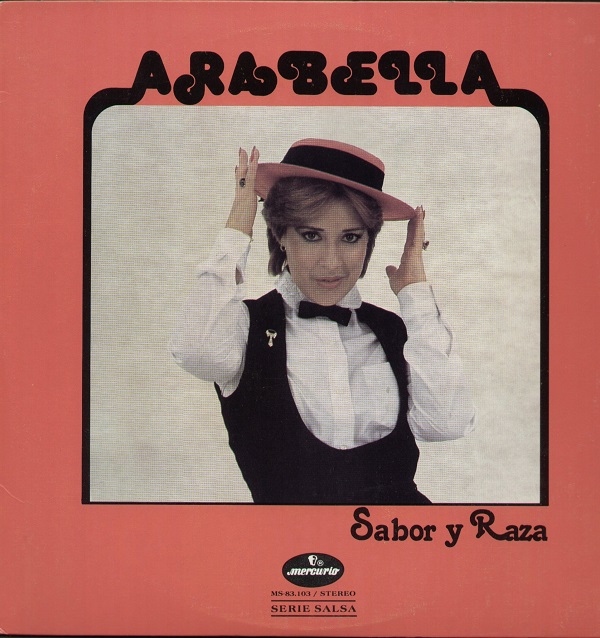
– Sabor Y Raza (1982)

– La Simpatiquisima (1980)

– Encontré Mi Amor (1979)

– Arabella (1978)

– Nelson Martinez y Arabella (1976)

– Nelson Martinez / Arabella Y Su Combo Tropical (1974)

Arabella la Sonera Sabor y Raza

SINGLES & EPs

– I Was Your Hunt (1990)

– Amiga La Vida / Sin Dejarte De Amar (1987)

– Mi Son Es Un Misterio / Mentiras (1986)

– Zape Pa’ Lla / Mentira (1986)

– Mentiras / Panamá (1985)

– Chico Matanza / Nu Sueño Mas (1982)

– Pal Campo/Mucho, Poquito, Nada (1978)

– Hija De Nadie (Flor Del Mal) / Arepas

– Domingo En El Barrio / Chico Matanza

– Mentiras / Espejismo

– Tómame Que Tómame / Con La Vara Que Midas (Take Me That Take Me / With The Rod That Midas)

Source:

William Aramburen Salsa Ephemeris

@arabellalasoneramayor 

Also Read: Betsy Colombian Salsa, Bolero and Son Cubano Singer

Son del Monte

North America / United Stated / New York

Son del Monte, Something more than a “Charanga”

It was one of those nights of meeting with friends, those friends with whom you share the same musical preferences among other things, you know, of those gatherings where only you and your friends can spend hours discussing the best songs of Héctor Lavoe or remembering the best hits of the Fania, and in which there is no other way to end the evening than with the deities that brings the good Salsa music from a live band to close the night with a flourish.

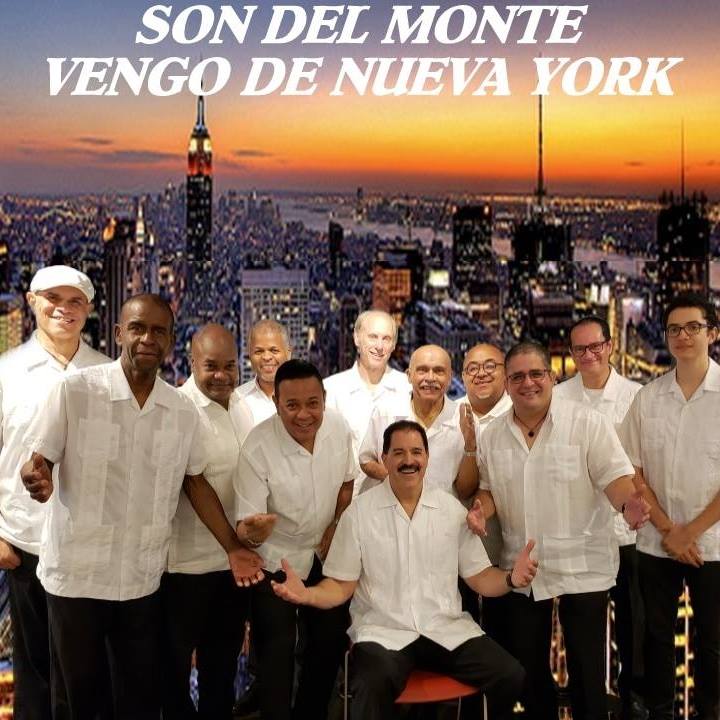
Son del Monte
Son del Monte from New York

And so that was, when with the hours passed we came across one of these charming Latin clubs that fill the streets  and every day prevail more in the city of New York, where, of course, they offered Live Salsa. Eureka! If you allow me to say it … It was the perfect place to “Echarnos un Pie” (colloquial term that we usually give in some Latin countries when we refer to dance).

Upon entering, the characteristic sound of the band wrapped up the entire venue, no doubt, captivated us. It was the harmony of an orchestra that played the typical Cuban music: “La Charanga“, which had its maximum exposure in the 20th century. We were all enthralled or if you want to say “delighted”, it was the mixture of wind instruments with percussion instruments but especially with the string instrument that most caught our attention, the Violin.

When we asked for the name of the orchestra, they told us: “Son del Monte”. It’s the ideal name for an orchestra of 12 Latin musicians who project their virtuosity before an audience eager for Caribbean Music that bathes the senses and awakens the joy of living.

Son del Monte
Son del Monte

Son Del Monte is a band based in New York City that presents unique tunes from various artists. This orchestra was born from the musical director and timbalero, Manny Rivera whose aspiration was to create a Charanga band with a hard New York sound that paid homage to the orchestras of the 60s, 70s and 80s. “Our music is captivating for the listeners and dancers. Fans from all over the world have come to love Son Del Monte: Una Charanga Con Algo Más and our incredible musical swing”, said Manny Rivera.

This band that combines the typical sound of Cuba with the mixture of flute, violins and trombones with three singers that create a distinctive harmony of three parts, have performed in so popular Salsa venues, such as: Maryland Live Casino, the Baltimore´s Latino Festival, the boardwalk of Coney Island, SOB’s, Empire City Casino in Yonkers, Gonzalez y Gonzalez, La Marqueta, the Latina Hats Society, Industry City, Harlem Mist, among other recognized Salsa venues.

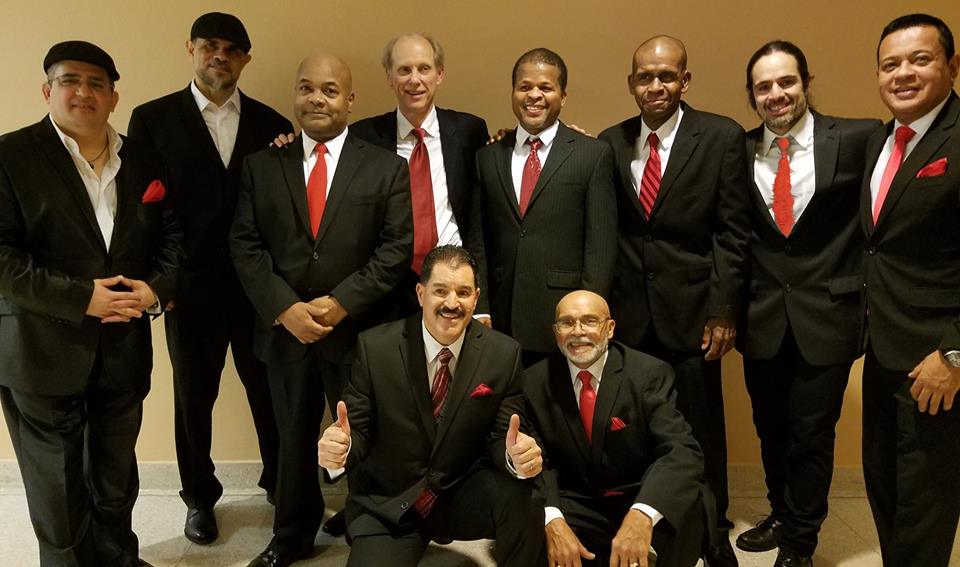
The members of this Charanga orchestra with “Sabor” and electrifying sound are: Mauricio Smith Jr. (Flute), Eric Roberto Salazar and David Rimelis (Violins), Michael Pallas, Juanga Lakunza and Charlie Garcia (Trombones), Eli Rivera (Piano), Bert Castro (Bass), Joe Gonzalez (Conga), Manuel Rivera (Timbales / Musical Director / Leader) and Luis Ayala, Armando Jiménez Sonji and Luis Soto (Singers).

Since the beginning of this year (2019), Son del Monte has been working on their record proposal for the Latin market with unpublished themes, rhythmic and unique sound – contemporary. To date they already have two singles: “Rumba Omelenko” and “Vengo de Nueva York” availables in: CD Baby, Deezer, iTunes, Apple Music, and Spotify. Likewise, the song “Herman” is in the process of recording. So, get ready because this Charanga orchestra promises their CD ended with great compositions for the public later this year.

Undeniable, the acceptance of Son del Monte has been so extensive on the part of New Yorkers and all who are Salsa lovers that they were recently awarded with the TANAE Digital Media Award for Band of the Year 2018, giving recognition to an arduous musical performance, but above all of great cultural value that keeps alive our Latin idiosyncrasy.

Son del monte - Premios Tanae
Son del monte – Premios Tanae

Manuel Rivera (Musical Director / Manager/  Timbales):

Manuel Rivera, have been a professional musician for more than 40 years and now Son Del Monte’s Leader/ Musical Director.  His musical career started playing Bongo in a Latin Workshop band which eventually became Orchestra Yambu.  Yambu was known for its Latin Jazz style and Disco Hit “Sunny”, his first recording.  Subsequently, I joined the original Charanga Orchestra Sublime of New York City, doubling up on Bongo and Timbales. He recorded on Sublime’s first two albums in 1977 and 1979.

In 2001, he rejoined Orchestra Sublime now known as “Sonsublime”. Manuel recorded on Sonsublime’s Gran Reserva and Bailando Con Sonsublime, their latest CDs. He studied various folkloric rhythms, Bata drums and sight reading at the Harbor’s Conservatory of Music in El Barrio in New York City under the guidance of the Master Louie Bauzo.

Manuel Rivera has performed with the Bassist: William Millan, of the original Conjunto Saoco, singers: Henry Fiol, Ray Ramos, and Luis Ayala.  Also, he performed with Yerason and the MTG All Stars Orchestra under the direction of Hector Leguillow, Joe Quijano at Lincoln Center and other various artists throughout his musical career.


Next Shows:

Monday, Jult 15TH   

Venue: Cunanele Restaurant and Lounge. 1 Route 46 W, Totowa, NJ 07512

Saturday, August 17TH   

Venue: La Placita de la Marqueta.  North trains between 111th and 112th Streets in East Harlem, “El Barrio” and uptown Manhattan, NY.


For more information, please visit:

https://www.SONDELMONTE.com

Or Follow them for their Social Channel:

https://www.facebook.com/MRSONDELMONTE/

The void left by Felix ”Pupi” Legarreta

Pupi’s life  

Cuba has given the world a large number of artists who have left the name of the country very high, so it is always a good moment to talk about them. Such is the case of arranger, composer, singer and musician Felix ”Pupi” Legarreta, who sadly left this world last month.   

Given that this great exponent of Cuban music and the charanga genre is no longer with us, we think it is a great opportunity to remember a little of his career and all the way to becoming the great artist he was.    

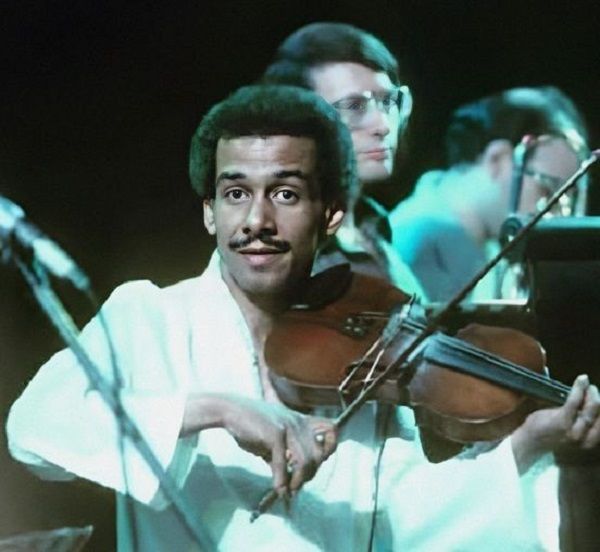
Pupi playing the violin
Pupi Legarreta playing the violin on stage

Pupi’s childhood   

Felix Legarreta was born in 1940 in the city of Cienfuegos, Cuba, and from the very early age, his father nicknamed him ”pupi”, as he would be called for the rest of his artistic life. ‘’Puppy in Spanish means ”cachorro” (a very young dog), so this pronunciation was very interesting to Americans.   

Around this same time, Pupi was not really interested in music as a profession, as his thing was carpentry at the time. However, he began being affected by severe asthma attacks due to the dust used in his daily work, so it was recommended to his father to take him away and make him dedicate himself to something else that would not damage his health. 

This is how the young boy decided to become a barber and met a friend with whom he started taking music lessons, which could be considered as the first contact he would have with music. 

The first instrument Pupi played was the violin. He admits it was not easy to learn how to play it, but with effort and dedication, he managed to become really good at music. However, he was faced with another challenge that would complicate the realization of his new dream: lack of money.    

Like the majority of families in Cuba at that time, Pupi’s was also going through a complex economic situation, so buying everything he needed for his musical training was very difficult. However, it did not stop his father from getting down to work and raising the money necessary to buy his son his first violin. 

In a 2010 interview, Pupi revealed that it took his father more than two years to raise 60 pesos to buy a used violin at a pawn shop, as it was the only way he could afford the instrument for the young boy.    

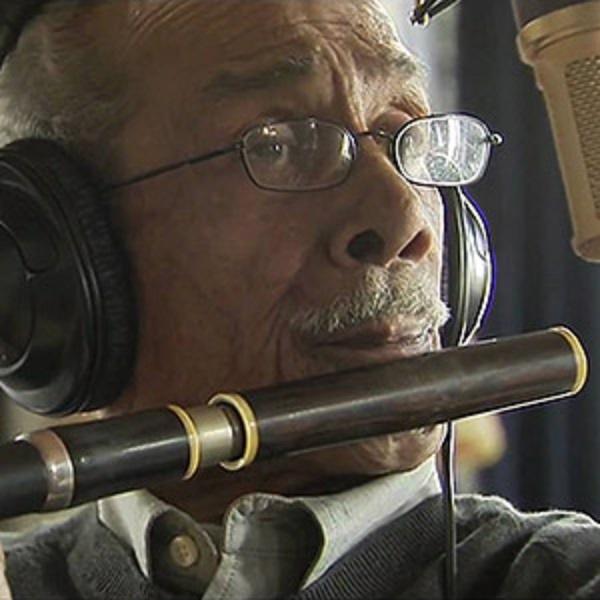
Pupi playing a flute
Pupi Legarreta playing a flute in a studio

Formal beginnings in music 

When he decided to travel to Havana, he was given the opportunity to play Orquesta Sensación, with which he earned about eight pesos a month to cover some of his basic expenses. It was very difficult for him to live with that little, but music helped him to support himself.     

However, little by little he worked his way up and earned the respect of his fellow musicians, who consider him for their own projects.    

In 1959, music also allowed him to travel to the United States, specifically to the state of California, but it would not be too long before he decided to try his luck in New York. Once there, he collaborated with artists such as Mongo Santamaría, Charlie Palmieri, Johnny Pacheco, Machito, Tito Puente and many more.    

Fania All Stars   

In 1964, he started collaborating with the Fania All Stars, which had more than 24 instruments, including trumpets, pianos, basses, singers and more. Pupi was so shocked that he could not refuse to work with the world-famous orchestra, as this number of musicians was something he had never seen before. 

In total, he recorded between five to seven albums with La Fania on which Pupi was taken into account when issuing opinions about his work. If the artist considered something was not quite right and wanted to change it, the orchestra did whatever was necessary to satisfy him with the results of the recordings. 

The only criticism that the Cuban issued towards the orchestra is regarding the excessive focus on the Puerto Rican market, in fact, the vast majority of musicians were Puerto Rican. This caused them to neglect other markets that may be useful for Fania. However, this does not exclude all the positive things that came for those involved during the time this union lasted. 

When his time in the orchestra ended, he was working for an electricity company in New Jersey, but his family was in Philadelphia, so he decided to move permanently to this city, where he remained till the day he died.   

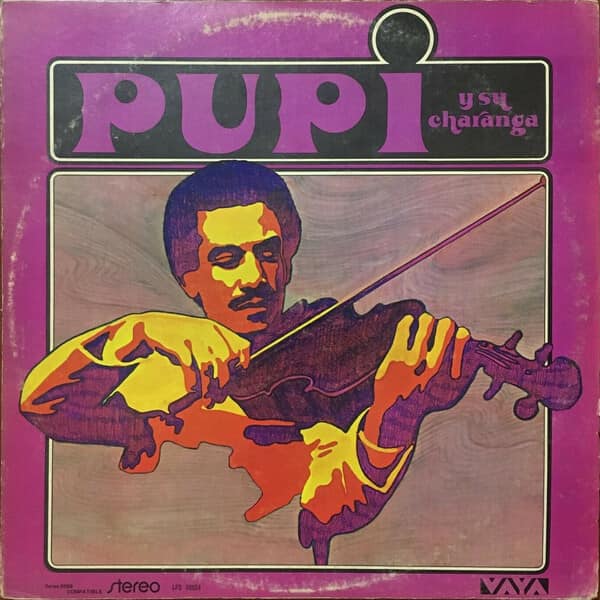
Album cover for Pupi
Album cover for ”Pupi Legarreta Y Su Charanga”

Death 

In the afternoon of July 3, 2023, Félix ”Pupi” Legarreta’s relatives issued a statement giving the deplorable news of the artist’s death the day before at the age of 83.    

His daughter Frances Legarreta posted the following on her social networks on the already mentioned day: “I announce with great sadness the death of my father, Pupi Legarreta, on July 2, 2023, in Philadelphia, Pennsylvania. He is survived by his wife Frances, his son Michael, his grandchildren, great-grandchildren and his daughter Otie in Puerto Rico”.   

In addition to the above, he revealed that his father expressed his desire to be cremated and not to be veiled in a memorial service. She also asked that her entire family’s privacy to be respected in view of the pain that its members were going through. 

Read also: Carlos Medrano from Sabor De Mi Cuba tells us about his long musical history 

  • « Go to Previous Page
  • Page 1
  • Interim pages omitted …
  • Page 30
  • Page 31
  • Page 32
  • Page 33
  • Page 34
  • Interim pages omitted …
  • Page 103
  • Go to Next Page »

International Salsa Magazine (ISM) is a monthly publication about Salsa activities around the world, that has been publishing since 2007. It is a world network of volunteers coordinated by ISM Magazine. We are working to strengthen all the events by working together.