
 |
 |
 |
 |
 |
|
 |
|
 |
|
 |
|
 |
|
 |
|
 |
|
“We are the Real Latin music world network”
 |
 |
|
|
|
|
|
|
|
|
|
|
|
|
|
|
|
|
|
|
|
|
After several days of uncertainty and reports regarding his delicate health, the passing of William Anthony Colón Román was confirmed in New York City at the age of 75.
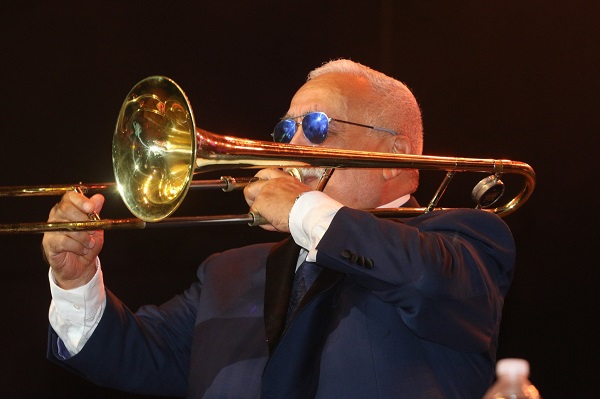
Producer, trombonist, visionary. He was the architect of a sound that broke the mold and redefined salsa from New York for the entire world.
With his aggressive trombone, his innovative musical concepts, and his leadership within the historic Fania All-Stars, he marked an era that can never be repeated.
The musician, who had already shown signs of physical frailty following his retirement from the stage in 2023, suffered severe respiratory complications that kept him hospitalized during his final days.
Unlike other bandleaders, Willie Colón didn’t just make music; he told cinematic stories. From his early days with Héctor Lavoe to his era of social consciousness with Rubén Blades, Colón transformed salsa into a vehicle for urban narrative.
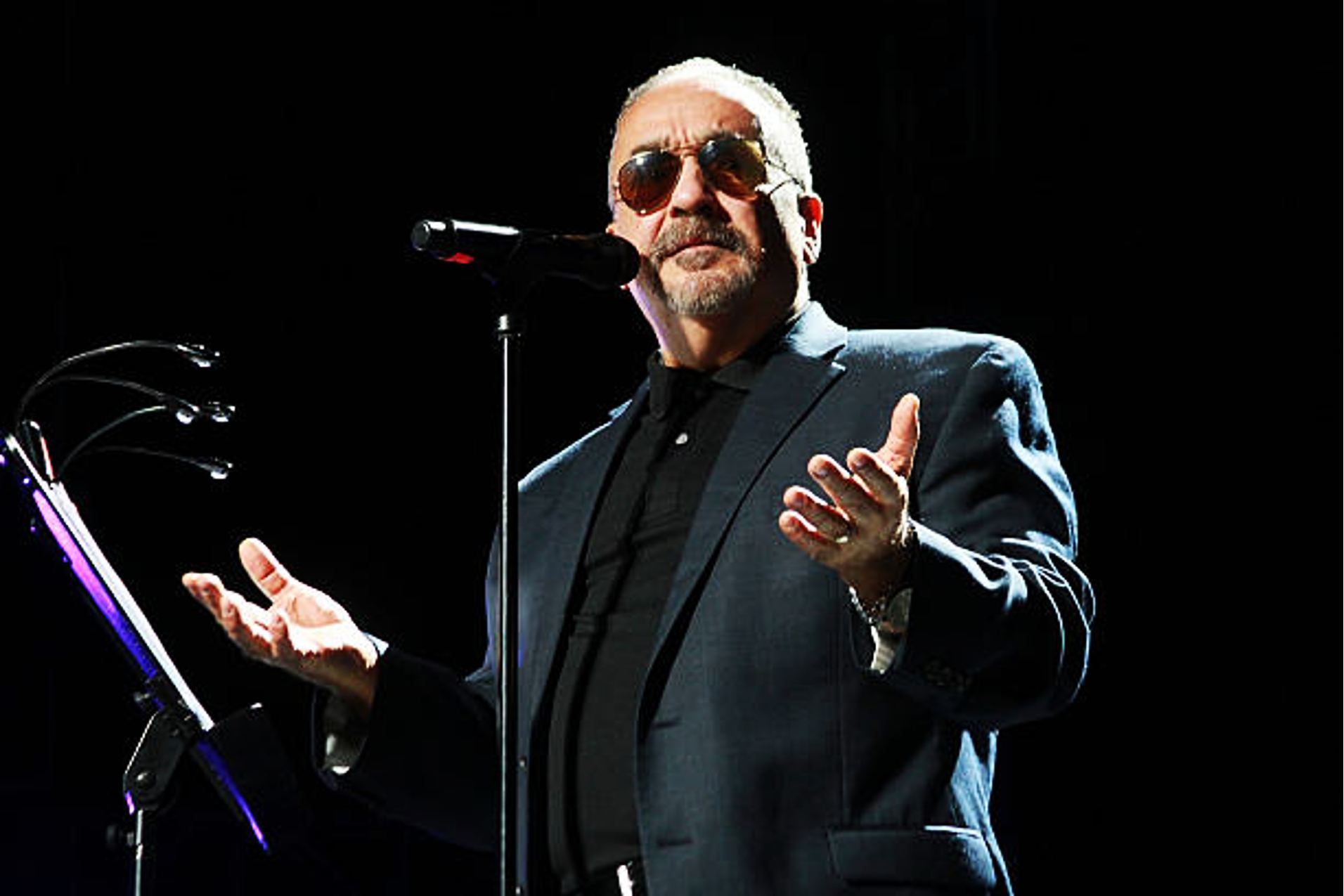
Willie Colón’s catalog is the backbone of every party and social reflection in Latin America. Among his most remembered tracks, more relevant today than ever, are:
| Song | Significance |
| El Gran Varón | A milestone in social lyrics regarding identity and redemption. |
| Idilio | The most romantic and melodic facet of his mature era. |
| Pedro Navaja | The ultimate expression of narrative salsa produced alongside Blades. |
| Gitana | A classic of sentiment and rhythmic fusion. |
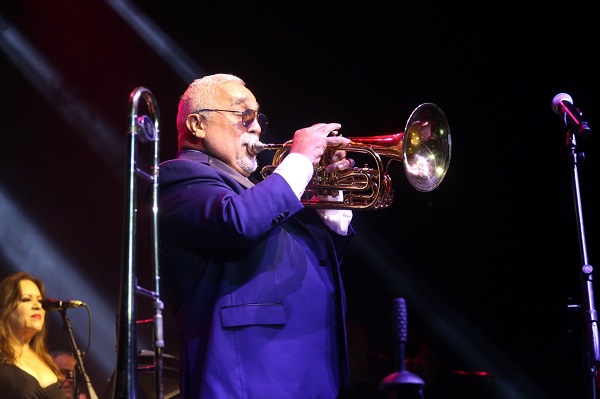
Though the Maestro has physically departed in 2026, his office and family have made it clear that his music will live on. Releases of unedited material and tribute concerts are expected as we pave the road toward the centennial of his birth in 2050.
“Time passes, and I am left unable to speak to you” Willie Colón.
His music will continue to speak for him on every corner where a trombone sounds and in every heart that feels the pulse of urban salsa.
His talent was more than rhythm: it was identity, the barrio, resistance, and living history. Today, we don’t just say goodbye to a musician; we say goodbye to a pillar, a North Star, and an entire chapter of our Latin culture.
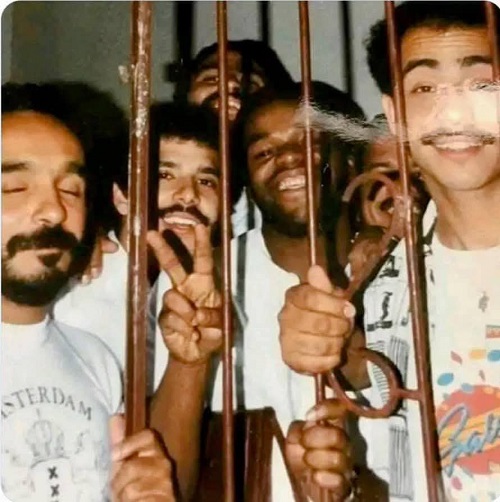
A posthumous tribute to the great Willie Colón (1950-2026): The greatest disciple of Mon Rivera by his own admission and today a legend of our passionate salsa.
Willie Colón: From “Classic Urban Salsa” to “Symphonic Salsa”
His musical production clarifies and proves that “salsa” does not only originate from Cuban and Puerto Rican rhythms, but also from American, Brazilian, and other Latin influences.
When Willie produced and recorded his 1977 instrumental-only album, El Baquiné de Angelitos Negros, he expanded the orchestral lineup to include violins, saxophone, flute, cello, and trumpet. While the work had little commercial success and went largely unnoticed during his triumphant career, it served as more than just a platform for his “salsa” fusions with Jazz, Funk, Soul, and R&B. It was the starting point for producing grander orchestral arrangements with a larger number of musicians, thus becoming the precursor to what is now known as “Symphonic Salsa.”
Four years after this beginning, in 1981, this “Symphonic Salsa” reached its peak when Willie released his second solo album, Fantasmas dedicated to and motivated by the loss of his younger sister, Cindy. The album included a track he composed, with musical arrangements by Luis Cruz, titled “Toma Mis Manos” (Take My Hands).
This piece, dealing with the somber theme of death, is considered by this author (due to the quality of the composition and the fabulous “Symphonic” orchestration) to be an authentic and grand masterpiece of “Classic Salsa.” It blends Funk, Soul, R&B, and Bossa Nova with Willie’s excellent vocals, serving as a spectacular prelude to that other legendary, yet often overlooked, symphonic track recorded in 1991 by the “Canary of Carolina,” the great Lalo Rodríguez: “El niño, el hombre, el soñador y el loco.”
To conclude, with the immense pain that his departure brings, I accompany this tribute with the aforementioned song: “Toma Mis Manos,” an unforgettable composition by the recent legend of our “salsa” the great Willie Colón, famously known as “The Bad Boy of the Bronx.”

Also Read: The legacy of Leopoldo Pineda, the ambassador of the trombone in La Maquinaria Fania All Stars
The great percussionist, conga player, and six-time Grammy winner Tony Rosa has honored us with his presence for this February edition, which is full of many interesting things despite being a very short month.
Like so many other artists of this kind, he started very young in this world. Although his musical roots were not so Latin or folkloric, as is common, he ended up falling in love with one of his great passions today: Latin music.

Tony started playing the tumbadora at the age of just 10 in New York, his native city, but when he turned 12, he moved to Los Angeles, California, which is where his formal career as a musician began. It was in Los Angeles that he learned to play percussion, more specifically the conga, in the streets of this new city that welcomed him and his family.
One interesting thing about this is that absolutely everything he knows about instruments he learned by himself, indicating that he did not attend any institution that provided formal training in music. At that time, as a 15-year-old boy, he was already playing for different orchestras and touring with them.
Before becoming integrally involved with salsa, Tony played with some rock bands such as Chicanos. In fact, rock is a genre he still likes very much, and several of his favorite groups are rock bands such as Queen and Santana. However, that phase did not last for ever, and it was not long before, at the age of 16 or 17, he played with orchestras such as Azuquita Y Su Melao.
In 1997, he moved back to his native New York, where he started collaborating with Conjunto Libre and other groups of salsa and Latin jazz, a genre that was also making him curious.
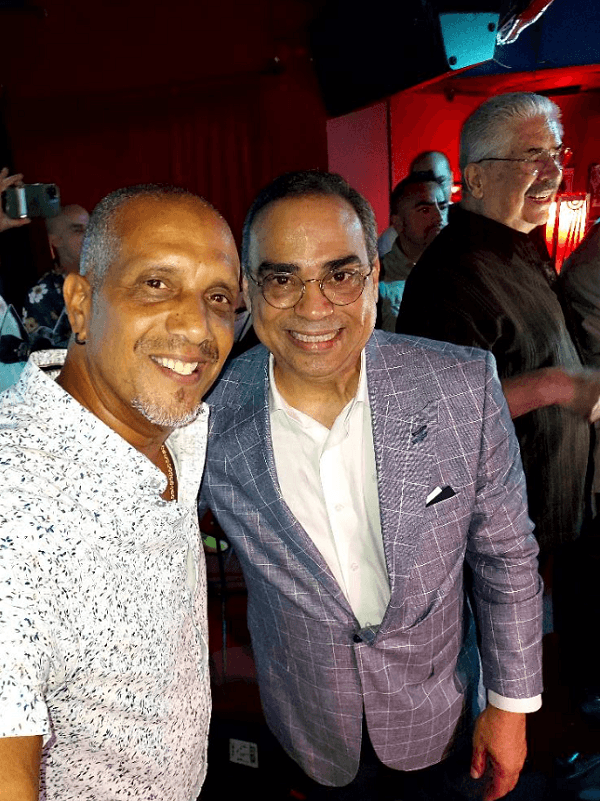
In 2008, while playing with Manny Oquendo, Tony met orchestra leader, composer, and pianist Arturo O’Farrill, who, after witnessing the great talent he had, asked whether he would be interested in joining his Afro Latin Jazz Orchestra, and he said yes. In total, he spent about nine years playing with O’Farrill and it was over five years ago. In fact, when asked if he knew why the Afro Latin Jazz Orchestra would no longer be playing at Birdland, he said he knew absolutely nothing about it.
After that, the artist found the right time to create his own quintet which he named Tony Rosa’s Afrojazz and with which he has songs such as “Mambo Mongo,” “Nothing Personal,” “Alfie’s Theme,” “Isn’t She Lovely,” and “Rica Mulata.”
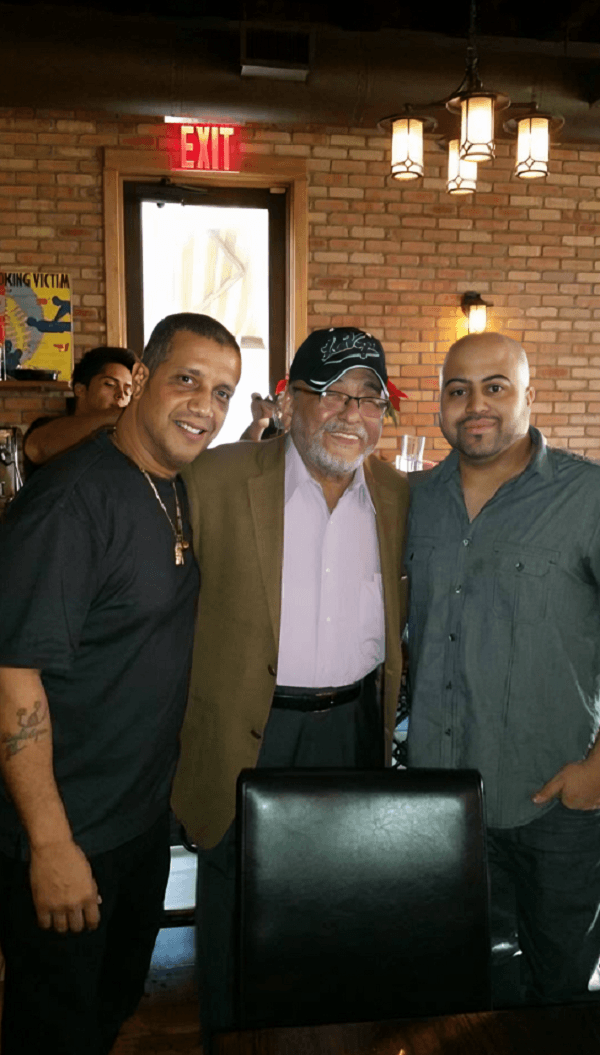
However, he assures us that his affection for O’Farrill and the orchestra remains intact, and they even played together again in a tribute to Andy González at Saint Peter’s Church in Manhattan. He is also grateful for all the experience he gained there, otherwise he would not have the project he currently manages.
In addition to his work he does with his Latin jazz quintet, Tony is also recording with another musical group called Los Amigos, with which he recently released an album.
And about tours and performances at arenas and well-known venues, he says he does not know yet what he will be doing in the coming months. However, he expects things to start moving as the year progresses.
Read also: Bandleader Arturo O’Farrill leaves behind Birdland to look for other opportunities
Latin America / Argentina / San clemente del Tuyú
Salsa y Sentimiento is renowned as the first dance academy in the Partido de la Costa. Founded in April 2012 by its current director, Mr. Gerardo Osvaldo Russo, the academy offers a wide range of classes for both adults and children.
The curriculum includes Salsa, Bachata, Reggaeton, Pop Dance, Contemporary, “Ritmos” (various rhythms), Tango, and Introduction to Dance. Beyond daily classes, the academy is a vibrant community hub that organizes parties, festivals, conventions, and events. These activities bring together Salsa and Bachata enthusiasts from across the country and around the world, making it a premier destination for international visitors every year.
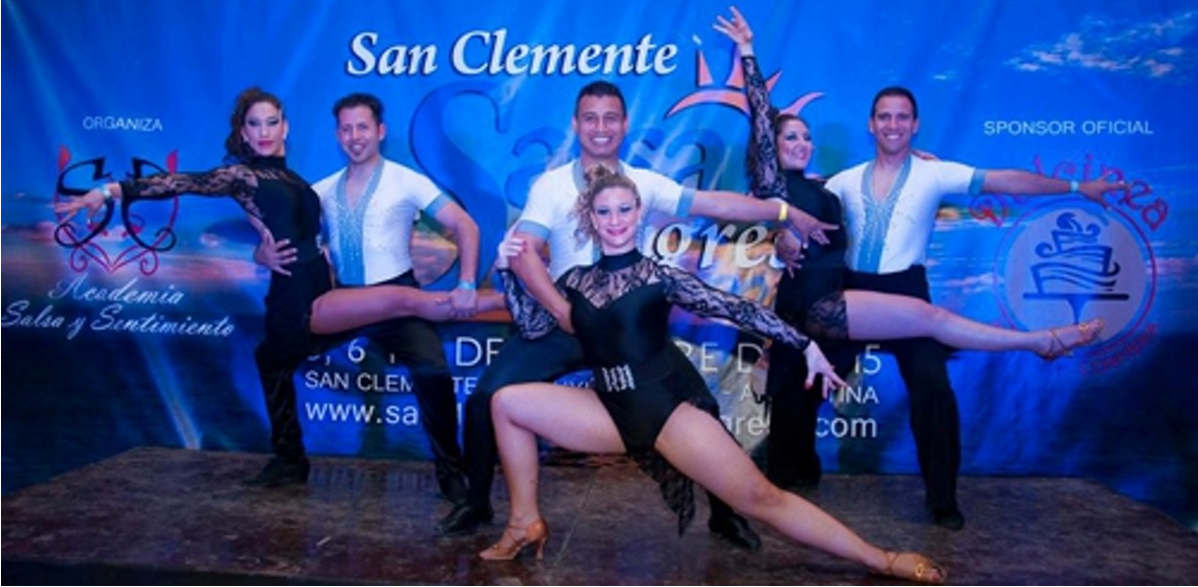
Mr. Gerardo Osvaldo Russo was born on July 3, 1984, and resides in the coastal town of San Clemente del Tuyú, Argentina. His passion for Latin music began in 2005 when he first started dancing and listening to Salsa. This spark soon grew into a lifelong dedication to various Caribbean rhythms.
In 2009, he pursued a professional certification in Caribbean Rhythms at “SAOCO” Studio, one of the top training facilities in Argentina. To complete his studies, Gerardo demonstrated immense commitment by traveling 300 kilometers (approx. 185 miles) every week. It was during this time that he made the pivotal decision to dedicate his life to teaching and developing the ambitious dance projects he had envisioned for the future.
“He mentions that the city where he lived offered no way to get trained since there were few resources, and he couldn’t manage to carry out everything he had in mind. Additionally, his motivation was to grow personally as an instructor and dancer, allowing him to share all the knowledge he was acquiring with the people attending his classes. In 2008, he began teaching—initially as a hobby for a year and a half—until he made the decision to work 100% in his profession. Consequently, today he has his own dance studio called ‘Academia Salsa y Sentimiento,’ which opened in 2012 and where he currently serves as coordinator and instructor. He is also in charge of organizing the ‘San Clemente Salsa Congress,’ which he has done for about 3 years, and he organizes annual Salsa, Bachata, and other Caribbean rhythm parties for his institution; these include seminars and training sessions with high-quality, experienced instructors.”
The reason behind the opening of the “Salsa y Sentimiento Academy” was essentially a need among the people, not only in their own city but also in neighboring towns within the Partido de la Costa—the region where San Clemente del Tuyú is located. This provided them the opportunity to learn how to dance, express themselves, and find a place of freedom and belonging, while also meeting people and socializing. Consequently, it is known for being the first registered dance academy in the entire region, with the founder feeling very proud of both the team and himself.
In short, they mention that their goal has always been for people to feel identified with the activities they perform, finding a place where they can learn and have fun while recharging their energy. Students joining the academy can do so without any prior experience or knowledge of the rhythm they wish to practice. For this year, 2017, they plan to launch their official website to provide more information beyond their Facebook account. At the academy, students can start from scratch, but those who already have experience are also welcome since there are several different levels.
We work with people from 3 years old and up. The greatest goal achieved was creating an International Salsa Congress, where they aimed to take their students to compete. In 2016, they were able to do so with the reggaeton group led by teacher “Maximiliano Laplaca,” reaching the finals of one of the most important competitions in Argentina and South America, called the “Argentine Aerobics and Dance Tournament” (TAAD).
This year, along with other businesses in the city, they are working to provide benefits to their students. The goal is not only for them to have the chance to learn and have fun, but also to access discounts and benefits at shops in San Clemente. There is also a project for the coming years to train teachers who graduate from our Academy.
At the end, Gerardo Russo gives us a message for both current students and future apprentices: “My message as a teacher, but primarily as a human being, is for you not to stop chasing your dreams. As long as you work hard with responsibility, passion, and respect, things can be achieved. I also want to tell anyone who wants to come to the Salsa y Sentimiento Academy that they will find a place not only to learn to dance and train, but also a supportive group of people. It is a place where you can freely express yourself and bring out everything you have inside. Both adults and children are united by our passion for dance. We are teachers who love what we do and wish to pass it on to new generations. We are always open to hearing from anyone with new ideas to build a better SALSA Y SENTIMIENTO ACADEMY every year”.
For this year, 2017, the schedule for the various rhythms mentioned above has been available since January and February, so that everyone is informed before joining.
This magnificent Academy is located at 21st Street No. 139, between 24th and 1st Streets in San Clemente del Tuyú, Argentina
After making some room in his packed schedule, we finally managed to meet with bandleader, composer, and pianist Arturo O’Farrill, who after arriving in Richmond, Virginia, greeted us and talked about various interesting topics related to his long and successful career.
Of course, we did not miss the opportunity to ask if it is true that he and his orchestra will drop out of performing at Birdland as they had done over the past 29 years and what other projects in door they have from now on.
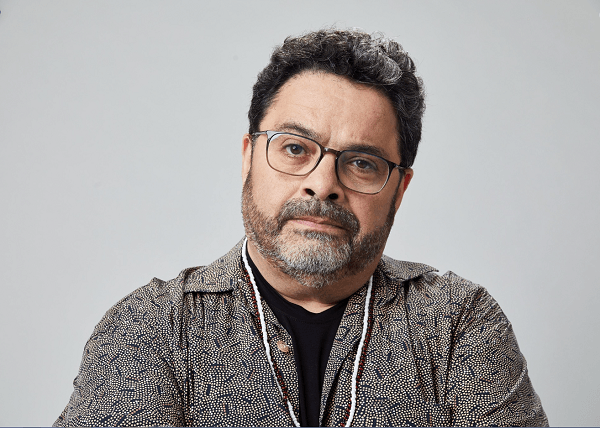
Arturo is the son of Cuban conductor, arranger, and musician Chico O’Farrill and Mexican singer Lupe Valero, so it is natural that he would show an interest in art like them. In addition, being the first male child in the family, there was lots of expectations on him and anything he could get, so he was enrolled in piano lessons and fortunately he had good aptitude for the instrument and was very present at his father’s parties and events with many other artists.
So, he was for a time studying music on Saturdays until he discovered a Miles Davis album in his living room. He says that listening to it changed his life forever, and the song that most marked him was “Seven Steps to Heaven.” At that time, he knew he was going to become a professional musician by choice, not because his father had decided it for him.
He decided to become the best pianist he could be, and because of how busy Chico was with his own career, Arturo studied jazz alongside other young musicians. Some time later, he met bassist Andy González, who finally made him understand his Latin roots and encouraged him to study artists such as Charlie Palmieri and Eddie Palmieri.
“Precisely thanks to Andy, now I understand that our music is a treasure of the Afro-Latin diaspora, and the music my father and so many others of his generation made, for me, is the most incredible thing in the world,” said Arturo.
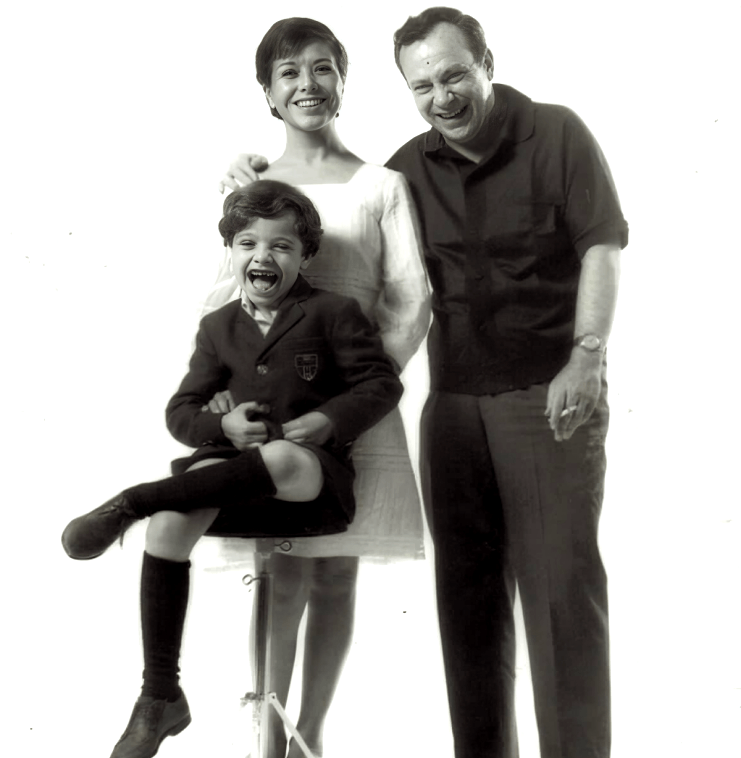
The artist studied at several top academic institutions, including LaGuardia High School of Music and Art, the Manhattan School of Music, the Brooklyn College Conservatory of Music, and the Aaron Copland School of Music. He clarified that he did not graduate from the Manhattan School of Music, but he does recognize that it was there that he began to truly understand music.
In the case of LaGuardia High School for Music and Art, his parents had to withdraw him because he never attended classes, as he was not interested in history and mathematics, but only in music. He was then enrolled in City As School and got his GED (General Educational Development). Later, at Brooklyn College, he met Professor Teófilo Ruiz, who taught him the importance of forging a social and political conscience, which had a profound impact on his development as a professional and a person.
While working as a musician, Arturo earned his bachelor’s and master’s degrees at Queens College. He spent some time playing, studying, and teaching until Wynton Marsalis, artistic director of the jazz at Lincoln Center program, asked him to create an orchestra for the venue, which they called the Lincoln Center Jazz Orchestra. He worked there for five years until he knew he had to continue his career elsewhere.
After playing along with the great jazz star Carla Bley and Machito, Arturo finally joined his father’s orchestra, the Chico O’Farrill Afro-Cuban Jazz Orchestra, at a time when they were creating many jingles for commercials. When the world was rediscovering Chico, his health was unfortunately in bad shape, so his son stood by his side to support him any way he could.
In the end, he had no other option than taking charge and, together with the rest of the musicians, recording the band’s last three albums. One thing that he had very clear when he took up this challenge was that he did not want to compete with his dad or be constantly compared to him, though he knew it was inevitable. In fact, after doing a concert with him, when he came home, he found a voicemail from someone saying: “You don’t have a fortieth of your father’s talent. In fact, I’ll see you picking through garbage.”
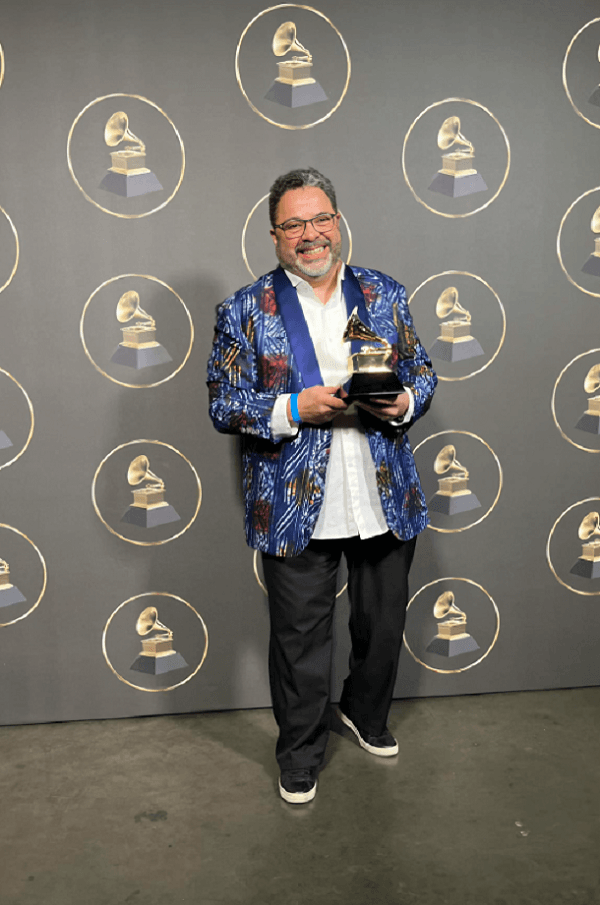
Despite the hurtful comments, it was liberating for him to hear it, since someone had the stupidity to compare him with his father when it did not make sense. That pushed him to use his own compositions in the orchestra, continue creating new music, and have a completely different path from Chico O’Farrill. Unknowingly, the man who insulted him had helped him throw off the mental and artistic chains that bound him by fear of being compared.
Although Arturo was sorry for leaving Chico’s orchestra, he knew he had to make many changes. One of them was that he wanted intergenerational musicians, more races and nationalities. This also led him to change the name of “Afro-Cuban Jazz Orchestra” to “Afro Latin Jazz Orchestra” because, from his point of view, Latin music must include not only Cuba, but also countries such as Puerto Rico, Colombia, Bolivia, Peru, Mexico, and many others.
Despite these changes, Arturo and his orchestra kept playing every Sunday at the prestigious Birdland jazz club, something they had been doing since 1997, before the death of Chico O’Farrill. However, 29 years after that important proposal, Arturo announced on social networks that he would not perform there anymore, but he was very grateful to the staff and management of Birdland for the opportunity they gave him over so many years.
When we wanted to know the reasons for this decision, the artist just told us that this was largely due to “creative and financial disagreements that were making the working environment very toxic,” so the best thing was to cut to the chase and seek pastures new. He assures us that his words do not want to disrespect anyone and that he wishes the best for both the club and its staff, who always treated him and his musicians the best.
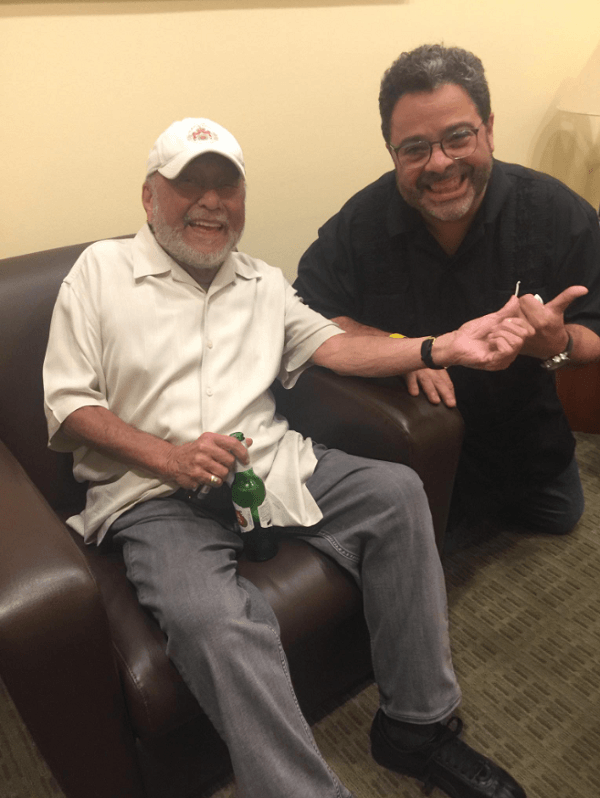
The musician also wanted to talk about his foundation Afro Latin Jazz Alliance, which seeks to educate, play, and preserve. The project has grown so much that today it has 49 teachers, 21 public schools, and a preprofessional program known as “The Fat Cats,” which aims to help young musicians join an orchestra and exploit their talent as never before.
After several formal requests, New York City finally agreed to construct a building with affordable apartments for residents of East Harlem and the first floors are destined to house Casa Belongó. These spaces will include a theater, a jazz club, a healthy restaurant, rehearsal rooms, classrooms, and much more. “Imagine that the power of our Latino community will physically change New York City history,” she concluded on this topic.
Read also: Music reviewer and photojournalist Ricky Ricardo describes his work from the last 35 years