• Skip to primary navigation
  • Skip to main content

International Salsa Magazine

  • HOME
  • Previous editions
    • 2026
      • ISM / March 2026
      • ISM / February 2026
      • ISM / January 2026
    • 2025
      • ISM / December 2025
      • ISM / November 2025
      • ISM / October 2025
      • ISM / September 2025
      • ISM / August 2025
      • ISM / July 2025
      • ISM / June 2025
      • ISM / May2025
      • ISM / April 2025
      • ISM / March 2025
      • ISM / February 2025
      • ISM / January 2025
    • 2024
      • ISM / December 2024
      • ISM / November 2024
      • ISM / October 2024
      • ISM / September 2024
      • ISM / August 2024
      • ISM / July 2024
      • ISM / June 2024
      • ISM / May 2024
      • ISM / April 2024
      • ISM / March 2024
      • ISM / February 2024
      • ISM / January 2024
    • 2023
      • ISM / December 2023
      • ISM / November 2023
      • ISM / October 2023
      • ISM – September 2023
      • ISM – August 2023
      • ISM July 2023
      • ISM Edition June 2023
      • ISM – May 2023
      • ISM April 2023
      • ISM March 2023
      • ISM February 2023
      • ISM January 2023
    • 2022
      • ISM December 2022
      • ISM November 2022
      • ISM October 2022
      • ISM September 2022
      • ISM August 2022
      • ISM July 2022
      • ISM June 2022
      • ISM May 2022
      • ISM February 2022
      • ISM January 2022
    • 2021
      • ISM December 2021
      • ISM November 2021
      • ISM October – 2021
      • ISM September 2021
      • ISM August 2021
      • ISM July 2021
      • ISM May 2021
      • ISM April 2021
      • ISM June 2021
      • ISM March 2021
      • ISM February 2021
      • ISM January 2021
    • 2020
      • ISM December 2020
      • ISM November 2020
      • ISM October 2020
      • ISM September 2020
      • ISM August 2020
      • ISM July 2020
      • ISM June 2020
      • ISM May 2020
      • ISM April 2020
      • ISM March 2020
      • ISM February 2020
      • ISM January 2020
    • 2019
      • ISM December 2019
      • ISM November 2019
      • ISM October 2019
      • ISM Septembre 2019
      • ISM August 2019
      • ISM July 2019
      • ISM June 2019
  • Download Salsa App
    • Android
    • Apple
  • Spanish

Search Results for: Legacy of Salsa

Alberto Gonzalez talks about his book on Hector Lavoe and his experience with ‘‘El Jibarito de Ponce’’

As an artist, one of the most noble actions to be taken is to honor the great artists whose legacy inspired later generations, including those who pay homage to them today. Proof of this is the talented bandleader, composer, singer, and now author, Alberto González, whom we thank for sharing his story and various facets of his life with us, including his role as the author of a new book about “the singer of all singers,” Hector Lavoe. 
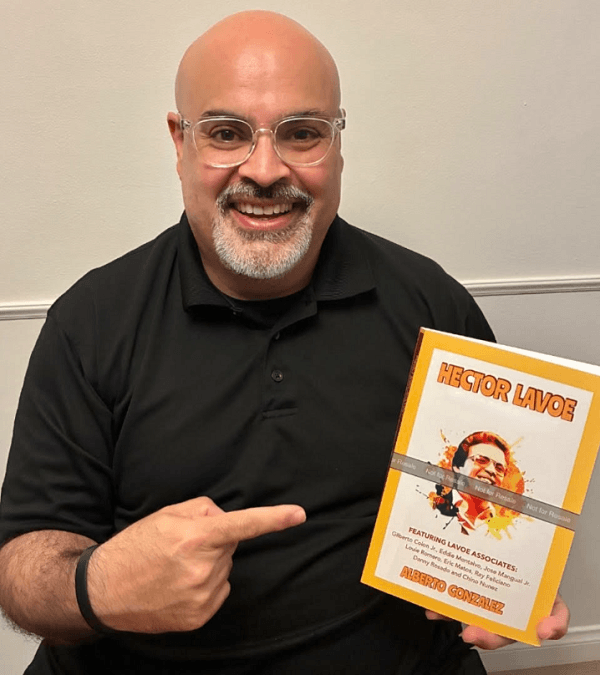
Alberto and his book on Hector
Author Alberto Gonzalez with a version of his book ”Hector Lavoe and Associates”

Alberto’s initial interest in music

Alberto’s initial interest in music began with an aunt from Puerto Rico who went to live with him and his parents in Chicago. She loved the music of Raphael and Sandro, so her nephew listened to them practically every day and ended up falling in love with their music and how they sang.

Little by little, Alberto began to learn their songs and was unknowingly taking his first steps toward becoming a professional singer. However, it did not stop there; he also listened to the trio music that his parents enjoyed and eventually to the salsa albums that his older brother began bringing to the house. Those salsa albums really caught Alberto’s attention.

Among the artists his brother listened to were Eddie Palmieri, La Sonora Ponceña, El Gran Combo de Puerto Rico, Willie Colón, and the one who would become his greatest inspiration, Héctor Lavoe.

Eventually, his brother became a professional trumpet player and played with various salsa orchestras in Chicago. Since he always heard Alberto singing songs at home, in 1979, he suggested that he audition for a new band of young salsa musicians his manager was putting together. For the audition, Alberto was tasked with learning and singing the popular Willie Colón and Héctor Lavoe song “Voso.”

Fortunately, his audition was a great success, and Alberto was asked to join La Típica Leal 79. The story behind the band’s name is interesting: Carlos Caribe Ruíz, the manager of the group, decided on the name Típica Leal because most of the members of his previous band, La Juventud Típica, decided one day to quit; they left him. For that reason, he decided to create a new band, and he made sure to add the word “Leal” (loyal in English) to the band’s name. His hope was that the new band, made up mostly of teenagers, would be loyal and not leave, just like the previous band did.

Sometime later, Alberto would go on to sing with a band called La Inspiración Latina, and he also worked briefly with Orquesta Yambo. In 2001, he moved to Los Angeles, where he began working with Johnny Polanco y Su Conjunto Amistad, becoming one of their main vocalists and traveling the world with them and the band.
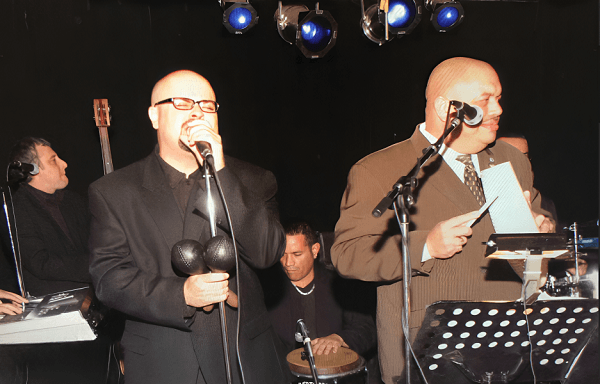
Alberto and Johnny Polanco
Alberto Gonzalez playing with Johnny Polanco Y Su Conjunto Amistad

Orquesta Salsa Caliente

When he left Johnny Polanco’s group, Alberto finally felt ready to form his own group, and that is how Orquesta Salsa Caliente was born. He has been leading the band for many years now and has even traveled with the band to Africa and Bermuda.

Over the past few years, Alberto has concentrated mainly on his work as an author. While he continues to perform, his primary focus has been on his debut book ‘‘Hector Lavoe and Associates.’’

Alberto’s Hector Lavoe Experience

In 1979, after auditioning and doing well with the song “Voso,” 15 year old Alberto officially became a member of La Tipica Leal 79.Caribe, the band’s manager, then asked him to learn a few more Hector Lavoe (and Willie Colon) songs. Since Hector was his favorite singer, he gladly learned the songs. Since his voice was somewhat similar to Hector’s, his bandmates began to affectionately call him “Baby Lavoe.”

In the fall of that same year, Alberto learned that Héctor and his orchestra were going to be performing in Chicago. Once he found that out, he asked Caribe to please take him to see Héctor, and, if at all possible, to introduce him to Héctor. Thankfully, he did get to go to that show, and he did meet Héctor. It was during that show, and during one of Héctor’s breaks, that he was able to take a photo with his favorite singer. Alberto still cherishes that photo to this very day. That night, he realized that Héctor was a “man of the people” due to his humility and how he treated others. The photo and his experience with Héctor were some of the main reasons why he decided to write a book about Lavoe. Over the years, many have criticized Héctor and have focused primarily on the negative aspects of his life. Sadly, many people are not familiar with the other side of Héctor, the humble, generous, and kind side of Lavoe. They will learn more about that side of Héctor in the new book.

Well, about a year and a half after first meeting Héctor, La Típica Leal 79 was booked to open for Celia Cruz and Héctor Lavoe. That show would take place at one of the most acclaimed dance halls in the city, where many of the greatest salsa artists performed over the years. That night, Alberto was able to share another conversation with Héctor, and he also took another photo with him. Héctor was generous with his time; he was kind and very accommodating. That’s something that Alberto never forgot.

This and other experiences are documented by the author in the book. Alberto actually interviewed about sixteen of Héctor’s former musicians, and eight of them are featured in the book. You’ll learn about their musical experiences, and you’ll be able to read about their experiences with “El Jibarito de Ponce,” Héctor Lavoe. These are the musicians that are featured: Gilberto Colon Jr., Eddie Montalvo, Jose Mangual Jr., Louie Romero, Eric Matos, Ray Feliciano, Danny Rosado, and Chino Núñez.

Alberto called the book “Héctor Lavoe and Associates,” and that title was somewhat inspired by Willie Colón’s 1978 compilation album “Willie Colón and Associates.”

Alberto and Salsa Caliente
Alberto Gonzalez and his orchestra Salsa Caliente

A few Lavoe stories from the book

Among the many anecdotes that can be read in the book, Alberto told us one in which, on one occasion, a couple of Héctor Lavoe’s musicians had their vehicle broken into, and all of their instruments were stolen. When Héctor found out what had happened, he bought them new instruments and told them not to worry about paying him back. He did not charge them a penny.

Here’s another story. During a show, one of Héctor’s trumpet players accidentally dropped his trumpet on the floor and damaged it beyond repair; the instrument was unplayable. What did Héctor do? Héctor gave him $1,000 to go buy a new trumpet and, once again, didn’t charge him a penny.

These are just a few of the many stories regarding Héctor Lavoe that you’ll be able to read in the more than 400 pages of the book. The book will be officially launched in the coming months. For more information, please visit: www.hectorlavoebook.com.
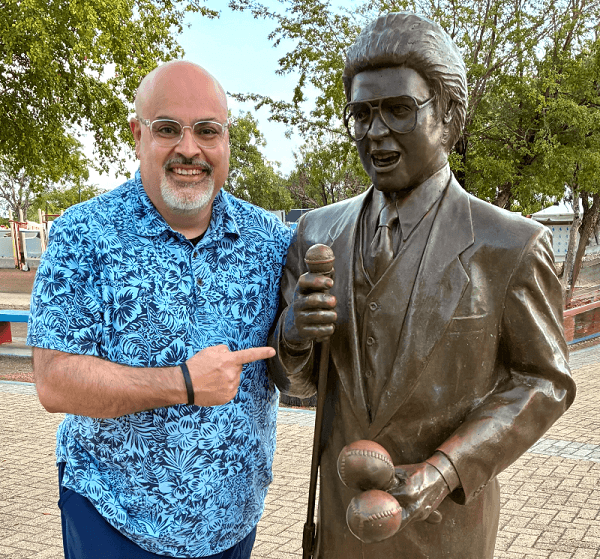
Alberto and Hector in Ponce
Alberto Gonzalez next to the statue of Hector Lavoe in Ponce, Puerto Rico

Read also: Puerto Rican American bandleader and singer Elle Jay is proud of her roots
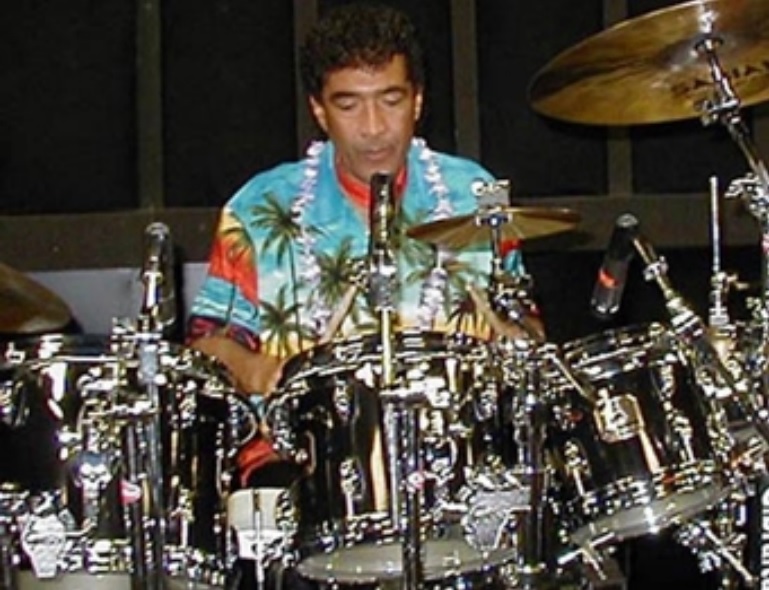
Rudy Regalado. The legend of percussion

North America / USA / California

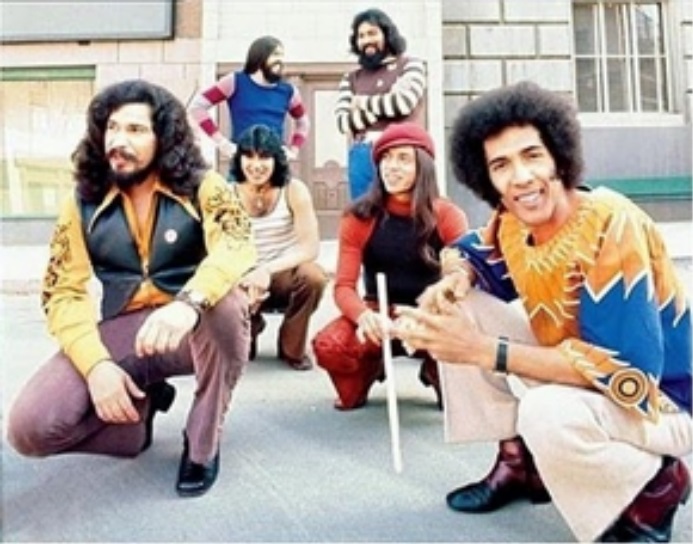
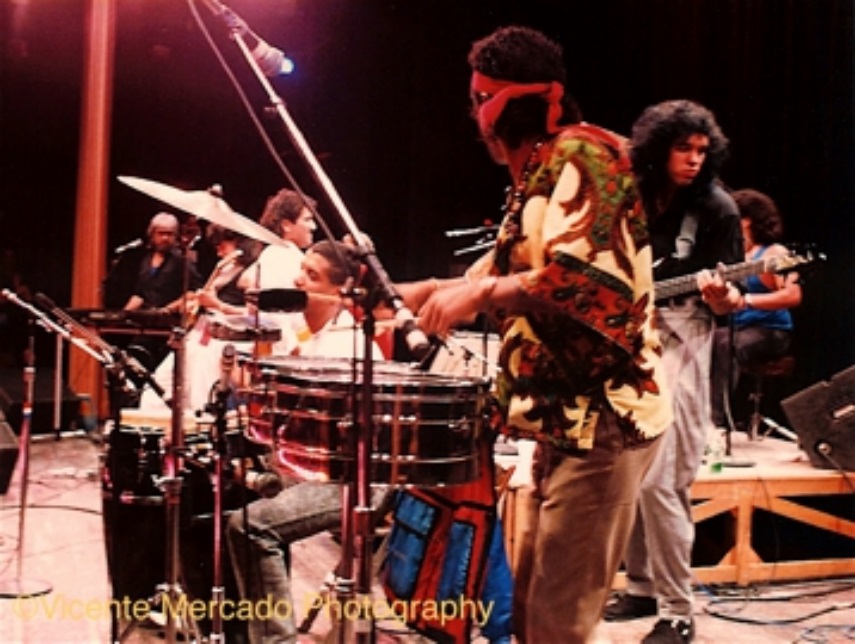
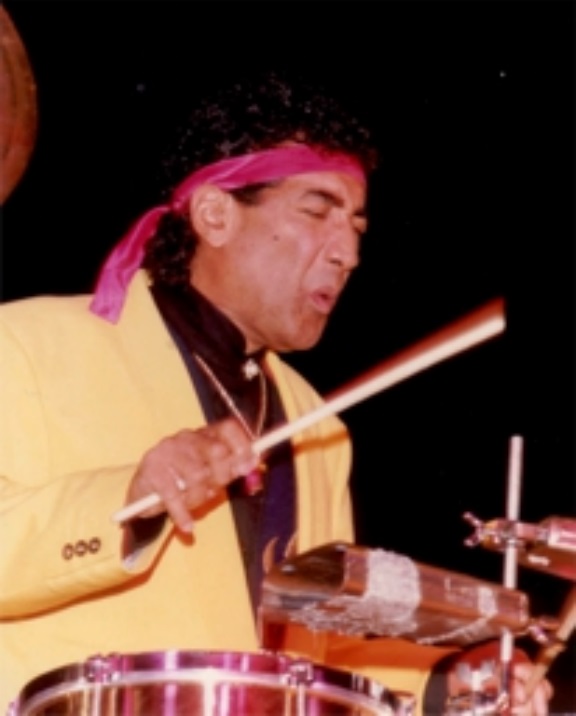
Rudy Regalado was a composer/ educator and one of the top Latin Rock Timbaleros based in the area of East Los Angeles, California during the 1970s and the second more famous Latin percussionist after Tito Puente. His legacy has been exceptional, 23 recorded albums, participated in big Festivals from USA and shared the best platforms with the best in the world. This artist was well known for his style, his contagious rhythm and eccentric presence.

Photo 1: Rudy Regalado

Rudy Regalado was a genuine and outstanding timbales maestro; he was inspired as a child by big bands Machito and Tito Rodriguez, who were two of favorites he became interested in playing music and the Timbales.

His beginnings in this instrument go back at the end of the 1950s. During that period as s teenager, he learned to play the drum and timbales in home town (Caracas-Venezuela). For 1963 and with desire to eat the world with his music he moved to Puerto Rico and started playing in hotels and clubs in the San Juan area with Julio y su combo, the first house bands he played with in Puerto Rico’s at Hotel Caribe Hilton. They were the backup house band for all the famous musicians that performed in the Island in 1965; at the same time he studied harmony and percussion at Pablo Casals Conservatory of music.

Photo 2: Rudy Regalado

A decade later the restless Venezuelan timbalero migrated to Southern California, where he joined playing with local jazz and Latin groups before joining with the extremely popular Latin Rock Band called El Chicano.

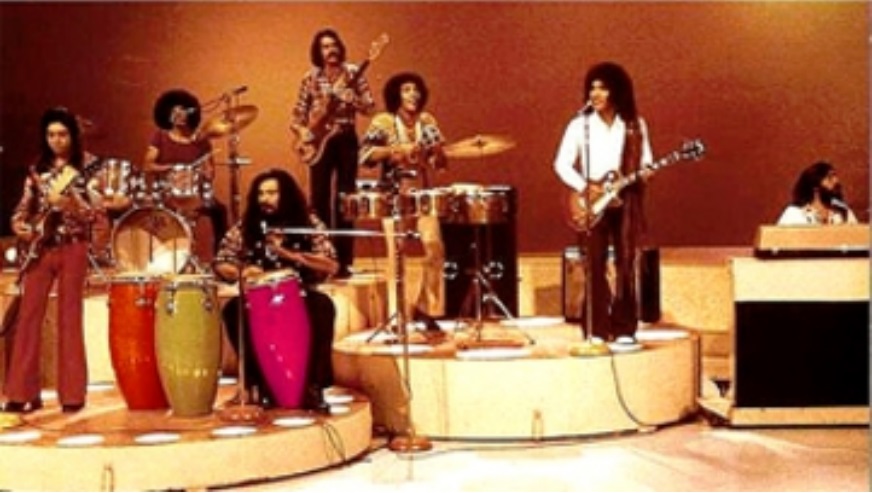
The timbalero of timbaleros spent twelve years with El Chicano, singing and playing the timbales in 5 albums, which was included in Top 40 hits during the 1970s with the songs “Viva Tirado” and “Tell Her She’s Lovely”. El Chicano also created the theme song for the television series Baretta, which ran on ABC from 1975 to 1978.

After, Rudy formed his own Latin Jazz All-Star / Salsa Band in 1983, which included a selected group of musician from Los Angeles. Initially known as Todos Estrellas, the band eventually became known as Chévere (aan expression of Venezuelan popular slang) and appeared at the PlayBoy Jazz Festival, Disneyland and Fiesta Broadway, among other engagements. The band also performed overseas in summer festivals in Canada, Hong Kong, Indonesia, Kuala Lumpur, Malaysia, Singapore, Thailand and throughout the European continent.

Photo 3: Rudy Regalado

As part of an El Chicano reunion in 2009, the Timbales maestro performed during the 40th anniversary of Woodstock festival at the Golden Gate Park Music Concourse in San Francisco, where the group actually celebrated their own 40th Anniversary, and last played with them at the Greek Theatre of Los Angeles in front of over a 100,000 screaming fans.

In addition, he participated in a variety of sessions with the Zawinul Syndicate, Quincy Jones, Alphonse Mouzon, Caravana Cubana.

Photo 4: Rudy Regalado

Rudy also toured with Aretha Franklin in charge of her percussion section, was a drummer for Los Melódicos in its 1980 tour of United States, and performed on the Tonight Show, the Nancy Wilson Show and American Bandstand. His film credits include The Skeleton Key (2005), as well as the television series Pepe Plata (1990) and Clubhouse (2004).

Héctor José Regalado better known as Rudy Regalado passed away on November 4th, 2010, in Las Vegas – Nevada, where he died from complications of pneumonia at the age of 67.

Photo 5: Rudy Regalado

Currently, his daughter Norka Tibisay Regalado founded in 2013, the Rudy Regalado Foundation. The goal of the foundation is to provide inner city music programs with instruments and financial support. “Let no child be left behind due to lack of funds”. In February, 2014, they donated over 2500 instruments and donated $2000.00 to help with cost for instructors. Her goal is to get financial support from big companies and the community in order to reach many more music programs; she is also working on bringing music programs inside children´s hospital to help the healing process to their mentally ill children and burned survivors.

Rudy Regalado will be forever remembered as one of the greatest Latin exponents of Salsa / Jazz sound of all time, undoubtedly, The Legend of Timbales (January 29, 1943 (Caracas – Venezuela) – Covember 4, 2010 (Las Vegas – Nevada).

Photo 6: Rudy Regalado

For additional information or to make a donation, please contac Norka Regalado at 323.270.8176 or go to website www.rudysfoundation.org/

ISM / October 2025

Left cover October 2025 Right cpver October 2025
SalsaApp Left SalsaApp Right
NA October 2025
LA October 2025
EU October 2025
AF October 2025
AS October 2025
OC October 2025
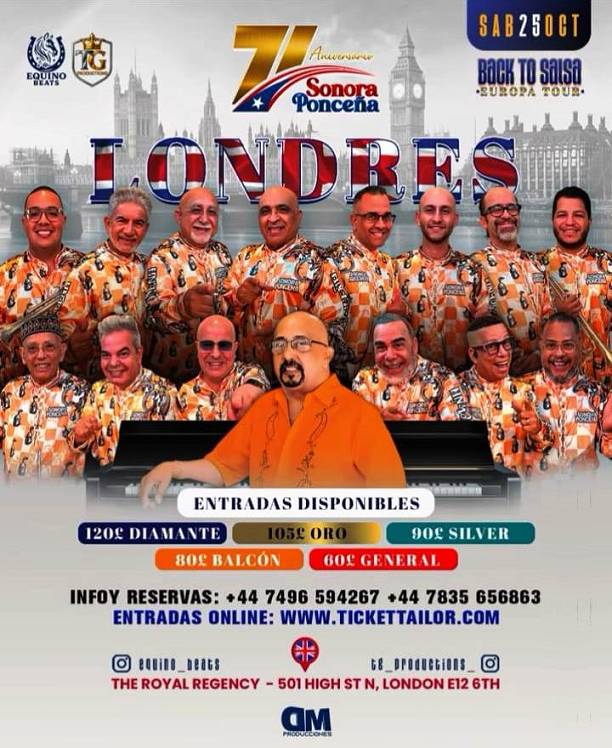
La Sonora Ponceña tour
Painter October 2025
“We are the Real Latin music world network”
Letter to the Editor Joint our team

[Read more…] about ISM / October 2025

North America / October 2025

Tito Puente Jr 2025William cepeda 2025

Alberto Gonzalez and Hector LavoeAnia Bartelmus 2025PBSCanto Tropical 2025Luis Medina 2025Thumbnail about the salsa museum

Las Maracas promo

Martinez attorney

Directory of North American nightclubs

Canada flag
CANADA

Ontario, Canada
ONTARIO

Canada, Vancouver
VANCOUVER

United States flag
UNITED STATES
California US circular flag

CALIFORNIA

Florida circle flag
FLORIDA
Illinois circle flag

ILLINOIS

Michigan Circle flag

MICHIGAN

NJ circle flag

NEW JERSEY

New York Cicle flaga

NEW YORK

Ohio State
OHIO

Pennsylvania Circle Flag
PENNSYLVANIA

tEXAS CIRCULAR FLAG
TEXAS

Virginia Cirular Flag
VIRGINIA

Washington DC circle flag
WASHINGTON DC


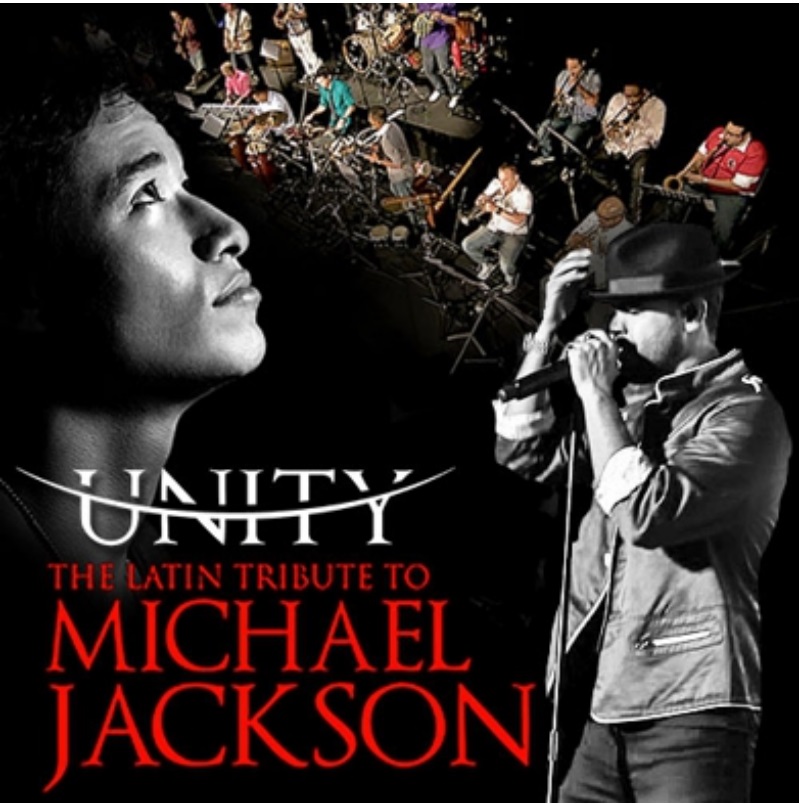
Unity, The Latin Tribute to Michael Jackson

North America / USA /

Unity, The Latin Tribute to Michael Jackson is a testament to the power of music and one man’s indomitable spirit. The passion project of Peruvian-born, Miami-raised producer / multi-instrumentalist / arranger Tony Succar, Unity features more than 100 musicians, such Latin superstars as Tito Nieves, Jon Secada and Obie Bermudez and the mixing magic of Jackson’s  legendary engineer Bruce Swedien in the first ever Latin album salute to The King of Pop.

Unity, The Latin Tribute to Michael Jackson

Fueled by his relentless commitment, quiet determination and passionate faith in the loving message behind much of Jackson’s music, Succar has spent the last four years carefully creating Unity: The Latin Tribute to Michael Jackson. He overcame seemingly insurmountable obstacles, turning each roadblock into a stepping stone to take the project to new heights. In the process, he married Jackson’s timeless pop and R&B tunes, such as “Thriller”, “Bilie Jean”, and “I Want You Back” to his glorious salsa and tropical rhythms, creating innovative, vibrant arrangements that snap to life with exhilarating energy.

“American funk, soul, jazz – all those styles that were influencing Michael – were inspired from African music”, Succar says. “Same with Afro – Peruvian music, Cuban music. These songs were meant to be. Their original flavor lends itself to these Latin rhythms”.

Succar, 28 grew up listening to his parents play Jackson’s music, and by 13 had begun his own music career. He started on piano and segued to percussion, graduating with a degree in jazz performance at Florida International University in 2008. But it wasn’t until after the superstar’s untimely passing in 2009 that Succar, who earned his Master’s in Jazz performance from FIU in 2010, took a deep dive into the music and the man.

Unity, The Latin Tribute to Michael Jackson - Flyers
Unity, The Latin Tribute to Michael Jackson – Flyers

“That’s when I became a fanatic, memorizing all his lyrics” he says. “He was an amazing singer. I started analyzing every single detail”.

As Succar pored through Jackson’s material, revisiting songs like “Man In the Mirror”, “Earth Song” and “They Don’t Care About Us” – all of which are reimagined on Unity – he came to a realization: “Michael wasn’t only a musician, he was a spiritual person. He was speaking to people’s hearts through his music. He was a true role model and leader, not only in the music industry, but life in general”, he says.

Concurrent with his discovery, Succar arranged a salsa-infused version of “Thriller” for a Halloween party at Miami’s legendary, now closed Van Dyke Café. The reaction was so immediate and overwhelmingly positive to the performance of this new arrangement, that Succar recorded a version in his bedroom with his band, posted in online and gave away copies. Djs started playing the track and Succar began getting requests from around the world for a full album of Latin – flavored Jackson songs. “That sparked it”, Succar says. “I was such a fan. I felt like I had to do something”.

Photo 1: Tony Succar

He launched a Kickstarter campaign and raided more than $10,000, which allowed him to record basic tracks and the idea and harmonious ideal of Unity was born. “The one thing that stood out in Michael’s usic was love. The reality was unity,” He says. “I also wanted the title to stand for something: a real marriage between Latin roots and American pop culture and to help keep Michael’s legacy alive”.

Part of keeping Jackson’s legacy alive meant incorporating elements of the original production in each of his fresh renditions for Unity. “Even the horn lines, I would transcribe them from Quincy Jones’ produtions and then apply them to the arrangement in a different way,” Succar says. “The essence of every song was respected. I gave it my best to create this very thin line between what Michael did with his production and what I brought to the project”.

As Succar proceeded, an astounding number of coincidences buoyed the project. Succar’s initial plan was to record the album with one vocalist, soulful Broadway veteran Kevin Ceballo, but as Succar finalized the arrangements, the idea of a compilation album cae to him. The first artist he reached out to was legendary salsa singer Nieves. He heard nothing back for months . Then, one day in the studio someone suggested Nieves fo “I Want You Back”. Succar explained he’d had no success contacting Nieves.

Photo 2: Tony Succar

It’s turned out a studio visitor knew Nieves, called his manager, sent Nieves an MP3, and within 10 minutes, Nieves was on the phone asking when he should come in to record his vocals.

Nieves became the project’s godfather, bringing in other Latin stars, such as India and Jean Rodriguez. “If it weren’t for Tito, I would never have been able to develop this into what it is, “Succar say. “He really opened the doors for me”. Nieves even brought in his son, Tito Nieves Jr. to duet on the album closer, an emotional take on “You are Not Alone”.

As the project progressed, Succar sought out Secada, but once again, was running into walls. He had switched to a different studio and the recording engineer just happened to have worked wih Secada and upon hearing Succar’s story, gave Succar the singer’s direct email. Secada immediately replied that he wanted to record “Human Nature,” his favorite Jackson track.

But there was more to come. Succar contacted Swedien about mixing some tracks, but failed to get a yes after more than a year’s effort. He met his engineer Nick Valentin through a mutual friend, who piped up that he’d been Swedien some music and next thing Succar knew, he’s sitting beside his hero at Swedien’s ranch as Swedien mixed “Earth Song” and “Smooth Criminal. “He was the cherry on top,” Succar says. “When we were mixing, he would put up the original Michael songs and put on our remixes to compare and contrast. He mixed the tracks on the same Harrison 32C model console he mixed ‘Thriller’ on”.

The groundbreaking album, a joint project between Universal Music Classics, Universal Music Latin Entertainment and Universal Music Mexico, embodies Jackson’s spirit of harmony and bringing diverse cultures together through music.

Members of Unity, The Latin Tribute to Michael Jackson

Where there once was nothing but a dream, Succar now sees unlimited possibilities. Not only will there be a tour to support Unity: The Latin Tribute to Michael Jackson, but he is considering future Unity projects that could salute the music of other timeless artist, such as the Beatles or the Bee Gees, filtered through a Latin musical lens. “Unity is going to become a movement,” he says. And given how far Succar’s come already, who could possibly doubt him?

Michael Jackson
Michael Jackson
  • « Go to Previous Page
  • Page 1
  • Interim pages omitted …
  • Page 11
  • Page 12
  • Page 13
  • Page 14
  • Page 15
  • Interim pages omitted …
  • Page 30
  • Go to Next Page »

International Salsa Magazine (ISM) is a monthly publication about Salsa activities around the world, that has been publishing since 2007. It is a world network of volunteers coordinated by ISM Magazine. We are working to strengthen all the events by working together.