• Skip to primary navigation
  • Skip to main content

International Salsa Magazine

  • HOME
  • Previous editions
    • 2026
      • ISM / August 2026
      • ISM / July 2026
      • ISM / June 2026
      • ISM / May 2026
      • ISM / April 2026
      • ISM / March 2026
      • ISM / February 2026
      • ISM / January 2026
    • 2025
      • ISM / December 2025
      • ISM / November 2025
      • ISM / October 2025
      • ISM / September 2025
      • ISM / August 2025
      • ISM / July 2025
      • ISM / June 2025
      • ISM / May2025
      • ISM / April 2025
      • ISM / March 2025
      • ISM / February 2025
      • ISM / January 2025
    • 2024
      • ISM / December 2024
      • ISM / November 2024
      • ISM / October 2024
      • ISM / September 2024
      • ISM / August 2024
      • ISM / July 2024
      • ISM / June 2024
      • ISM / May 2024
      • ISM / April 2024
      • ISM / March 2024
      • ISM / February 2024
      • ISM / January 2024
    • 2023
      • ISM / December 2023
      • ISM / November 2023
      • ISM / October 2023
      • ISM – September 2023
      • ISM – August 2023
      • ISM July 2023
      • ISM Edition June 2023
      • ISM – May 2023
      • ISM April 2023
      • ISM March 2023
      • ISM February 2023
      • ISM January 2023
    • 2022
      • ISM December 2022
      • ISM November 2022
      • ISM October 2022
      • ISM September 2022
      • ISM August 2022
      • ISM July 2022
      • ISM June 2022
      • ISM May 2022
      • ISM February 2022
      • ISM January 2022
    • 2021
      • ISM December 2021
      • ISM November 2021
      • ISM October – 2021
      • ISM September 2021
      • ISM August 2021
      • ISM July 2021
      • ISM May 2021
      • ISM April 2021
      • ISM June 2021
      • ISM March 2021
      • ISM February 2021
      • ISM January 2021
    • 2020
      • ISM December 2020
      • ISM November 2020
      • ISM October 2020
      • ISM September 2020
      • ISM August 2020
      • ISM July 2020
      • ISM June 2020
      • ISM May 2020
      • ISM April 2020
      • ISM March 2020
      • ISM February 2020
      • ISM January 2020
    • 2019
      • ISM December 2019
      • ISM November 2019
      • ISM October 2019
      • ISM Septembre 2019
      • ISM August 2019
      • ISM July 2019
      • ISM June 2019
      • ISM May 2019
      • ISM April 2019
      • ISM March 2019
      • ISM February 2019
      • ISM January 2019
    • 2018
      • ISM December 2018
      • ISM November 2018
      • ISM October 2018
      • ISM September 2018
      • ISM August 2018
      • ISM July 2018
      • ISM June 2018
      • ISM May 2018
      • ISM April 2018
      • ISM March 2018
      • ISM February 2018
      • ISM January 2018
    • 2017
      • ISM December 2017
      • ISM November 2017
      • ISM October 2017
      • ISM September 2017
      • ISM August 2017
      • ISM July 2017
      • ISM June 2017
      • ISM May 2017
      • ISM April 2017
      • ISM March 2017
      • ISM February 2017
      • ISM January 2017
    • 2016
      • ISM December 2016
      • ISM November 2016
      • ISM October 2016
      • ISM September 2016
  • Spanish
  • Download Salsa App
    • Android
    • Apple

Search Results for: Oscar D'Leon

Katie Renati and Karina García talk to Founding President of Tempo Latino Eric Duffau

Founding President of Tempo Latino

Interview conducted in August 2026, a few days after the 2026 edition of Tempo Latino

Since our last interview in 2023, how have you been? And what are you doing these days outside Tempo Latino?

I have been retired since 2022. I am still very involved with Tempo, but aside from that, I am spending more time at home and with my partner. We do a lot of walking, and I do a little exercise on Tuesday evenings – except during the summer. I also do a great deal of work around the house.

I have two family properties that I am taking care of with a view to selling them. So, in the end, I am still quite busy!

What led you to hand over the presidency of the association?

At one point, I was extremely tired because of my work. I experienced what you might call burnout. I
recovered, but I also had many other things to deal with, and I had become tired of all the demands involved, particularly dealing with elected officials and trying to secure funding.

However, I retained artistic direction of the entire festival, both the official and fringe programs, as well as responsibility for finding partnerships. I am also heavily involved in communications, working with the young interns we take on: visual materials, promotional materials, press and media relations. So I still have plenty to do!

The 2026 edition has just ended. What is your assessment?

There were many unexpected difficulties throughout the year and many things that had to be reconsidered. But musically and artistically, it was very, very successful. The artists were genuinely committed. We had some major travel problems, but everyone came.

Attendance, however, was very disappointing. We received the results yesterday evening during a meeting, and we are down by more than 2,000 – perhaps 2,500 – paid admissions.

The paid events take place mainly in the Tempo Arena, with an average ticket price of around 40 euros,
taking into account the different prices and the three- and four-day passes. In the end, we will therefore be facing a significant financial shortfall.

Eric at Tempo
Eric Duffau at Tempo Latino this year

How do you explain the decline in attendance?

I do not know. Perhaps the program was less appealing.

However, when we began selling tickets in December, before even announcing the program, sales of three- and four-day passes were clearly up.

We then announced the lineup gradually, one evening at a time. I had already booked almost everything, but not every appearance had been confirmed and signed. Until a contract is signed, I do not like announcing an artist, because it can create problems later.

Sales continued to increase steadily, in small increments, but we never experienced the kind of surge we
have seen in some previous years.

There is also a difficult broader context in France. I learned that several festivals, including some much larger than Tempo Latino, also experienced serious attendance problems.

Fuel prices may have played a role. Around Bordeaux, approximately 180 kilometers from here, there were major wildfires. We also experienced repeated heat waves, with extremely high temperatures, and we clearly saw that people were traveling less.

There are therefore many possible factors. Perhaps the program was less attractive as well. I am not looking for excuses. But I will not hide it: it is disappointing. Personally, I am disappointed.

Which artists particularly stood out during this edition?

When I create a program, I first try to establish two or three anchor points, and then I build each evening
around those artists.

One of my first anchor points this year was the Brazilian artist Rogê, whom I had already invited last year for a small concert in the church. He now lives in Los Angeles. This year, I scheduled him for Saturday evening.

I had also booked Alfredo Rodríguez, who lives in Miami and is fairly well known in France because he performs at many jazz festivals around the world. Pedrito Martínez was among the musicians appearing with him. It was a very effective quintet.

I also programmed Orquesta Akokán, and then built the rest of the lineup around those artists.

They were strong names. Rogê as well, although we have not traditionally programmed much Brazilian
music. For the past three or four years, I have been trying to include more of it, but it is rather difficult in
France, particularly here in the southwest.

After Alfredo Rodríguez, I programmed Tony Succar’s latest project, which he came to present before it had even been recorded. There was also a tribute to Celia Cruz, with his mother, Mimy Succar, performing several songs.

I try to structure each evening so that the energy rises progressively.

On Saturday, we also had Matt Bianco as the opening act. It is a group known since the 1980s, with bossa nova, samba and pop influences. Attendance that evening was fairly close to what we have seen on
Saturdays in previous years – around 200 fewer admissions, but not a collapse.

Where we saw a major decline was primarily on Friday and Sunday.

Thursday is a somewhat separate opening-night event for Tempo Latino, held at a venue called La Conga
behind the arena. I had programmed the Argentine artist La Yegros, and we exceeded 1,000 admissions.

For the concert traditionally held in the church on Sunday afternoon, we presented Yilian Cañizares as a trio. We had more than 500 people in a venue with a capacity of 550. It was almost sold out, so we could hardly have done better.

But the rest did not take off.
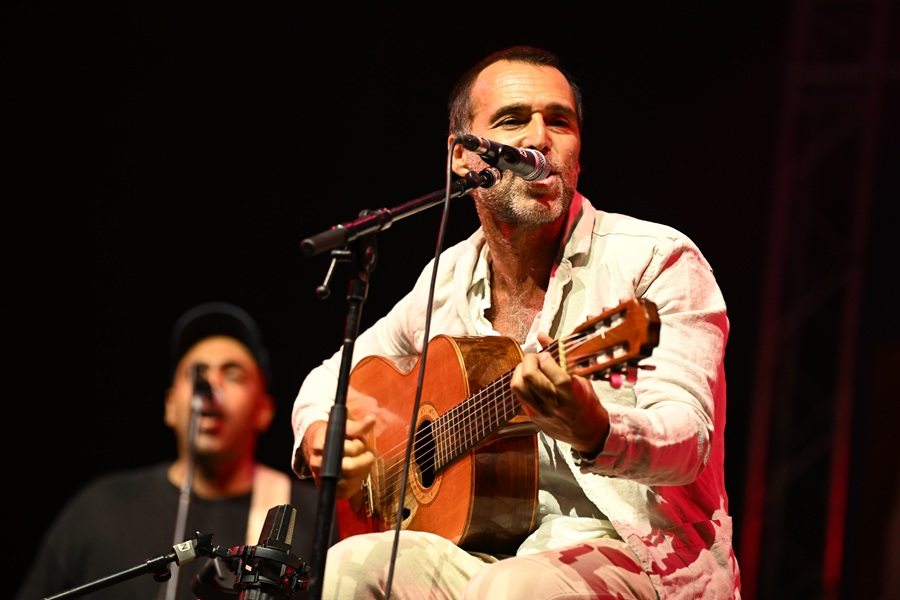
Rogê at Tempo
Rogê at Tempo Latino in 2026

You also mentioned a change in the public’s relationship with live music and dance.

Yes. There may have been slightly fewer people around the festival itself, but down in the town, cafés have DJs everywhere. Everything is free, and there are huge numbers of dancers.

Many people come only to dance and do not attend the festival’s concerts. For us, that is a genuine problem.

There are several different audiences. I obviously have nothing against dancers. Some people enjoy both
dancing and listening to artists in concert. But others listen to music mainly in order to dance and do not
attend live performances.

Tempo Latino exists first and foremost for concerts. That is also what enables the festival to survive.

We organize dance workshops ourselves, with a particular artistic direction. In my view, dance should also have refinement and elegance. That is a personal perspective, of course.

Above all, however, one very simple point needs to be understood: to dance, you need music. For music to exist, you need musicians. And for musicians to make a living from their profession, their work must be supported.

Records are barely selling anymore, so people also need to attend concerts. That is part of the arrangement, and it is a question of respect.

Personally, I have a Spotify subscription, but I still buy albums. And when I attend a concert, I pay for my ticket. That is also a way of supporting artists.

People need to decide what they want. If we want films to continue being produced and actors to continue working, we need to go to the cinema. The cinema is not free. Classical music is not free either. So why should this music be free?

We also have DJs at night and free concerts during the day. But part of the festival requires paid admission. The equation is very simple.

How do you discover new talent, and how do you select the artists you program?

I receive an enormous number of proposals, either directly from orchestras or from agencies and producers. I also look among artists I have loved for many years and would like to invite.

But whenever someone sends me something, I listen. I listen to everything.

Sometimes I will look for or order an album so that I can explore the artist’s work more deeply. I examine the artist’s career. On the other hand, I do not look at follower counts. I do not care about that. I do not need other people’s opinions or comments to know whether the music interests me.

When I do not know an artist well, I may listen to five or six albums, sometimes more.

This year, together with Léa and Maël, two interns we welcomed at Tempo, we also tried to introduce the
artists more effectively, including already established musicians such as Alfredo Rodríguez.

With the agencies’ approval, we created musical career overviews for social media, featuring five, six or eight albums that traced an artist’s development. I prepared the texts and selected the tracks to encourage the public to discover the artist’s world.

Despite all that, sales did not take off.

I am not trying to make excuses. When I see that attendance is low, I am the first person to feel hurt by it. I take responsibility for it.

There is so much work throughout the year that it is inevitably painful.

What is frustrating is that I know there are three, four or sometimes five times as many people outside the paid festival area as there are inside the concerts.

And our prices are not high when compared with those of other festivals.

If the only future is to organize DJ events and activities exclusively centered on dancing, I personally will no longer do it. That would not stop me from continuing to listen to and love the artists.
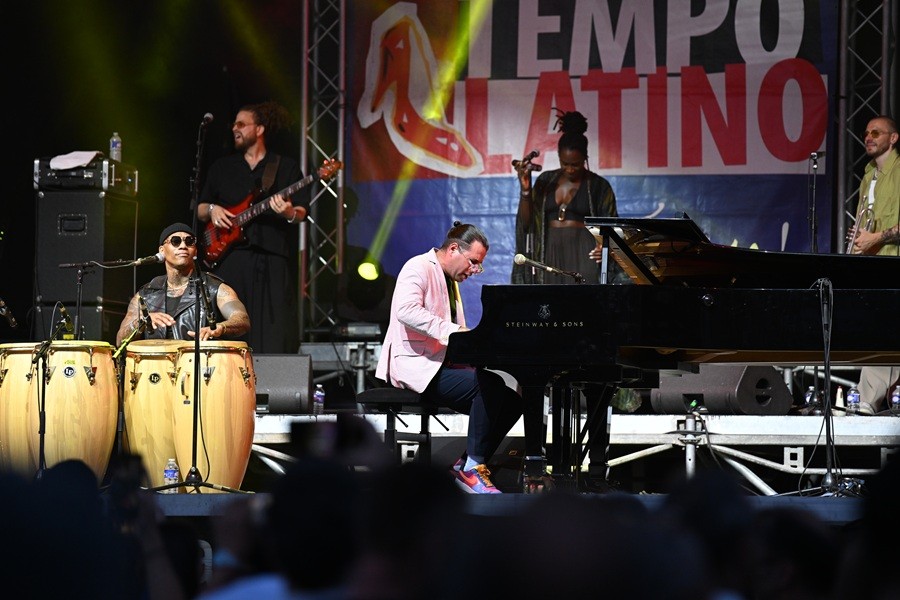
Alfredo Rodriguez at Tempo
Alfredo Rodriguez at Tempo Latino in 2026

Looking ahead to 2027, 2028 and beyond, which artists would you still dream of welcoming to Tempo Latino?

There are artists I have dreamed of presenting for a very long time, but we simply do not have the financial resources to bring them.

Obviously, my greatest dream has always been Carlos Santana.

The first vinyl album I ever bought, when I was 13 – and I will soon be 69 – was a Carlos Santana album.

My partner and I had the privilege of meeting him in 2018 at a festival in Albi. Friends had arranged it as a surprise for me. Thanks to the festival director, I was able to go backstage and speak with Santana.

I introduced myself and showed him what Tempo Latino was, the history of the festival and all the artists we had presented. He genuinely listened to me.

I was like a child meeting Santa Claus!

I told him I owned 38 of his albums. He looked at the festival’s history, and when he saw Israel López
“Cachao,” Celia Cruz, Cheo Feliciano, Bobby Valentín, Eddie Palmieri, Compay Segundo and all the others, he said, “Wow!”

I explained that Tempo Latino was probably the only festival in Europe to have done all of that around this music.

He told me to speak with his manager. I explained the project to the tour manager and gave him documents and photographs, but I never received a response.

Later, I contacted a Paris agency that represented Carlos Santana and with which we had already worked
when we presented Bernard Lavilliers. They explained that we would need a capacity of approximately 10,000 people, while our capacity is 7,500, and above all that the cost would be extremely high.

Santana alone would represent almost twice our entire artistic budget. It is therefore impossible unless he were to offer us truly exceptional terms!

But we always keep trying.

I would also very much like to bring back Oscar D’León. We have presented him here six times. It is a long friendship, and I am deeply attached to him. I would really like him to return one final time before he stops singing or touring.

There are obviously many other artists. Some people tell me that we should bring Bad Bunny to Tempo.
Well, we can forget that! I think he is very talented, but that is not necessarily the direction I want for the
festival.

How do you see Tempo Latino evolving after this edition and in response to
changing public tastes?

I think many programmers in my position would say, “I know exactly what needs to be done. I will book this artist or that artist.”

I am not like that. I do not hide my feelings. I am being honest: today, I am rather pessimistic – perhaps even very pessimistic.

That does not mean I no longer want to continue. But I realize that the artistic direction we have chosen is not easy to develop today.

I proposed this festival 33 years ago, in September 1993. I arrived with my records so that people could hear the music, and I said, “This is what I want to create a festival around.”

Mambo, cha-cha-cha, salsa, Brazilian music, Latin jazz. At the time, it almost frightened people.

I wanted to create a festival for these artists, because no festival truly existed for these musical traditions as such.

I consulted many very well-known journalists in France – from the print media, Libération, France Inter and elsewhere. They all agreed that such a festival did not exist.

We also have a partner, Radio Gladys Palmera in Spain, which holds an exceptional collection of Latin music and jazz. They have always told me the same thing: a festival like this did not exist.

Today, there are many more, and that is a good thing. It means that this musical world has grown richer. But the fact that things have evolved does not mean that we should do just anything.

This festival exists for the artists we love, whether they come from Caracas, San Francisco, the Caribbean, Africa or elsewhere. We have welcomed artists from Senegal, Japan, Great Britain, northern Europe and many other places – around 30 countries in total – performing Afro-Cuban and Latin music.

Today, it is extremely difficult for us, and I do not know whether we will be able to survive. I am not at all
certain.

Perhaps we need patrons, including international patrons, or people in France who genuinely want to help us preserve and develop this project. At present, we have none.

We would also need certain artists to want to appear here under financial conditions that we can afford.

This is the project that matters to me. I have never earned money from Tempo Latino, and I never will. On the contrary, I have spent a great deal of my own money, particularly on travel, and some of my friends have done the same.

Orquesta Akokan at tempo
Orquesta Akokan at Tempo Latino in 2026

I did all of this to meet people.

Artists, agents, technicians, journalists and people who are not artists – people I would never otherwise have met in my life.

That is what has enriched me.

This human dimension clearly remains fundamental to you.

Yes. This year, for example, we had two dance teachers serving as festival patrons.

One is Cuban, originally from Santa Clara, and has lived in France for many years. The other, Timbo
Washington, is from São Paulo. My partner and I had met him a year and a half or two years earlier during a Brazilian evening at L’Ermitage in Paris.

I selected both of them as festival patrons.

For us, a patron is a symbol. At some point, these two men left their countries, their cities, their
neighborhoods and their families. They came to France to make a living from their abilities and talents,
teaching dance and, in Timbo’s case, also working as a choreographer.

This year, the entire audience discovered them. They presented performances and gave something
tremendous back to us, emotionally and socially.

That is also what I want to show: these journeys, these differences and these encounters.

That is why I created Tempo Latino.

After 33 years, do you still have the energy to continue?

I am tired.

For the past week, I have slept very little. When you encounter difficulties like the ones we are currently
experiencing, it is not easy.

We have two year-round employees who are extremely worried. I spent an entire lunch with them today
trying to reassure them. They too care deeply about the festival continuing.

The determination and energy are still there. But today, the problem will be financial.

What message would you like to give readers of International Salsa Magazine and, more broadly, music lovers and professionals?

I would like professionals – journalists, media organizations and everyone who writes about this music – to use their influence and arguments to remind people that music, like culture, requires commitment.

Today, there are major festivals organized by cities where everything is free. But why is it free? Someone is always paying. Frequently, public funding from local governments pays for these events.

The work of artists is not free. Neither is the work of technicians. The work of the media and of the people responsible for communications also has a cost. People need to be able to make a living from their work.

We therefore need to restore value to the act of purchasing culture, whatever form it takes: theater, dance, singing, music, concerts – or sport.

I do not see myself as an activist. What I am saying is very simple: we must encourage people to attend concerts.

When I pay 40 dollars or 40 euros to attend a concert, I know what I am supporting. I am contributing to
something so that it can continue.

It is as simple as that.
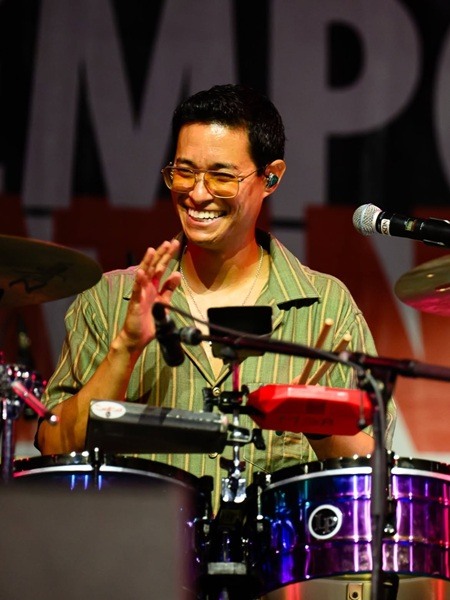
Tonny Succar at Tempo
Tony Succar at Tempo Latino in 2026

You mentioned Oscar D’León. Your history together illustrates the human dimension of Tempo Latino.

Yes. Oscar is a very long story.

We have presented him six times. One year, following a cancellation caused by a storm in 1996, I promised that if we were able to recover the money through insurance, I would invite him back the following year.

In 1997, he returned.

I went to greet him as he stepped off the bus, and I thanked him for coming back. He replied, “No, you are not the one who should thank us. I should thank you. You are a man of your word, and that is the most important thing for us.”

His manager at the time, Osvaldo Ponte, who has unfortunately since passed away, was an extraordinary
person.

Before the concert, Osvaldo asked whether he could say a few words to the audience. It is unusual for a
manager to speak onstage, but of course I agreed.

He spoke about what Tempo Latino was doing for their culture and for salsa artists from Caracas, New York and elsewhere. He was the one who thanked us.

Oscar then performed for three and a half hours! We eventually had to stop him.

After the concert, I was sitting with Oscar and a journalist from the Caribbean, Patrice Gonfier. We were
discussing the future, and without having planned anything, I jokingly said to Oscar, “And what about Celia?”

He replied, “You want Celia?”

I said, “You know very well that she is our queen!”

He told me to speak with his agent, Ettore Caretta. The agent explained it very simply: “You know what you paid for Oscar? Celia is twice that amount.”

I replied, “We will see.”

The following year, Oscar D’León and Celia Cruz were on the Tempo Latino stage, with Celia’s husband conducting the orchestra.

It was extraordinary.

To welcome Celia onto the stage, I had arranged for 15 or 20 children to stand on either side, each holding a different flower. My son was among them; he was four or five years old.

When Celia saw all the children, she asked me, “Is all this for me?”

I replied, “Yes, Celia, of course it is for you.”

She asked me why. I reminded her that before becoming a singer, she had wanted to be a schoolteacher.
She looked at me and said, “How do you know that?”

I explained that I had read it somewhere and that the children of Vic-Fezensac were there to welcome her.

She had tears in her eyes.

These are only small details, small touches, but that is what I love doing. It is something different.
I had a similar experience with Israel López “Cachao.” His wife was always beside him. I therefore decided to introduce them to the audience together.

These human connections are what matter.

That is Tempo Latino.

Today, there is only one thing I can say: spread the word.

Thank you for taking an interest in what we do. I hope we will be able to continue welcoming you.

Read also: Enjoy the Tempo Latino 31st edition with the best of Latin music in Europe

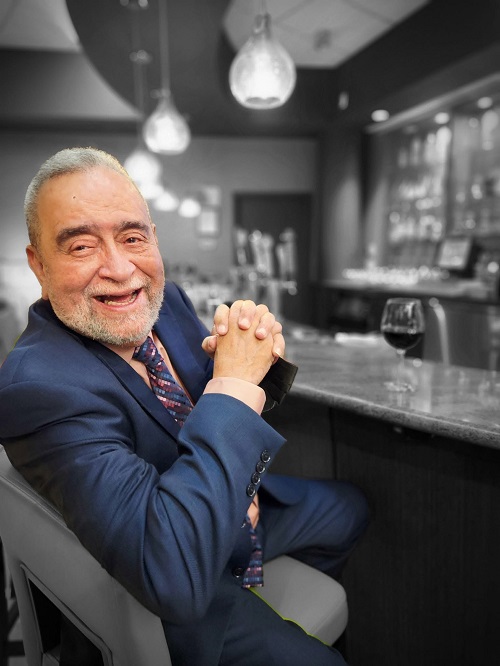
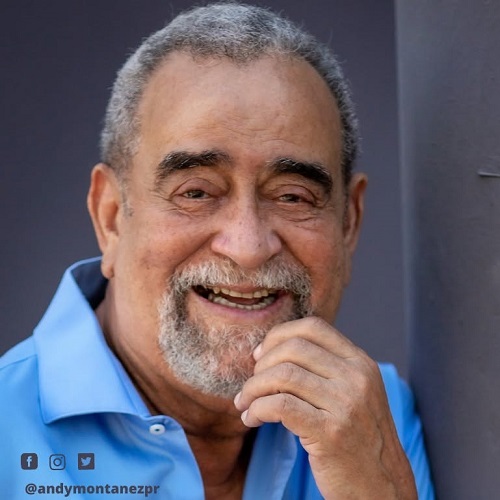
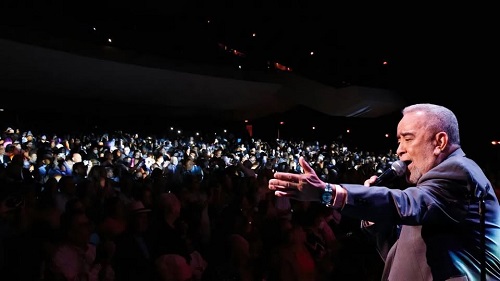
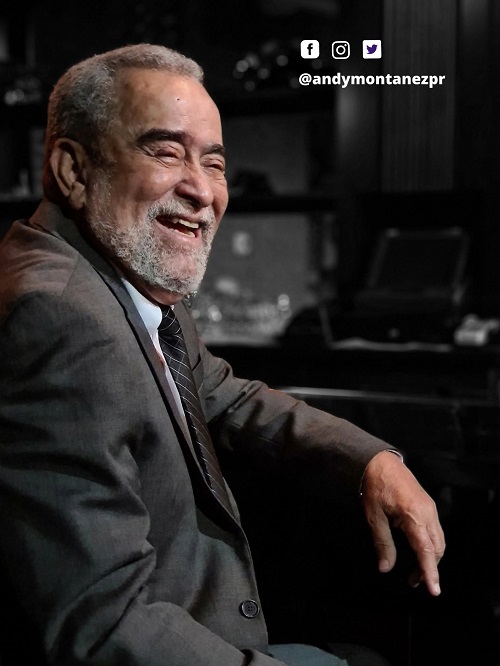
Andy Montañez “El Niño de Trastalleres” His Eternal Voice and Generational Legacy

From the Streets of Santurce to the Pinnacle of the Global Salsa Movement.

The history of Latin music cannot be written without dedicating a chapter of honor to Andrés Montañez Rodríguez, known universally as Andy Montañez.

Born on May 7, 1942, in the working-class neighborhood of Trastalleres in Santurce, Puerto Rico, Andy didn’t just become one of the most prodigious and charismatic voices in the genre he also became a fundamental pillar in bringing salsa to international acclaim and preserving its legacy.

Andy Montañez El Niño de Trastalleres

Growing up in a humble environment rich with musical nuance shaped his artistic sensitivity from a young age. Influenced by the boleros of the era, música jíbara (Puerto Rican folk music), and the Afro-Caribbean rhythms echoing from every corner of his neighborhood, young Andrés quickly proved to have a powerful, pitch-perfect baritone voice packed with an incomparable emotional quality. However, no one could have imagined that the boy from Trastalleres would ultimately become a living legend of Caribbean music.

The Golden Era with El Gran Combo de Puerto Rico (1962–1977)

His definitive leap into professional music came in 1962. Following the breakup of Cortijo y su Combo, Rafael Ithier founded El Gran Combo de Puerto Rico and recruited Andy Montañez as a lead vocalist alongside Pellín Rodríguez. This vocal duo became the driving engine that propelled the group toward resounding success for fifteen years.

Together with “La Universidad de la Salsa” (The University of Salsa), Andy immortalized tropical music classics that remain alive in the collective memory of dancers to this day. Tracks like “Las Hojas Secas,” “Julia,” “Un Verano en Nueva York,” “El Barbero Loco,” “Vagabundo,” and “Un Alma Buena” not only dominated radio charts across Latin America, but also defined the sound of salsa throughout the 1970s.

Su Voz Eterna y su legado transciende en generaciones.

Key Milestone in His Career:

Andy Montañez’s time with the Puerto Rico All Stars represents a brilliant chapter in the history of salsa boricua. Conceived in the mid-1970s under the leadership and vision of trombonist and producer Frankie Gregory, the supergroup was born as Puerto Rico’s answer to the New York Fania All-Stars phenomenon, bringing together the island’s elite instrumentalists, arrangers, and vocalists.

“His participation in the Puerto Rico All Stars not only reaffirmed the group’s musical patriotism, but also served as a bridge to sonic maturity just before he went on to establish his own orchestra in 1980.”

For true connoisseurs and collectors of salsa dura, the presence of “El Niño de Trastalleres” in the Puerto Rico All Stars left an indelible mark, proving that his voice fit just as seamlessly into a charanga or combo format as it did into the technical rigor of a big band or all-star super-orchestra.

Andy Nacido el 7 de mayo de 1942 en el populoso barrio de Trastalleres, en Santurce, Puerto Rico

His ability to transition from a rhythmic guaguancó to a romantic bolero with equal mastery solidified the foundation of his popularity.

La Dimensión Latina and International Consolidation:

In 1977, Andy Montañez made one of the riskiest and most talked-about decisions of his career: leaving El Gran Combo to move to Caracas and join La Dimensión Latina, filling the shoes left by Oscar D’León.

Although the challenge was daunting given the massive void left by the departure of the “Sonero del Mundo,” Montañez showcased his versatility and profound respect for the clave.

In Venezuela, he built a brilliant era, recording timeless hits such as “El Eco de un Tambor,” “Son de la Loma,” “Cantares,” and “Pan de Piquito.”

His tenure with La Dimensión Latina reaffirmed his status as a premier vocalist and further strengthened his emotional bond with the Venezuelan public, where he became a beloved cultural icon.

Solo Career and New Sound Fusions:

In the early 1980s, Andy returned to his homeland to launch his solo career, backed by his own orchestra and collaborating consistently with top-tier arrangers.

During this period, he managed to stay at the top of the romantic and sensual salsa scene without losing the gritty street groove and authentic Caribbean sabrosura.

Memorable anthems that defined generations emerged from this era, including:

  • “Casi Te Envidio”
  • “Payaso”
  • “Cobarde, Cobarde”
  • “Me Gusta”
  • “Milonga para una Mirada”

True to his restless creative spirit, Andy never hesitated to experiment. Throughout the 1990s and 2000s, he explored musical fusions by incorporating elements of traditional bolero alongside Trío Los Andinos, as well as venturing into reggaeton and urban rhythms with young Puerto Rican artists like Daddy Yankee and Julio Voltio. This open-minded approach allowed him to connect with new generations of listeners without ever betraying his salsa roots.

Legacy, Cultural Impact, and the Stamp of “El Niño de Trastalleres”:

Andy Montañez’s legacy extends far beyond his discography; he represents a symbol of Caribbean identity and pride.

Andy dice Gracias Puerto Rico

His talent has been recognized with numerous global awards, including the prestigious Latin Grammy Lifetime Achievement Award in 2006 (for his album AM/PM Línea Directa alongside Cuban singer-songwriter Pablo Milanés), underscoring his ability to build bridges between salsa, trova, and the singer-songwriter tradition.

Beyond his flawless vocal range and undeniable stage presence, what truly sets Andy Montañez apart is his human warmth, genuine charisma, and the grounded humility he has always maintained.

Despite performing on the world’s grandest stages, he has never forgotten where he came from he will always proudly be “El Niño de Trastalleres.”

Andy Montañez de las Calles de Santurce a la Cúspide del Movimiento Salsero Mundial

His voice remains a guiding light and an essential reference point for soneros everywhere who seek to master the art of singing with heart, rhythm, and authentic Caribbean soul.

Read Also: El Mulato Mayor Jerry Rivas and His Half-Century Legacy with El Gran Combo de Puerto Rico

Angie Machado, “El Colorao” The Trumpeter’s Trumpeter and a Living Musical Legend

A legacy carved in brass and talent.

The history of Latin music especially Salsa and Afro-Cuban Jazz could never be written without mentioning the bright, precise, and melodic tone of a trumpet that has shaped the course of countless hit records.

Angie Machado Un legado tallado en bronce y talento

That signature sound belongs to one man: Ángel Vicente Machado Santiago, known universally throughout the artistic community as Angie Machado.

On June 23, 2026, the music world dressed to the nines to celebrate the birthday of this titan. Born in 1954 in the picturesque municipality of Arroyo, Puerto Rico, Angie Machado has not only witnessed the evolution of tropical music over the last five decades; he has been one of its foundational architects.

His career stands as living proof that musical genius, when cultivated with rigorous discipline, transcends passing trends and becomes legendary.

The Forging of a Virtuoso

His path to excellence was no accident. From a very young age, Angie understood that a natural gift for music required a solid vehicle for expression. His formal training began at the prestigious Escuela Libre de Música, a breeding ground for talent in Puerto Rico, where he developed the foundational skills to understand the language of brass and wind instruments.

Later, he made the leap to the Conservatory a space where, beyond musical theory, he absorbed a philosophy of life: discipline as the only route to mastery.

Angie Machado y Dj Andy Rodriguez

Under the tutelage of rigorous maestros and fueling his growth by analytically listening to history’s greatest trumpet virtuosos, Machado understood that music is not just played; it is studied, reflected upon, and felt deeply.

Those grueling hours of constant practice, where the sound of his trumpet filled every corner, became the bedrock of the “old school” style that distinguishes him today.

That school didn’t just teach notes; it taught phrasing, style, respect for the arrangement, and, above all, the intuition to know when the trumpet should lead and when it should elegantly embrace the melody.

The Trumpet That Defined an Era To speak of Angie Machado is to speak of the history of Salsa itself. His talent was never confined to classrooms or local bands; he rapidly became an indispensable session musician.

If you look at the liner notes of the most iconic albums that defined the “Golden Era” of Salsa, you are almost guaranteed to find his name in the credits.

Dj Augusto Felibertt y Angie Machado

His ability to adapt to diverse styles from the required grit in Willie Rosario’s orchestra or the explosiveness of Tommy Olivencia, to the subtle elegance demanded by Gilberto Santa Rosa or the unmatched swing of Bobby Valentín positioned him as the most sought-after trumpet player in the industry.

The roster of icons with whom he has shared the stage and the studio is, quite simply, staggering. He has been the musical partner-in-crime to Cheo Feliciano, the soul of Frankie Ruiz’s recordings, the technical and creative backbone for Eddie Palmieri, and a brother-in-arms to Oscar D’León.

His trumpet has traveled the world, backing maestros like Justo Betancourt, Andy Montañez, Lalo Rodríguez, Paquito Guzmán, and Viti Ruiz, as well as a powerhouse of artists ranging from traditional sounds to contemporary fusions, including Luis Enrique and Alex León.

A Living Legend What makes Angie Machado a truly singular figure is not just his résumé, but his enduring relevance. In an industry in constant flux, he has preserved the absolute integrity of his sound.

His “privileged old-school” pedigree doesn’t mean he is stuck in the past; it means he possesses a technical foundation so robust that it allows him to collaborate seamlessly with any generation of musicians.

To those who know him, Angie is not just the trumpet player who can nail a recording session in minutes with breathtaking precision; he is a silent mentor a man who has watched the decades roll by while maintaining the same humility and love for the instrument he had when he first started out in Arroyo.

As we celebrate another year of his life, we are not just celebrating an exceptional musician; we are honoring a living piece of our cultural heritage.

Angie Machado reminds us that behind every great song that has made us dance or cry, there is a human being whose dedication and discipline have turned the brass of a trumpet into pure poetry.

Also Read: The King of Bass Mr. Bobby Valentin

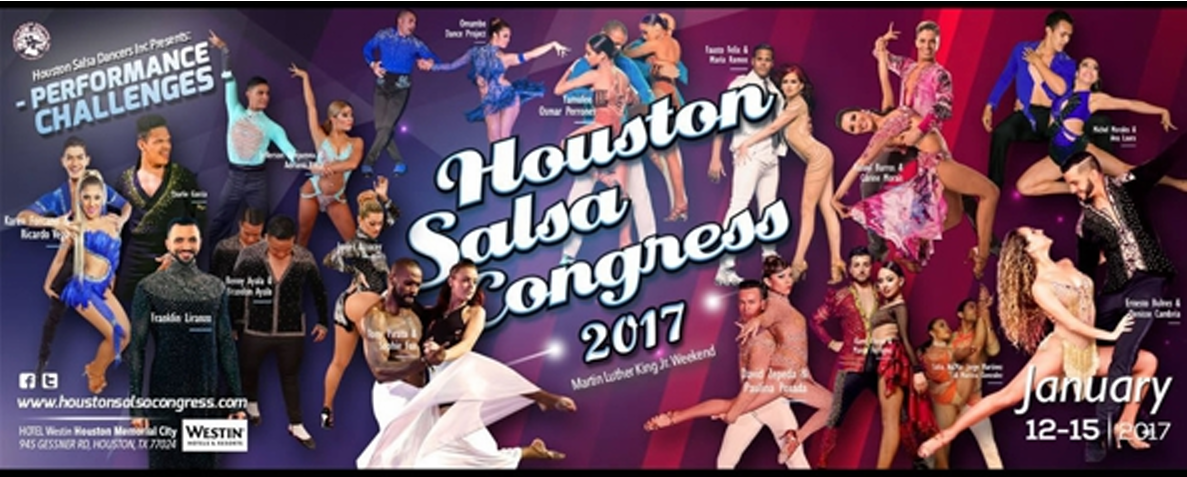
Houston Salsa Congress 2017

North America /  USA / Texas

In 2000, Houston Salsa Dancers, Inc. hosted the first Congress of its kind in the City of Houston. Today, the Houston Salsa Congress continues to highlight the beauty, creativity, and culture of Latin dance and music with our featured performing artists and musical artists.

Houston Salsa Congres 2017

HOUSTON SALSA CONGRESS 2017

Houston Salsa Dancers, Inc. is officially recognized as a nonprofit corporation who hosts the LARGEST Salsa Socials in Houston every month raising funds for the annual HSD, Inc. Scholarship Program. Through this program, HSD has helped dozens of students from the Houston area by awarding a cumulative total of over $25,000 in scholarships.

Scholarships are awarded annually at the LARGEST Salsa event in the South, the Houston Salsa Congress, every Martin Luther King, Jr weekend.

The Houston Salsa Congress has become a must-attend event for many dancers and performers. Being the first non-profit Congress, the HSD Board Members are always innovating and changing how Congresses are managed setting the bar high for other events to follow the remainder of the year. The Congress consist of performances by only the best in Salsa and other dances, weekend workshops to help dancers improve their skills, and some of the best social dancing in the world!

Houston Salsa Congress 2017

Another way HSD is stepping above the rest is through its event called “Bailando Hacia La Universidad (“Dancing Your Way to College”)” which was designed to educate High School students on attending college and college admission. (We bring in guests speakers and end it with a special performance… Example agenda: http://www.houstonsalsacongress.com/schedule_collegeday.php).

Houston Salsa Dancers, Inc. also hosts the “SalsaDURA Saturday” social every 1st Saturday every month. SalsaDURA is also called the mini-Congress of the South attracting dancers and performers from all around the world. This monthly event helps fund the Scholarship fund along with the Houston Salsa Congress event.

BANDS

JOSÉ ALBERTO “EL CANARIO”

José Alberto Justiniano (born December 22, 1958 in Villa Consuelo district, Santo Domingo, Dominican Republic), better known by his stage name José Alberto “El Canario” is a Dominican salsa singer. José Alberto moved to Puerto Rico with his family at the age of 7, and inspired by Latin music went on to polish his singing at Las Antillas Military Academy. He relocated to New York in the early 1970s and sang with several orchestras. He received international attention as the bandleader of Tipica 73 in October 1977.

José Alberto started his own band in 1983, and became a major Latin star after the release of his 1984 debut Noches Calientes. His 1991 album Dance With Me, which established a new style of salsa called salsa romántica. He has sung hit songs such as “Sueño Contigo” His voice was widely adored by his fans, and his exceptional whistling abilities (being able to improvise as if he was playing a traverse flute) led them to give him the nickname El Canario (The Canary).

JOSÉ ALBERTO "EL CANARIO"
JOSÉ ALBERTO “EL CANARIO”

El Canario has enjoyed success in the United States and Europe, but especially throughout Latin America, including in his native Dominican Republic, Puerto Rico, Peru, Venezuela, Panama, and Ecuador. El Canario in 1999 also was part of the biggest Latin American festival in Australian history at The Bacardi Darling Harbor Latin American Festival in Sydney, as supporting act for salsa performer Celia Cruz with over 22,000 people in attendance.

On 24 May 2008, José Alberto celebrated 30 years in the music industry at the United Palace Theater in New York City. Among the several special guests were Oscar D’León, Ismael Miranda, Raulín Rosendo, Joe Arroyo, and Latin music mogul Ralph Mercado.

JOSÉ ALBERTO "EL CANARIO"
JOSÉ ALBERTO “EL CANARIO”

Bobby Valentín & His Orchestra

Valentín (birth name: Roberto Valentin) was born in June 9, 194, in Orocovis, Puerto Rico. He was taught by his father to play the guitar at a young age. When his mother died in 1947, he went to live with his older sister and was raised in the town of Coamo where he received his primary education and studied music. When he was 11 years old, he participated in a local talent contest with a trio that he had formed.

He played the guitar and sang for the trio and they won the first place prize. One of his teachers suggested that he attend the Jose I. Quinton Academy of Music, which he did. It was there that he learned to play the trumpet.

Valentin en concierto

In 1956, Valentín moved with his family to New York City where he attended George Washington High School and continued to take music lessons. In 1958, he went to play for Joe Quijano but, shortly after, he played in the band of Willie Rosario, who was from the same neighborhood.

MUSICAL CAREER

In 1963, Valentín joined Tito Rodriguez (after not being hired by Tito in a recording session because of his age, he was given a chance and was added to his regular band) and traveled twice with Tito’s orchestra to Venezuela. He also made musical arrangements for Tito and at times for Charlie Palmieri, Joe Quijano, Willie Rosario, and Ray Barretto. In 1965, he formed his own band and was signed by the Fania Record Label. He recorded “El Mensajero” (The Messenger) and “Young Man With a Horn”. He held his first concert in Puerto Rico during that period of time.

In 1975, Valentín left Fania and founded his own record label “Bronco Records” and released the recordings of “Va a la Carcel” Vol 1 and Vol 2, recorded “live” at “El Oso Blanco”, Puerto Rico’s oldest state penitentiary. At the time, Marvin Santiago was the singer on Valentín’s band; his biggest hit with Valentín was “Soy Boricua”, an ode to Puerto Rican nationality that has since become a patriotic song for the pro-independence faction of the island.

In 1978, salsa singer Cano Estremera made his singing debut with Valentín’s orchestra and recorded various major hits for the band, particularly the Roberto Angleró song “La boda de ella” and “Manuel García”. During the years Valentín has been featured in recordings (and occasional live appearances) by Larry Harlow, Ismael Miranda, Roberto Roena, Cheo Feliciano and Celia Cruz. He also provided backdrop for the Billyván Santiago (Marvin’s youngest brother) song “Mata la cucaracha”, a sleeper hit in Puerto Rico during the 2002 Christmas season.

Houston Salsa Congress 2017. TICKETS
Full Event Pass: $280.00 (USD)
Full Event Pass + VIP Upgrade: $310.00 (USD)
Night Pass (ALL NIGHTS): $110.00 (USD)
Night Pass + VIP Upgrade (ALL NIGHTS): $165.00 (USD)
Night Pass (THURSDAY ONLY): $35.00 (USD)
Night Pass (FRIDAY ONLY): $35.00 (USD)
Night Pass (SATURDAY ONLY): $35.00 (USD)
Night Pass (SUNDAY ONLY): $35.00 (USD)
www.houstonsalsacongress.com
Houston Salsa Congres 2017 FLYER

Somos Latinos in Mexico

Latin America / Mexico / Ciudad de Mexico

Somos Latinos is a company based in Mexico that has specialized in the production and organization of salsa music events since 2006. We had the opportunity to speak with the General Director, Omar Gonzales, who told us that he is an Audio Engineer. Before starting the company “SOMOS LATINOS,” he worked for another company providing services to most of the international singers or musical groups that came to the country. He also mentioned that he has always liked the salsa genre, even though it’s difficult to find since it’s not the country’s native music. However, this doesn’t mean there aren’t small to medium-sized groups of “Salsa” followers.

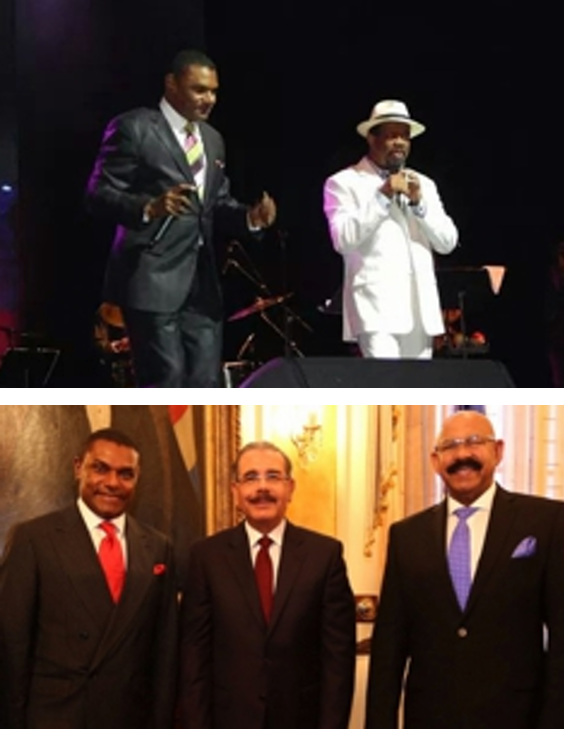
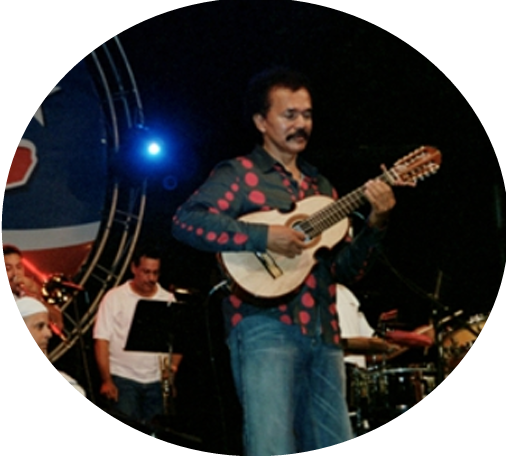
Oscar D'Leon - Somos Latinos in México
Oscar D’Leon – Somos Latinos in México

One day, he decided to create his own office with the idea of doing something—promoting “Salsa.” Starting in 2007, they took a chance and organized their first event. After some time, the famous singer Tony Vega came to the country and gave him the opportunity to produce his first event there. Thanks to its success, “Somos Latinos” became his exclusive office in Mexico. One of their biggest successes was an event they organized with the salsa artists N’Klabe and NG2, who were known as “The Pioneers of the Future of Salsa.” The salsa fans who attended the event applauded like never before, as it was a world-class show.

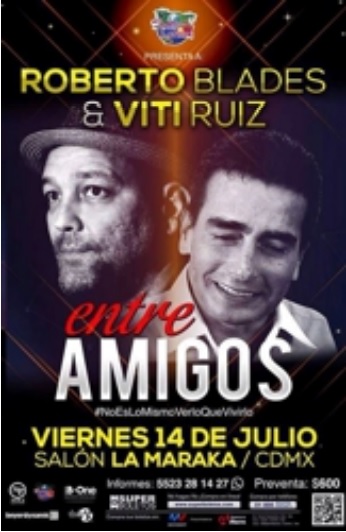
Somos Latinos in Mexico - Roberto Blades and Viti Ruiz
Somos Latinos in Mexico – Roberto Blades and Viti Ruiz

The company currently has 10 years of experience and is known for:

  • An extensive roster of artists.
  • A solid reputation for event production, recognized as a reliable and trustworthy production company, earning the confidence of the public, their clients, and the artists they promote and represent.
  • Broad knowledge of musical genres and an excellent team trained for massive events.
  • Having the necessary equipment and infrastructure for event production (stages, audio, backline, lighting, voltage generators, giant LED screens, and other technology to create top-level shows).

Omar also mentioned that to celebrate their anniversary, they created the “Somos Latinos International Salsa Festival,” their most important event, which has been held 8 times in different parts of Mexico, such as “Mexico City,” “State of Mexico,” and the “State of Veracruz.” In the latter, they participated as organizers and suppliers for the fourth edition of the Boca del Río International Salsa Festival 2014, the world’s largest salsa event, which takes place over 4 days (with an average attendance of 120,000 people per day). This event has earned the State of Veracruz recognition as the world capital of salsa.

Upcoming Event

Somos Latinos in México

On July 14, 2017, the event “Roberto Blades & Viti Ruiz #EntreAmigos” will take place at the “La Maraka” venue located at Mitla No. 410, Esq. Eugenia, Col. Narvarte, 03023 Benito Juarez, Mexico City, Mexico.

If you want to get to know them and learn more, you can contact them through:

  • Website: http://www.somoslatinosmexico.com/eventos.html
  • Email: [email protected] / [email protected]
  • Phone: +52 (55)5082-9580 / +52 1 5523281427
  • Instagram: @somoslatinos
  • Twitter: @somoslatinos
  • YouTube: http://www.youtube.com/channerl/UCzNWbZ7HyIPxE5tmkrwIRag
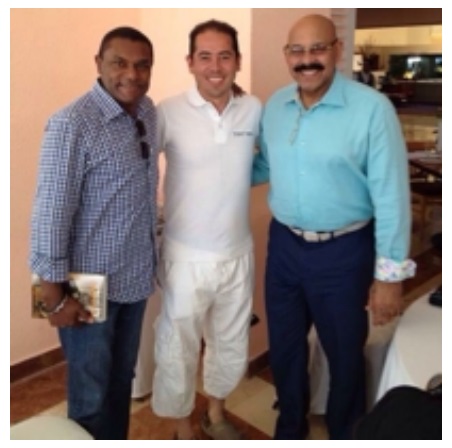
The Perfect Salsa Alignment - Somos Latinos in Mexico
The Perfect Salsa Alignment – Somos Latinos in Mexico
  • « Go to Previous Page
  • Page 1
  • Page 2
  • Page 3
  • Page 4
  • Interim pages omitted …
  • Page 11
  • Go to Next Page »

International Salsa Magazine (ISM) is a monthly publication covering salsa activities around the world and has been publishing since 2007. It is a worldwide network of volunteers coordinated by ISM Magazine. Together, we work to strengthen salsa events around the world.