





| April 2026 – Festivals | ||
|
|
|
International
|



| DIRECTORY OF NIGHTCLUBS | ||
|
|
|
|
|
|
|
|
|
|
|
|
|
|
|
|
|
|
|
|
|
|
|
|


| April 2026 – Festivals | ||
|
|
|
International
|
| DIRECTORY OF NIGHTCLUBS | ||
|
|
|
|
|
|
|
|
|
|
|
|
|
|
|
|
|
|
|
|
|
|
|
|
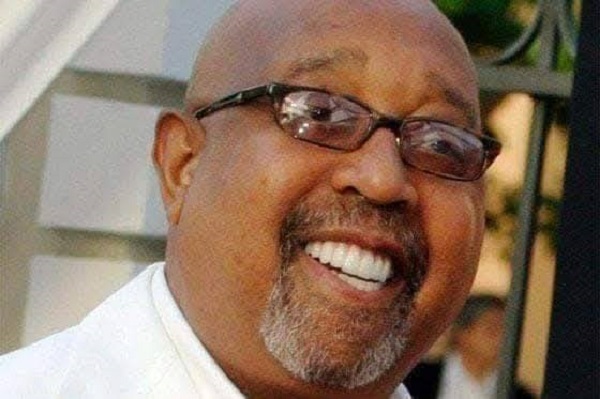
Ralph Mercado was a music promoter and an iconic figure of Salsa and Latin music in New York. More than just an entrepreneur, Mercado was the strategist who took Salsa out of local New York clubs and placed it on the world’s most prestigious stages.
Creator of “The Perfect Combination”; Early Days in the Bronx and Brooklyn
Of Puerto Rican and Dominican descent, Mercado was born on September 29, 1941, in Brooklyn. As a mere teenager, he was already organizing parties and dances as the president of a neighborhood social club.
He later founded the 3 & 1 Club on Atlantic Avenue, which hosted local bands and musicians such as Eddie Palmieri and Richie Ray & Bobby Cruz, among many others. Shortly thereafter, he created his first production and promotion company, Showstoppers, through which he promoted R&B acts of the caliber of James Brown, Aretha Franklin, Gladys Knight & the Pips, The Stylistics, and The Chi-Lites.
Expanding the Empire
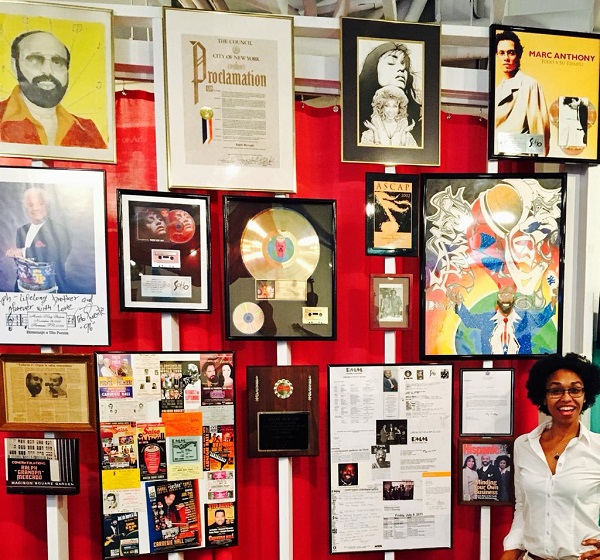
He managed the genre’s biggest stars, including Tito Puente and Celia Cruz, with whom he worked for 25 years. “I learned so much from her,” Mercado told the AP in July 2003, following the passing of the “Queen of Salsa.” “I witnessed the impact she had in every country we visited.”
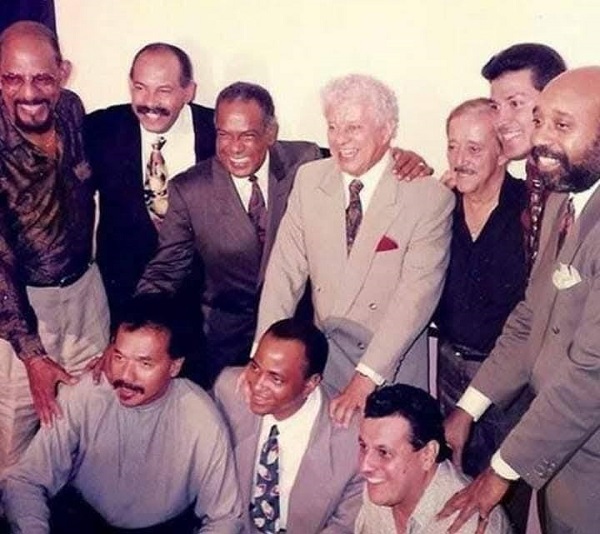
Mercado credited Cruz and Puente with the internationalization of Salsa. “They were two artists with so much talent and such good hearts… something unrepeatable,” he expressed at the time.
The RMM Phenomenon
By 1987, his popular “Latin Tinge” nights at the Palladium attracted hundreds of salseros every Thursday. In 1992, he founded the independent label RMM, which branched into RMM Records, RMM Filmworks, and two publishing houses. With a catalog of over 140 artists, the label sold millions of albums annually.
The RMM Label: A Hit Factory
Mercado’s impact was solidified by his ability to adapt tradition to changing times. While others clung to the past, Ralph understood the potential of Salsa Romántica and the power of international collaborations. RMM didn’t just produce records; it produced culture, documenting the history of the rhythm through videos and massive concerts that redefined the concept of Latin entertainment.
His influence extended far beyond recording. As a promoter, he opened markets in Europe, Asia, and throughout Latin America, ensuring the tumbao was heard in every corner of the planet. He was a relentless negotiator and a protector of the legends’ legacies, ensuring that Latin Jazz and Salsa Dura maintained their academic prestige while dominating the pop charts.
An Indelible Legacy
“Without him, I don’t believe the Fania All-Stars would have achieved the success they did,” stated Eddie Palmieri. Meanwhile, promoter Leo Tizol remembered him as someone “accessible and noble” who never refused to share his knowledge with those starting out.
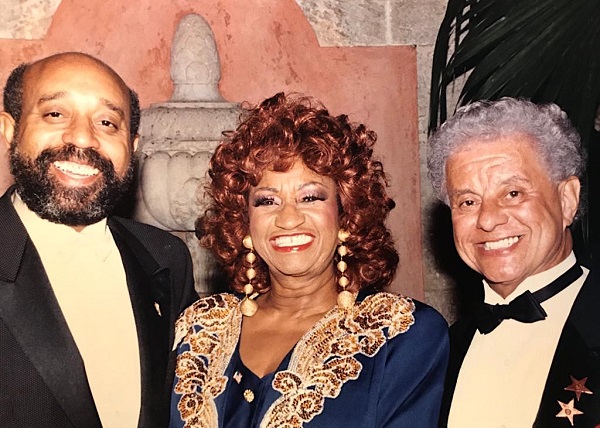
Source: RMM / Photo: Ralph Mercado Archives
Also Read: Hector Maisonave Manager of the Greatest Salseros in New York
On March 15, 1934, the Jesús María neighborhood in Havana saw the birth of one of the most solid figures in Cuban syncopation: Raimundo Elpidio Vázquez Lauzurica. Known worldwide as “Elpidio Vázquez,” his destiny was written between the strings of a double bass and the mystique of Cuba’s most iconic musical group.
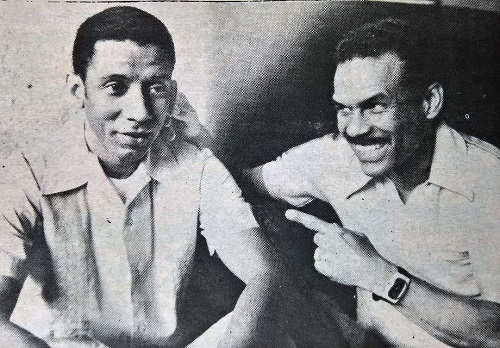
His formal connection with Sonora Matancera began in 1952, when he started subbing for his father. It didn’t take long for his talent to secure him the permanent spot, becoming the rhythmic backbone of the institution until the end of his career.
Legacy and Musical Contributions: Beyond the Double Bass
Elpidio Vázquez was not just a performer; he was a sonic architect. His ability to maintain a precise tumbao allowed Sonora Matancera to preserve that unmistakable harmonic signature that captivated the entire continent.
In addition to his technical prowess, Elpidio shined as a composer, contributing tracks that became essential hits:
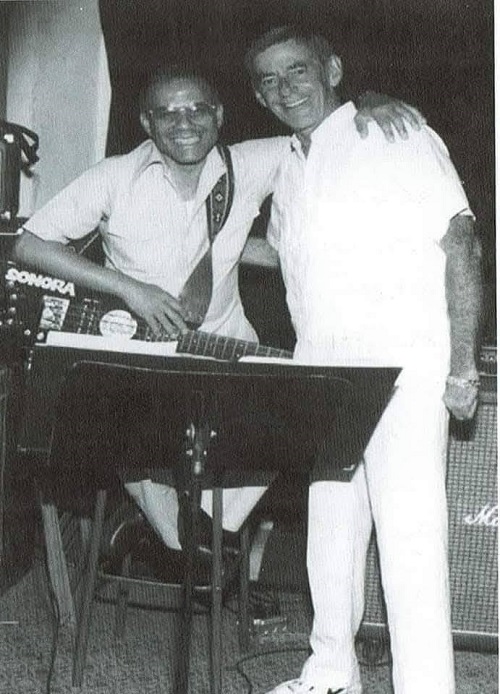
The Double Bass: Unlike many bassists of the salsa era who quickly transitioned to the Baby Bass or the electric bass, Elpidio is remembered for his mastery of the acoustic double bass, maintaining that organic, deep sonority of traditional, evolved Cuban son.
Recognition and Saying Goodbye to the Stage
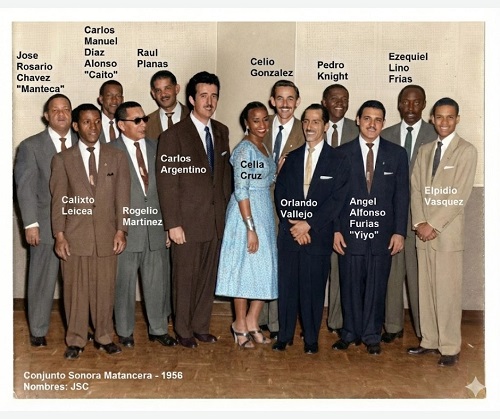
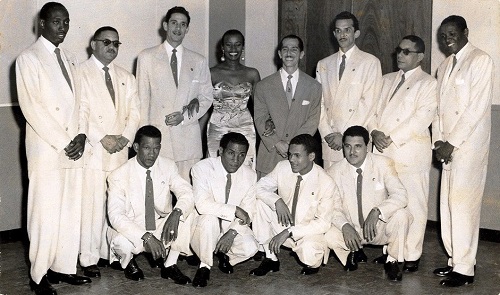
Career with Sonora Matancera
Today, the figure of Elpidio Vázquez remains a symbol of artistic fidelity and musical excellence the bridge between the tradition of “Bubú” and the modernity of New York salsa.
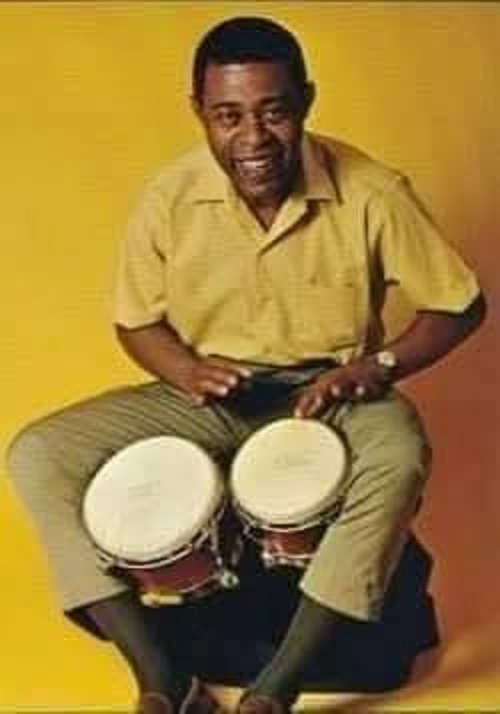
An extraordinary and legendary percussionist, José Mangual Sr. was the founder of the prestigious percussive lineage that carries his surname.
Since his childhood in Juana Díaz, he professed a deep love for music; by age ten, he was already playing professionally, and during his youth, he even enjoyed crafting his own bongos.
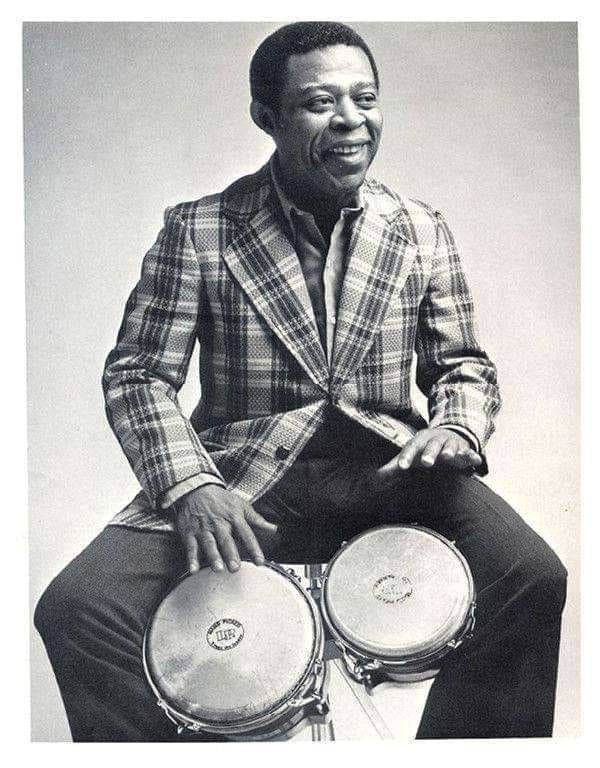
Considered by experts as one of the greatest bongo players of all time, his legacy remains the gold standard for meter and tuning in Latin Jazz and Salsa.
From Juana Díaz to the Heart of Spanish Harlem
Born on March 18, 1924, in Juana Díaz, Puerto Rico, Mangual discovered his vocation at age 10. However, his musical destiny was sealed in 1938 when he migrated to New York at the age of 14.
Settling in Spanish Harlem (“El Barrio”), he found himself at the epicenter of a cultural explosion that was about to change world music forever.
The Consecration: Machito and his Afro-Cubans
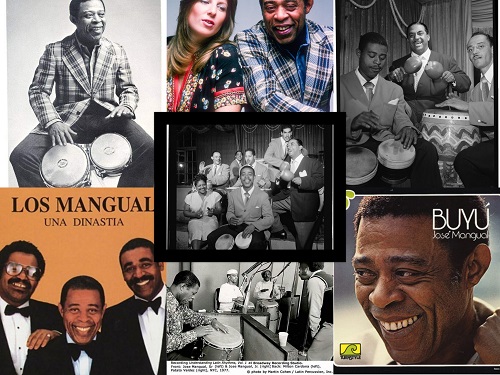
An Unrivaled Session Musician
Pedagogical Legacy and Solo Career
In the 70s and 80s, Mangual recorded music not only for enjoyment but also for instruction:
“The sound of his cowbell and his bongo didn’t just mark time; they cemented the foundations of the music we dance to today.”
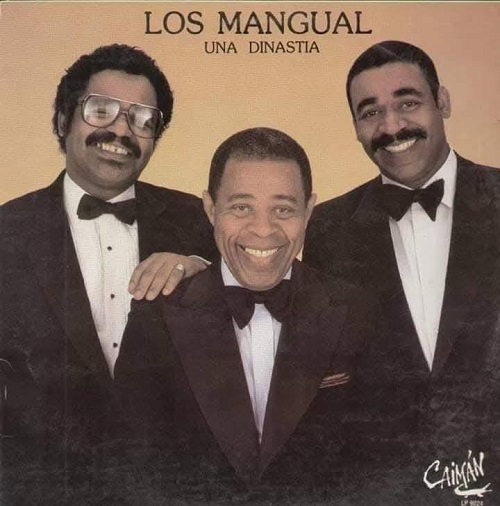
The Patriarch of a Dynasty
The impact of José Mangual Sr. extends through his sons, who inherited his musical excellence:
Also Read: Israel “Cachao” López, a Cuban musician and composer, has been hailed as “the Inventor of Mambo”





| April 2026 – Festivals | ||
|
|
 |
CHICAGO
|




Directory of North American nightclubs |
||
|
|
||
|
|
|
|
|
|
||

CALIFORNIA |
|

ILLINOIS |

MICHIGAN |

NEW JERSEY |

NEW YORK |
|
|
|
|
|
|
|
|


