• Skip to primary navigation
  • Skip to main content

International Salsa Magazine

  • HOME
  • Previous editions
    • 2026
      • ISM / May 2026
      • ISM / April 2026
      • ISM / March 2026
      • ISM / February 2026
      • ISM / January 2026
    • 2025
      • ISM / December 2025
      • ISM / November 2025
      • ISM / October 2025
      • ISM / September 2025
      • ISM / August 2025
      • ISM / July 2025
      • ISM / June 2025
      • ISM / May2025
      • ISM / April 2025
      • ISM / March 2025
      • ISM / February 2025
      • ISM / January 2025
    • 2024
      • ISM / December 2024
      • ISM / November 2024
      • ISM / October 2024
      • ISM / September 2024
      • ISM / August 2024
      • ISM / July 2024
      • ISM / June 2024
      • ISM / May 2024
      • ISM / April 2024
      • ISM / March 2024
      • ISM / February 2024
      • ISM / January 2024
    • 2023
      • ISM / December 2023
      • ISM / November 2023
      • ISM / October 2023
      • ISM – September 2023
      • ISM – August 2023
      • ISM July 2023
      • ISM Edition June 2023
      • ISM – May 2023
      • ISM April 2023
      • ISM March 2023
      • ISM February 2023
      • ISM January 2023
    • 2022
      • ISM December 2022
      • ISM November 2022
      • ISM October 2022
      • ISM September 2022
      • ISM August 2022
      • ISM July 2022
      • ISM June 2022
      • ISM May 2022
      • ISM February 2022
      • ISM January 2022
    • 2021
      • ISM December 2021
      • ISM November 2021
      • ISM October – 2021
      • ISM September 2021
      • ISM August 2021
      • ISM July 2021
      • ISM May 2021
      • ISM April 2021
      • ISM June 2021
      • ISM March 2021
      • ISM February 2021
      • ISM January 2021
    • 2020
      • ISM December 2020
      • ISM November 2020
      • ISM October 2020
      • ISM September 2020
      • ISM August 2020
      • ISM July 2020
      • ISM June 2020
      • ISM May 2020
      • ISM April 2020
      • ISM March 2020
      • ISM February 2020
      • ISM January 2020
    • 2019
      • ISM December 2019
      • ISM November 2019
      • ISM October 2019
      • ISM Septembre 2019
      • ISM August 2019
      • ISM July 2019
      • ISM June 2019
    • 2016
      • ISM December 2016
      • ISM November 2016
  • Spanish
  • Download Salsa App
    • Android
    • Apple

Search Results for: Son

David Frankel pursued music and created Avenida B Band to reconnect with the memory of his father

After coupling on our schedules, we were able to speak with bandleader and pianist David Frankel, whose story of how he became interested in music and eventually dedicated himself to it is truly fascinating. It also shows that not only Latinos and their descendants can fall in love with these rhythms, but also people outside our culture. This is because David has Russian and Polish heritage, which did not prevent him from falling in love with Latin music so intensely.

David and Ricky playing
David Frankel and Ricky Rosa playing live some years ago

What inspired David to pursue music

David was born in Lower Manhattan, New York, where there were many Latin families at the time. The neighborhood housed many Puerto Ricans and Dominicans. To this we must add that his father, Daniel “El Mago del Órgano” Franklin, was a musician and moved to that very place where Papote Jiménez, Ismael Miranda, Markolino, Freddy Lugo, Henry Fiol, Luis Ayala, and many others lived. Besides being a neighborhood full of artists, it was much cheaper living there, so he thought it was the ideal place for him.

It is worth noting that Daniel knew how to write music and read scores, but he had never played Latin music before in his life. He began to know it when several musicians he worked with asked for his help to read their scores, which led him to fall in love with Afro-Cuban music and develop an interest in salsa and merengue.

When David was born in 1979, Daniel had already been making music for about 15 years and had earned the nickname “The Organ Wizard” thanks to some band competitions held at a club in the Bronx. From a very young age, the boy watched bands rehearsing on the first floor of his house, so this salsa scene was natural for him. However, David had nothing to do with music until the death of his father in 2003.

David never had any interest in entering the art world, but the void left by Daniel’s death in his life drove him to study music, looking to connect with his father in some way. From there, he began taking piano and percussion classes, but he did not stop there. He also started to go out social dancing in the New York nightclubs and to know a bit more the nightlife of the city. On one occasion, a woman left him alone on the dance floor, and he was so ashamed in that moment that he decided to take classes and learn to dance.

David and the rest of Avenida B
The Avenida B Crew:
Juan Bowers – piano
Alvin Céspedes – bass
Ricky Rosa – congas/coro
Brian Pozo – bongos/coro/stage direction
Jhohan Hernandez – timbales
Demetrios Kehagias – trombone
Dan Lehner – trombone
David Frankel – lead vocals

That was when he realized that all the local bands played almost the same genres and songs, but there was no need for that because there was a world of possibilities in the Latin music he had discovered during his classes. There is a world beyond La Fania, and he learned that thanks to dance schools. All this thinking led him to create his own band with different music, to the old-school style he had always loved. 

His father had always told him salsa is for dancing, and if you are not playing dance music, you are doing it wrong.

Which teachers taught David?

After thanking us for the question, David then proceeded to explain that there was a school in New York called the Harbor Conservatory for the Performing Arts, located at 104th Street and Fifth Avenue in Manhattan. The heads of the education programmes there were Ramón Rodríguez and Louis Bauzó, who were excellent musicians and great people whom he met thanks to his father, who was a piano teacher at that institution. David used to accompany Daniel to the school and met both teachers through him.

Following his father’s death, David returned to that same conservatory to study singing with Ramón, while also studying percussion with Georgie Delgado and piano with Louis. In short, this institution was of vital importance for his career, and the many things he learned there were momentous both personally and professionally. 

As for the dance, he enrolled at the Baila Society school in New York through some friends, but later studied at others such as Santo Rico Dance and Dance On 2.
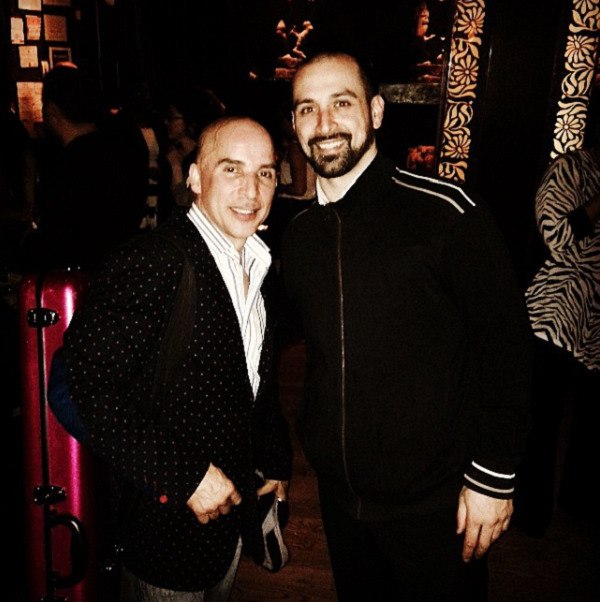
Jimmy and David
Jimmy Bosch and David Frankel

Avenida B Band

David began his career as a musician by playing boogaloo with a group called Spanglish Fly and a few other small bands. After everything he had studied and learned, already for the year 2011, the idea of creating his own group started percolating in his mind, so he posted an ad online looking for musicians and called some former classmates who might be interested in the proposal. That was how he managed to gather a decent number of people with whom he could finally put the Avenida B project together.

He chose salsa dura as his main genre because it is the kind of music that makes him want to dance, and given his background, this was very important to him.

He is also about to release an album in tribute to his father, which he has named “El Mago,” and it will feature some of his own songs; it is scheduled to be released in July 2026. 
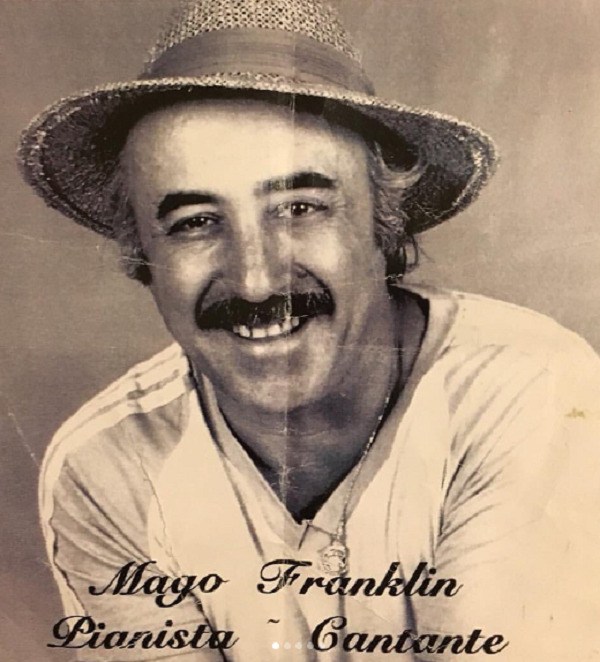
David's father
Daniel ”El Mago del Órgano” Franklin, David’s father

Read also: Puerto Rican bandleader and musician Diana Sosa talks about her many projects in Nashville, Tennessee

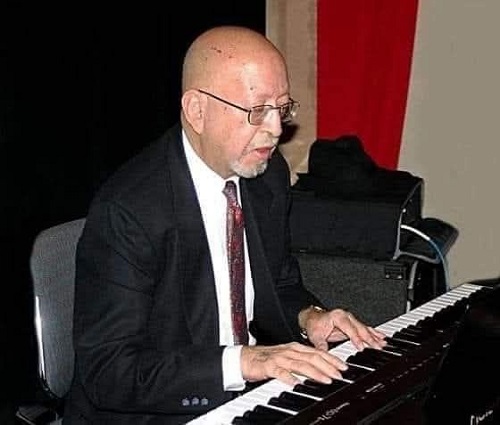
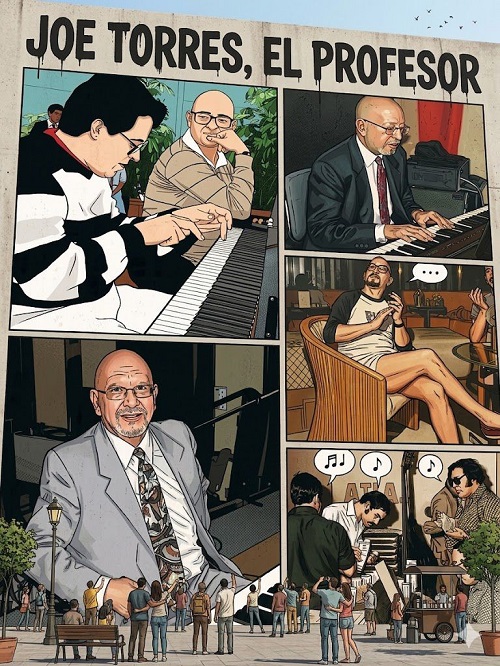
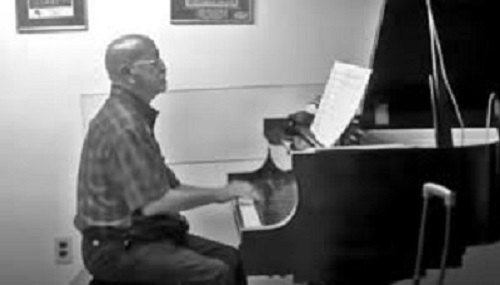
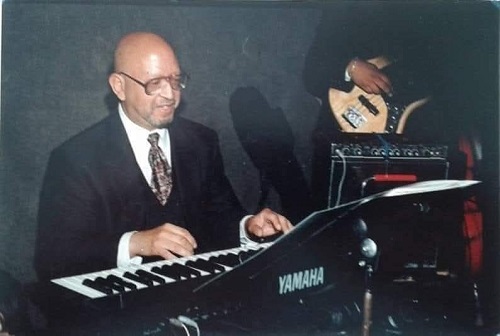
The Piano That Schooled the World the Eternal Legacy of “Professor” Joe Torres

The history of salsa is not only written by the voices of its idols or the thunder of its brass; it is written, fundamentally, on the black and white keys of those who knew how to sustain the pulse of an era.

On April 13, 2020, in the quiet of a Bronx hospital, the “backbone” of Salsa Dura passed away at the age of 76: José Manuel Torres, known universally as “Professor Joe.”

Jose Manuel Torres Professor Joe Torres passed away on this day, April 13, 2020, in the Bronx, New York City, at the age of 76

Born in Manhattan on November 29, 1943, a son of the Puerto Rican diaspora from Guayama and Ponce, Torres embodied the pure essence of the Nuyorican.

Raised on Fox Street, his destiny was sealed in the hallways of P.S. 52 an elementary school that would eventually become the academic sanctuary of Latin music in the South Bronx.

Excellence as the Standard: From Neighborhood Sound to Musical Glory

His nickname, “The Professor,” was no mere poetic license. In a musical ecosystem where many relied on intuition, Joe possessed an almost mathematical skill: sight-reading.

Un pianista maravilloso, que no se parece a nadie

His technical precision allowed him to navigate elegantly between formal discipline and “street” flavor (sabor).

After debuting in the 1960s with the “King of the Bass,” Bobby Valentín, on seminal albums like Bad Breath, his career took a definitive turn when he joined the orchestra of a young, rebellious Willie Colón.

Replacing the virtuoso Mark Dimond, Torres didn’t just fill a void; he defined an aesthetic. For a quarter-century, he was the harmonic architect behind the two greatest giants of the genre: Willie Colón and Héctor Lavoe.

“As the pianist for the band, Professor Joe Torres was excellent,” Colón would recall years later.

It is his piano that resonates in the urban chronicles of Cosa Nuestra; the piano that provides the festive nostalgia in both volumes of Asalto Navideño a cornerstone of Puerto Rican identity and the piano that sustains the rhythmic tension in classics like The Big Break (La Gran Fuga) and Lo Mato.

There was no Fania milestone where Joe did not leave his mark, from the social lyricism of Siembra and Maestra Vida with Rubén Blades, to the raw power of Lavoe’s solo career.

Joe acompañó a Willie Colón y Héctor Lavoe en gran parte de sus grabaciones

Humility in the Shadows: The Man and the Legend

Despite participating in more than thirty productions that are now considered world cultural heritage, Joe Torres never felt the urge to claim the spotlight of a frontman.

As his colleague José Mangual Jr. noted, his humility was as vast as his talent. He preferred the rigor of the studio and the camaraderie of the stage, balancing his musical genius with his work as a computer technician a duality that spoke to his sharp intelligence and adaptability.

El Piano que Dictó Cátedra el Legado Eterno del “Profesor Joe” Torres

His legacy was celebrated in the year 2000 during the historic reunion concert of the “P.S. 52 Alums,” immortalized in the documentary From Mambo to Hip Hop. There, surrounded by titans like Ray Barretto and Manny Oquendo, Joe remained the same: a man with a kind smile and a sharp mind who, according to Blades, represented the true “gentlemanliness” of salsa.

Today, years after his passing, the void at the piano bench remains felt. The “Professor” didn’t just teach people how to read music; he taught that true greatness does not require noise.

His music lives on in every descarga, reminding us that as long as there is a piano playing in the Bronx, the echo of José Manuel Torres will never stop schooling the world.

Also Read: International Salsa Magazine presents essential trivia and facts about Héctor Lavoe.


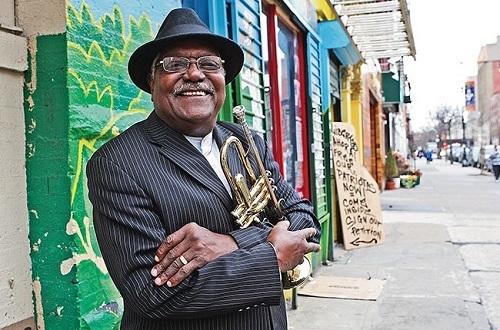
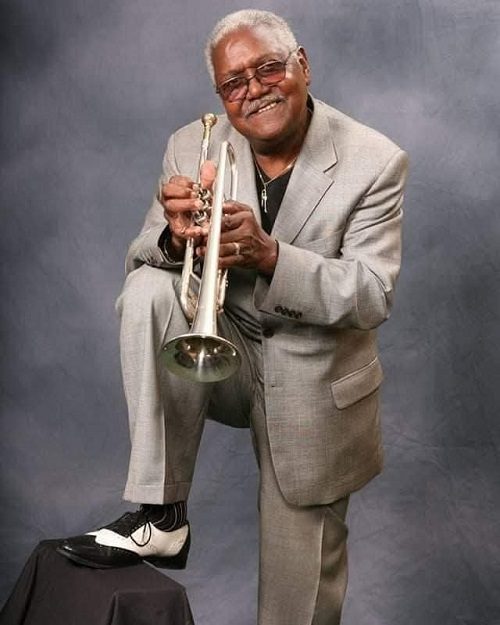
Alfredo “Chocolate” Armenteros: The Golden Legacy of the Cuban Trumpet

The history of Latin music cannot be written without mentioning the metallic brilliance and elegant phrasing of Alfredo “Chocolate” Armenteros.

Regarded by musicologists and peers as the “Latin Louis Armstrong,” Armenteros was more than just a trumpet virtuoso; he was a sonic architect who bridged the gap between traditional Cuban son, New York jazz, and the high-energy explosion of salsa.

Chocolate Armenteros🇨🇺fue una leyenda excelsa de la música cubana

Born on April 4, 1928, in Las Villas, Cuba, Armenteros carried the soul of his homeland to the world’s most prestigious stages.

His nickname, which became a hallmark of artistic quality, originated from a curious anecdote the musician shared in 2013: a young woman had mistaken him for the famous boxer “Kid Chocolate.”

What began as a case of mistaken identity ultimately became the name of a legend who would deliver his “knockouts” not with fists, but with perfect notes.

The Forging of a Master: From Arsenio Rodríguez to the “Bárbaro del Ritmo”

The career of Chocolate Armenteros serves as a detailed roadmap of the Golden Age of Cuban music. In 1950, he joined the ensemble of the “Blind Marvel,” Arsenio Rodríguez.

Alfredo Chocolate Armenteros el Legado de Oro de la Trompeta Cubana

Under Rodríguez’s tutelage, he recorded essential pieces of the Caribbean songbook such as “Deuda,” “Tengo que olvidarte,” and the iconic “La vida es un sueño.”

This period was vital in defining his style: a fusion of technical discipline and a gift for organic improvisation.

His rise was meteoric. By 1953, he was already a member of Sonora Matancera, the island’s most influential musical institution. That same year, he participated in a historic milestone: the founding of the band led by his cousin, the great Benny Moré.

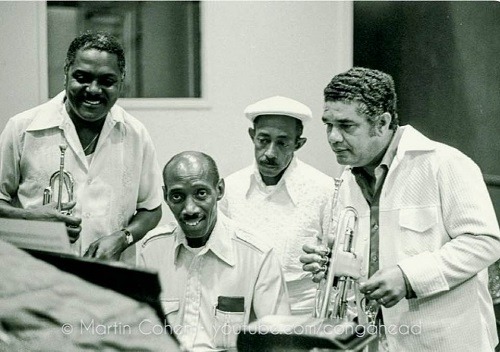
Alfredo Chocolate Armenteros, Lino Frias, Carlos Patato Valdez y el Negro Vivar 1973

The sound of Chocolate’s trumpet was a key gear in the machinery of Moré’s “Tribu,” cementing his status as the most sought-after instrumentalist of his generation.

Conquering New York and the Global Stage

In November 1958, Armenteros’ destiny changed forever. He traveled to New York with the Fajardo y sus Estrellas orchestra for a private performance at the Waldorf Astoria Hotel.

The event carried high-level political weight: it was a gala for the presidential campaign of then-candidate John F. Kennedy. Following this encounter with the Big Apple, the trumpeter decided to settle permanently in the city, becoming an ambassador for Caribbean rhythms at the epicenter of jazz.

In New York, his talent flowed through the most influential groups of the era:

  • The Machito Orchestra (1963): Where he fused Cubop with Afro-Cuban jazz.
  • Eddie Palmieri (70s): Contributing his power to the experimental sound of salsa brava.
  • Tico-Alegre All Stars (1975): Sharing the stage with giants like Celia Cruz, Tito Puente, Ismael Rivera, and Cachao.

An Endless and Eternal Style

In the late 70s and early 80s, Armenteros not only returned to collaborate with Sonora Matancera but also took the definitive step as a bandleader.

Under his own direction, he left behind memorable productions such as Chocolate Dice (1982) and Estrellas de Chocolate (1987), proving that his creative well never ran dry.The most admirable aspect of Armenteros was his artistic longevity. He remained active in festivals and concerts well into his 80s, preserving a privileged embouchure and a sense of timing that seemed to defy the laws of physics.

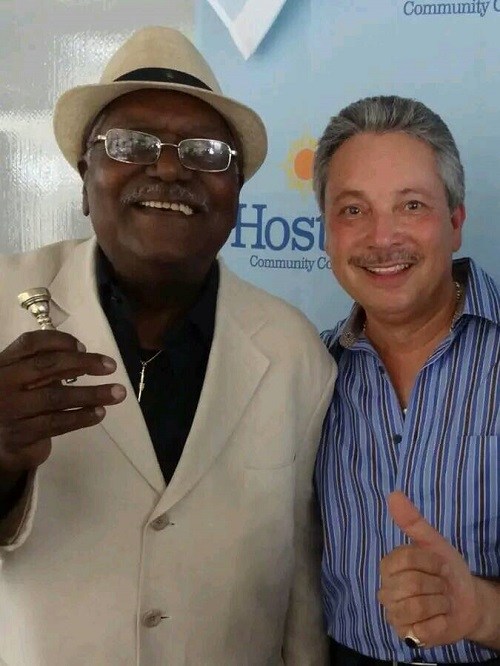
Alfredo Chocolate Armenteros y Eddie Moltalvo

Today, nearly a century after his birth, Alfredo “Chocolate” Armenteros remains the gold standard for trumpeters. His life was a testament to elegance, his music a bridge between nations, and his trumpet an eternal echo of Cuban identity that continues to resonate in every jazz descarga and every salsa step around the world.

Also Read: Larry Harlow and Ismael Miranda: The birth of “Arsenian Salsa,” a tribute to the music of Arsenio Rodríguez the creator of Son Montuno and the “King of Guaguancó.”

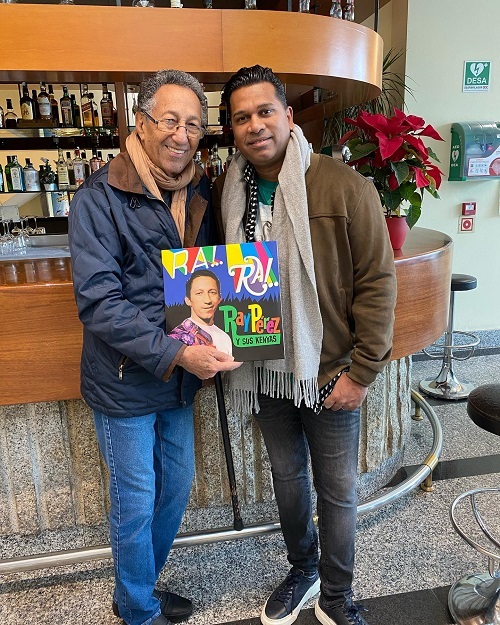
Ray Pérez The Genius and Vanguard of Venezuelan Salsa

The Journey of a Pioneer Between Piano, Vinyl, and Musical “Madness”

Ray Pérez is, indisputably, one of the primary architects of Salsa in Venezuela. Born in Barcelona, Anzoátegui, on April 7, 1937, Ray stands as one of the most disruptive and essential figures in the genre’s history.

Ray Pérez: The Genius and the Vanguard of Venezuelan Salsa

His nickname, “El Genio” (The Genius), isn’t just hyperbole; he earned it through his multifaceted mastery as a pianist, arranger, and composer. Above all, he was a visionary who possessed the rare ability to capture the raw “sound of the streets.”

Historical Note: While his official records cite 1937, a fire that destroyed original birth registries has led to speculation that his true birth date may be December 25, 1938.

Music was in his DNA. Ray inherited a deep artistic vein from his father a singer, trumpeter, pianist, and musical director. Ray’s journey began at age twelve playing the tuba in the San Juan Bosco youth band under his father’s tutelage.

Ray Perez y Dustin Hogg

By seventeen, he had mastered the guitar, the cuatro, and the piano. Following his father’s passing, he balanced work and academics before ultimately deciding to commit his life entirely to his musical passion.

Formative Years and First Steps

Between 1962 and 1965, Ray studied at the Maracaibo Conservatory. His recording debut came via RCA Víctor under the artistic direction of Aldemaro Romero, recording the track “Marcianita” with the Trío Cristal.

After stints with the Trio Hambay and the group Los Bobos del Twist, he officially dove into Caribbean rhythms in 1965 with the creation of Ray Pérez y Su Charanga in the Zulian capital.

The Golden Era: Los Dementes, Los Kenya, and Los Calvos

Throughout his vast career, Ray launched three pivotal projects that secured his place in the Hall of Fame:

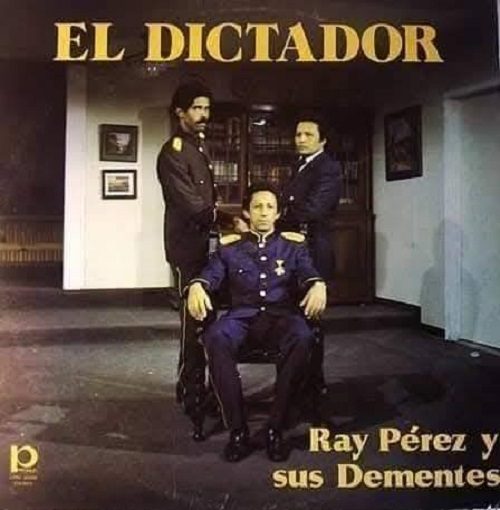
  1. Los Dementes (1965): Their debut, Alerta Mundo, Llegaron Los Locos / The Crazy Men (1966), signaled the start of a new era. Under this moniker, he recorded nearly 25 albums for labels like Velvet, Fania, and his own imprint, Pyraphon Records, founded in 1967.
  2. Los Kenya: Alongside the legendary voices of Carlos Yanes “Calavén” and Carlín Rodríguez, Ray innovated the sound by replacing traditional timbales with a full drum set. This project produced iconic albums like Ronda del Guaguancó, Rai Rai, and Nuevo Día.
  3. Los Calvos: A bold experiment, again featuring “Calavén,” which resulted in two essential productions for RCA Víctor: Estos son los Calvos and Los Calvos… y qué Calvos.
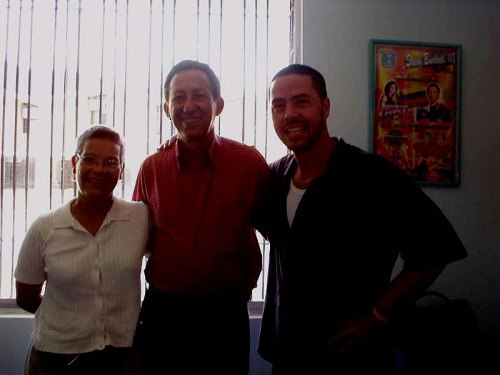
  4. La periodista y crítica musical venezolana Lili Rodríguez, el músico Ray Pérez y Roberto Ernesto Gyemant
    La periodista y crítica musical venezolana Lili Rodríguez, el músico Ray Pérez y Roberto Ernesto Gyemant

The New York Chapters and The Return

In 1969, Ray moved to New York City. There, he played piano for Francisco Ángel Bastar “Kako,” collaborated with Rafael Cortijo and Pedro “Rudy” Calzado’s Charanga, and arranged for the “King of Boogaloo,” Pete Rodríguez, composing hits like “Bossa Triste” and “Dame Felicidad.”

Upon returning to Venezuela in 1971, he founded Ray Pérez y su Orquesta, releasing a string of hits such as Aquí estoy de nuevo, Perucho y el loco Ray, and Yo soy el Rey de la Salsa. In 1974, he struck gold again with Grupo Casabe, recording three albums under the CBS label.

Ray Pérez Y Sus Dementes El Dictador 1981

An Everlasting Legacy

Ray’s prolific career includes collaborations with immortal voices like Perucho Torcat, Nano Grant, Teo Hernández, and Nelson Navas. He has shared the stage with titans such as “El Pavo” Frank Hernández, Alfredo Padilla, Alberto Naranjo, and César Monge.

From his massive repertoire, we remember the anthems of the barrios:

  • “No salgas de tu barrio”
  • “Emae Mae”
  • “Pa’ l 23”
  • “Así mueren los valientes”
  • “Guaguancó en New York”
  • “La montaña”


Colaboración: Fotografías de ©Roberto Ernesto Gyemant

 Read Also: The Conjunto Bailatino “La Resistencia Salsera” again “Antes los ojos del Mundo” and here, “No hay quinto malo”

Europe / May 2026

Cafe Berlin 2025Radio Gladys Palmera 2025

Karina Bernales present May 2026 FESTIVALS

Albania circular flag
ALBANIA
Albania Afro Fest 2026

ALBANIA AFROLATIN

May 6 / 12, 2026

Grand Blue Fafa Resort & Spa
Long Beach, Golem
Kavaje 1000, Albania

€ 135

Bulgaria JPG
BULGARIA
Salsa Holiday 2026

13th Paradise  Salsa Holiday

May 29 / 31, 2026

Hotel Kotva Sunny Beach
Slanchev Bryag 8240
Sunny Beach, Bulgaria

€ 190

Croatia circle flag
CROATIA
Fiume Fusion 2026

Fiume Fusion Festival

May 16 / 18, 2026

Uljarska 1
51000 Rijeka. Croatia

€ 100

Czech Republic circular flag
CZECHIA
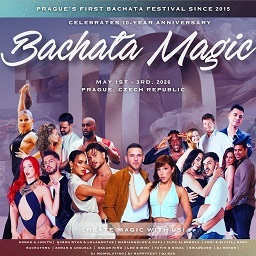
Bachata Magic 05 2026

Bachata Magic Festival Prague

May 01 / 04, 2026

PernerKarlín
Pernerova 47, 18600
Prague, Czechia

€ 100

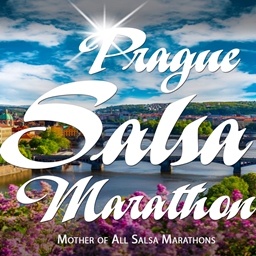
Prague Salsa Marathon 2026

Prague Salsa Marathon

May 7 / 11, 2026

Romantic Grotta
Havlíčkovy Sady
Prague 2 12000, Czechia

€ 238

Denmark circle flag
DENMARK
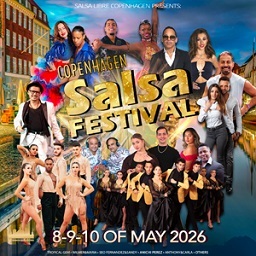
Copenhagen Salsa 2026

Copenhagen Salsa Festival

May 8 / 10, 2026

Kedelhallen
Nyelandsvej 75A, 2000
Frederiksberg, Denmark

DKK 1,500

France circle flag
FRANCE
Spring Break Latino 2026

Spring Break Latino

 May 13 / 17, 2026

Camping Arinella Bianca
769 Strada di Bruschettu 20240 Ghisonaccia
Corse, France

€ 225,64

Germany circular Flag
GERMANY
Salsafestival Augsburg 2026

15th FESTIVAL AUGSBURG

May 1 / 3, 2026

Parktheater im Kurhaus Göggingen
Graf-von-Seyssel-Straße 9
86199 Augsburg, Deutschland

€ 180

Cologne Salsa Congress 2026

Cologne Salsa Congress

May 22 / 24, 2026

MamboTwins Salsa Events Gbr
Sebastian Bibrach & Mehdi Harris, Hebbelstr, 54 50968
Cologne, Germany

€ 150

Greece circular flag
GREECE
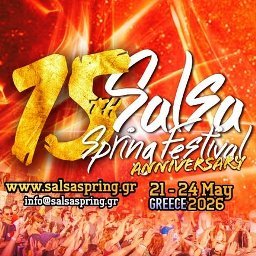
Salsa Srping Greece 2026

15th Salsa Spring Festival

May 21 / 24, 2026

Wyndham Loutraki Poseidon
Resort
Posidonos 48
Loutraki 203 00, Greece

€ 130

Italy circle flag
ITALY
Campeonato para Bailadores 2026

Campeonato para Bailadores

May 8 / 10, 2026

Piazzale Torino 16
48015 Milano Marittima
Ravenna, Italy

€ 90

SALSA ON TOUR 2026

SALSA ON TOUR

May 7 / 10, 2026

Garden Toscana Resort
Via dei Cavalleggeri, 1, 57027
San Vincenzo LI, Italy

€ 325

Salsa on the beach 2026

Salsa on the Beach

May 8 / 10, 2026

Hotel Bibione Palace
Via Taigete, 20, 30020
Bibione VE, Italy

Lithuania circle flag
LITHUANIA
Vilnius Salsa Festival 2026

Vilnius Salsa Festival

May 14 / 18, 2026

House of Polish Culture
Naugarduko g. 76
Vilnius, Lithuania

€ 160

Poland flag
POLAND
City Social Experience 2026

City Social Experience

May 29 / 31, 2026

SoSalsa
Elektryków 1, 80-863
Gdańsk, Poland

PLN 580

Portugal Circular Flag
PORTUGAL
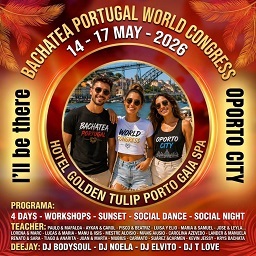
Bachatea Portugal 2026

Bachatea Portugal World Congress

May 14 / 17, 2026

Golden Tulip Porto Gaia Hotel
Praia de Lavadores, R. da Bélgica 86, 4400-044
Vila Nova de Gaia, Portugal

€ 100

Serbia And Montenegro circular flag
SERBIA AND MONTENEGRO
Cubanero 2026

Cubanero

May 7 / 10, 2026

SPENS
Sutjeska 2, 21000
Novi Sad, Serbia

€ 134

Spain Flag
SPAIN
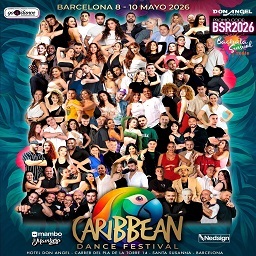
Caribbean 2026

Caribbean Dance Festival

May 8 / 10, 2026

Hotel Don Ángel
Carrer del Pla de la Torre, 14 Santa Susanna
Catalonia 08398, Spain

€ 109

Tenerife 2026

Tenerife Dance Festival

May 13 / 17, 2026

Hotel Puerto Palace
Calle Doctor Cobiella Zaera 2, 38400
Puerto de la Cruz Tenerife, Spain

€ 125

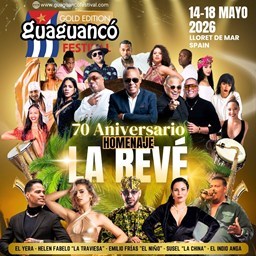
Guaguanco La Reve 2026

Guaguancó Festival

May 14 / 18, 2026

Hotel Evenia Olympic Park
Carrer Senyora de Rossell 35, 17310
Lloret de Mar, Spain

€ 100

eSencia Dance Festival 2026

eSencia Dance Festival

May 15 / 17, 2026

URH Palacio de Oriol
Calle Cristóbal de Murrieta Hiribidea 27, 48980 Santurtzi, Spain

€ 109

Valencia Baila 2026

Valencia Baila Peñíscola Edition

May 21 / 24, 2026

Hotel Spa Peñíscola Plaza Suites
Avinguda del Papa Luna 156, 12598 Peníscola
Castelló, Spain

€ 64

Jornada 05 2026

JORNADA
Salsa & Bachata

May 22 / 24, 2026

Hotel Meliá Benidorm
Av. Dr. Severo Ochoa 1
03503 Benidorm
Alicante, Spain

€ 70

Turkey circle flag
TURKEY
Istanbul 05 2026

Istanbul Dance Festival

May 14 / 15, 2026

Ora Arena
Altıntepsi, Yeni Çiftlik Cd.
34035 Bayrampaşa
İstanbul, Türkiye

€ 140

Calibrated maracasMartinez attorney

Directory of European nightclubs

Czech Republic circular flag
CZECHIA

La Macumba 2024
La Macumba
Štefánikova 230/7 150 00
Prague, Czech Republic

fRANCE FLAG
FRANCE

Canela
Canela Club Latino Paris
77 Rue du Faubourg du temple 75010
Paris, France

Cuba Compagnie
Cuba Compagnie Café
48 BD Beaumarchais 75011
Paris, France

Cubana
Cubana Café
47 rue Vavin 75006
Paris, France

La Pachanga
La Pachanga Officiel
8, rue vandamme 75014
Paris, France

La Peña
La Peña Saint Germain
3 passage de la Petite Boucherie 75006
Paris, France

Balajo
Le Balajo
9 rue de Lappe 75011
Paris, France

Pachamama
Pachamama PARIS
46 rue du Faubourg Saint Antoine 75012
Paris, France

Selsero
Salseroparis
9 Rue du Petit Pont, 75005
Paris, France

Germany circular Flag
GERMANY

Cascadas
Cascadas
Ferdinandstr. 12
20095 Hamburg-Mitte, Germany

Havanna
Havanna Berlin
Hauptstr. 30
10827 Berlin-Schöneberg, Germany
La Macumba - The Real Latin Club in Hamburgs
La Macumba – The Real Latin Club in Hamburgs
Adenauerallee 3 20097
Hamburg, Germany

Latin Palace Changó
Latin Palace Changó
Münchener Strasse 57
60329 Frankfurt, Germany

SODA
Soda Club Berlin
Schönhauser Allee 36
10435 Berlin, Germany

Malta Circle flag
MALTA

Bario Latino Malta venue
Barrio Latino Malta
Ghar il Lembi Street SLM1562 Sliema
Central Region, Malta

Poland flag
POLAND

Teatro Cubano
Teatro Cubano Warsaw
ul. Aleksandra Fredry 6 00-097 /> Warsaw, Poland

Spain Flag
SPAIN

ACM City
ACM CitY
Carrer Can Pallarès 2, Cerdanyola del Vallès
08290 Barcelona, Spain

Antilla
Antilla Barcelona
C/ d’Aragó, 141
08015 Barcelona, Spain

Azucar
Azúcar SalsaDisco
Calle de Atocha, 107
28012 Madrid, Spain

Disco Bar Cuba Live
Cuba Live
Ramón y cajal número 2
07011 Palma de Mallorca, Spain

El Son
Discoteca El Son
C. de la Victoria, 6
28012 Madrid, Spain

Prisma Discoteca
Discoteca Prisma
C. de Alcalá, 192
28028 Madrid, Spain

Discoteca El Edén Boliviano
El Edén Boliviano
Carrer Gremi de Tintorers, 49A
07009 Palma, Illes Balears, Spain

Mojito
Mojito Club
Rosselló, 217
08008 Barcelona, Spain

Morena
Morena Barcelona
calle 11 num.29
08860 Castelldefels, Spain
Que Chimba
Qué Chimba
Av. del Vallès, 117
08223 Terrassa, Barcelona, Spain
Sala Olvido Madrid
Sala Olvido
C/ Olvido 15
28026 Madrid, Spain
Seven Dance
Seven Dance (Dio Club)
Carrer del Perill 10
08012 Barcelona, Spain

The Host Madrid
The Host
C/ Ferraz nº 38
28008 Madrid, Spain
+34 918 05 36 48

United Kingdom circular flag
UNITED KINGDOM

Salsa Soho
Bar Salsa Soho
96 Charing Cross Rd
WC2H 0JG London, UK

Salsa Temple
Bar Salsa Temple
Victoria Embankment, Temple
WC2R 2PH London, UK

Juju's
JUJU’s Bar & Stage
Ely’s Yard 15 Hanbury Street
E1 6QR London, UK

Revolucion de Cuba
Revolucion de Cuba Leeds
64-68 Call Lane
LS1 6DT Leeds, UK

LightHouse
The LightHouse Bar & Club
62 Rivington Street
EC2A 3AY London, UK


  • « Go to Previous Page
  • Page 1
  • Interim pages omitted …
  • Page 29
  • Page 30
  • Page 31
  • Page 32
  • Page 33
  • Interim pages omitted …
  • Page 268
  • Go to Next Page »

International Salsa Magazine (ISM) is a monthly publication about Salsa activities around the world, that has been publishing since 2007. It is a world network of volunteers coordinated by ISM Magazine. We are working to strengthen all the events by working together.