Europe / Spain /
First Huelva Salsa Festival. Afro-Cuban rhythms make their debut in Huelva’s nightlife
By Javier Corrales García: Salsa is synonymous with joy and delight; it is a collection of sensations evoked by the drum. Salsa is beauty; it is youth within experience—like the wood of an old tree with buds constantly sprouting. Salsa is a world unto itself; Salsa is a syncopated beat in the heart.
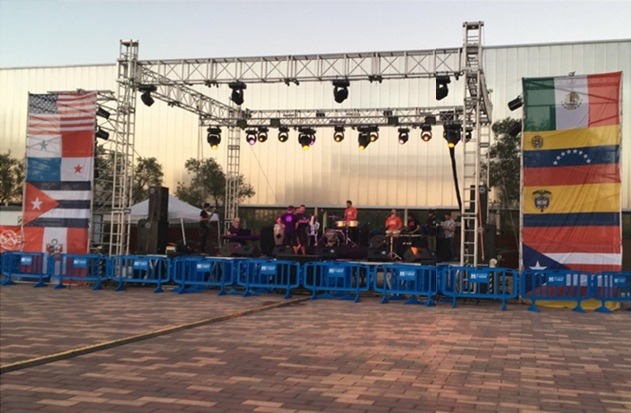
Last August, in a corner of southern Spain, a stage was set up facing a monument sculpted by Miss Whitney—a monument representing the spirit of discovery, specifically the European discovery of the wondrous lands of the Americas. This location in southern Spain is none other than the very spot from which Christopher Columbus and his crew set sail 525 years ago in search of new routes, only to stumble upon unknown lands—the port of Palos de la Frontera.
In the wake of that “accident” came a series of events, tragedies, and invasions, but also *transculturation*—a term coined by Fernando Ortiz to define the complex process of reciprocal communication between cultures. These mutual influences blended various cultures into one—rich like few others, and musically unparalleled.
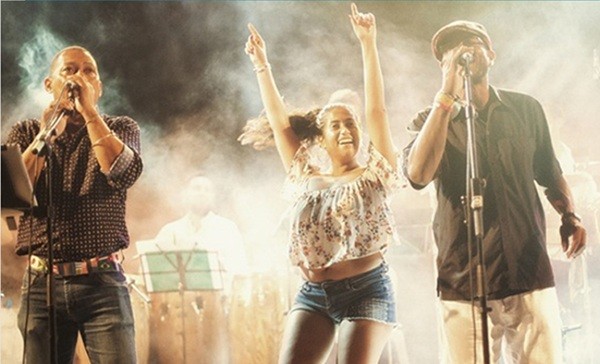
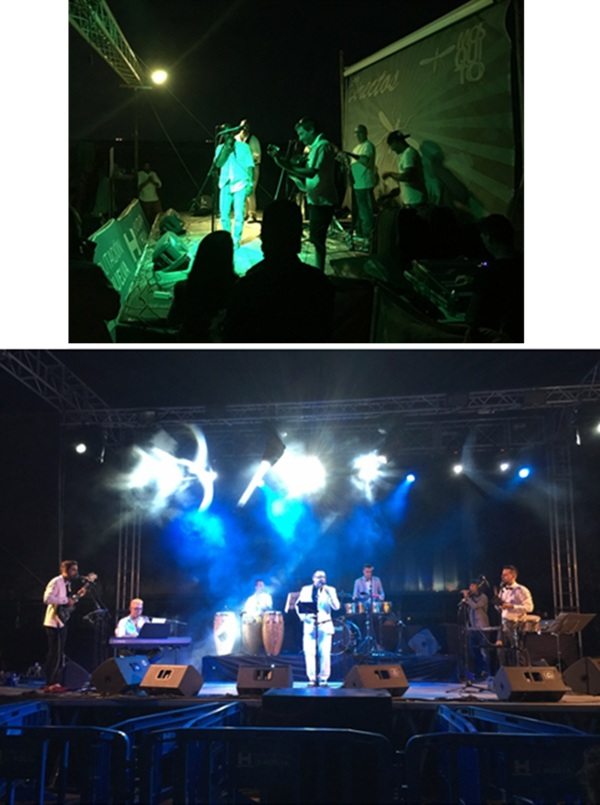
August was the month when those three ships set sail, and August was also the month chosen to celebrate a magnificent festival featuring the music born of that transculturation: the First Huelva Salsa Festival. Seven orchestras showcased diverse styles—ranging from traditional *son*, *nengón*, and *changüí* to repertoires featuring sophisticated jazz arrangements that were both elegant and powerful, as well as the sounds of the genre known as salsa that dominated the Latin music scene in New York City during the 1960s and 70s.
|
|
|
Salsa Festival
A look at the festival’s orchestras:
SON DE CUBA
A group of Cuban musicians led by *tres* player Leo Cabezas, featuring traditional *son* music as the main attraction. They opened the concert lineup on the first day in a stunning setting—the only concert held in Punta Umbría right on the beach sand—amidst the fabulous atmosphere typical of “El Mosquito” (a bohemian beach bar that champions live music and boasts what are likely the best sunsets in the province of Huelva).
In addition to the opening performance, they played the closing concert on the final day, inviting musicians from Troveros de Asieta to join them on stage.
LA CANDELA
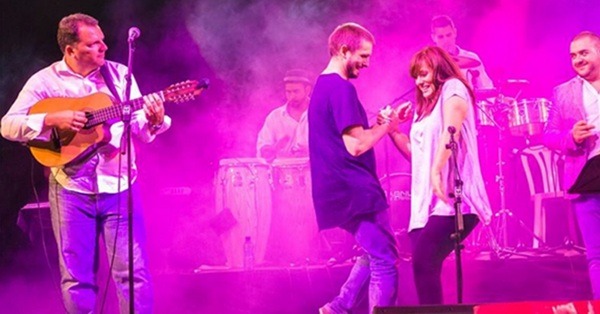
Gilberto Miguel Calderón Cardona—known first as Sonny and later as Joe Cuba—would be proud of the legacy evident in the excellent work of La Candela. This young group has achieved a sound that stays true to the cadence and flavor of the famous “Big Apple” sextet—a feat that is notoriously difficult to pull off.
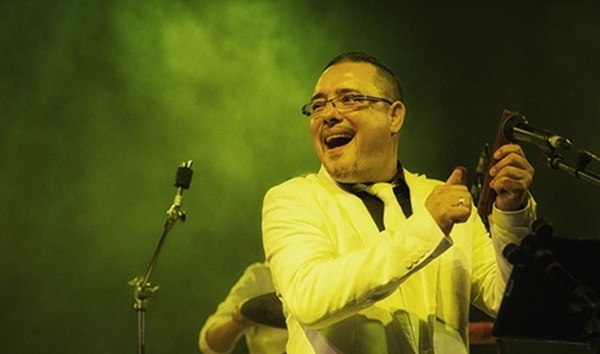
Dancers worldwide were fans of Joe Cuba, and La Candela—his worthy successors—are now gathering their own following within the dance community. They perform fantastic covers of Joe Cuba songs alongside original tracks packed with danceable flavor. This magnificent group from the Canary Islands comes highly recommended for music lovers, dancers, radio broadcasters, and—above all—organizers of dance congresses around the globe.
SEPTETO NABORI
After listening to their album *20 Años*, one could easily predict that their live show would be powerful; indeed, after the concert ended, they were the talk of the audience. It was a marvel to see these Cubans—long based in Italy—delivering the true flavor of *son* and giving it their all on stage.

Tracks from their album, such as “Ni pa ti ni pa mi” and “Santiago si la lleva,” lifted spirits during a magical night of salsa, *son*, *guaracha*, and mambo.
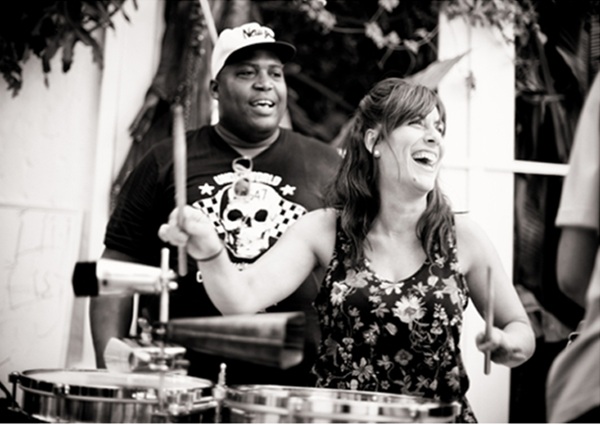
Their two *soneros*—Iván Antonio Rodríguez and Yoelis—were fascinating, possessing the distinctive voices of seasoned, old-school *son* singers. Luis Alberto Danger was sublime throughout the entire show.
Bandleader Alejandro Morcate kept the musical machinery running on guitar; bassist Raúl Cardoso added flavor with his syncopated swing; Monchi laid down the grooves on the *tres*; and Yoandy Armenteros and Jose Alberto Ávila handled the percussion, providing the rhythm and spice. A marvelous septet that captivated everyone present.
SONORA LIBRE
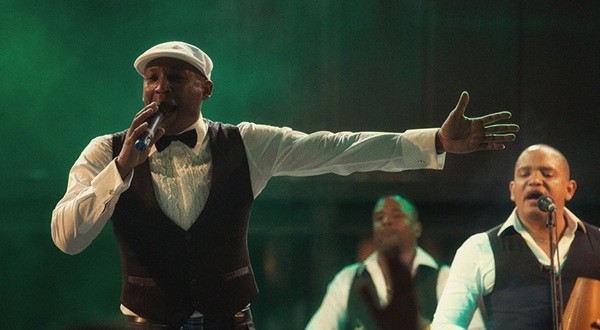
Mauricio Ochoa was missing—not because the replacement conga player lacked quality, but because Ochoa is the mastermind behind this superb work and deserved to witness the audience’s appreciation firsthand.
Sonora Libre ensured everyone had a fantastic time, serving as the perfect finale for the festival’s Friday night. Sebastián Cabra handled musical direction, showcasing magnificent arrangements—track after track—that infused the horn section with a strong jazz essence without losing an ounce of swing or flavor.
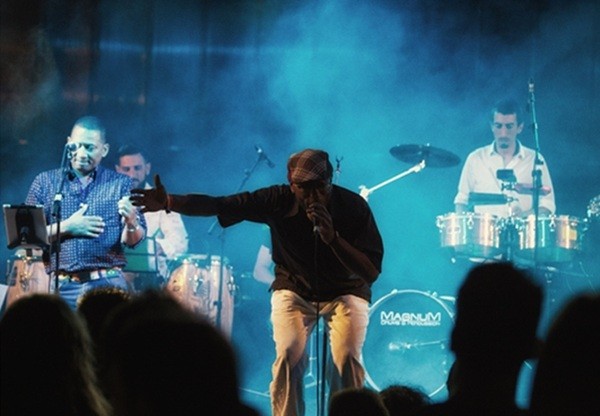
With lyrics ranging from upbeat *guarachas* to thought-provoking verses, and salsa played at full intensity, kudos to this stylish group based in Barcelona.
They wrapped up the night by mingling with the guys from Septeto Nabori—a *sonero* face-off filled with great vibes.
JÓVENES CLÁSICOS DEL SON
Led by bassist Ernesto Reyes Proenza, this Cuban group—with over 20 years of history—won awards right from the start. With “El Nene” on vocals, they achieved success that established them as a benchmark in reviving the importance of *son*—the quintessential Cuban popular genre.
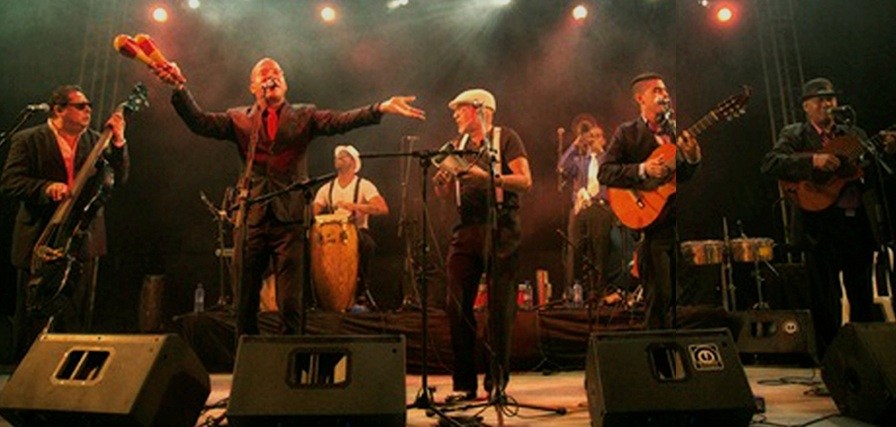
During the concert, *sonero* José Antonio Rodríguez (“Pepitin”) kept the audience constantly engaged, making them dance non-stop to one song after another. They played with *son*, *changüí*, and even *nengón*—traditional tracks from their new album, *El Bar de Paco*, which is highly recommended for lovers of majestic *son*.
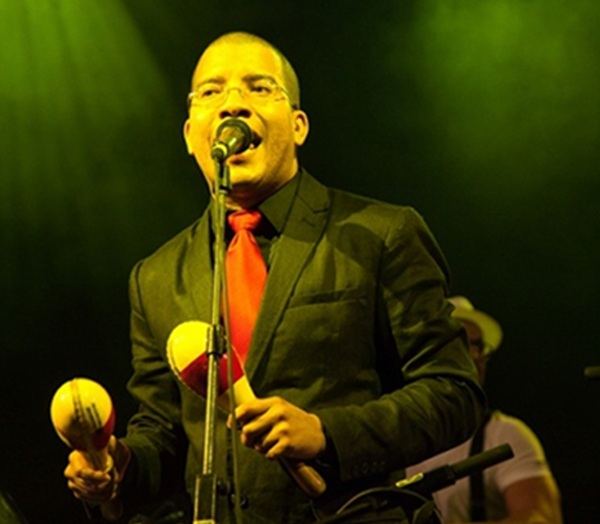
César Hechavarría delighted the crowd time and again with his mastery of the *tres* guitar, delivering rich improvisational solos that we wished would never end. José Manuel Rodríguez Arias radiated joy, dancing while playing the cowbell with great flair and rhythm.
ORQUESTA DEL SOLAR
The guys from Orquesta del Solar threw a fantastic *rumba* party—pure, authentic salsa. They mixed original songs with tasty classics like “Fulanito Malanga,” “Conciencia y Guaguancó,” and “Abran Paso,” as well as a crowd favorite among the night’s dancers: “Ahora Sí.”
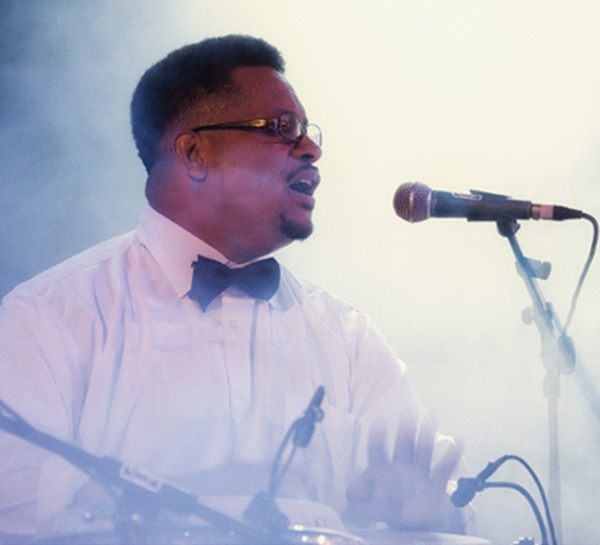
Our sincerest congratulations go to Julio Mena for leading this superb orchestra for so many years as a national and international salsa reference point. They hold the prestige of having accompanied legends like Meñique, Jimmy Bosch, Cheo Feliciano, and Adalberto Santiago—a sheer delight for dancers!
The orchestra is highly appreciated by dancers and is a regular fixture at congresses and events catering to the dance community.

TROVEROS DE ASIETA
We wrap up our musical review of this fantastic event with the *son*-loving Canary Islanders. Returning to Huelva for the second consecutive year, they showcased their tight, cohesive quality—delivering an elegant, powerful *son* sound. Their exciting repertoire featured the *conjunto* style, including tracks like Arsenio Rodríguez’s “Mulence”—a song with quintessential *rumba* lyrics. A treat for both the ears and the feet—and on a personal level, they are humble, down-to-earth, friendly, and charming. The perfect finale to this magnificent festival!
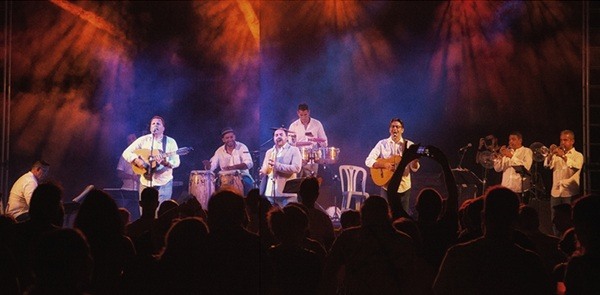
ADDITIONAL ACTIVITIES – FIRST HUELVA SALSA FESTIVAL
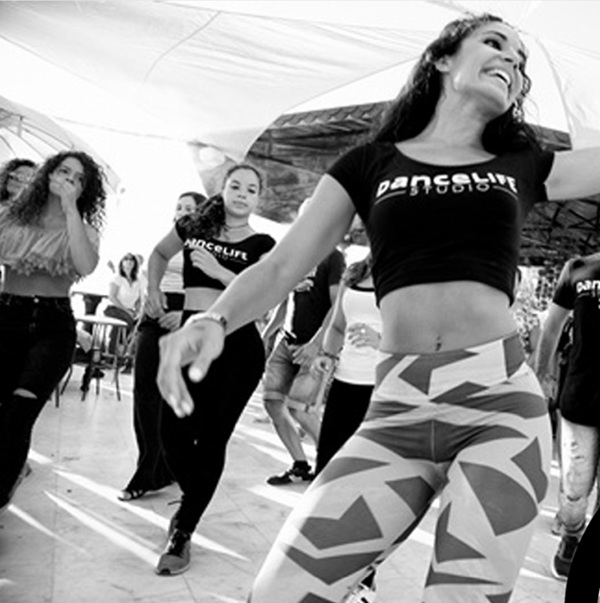
The concert series was complemented by dance, percussion, and history workshops, offering a wide range of activities designed to bring the worlds of music and dance closer to the audience.
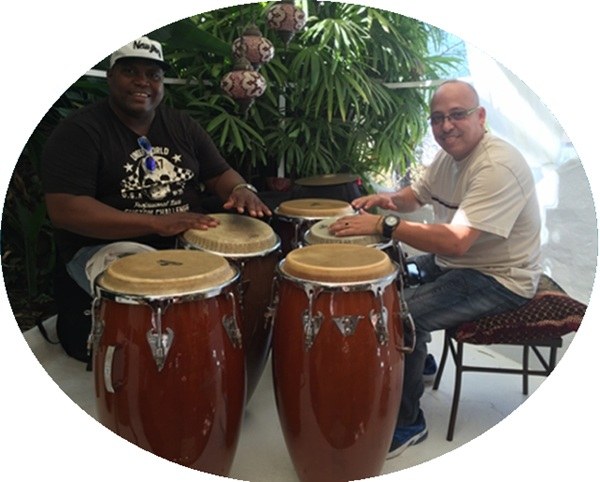
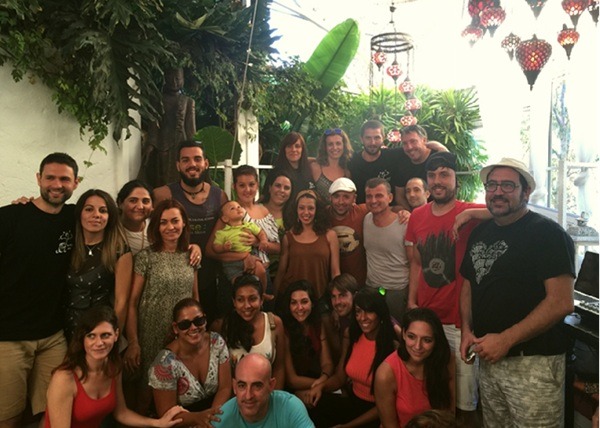
In short, a delightful festival offered free of charge thanks to the Huelva Provincial Council and organized by Música Fundamental, under the leadership of Carlos Ferrer. We are eagerly looking forward to the second HSF!