• Skip to primary navigation
  • Skip to main content

International Salsa Magazine

  • HOME
  • Previous editions
    • 2026
      • ISM / April 2026
      • ISM / March 2026
      • ISM / February 2026
      • ISM / January 2026
    • 2025
      • ISM / December 2025
      • ISM / November 2025
      • ISM / October 2025
      • ISM / September 2025
      • ISM / August 2025
      • ISM / July 2025
      • ISM / June 2025
      • ISM / May2025
      • ISM / April 2025
      • ISM / March 2025
      • ISM / February 2025
      • ISM / January 2025
    • 2024
      • ISM / December 2024
      • ISM / November 2024
      • ISM / October 2024
      • ISM / September 2024
      • ISM / August 2024
      • ISM / July 2024
      • ISM / June 2024
      • ISM / May 2024
      • ISM / April 2024
      • ISM / March 2024
      • ISM / February 2024
      • ISM / January 2024
    • 2023
      • ISM / December 2023
      • ISM / November 2023
      • ISM / October 2023
      • ISM – September 2023
      • ISM – August 2023
      • ISM July 2023
      • ISM Edition June 2023
      • ISM – May 2023
      • ISM April 2023
      • ISM March 2023
      • ISM February 2023
      • ISM January 2023
    • 2022
      • ISM December 2022
      • ISM November 2022
      • ISM October 2022
      • ISM September 2022
      • ISM August 2022
      • ISM July 2022
      • ISM June 2022
      • ISM May 2022
      • ISM February 2022
      • ISM January 2022
    • 2021
      • ISM December 2021
      • ISM November 2021
      • ISM October – 2021
      • ISM September 2021
      • ISM August 2021
      • ISM July 2021
      • ISM May 2021
      • ISM April 2021
      • ISM June 2021
      • ISM March 2021
      • ISM February 2021
      • ISM January 2021
    • 2020
      • ISM December 2020
      • ISM November 2020
      • ISM October 2020
      • ISM September 2020
      • ISM August 2020
      • ISM July 2020
      • ISM June 2020
      • ISM May 2020
      • ISM April 2020
      • ISM March 2020
      • ISM February 2020
      • ISM January 2020
    • 2019
      • ISM December 2019
      • ISM November 2019
      • ISM October 2019
      • ISM Septembre 2019
      • ISM August 2019
      • ISM July 2019
      • ISM June 2019
    • 2016
      • ISM December 2016
  • Spanish
  • Download Salsa App
    • Android
    • Apple

Search Results for: World Salsa

Oscar D’León celebrates 50 years of career in Caracas “International Salsa Magazine says present”

In September, the greatest exponent of Venezuelan salsa in the world will celebrate five decades of brilliant artistic career with an international tour that will have as its main event, an impressive and awaited symphonic gala at the Teresa Carreño Theater. And for september 22 at the Forum in Valencia.
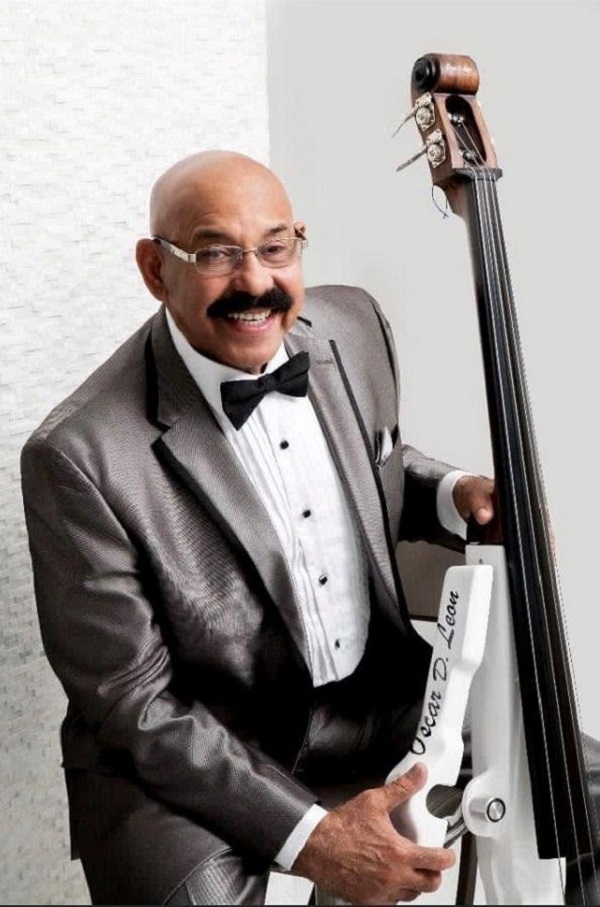
Miami, May 19, 2022. Undisputed legend of Caribbean music, Oscar D’León, the Sonero of the World, celebrates 50 years of successful artistic career with an international tour that will take him to different locations in the Americas and Europe this summer.

This tour, which will begin on June 20 in Mexico City, will continue in July with the “50th Anniversary Europa Tour 2022”, culminating in a spectacular symphonic gala at the iconic Teresa Carreño Theater, which, during two performances on September 16 and 17, will give his audience the opportunity to sing and dance to the music that has made him the most recognized and admired Venezuelan artist in the world over the course of five decades.

Acapulco, Arequipa, Santiago de Chile, Miami, Frankfurt, Munich, Berlin, Paris, Amsterdam, Madrid, Tenerife, London, Istanbul are some of the cities that will live the energizing experience of seeing him on stage, a real party for music lovers.

Deserving of hundreds of awards and recognitions, including five Latin Grammys, D’León has been nominated nine times for the U.S. Grammy, being the first Venezuelan to obtain such a statuette. He did it in 2001 thanks to the song “Cielito Lindo, La Negra Mariachi Medley” Featuring-Oscar D’Leon, included in a collection album: “Masterpiece/Obra Maestra de Tito Puente y Eddie Palmieri”.

In 2013, he received the Award for Musical Excellence, a special recognition granted by vote of the Board of Trustees of the Latin Recording Academy to artists who have made creative contributions of exceptional artistic importance in the field of recording during their careers.

A true prophet in his own land, this global artist who began writing his formidable musical history in 1972, at the age of 28, when he formed the Dimensión Latina Orchestra, promises to celebrate his half-century of career with an unforgettable show at the Teresa Carreño Theater, the most important in Caracas, organized by the Venezuelan companies Imagen Producciones and Oz Show, in alliance with the National Orchestra System of that country.

Important Notes

Venezuelan musician who is among the most outstanding authors and performers of salsa and Caribbean music in general. Oscar D’León’s professional career began late: legend has it that one night, while visiting a nightclub in 1973, he heard that the band playing there had been fired. Oscar seized the opportunity and offered his own band to replace the one that had left.

The owner accepted and hired him to start playing a few days later. There was only one problem: the band at that time consisted only of D’León himself. He quickly got in touch with trombonist César Monge, told him what had happened and both got down to work to put together a line-up.

The band was finally formed by Oscar (vocals and bass, an instrument he had taught himself to play), César Monge (trombone), José Rodríguez (percussion), Enrique Iriarte (piano) and José Antonio Rojas (trombone).

Thus was formed La Dimensión Latina, Oscar D’León’s first orchestra. “Pensando en ti” was the first of the orchestra’s long list of hits. Four years later, Óscar left the band and was replaced by Puerto Rican Andy Montáñez, a vocalist who sang with the Gran Combo de Puerto Rico. Óscar returned with his own orchestra, La Salsa Mayor, with which he recorded his first album, titled after the group’s name: La Salsa Mayor (1977). The work was a great success in his country, and little by little his name began to be heard on an international scale. The following year he recorded the album El Más Grande, which contained the songs “El baile del suavecito” and “Mi bajo y yo”, and shortly afterwards he made his first visit to New York to offer live performances.

Aside from being a great sonero, Oscar D’León is also an extraordinary showman. Almost always accompanied by his bass, with which he plays and dances as if they were a couple, Óscar moves around the stage with great skill. In Venezuela, Óscar D’León is an idol, not only as a singer and musician, but also as a model of a self-made man who, from a very humble position, achieves fame and success on an international scale.

He is considered one of the best interpreters of Afro-Latin music of all times and is undoubtedly among the Venezuelan artists with more projection abroad.

Despite having gone through several stages in the development of Latin music, Oscar D’León’s style, always unmistakable, has maintained some constants that have allowed him to ensure the loyalty of his wide audience. D’León has recorded with the most outstanding salsa stars; among his collaborations, which can be traced in more than fifty albums, stands out his participation in The Mambo King, the hundredth full-length album by the legendary Tito Puente.

Corresponsal: Lida. María Fernanda León

www.Sanjuanproducciones24.blogspot.com
Where To Go Dancing Salsa In Africa During September

Latest news from the Salsero movement in Morocco, Ghana, and Ivory Coast

In September, we came with more force and recharged. In this edition, we offer you the compilation of the best Salsa and Bachata events so that you don’t stay without being part of the Latin scene of the African continent during the last month of summer.

World Salsa Congress Marrakech 2022

Leyenda: James Torres (Organizer and DJ of World Salsa Congress Marrakech)

After the cessation of the event for a year due to the pandemic in Morocco, the World Salsa Congress Marrakech 2022 returns from Wednesday, August 31st to Tuesday, September 6th with four dance floors for the enjoyment of Salsa in the NY and LA style, Cuban Salsa, Bachata, and Kizomba.

A six-day event of Salsa parties, total relaxation, entertainment, workshops, and international live shows with the participation of 2,000 people from 48 countries around the world at the Palmeraie Resorts hotel located in Circuit de la Palmeraie 40000 Marrakesh, Morocco.

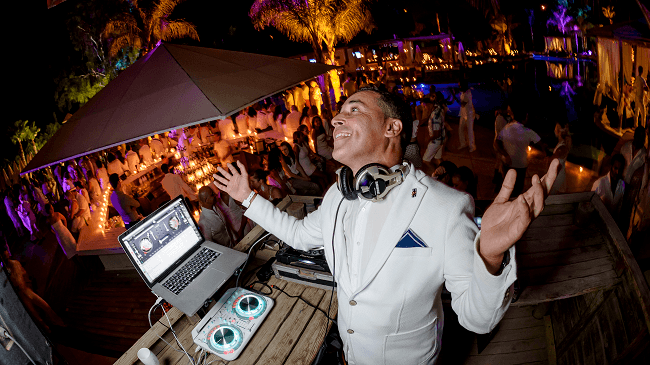
In this eighth edition, every day in the Atlas Room will be a pool party with special guests and international DJs. On Friday, September 2nd, the shows will begin (10 PM – 11:30 PM), on Saturday, September 3rd, five hours of lessons will be held at different levels simultaneously in five rooms (10:30 AM – 3:50 PM), and On Sunday, September 4th, classes will begin at 11 AM and will end this day with the closing party at Nikki Beach with international DJs (Dress code: White).

The DJs that will be entertaining the World Salsa Congress Marrakech 2022 https://www.salsacongress-marrakech.com/programme.php?lang=en are DJ Tronky (Rome), DJ Mascalzone (Rome), DJ Mauri (Amsterdam), DJ Kamal “Salsa Dura” (NRW/Germany), DJ Juan (New York), DJ Babacar (Porto/London), DJ Marco Polo (Helsinki/Finland), DJ Miguel (Miami), DJ “El Loco” Hicham (Nantes/ France), DJ Giorgio Rod (Paris), DJ Ale “El Cubano” (Cuba), DJ Kito Et Jal’s (Rabat/Morocco), and DJ Myster’Youss (Montreal).

The secret party 1001 Night with international DJs will be on Monday, September 5th starting at 9 PM. €10 must be paid for the cost of the transport service. The price of tickets for the six days of Salsa Immersion, Pool Parties, and 33° Sun is €260.

Salsa Dance Night 

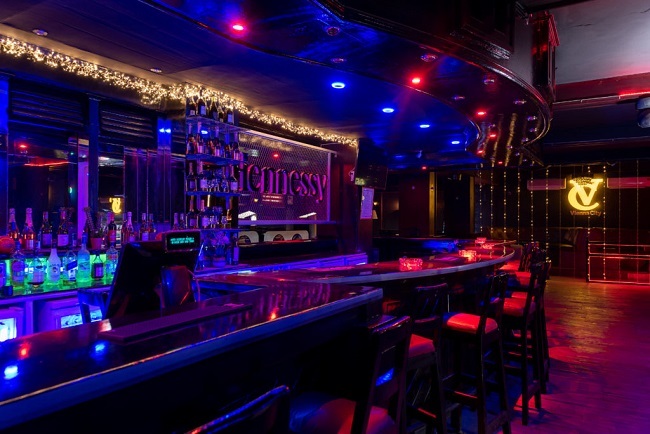
Leyenda: Salsa Dance Night (Wednesday 7th, 14th, 21st, and 28th September)

The entertainment company Vienna City Limited offers Salsa every Wednesday night from 6 PM to 11:30 PM at the Vienna City Hotel located on Emmanuel Quist Rd, Tema, Ghana (West African country).

This business chain with more than 20 years of experience maintains the quality standard in Salsa dance nights with regular training.

This nightclub in the Vienna City Hotel https://viennacity.com.gh/ has established itself as one of the most influential in the seaside city of Tema over the years. Here, you can enjoy a variety of drinks and exotic cocktails, as well as resident and guest DJs that will keep you dancing the night away.

The Meridian Lounge Bar is the soul of the hotel. It has an elegant style and a beautiful panoramic view of the neighborhood. The lounge bar lounge is also dedicated to game nights, comedy, and live Jazz on the weekends. So, don’t miss the opportunity to enjoy Salsa in Ghana every Wednesday in September.

Baila Conmigo – Soirée Latino

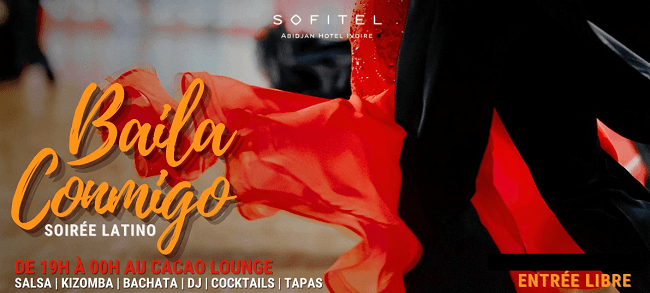
Leyenda: Salsa, Kizomba, Bachata – (Free Entry) 

On Friday, September 16th, you can attend the 100% Latin evening (Salsa, Kizomba, and Bachata) with resident DJs at the Cacao Lounge located inside the Sofitel Abidjan Hôtel Ivoire https://www.facebook.com/SofitelAbidjan (5 stars) located at Boulevard Hassan II 08 Bp 01, Abidjan, Ivory Coast (country in West Africa) starting at 7 PM.

Admission is free, you must use the Mask at all times, and there will be a Hydroalcoholic Gel available.

And if you are a beginner, it does not matter because the professionals of Social Dance Abidjan will be there to support you in your immersion in the dance of Latin rhythms.

Unique Latin atmosphere, Tapas, DJ, and a majestic environment of water and vegetation you will find at the Sofitel Abidjan Hotel Ivoire, a combination of French luxury and African charm on the Ivory Coast.

Berlin Salsa Congress Celebrates With The Salsera Family

Summer of Love’22 will be the main theme of the event that will paralyze the popular German capital

Berlin Salsa Congress invites you to celebrate the passion for Salsa during the summer.

Berlin Salsa Congress is back! Germany’s longest-running high-level social dance-focused event celebrates two decades with the Salsera family from Thursday, August 25th to Sunday, August 28th, and ticket prices range from €94.35 to €229. 65.

Berlin Salsa Congress in continuous operation since 2001 continues to unite dance lovers worldwide, and although in this edition they will not offer parties on the beach, sea, or pool, attendees will be able to enjoy amazing choreography Bootcamps for the Super Advanced level. To these pieces of training were added a series of workshops (during the day and outdoors) for those who want to improve their skills.

Likewise, they will also present the best Stargate shows at night-inside on three dance floors. The high-level social dance will take place from noon to midnight (and Saturday will be intensive), while on Sunday, they will present the results of the bootcamps and the winner of the Stargate Shows.

Also, during the weekend of this Salsero Congress, you will meet an incredible lineup of DJs from the world community in Berlin, who will rock the dance floor and keep you dancing until dawn.

And as usual, there will be Heroes of the Dance Floor. A group of the best social dancers gathered to make you learn some of the best dances of the moment.

The atmosphere will be incredible and just memorable!

Stargate Shows

Stargate shows offer the opportunity for student teams and any artist to showcase their talents to an international audience. The winners are chosen by the public and will be a winner every day. The winners of each day will be presented at the only showcase on Sunday at 9 PM.

Like last year, the Stargate Shows will be broadcast LIVE on the Internet. In 2021, they had about 1,200 daily viewers, and this year they will upload all Stargate shows to their official YouTube channel. Through this platform, an online survey will be conducted where they will select an additional Online Stargate Winner who will grant an extra chance to win. The winners of this online poll will get free access to the 2023 event.

Are you looking for your ultimate challenge?

On Sunday night will be a mixed final choreography of Salsa and Bachata

In Berlin Salsa Congress https://berlinsalsacongress.co/ will be single choreography training with Brenda Liew (Singapore) dedicated to Bachata for Ladies. This Bootcamp will give you energy, style, technique, and passion for eight intensive hours. The required level is Advanced.

The Price of this Bootcamp is €129, and it will take place from Friday, August 26th to Sunday, August 28th. The final rehearsal is on Sunday, August 28th from 7 PM to 8 PM, and the presentation will be at 9 PM.

Berlin Salsa Congress will take place in the Tempodrom (main venue) located in the heart of the city with a total of approximately 1,800 m2 of the dance floor and almost 3,000 seats for shows. Registration, social events from Friday to Sunday afternoon, some workshops, seminars, and discussion panels will take place here. Its address is Möckernstrasse 10, 10963 Berlin.

And the second venue will be Mövenpick. The rest of the workshops will be held in this hotel. Mövenpick – Siemenssaal (a 3-minute walk from Tempodrom) is located on the second floor and has a wooden floor and natural light perfect for the needs required. Its Address is Schöneberger Strasse 3, 10963 Berlin.

Home

Where To Go Dancing Salsa In Paris?

We bring you the 5 best Salsa clubs and events so you don’t miss any opportunity to continue dancing in the city of lights

Every year is a unique opportunity to make Salsa resound throughout the city of freedom and lights. Here, several prestigious places monthly immerse attendees in a Latin atmosphere. It is why in this August edition, we will take you on a journey into Latin American culture with a dream destination of Salsera fun in Paris.

La Pachanga

La Pachanga derives its name from the Cuban rhythm of the 60s

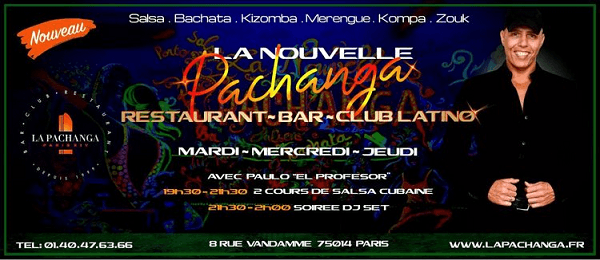
The Bar/Restaurant/Club La Pachanga https://www.lapachanga.fr/ is a place of reference for Salsa lovers, and is located near the Eiffel Tower at 8, rue Vandamme 75014. This club is designed in a cozy and Caribbean style. At the bar, you can enjoy various types of cocktails, Mojitos, Caipirinha, or Cuba Libre as well as a Latin American menu at the restaurant.

At the Pachanga, you can attend classes for beginner and intermediate levels with different instructors who will make you live two hours of Salsa Cubana and Salsa Puertorriqueña dance from Tuesday to Thursday from 7:30 PM to 9:30 PM continuing with social dancing and DJ set until 2 AM. On Saturdays, there are also two-hour Salsa lessons at the same time, and La Pachanga closes its doors on this day at 5 AM. The cost of entry is 12 euros.

Le Balajo

You must present a Vaccination Certificate and an identity document to access the club.

Le Balajo nightclub https://www.balajo.fr/ open since 1936 brings Salsa and Bachata classes every Tuesday from 7:30 PM to 2 AM for beginners and intermediate-level dancers. Amateur Salsa lessons start at 7:30 PM, while Intermediate Salsa lessons begin at 8:30 PM, followed by a Latin party hosted by DJ Karim until 2 AM.

The fees to attend this weekly event of joy and good humor are €8 and include non-alcoholic drinks and €12 if the beverage is alcoholic, but if you want to enjoy the bar and its atmosphere, the entrance fee is €5. The address is 9 Rue de Lappe, 75011 Paris, France.

Cubana Café

It is a restaurant, bar, and smokehouse for cigar enthusiasts with a quiet atmosphere in the evening.

The Cubana Café Bar/Restaurant https://www.cubanacafe.com/ is a cozy, exotic place with a 100% Cuban atmosphere. Every weekend they organize Latin Nights until dawn. Starting on Fridays and Saturdays with a DJ set from 9 PM to 5 AM and ending on Sundays from 12:30 PM to 3 AM, if you consume one of the three traditional Cuban dishes with a cocktail with or without alcohol, you will only pay €17.90. Cubana Café opened its doors 22 years ago and is located at 47 Rue vavin in the 6th district. Decoration made in Cuba, warm colors, Salsa, and a dynamic atmosphere at night await you at Cubana Café.

Pachamama

The decoration is influenced by the regions of South America with glamorous and bohemian touches that converge.

Pachamama Parisian Restaurant/ Bar/ Nightclub https://www.pachamama-paris.com/index.php/en/home-alt-2/ is located at 46-48 rue du Faubourg Saint Antoine, 75012, Paris, in a historic building from the 19th century designed by Gustave Eiffel in the neo-vintage colonial style. It has three levels inspired by the myths and sacred symbols of the pre-Columbian peoples influenced by the Latin traditions of the New World. It is open from Thursday to Saturday from 8 PM to 5 AM, with resident DJs on stage lighting up the dance floor (Lower Floor) with harmonious mixes between Latin Music, Soul, Pop, and Deep House.

La Terrasse Latino

Around 1,000 lovers from the Latin American continent enjoy gathering at the Terrasse every Friday in the summer.

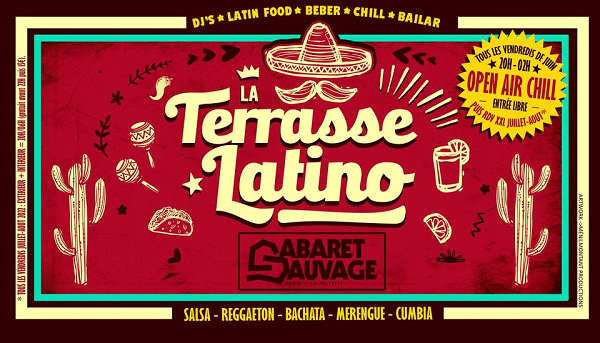
The largest open-air Latino gathering in Paris continues on the terrace of Cabaret Sauvage this summer in August. La Terrasse Latino https://www.cabaretsauvage.com/work/la-terrasse-latino-du-cabaret-sauvage-3  located at Parc de la Villette 59 Boulevard Macdonald, 75019 will offer Salsa Caleña lessons every Friday with instructor Francy Barahona de Calisabor (8:45 PM – 9:30 PM). It will also have Latin American cuisine, and DJ El Dany, DJ Nybra, DJ Barbas and DJ Capitán Cumbia will be present until 5 AM. Admission is free from 8 PM to 10 PM and after that it will cost €15 per box office.

Paris Salsa Weekend 

Paris Salsa Weekend is organized by passionate DJs and followed by a large Salsera community.

The capital of France is a dream destination for Salsa dancers. Here, magic happens, that’s why in this edition, we bring you three regular Salsa parties in a row that will take place during Paris Salsa Weekend 2022, https://www.lesalsaclub.com/psw from September 9th to September 11th. So, don’t miss the opportunity to attend because they are rarely held.

Sal’Sounds 70’S Party in Paris. You will hear Salsa only on Vinyl by DJ Mulato on Friday, September 9th from 9 PM to 2 AM. The address is Salle Colonne, 94 Bd Auguste Blanqui, 75013, Paris, and admission is €13. Party strictly on vinyl is the sound that dictates the law!

LeSalsa’Club Party. You will dance at the biggest monthly Salsa social party on September 10th from 3 PM to 8 PM. You can meet national and international instructors specializing in On1 and On2 styles here. LeSalsa’Club will take place in the 13th arrondissement, at the Maison des Associations de Solidarité (MAS), 10-18 rue des Terres-au-Cure, 75013 Paris. The cost of admission is €13.

Sunday Night – O’Sulli Sauce. The Paris Salsa Weekend culminates with the party on the night of Sunday, September 12th at O’Sullivans By The Mill located at 92 Bd de Clichy from 9 PM to 2 AM, and the ticket will have the same value as the previous ones.

Home

“Tabaco y sus Metales” the legend of Salsa made in Venezuela

On May 30, 1995, Carlos “Tabaco” Quintana died in Caracas, Venezuela, the city where he was born on September 15, 1943.

Charismatic Timbalero, Sonero and Director of “Sexteto Juventud” and “Tabaco y sus Metales” the legend of Salsa made in Venezuela”

Former member of  “Sexteto Juventud”, founder of the orchestra  “Tabaco y sus Metales”. He was born on September 15, 1943 and began his musical training in the corners of San José.

Youth took him hand in hand with the street salsa brava, the rebellion of Palmieri and Mon Rivera’s trombones and the castinglés sound of Joe Cuba’s sextet.

And it was so long that they began to call him “tabaquito”, a tabaquito who waited for the day to be over to find the musical flavor far from the chore of shoeshine boy and town crier.

He never forgot that he used to go out to 23 de Enero to listen to the rehearsals of a group that was being formed there.

Years went by and rehearsals went by while Tabaquito got to know one by one the members of that group until 1963, when he was twenty years old, his friend Elio Pacheco recommended him to Olinto Medina, the leader of that band.

Olinto was about to rehearse “Guasancó” and the singer was not in tune with him.

Elio’s recommendation took effect and “Tabaco” did its thing, very well. Thus the Sexteto Juventud had a new voice and something more, because Carlos Quintana was able to walk through all the instruments of the group.

He had an almost magical vocal timbre. His voice was astonishingly similar to Ismael Rivera’s and we already know what that meant at a time when Maelo was the obligatory reference from the ranks of Rafael Cortijo’s Combo.

With Quintana the Sexteto Juventud had moments of true glory because although it reflected the influence of Joe Cuba they created a style that continues without copy.

In addition to his vocal art, Tabaco was a good composer, with a good vibe and reciprocity in the town. Every September he would go to play for the prisoners, on the day of Las Mercedes. He felt what a captive felt and that is why he composed “La Cárcel” (Qué malo es estar/ estar entre rejas/ y qué soledad/ qué soledad se siente).

Along with this song he released “Mi Calvario”, a piece that became a classic.

(Quisiera saber/ cuál fue la causa/ de nuestro olvido.And so, between recordings and toques, Tabaco, in the Sexteto Juventud, saw the arrival of José Natividad Martínez, Naty, the flutist and friend. Naty sold the idea of the brass to Quintana and Quintana, buying, suddenly came up with “Tabaco y sus metales” and recorded Pablo Alvarez’s “Una sola bandera” which was a smash hit, “Agua de mayo” and his tribute to the rumberos, “Tuntuneco”.

In May 1984 we published a very rich interview with Tabaco in El Nacional’s Feriado. Almost immediately they called to locate him. He was invited to the Managua 84 festival. It was the first time he left the country by air.

He performed for 30,000 people with Son 14, Amaury Pérez, Pupi Legarreta and Tania Libertad, among others. On his return he told me that the Cubans were astonished because they thought that in Venezuela there was only Oscar D’ León, and that he almost fainted when Daniel Ortega approached him to ask for an autograph, and that he touched the sky when Adalberto Álvarez and Son 14 went up on stage with him to sing “Una sola bandera”.

His dreams: He had two: To record an album as a tribute to Ismael Rivera, and to make another one with boleros. Once in Macuto he sang with Ismael Rivera and for both of them it was a tremendous experience. In Guarenas, the musical and brave, specifically in “Menca de Leoni” was cooking the dream.

With Naty’s help, he began to record Maelo’s on an album that the Sonográfica label did not take care of releasing afterwards. He could not finish it because cancer took him to the hospital where Joe Ruiz was also hospitalized.

That album was vocally completed by Ángel Flores. He, who admired Cheo Feliciano and Tito Rodríguez so much, could not make the bolero album either.

Naty says that in more than one night he managed to get Tabaco out of the hospital to advance the tribute album to Maelo. She knew that Tabaco wanted to do it, and pleased the friend, who also, looking for spiritual relief to his physical pain, went to Los Teques, where he was surprised by death on May 30, 1995.

“Tabaco” Chronology of his musical life 1.943 Carlos Quintana was born on September 15 in the San José neighborhood of Caracas, Venezuela.

1.955 as a child he worked as a shoeshine boy and began to be interested in music.

1.959 in his adolescence he attended the rehearsals of a musical group in the 23 de enero neighborhood of Caracas, because of his skinny body and stature they began to call him Tabaco.

1.962 on May 13 was founded the group called Conjunto Rítmico Juventud, which eventually gave rise to the Sexteto Juventud, composed of Olinto Medina as director and bassist, Elio Pacheco on the Tumbadora, Carlos Croquer on drums, Arturo Lopez singer, Juan Medina on guitar and Isaias on bongo.

1.963 musician Elio Pacheco introduces Olinto Medina leader of the group to his friend Carlos Quintana.

1.967 “Tabaco” joins the group and in a short time he becomes the vocalist of the group in his first recording titled “Guasanco”, a 45 rpm single whose reverse side was titled “Cautivo”, this happened on February 22nd of that year.

SB1 Publications

Besides having a voice similar to that of Ismael Rivera, Carlos Quintana performed well on the bongo and other instruments.

On June 11, 1967, the first album of Sexteto Juventud was released, entitled “Guasanco”, it was recorded for the Velvet label and the name of the album was due to the success of its first single “Guasanco”, other songs on the album were “La Jibarita”, “Bógalo” and “Consejos de mamá”.

The same year 1967, this time on September 24th, their second album is announced: “Mas Guasanco”.

A new production of the sextet is called “A bailar juventud”, which contains the songs “Guasanco número 3”, “Hermanos con salsa”, “Soy el Bravo” and “Guajira Sentimental”.

The Sexteto releases the album “Mala” for the same Velvet label, where the numbers “Capricho antillano”, “La calle 10”, and “El Nuevo Guasanco” were recorded.

Two new records that were pressed for Velvet are: “Sabroso tumbao” and a work with the voices of Carlos Quintana and Oscar Mijares who was nicknamed “El chino” titled “La juventud se impone” for the Velvet label, in which they developed rites such as: Guaguancó, Jala jala, Guajira, Guaracha and Mozambique with hits such as “La cárcel” and “Jala jala Navideño” in the voices of Carlos Quintana and Oscar Mijares.

1.971 a new Sexteto album was released, entitled “La magia del sexteto”, which included songs such as: “Con todas las banderas”, “Sandra Mora” which would later be recorded by Naty y su Orquesta, “Caramelo y Chocolate” and “Virgen de los cuatro vientos”.

Also in this year they recorded an album called “A todo ritmo” in which they included “Caramelo Tumbao”, “De nuevo Borinquen” and “Comand Bógalo”, they were awarded a gold record by the Velvet music label.

1.974 On April 22nd without “Tabaco” in their ranks, Sexteto Juventud recorded an LP that we have to mention for its success at the Salsa level, the album was called “Lo espiritual del Sexteto Juventud” with rhythms like “Guaguanco”, “Guaracha”, “Bolero”, “Danzon” and “Guajira” and we highlight the numbers “Espiritualmente”, “Vestida de Blanco” and the homage to the Boricua land with the theme “A Puerto Rico”.

1.975 following the suggestion of his friend and musician the Venezuelan flutist Natividad Martinez, Carlos Quintana creates his own group “Tabaco” and his Sextet. Their first song was called “Una sola bandera” and was very well received by the public.

Also in 1969 he recorded the spectacular album titled “Agúzate”, for Tico Records, with classic songs such as: “Aguzate”, Amparo Arrebato”, in homage to a dancer from Cali, Colombia, “Vive feliz”, “Guaguancó Raro”; “Traigo de Todo” and the bolero “A mi manera”.

Carlos Quintana recorded the album titled “El Sabor de Tabaco” in the Colors studios in Caracas, the album contains songs such as “Maria lienza”, “Pegao”, “Ofrenda” and Yabirongo”.

1.975 records the albums “Tronco e’ baile Tabaco y su Sexteto” for TH records in which appear the themes “Pobre”, “Mata Ciguaraya” by Benny More and the hit “La Libertad”, in which he makes mention of the greats like Benny More, Celia Cruz and Ismael Rivera, half of the themes of the album are authored by Gabriel Carrasco and the other record production of 1. 975 was called “Tabaco y su Sexteto: Mi pueblo – Mi burrita – Nostalgia”, for the Top Hits label, with the production of Tony Montserrat and which has the themes “El Vals de Papa”, the Tango “Nostalgia” and a very salsa number titled “Ponte en Ritmo”.

1.976 his musical work is titled “Tabaco y su Sexteto” with the arrangements, production and direction of Victor Gutierrez, the record was made in Venezuela by La Discoteca CA. And contains a number of authorship of “Tabaco” entitled “Mi Celda”, and other songs like “Amor amor” and “Prefiero mí son montuno”.

1.978 Carlos Quintana changes the name of his group to “Tabaco y sus Metales” and with that title they record for the Top Hits label in the Intersonido CA studios, the album includes songs like “Tristeza y pena”; “Celda de castigo” and “Sinceridad”; both by Carlos Quintana. The orchestra was formed by Pedro Landaeta on Piano, Hector Pacheco on Bass, Pablo Álvarez on Conga, Carlos Quintana Bongo and Percussion, Gabriel Carrasco on Tres, Trumpets by “Pollo” Fuentes and Luís Arias, Natividad Martínez on Flute, Carlos Quintana Singer and the choirs of Gabriel Carrasco, Dimas Pedroza, Álvaro Serrano, Carlos Quintana and Víctor Gutiérrez.

1.979 Tabaco y sus metales publishes a new album under the title “Ni poco ni demasiado” also for the TH label with a number of the same name and other songs such as the big hit “Arrollando”, a version of the song “Todo de los metales”, a version of the song “Todo de los metales”, and a version of the song “Todo de los metales”. a version of the song “Todo el mundo escucha” by Bienvenido Granda and also a number by Markolino Dimond titled “Maraquero”.

With the production, arrangements and direction of  Victor Gutierrez, the recording was made at Intersonido CA in Caracas.

1.980 the musical work of this year was titled “Advertencia”, this work was made in Puerto Rico under TH license, it is a sample of what at that time “Tabaco” meant in Salsa, in this recording participated musicians like Luís Quevedo in the Piano, Polo Huertas in the Bass, Papo Pepín in the Conga and Yayo el Indio and Carlos Santos in the choirs.

The musical direction and arrangements were in charge of Ray Santos. Among the songs on the album are “Agua de mayo” by Pablo Álvarez, “Que ironía” by Carlos Quintana and “Alegría” by Naty Martínez. Regarding this work, Rafael Rivas, Disc Jockey of Radio Aeropuerto, wrote: “Latin music in Venezuela has had several variants, some aimed at fulfilling a certain time, others evidencing the spirit and reality, the daily life with success; precisely to this current or trend belongs Tabaco.

The commitment to sing what he carries inside, to expose with his natural style the things he feels, even his motivations, leads us to reflect on the figure of Tabaco.

It is he, and no other, in our country, who has dedicated himself to present with passion what he suffers, what he sees, what he truly feels.

Tabaco says, his naturalness allows that balance between what he sings and lives, he seems to conjugate, and perhaps that is the truth, to take for himself, what we have logically lived.

Tabaco’s life is here, and we respect his criteria: without a tenacious diffusion Tabaco has managed to sell, to surpass the best; and there is a reason for it: Tabaco has the strength.

He is interested in singing, in carrying a message, and in his own way he has exposed it with sense, with full authenticity.

Tabaco commented to me one afternoon at the Airport: “Tigre, I believe that the important thing is to define ourselves, to express our reality and denounce at the same time: that is why Rafael believes in you, because you are the message, the truth of our movement”.

Tabaco was referring to the content of the songs; he believes in the possibilities of music, in its magic to undertake behaviors and to present the rage, love and passion of our spirit.

Later Tabaco pointed out to me: “What is indispensable is to sing, the way things are felt, the way the people communicate, that is why I make Salsa”.

And that is why Tabaco has a name, a special public, that has known how to understand him, because he has reached us, with sense and commitment. He is the voice of the people aimed at interpreting their process, their experiences, their daily work. Therein lies the reason for his inspiration, the context of his themes.

When he inspires, he shows his capacity to value, his speech evidences his thoughts, his aspirations, and also his repudiation. He hides nothing and what emotion we feel, when he unloads on the timbales, when his voice rises and blends with the rhythm, telling truths, encouraging the spirit, if I understand the dancer, generating relief to the heart, living the cadences, demonstrating his skills as a sonero. He created his own style, and this has consecrated him.

Now we have the new Tabaco, with more maturity, and the experience of the arranger who at this time has a special prestige: Ray Santos.

Ray’s commitment went beyond what we originally thought; Tabaco was a challenge for Ray; he had Santos in front of a marvel, as he described him, the people turned to the figure of Tabaco, who felt he had the best time to undertake the melody.

Ray prepared the arrangements with a concentration that he had never achieved before, he understood the commitment, and Tabaco knew how to respond to the requirements.

Ray confessed that Tabaco is gifted with possibilities, so his work demanded the maximum. For the first time, Tabaco appears with a superband, with a different orchestration, and it was necessary to do it, the time demanded it, his voice has the right to sound to the four winds, it is time that our best (Tabaco) interprets reaches the Caribbean, with height.

Tigres y tigressa, with this LP we will have special music; its quality, its conception, will lead us to take it into account, not only for our rumbas but to enjoy it all our lives.

The producers knew perfectly well the intention of recording with Ray Santos, they knew that Tabaco would keep to his style, without any change or twist that could deviate his personality as an interpreter; what they were basically looking for was perfection in the orchestration, that magic touch that would allow him greater expressive freedom; that is the reason for recording in Puerto Rico.

The best thing that could have happened to Tabaco this year was to meet Ray Santos, and for us, that unity represents the most audacious and wonderful thing that has been done so far. I believe, despite the express prohibition to advertise cigarettes, that this Tabaco is the purest, most inimitable in its Venezuelan flavor, and most authentic of the Caribbean. What are you waiting for? Light it up now! Tabaco y sus metales 1.981 was his next production for Top Hits records, with arrangements by Jorge Millet and Natividad Martínez, in which the songs “Si la envidia fuera Tiña” by Jorge Millet and Carlos Quintana: “Mi Celda” and “A Millet” were recorded.

In 1982 he recorded an album called “Cosa Linda”. The themes of the album are: “Cosa linda”, “Tremendo guaguancó”, “Fiebre de ti”, “El callo”, “De mi rancho a tu casa”, “El cafetero”, “Camarera de amor”, “Consejo a las mujeres”.

(H3) 1.983 Produces the album “Homenaje a los bravos”, also for TH records, which includes “Baranda” by Justi Barreto, “El Timbalito” by Tito Puente and “La Culebra” by Obdulio Morales.

1.984 in this opportunity the album was called “El Timbalero, Tabaco y sus Metales”, which includes two numbers by Justi Barreto: “Timbalero” and “Barito”, the song “Casamiento” by Rafael “Chivirico” Dávila and a song written by Carlos Quintana: “Contestación a mi calvario”, production, direction and arrangements by Andy Duran.

  1. 988 Tabaco y su grupo futuro, recorded for the Velvet label in which they recorded songs like “El taxista” and “El Temporal”, with arrangements by Félix Suárez and Víctor Santana, the members of the group are Carlos Quintana singer, Fidel Antillano pianist, Jesús Torres on bass, Cruz Armando Quintana on bongo, Alirio Castillo on Timbal, Alberto Vergara on Vibraphone, Victor Santana on tres and guitar, Jorge Ruiz on conga, Tambora and guiro in charge of Jorge Orta and the choirs of Carlos Quintana, Felix Suarez, Victor Santana, and Pablo Alvarez.

On May 30, 1995, the Venezuelan musician, composer and singer Carlos Quintana, known in the salsa world as “Tabaco”, died in the city of Caracas, victim of cancer. His voice died, but his legacy of thirty-two years of artistic life remains for all the followers of his musical work in Venezuela, Colombia, Latin America and the world.

  • « Go to Previous Page
  • Page 1
  • Interim pages omitted …
  • Page 24
  • Page 25
  • Page 26
  • Page 27
  • Page 28
  • Interim pages omitted …
  • Page 189
  • Go to Next Page »

International Salsa Magazine (ISM) is a monthly publication about Salsa activities around the world, that has been publishing since 2007. It is a world network of volunteers coordinated by ISM Magazine. We are working to strengthen all the events by working together.