• Skip to primary navigation
  • Skip to main content

International Salsa Magazine

  • HOME
  • Previous editions
    • 2026
      • ISM / May 2026
      • ISM / April 2026
      • ISM / March 2026
      • ISM / February 2026
      • ISM / January 2026
    • 2025
      • ISM / December 2025
      • ISM / November 2025
      • ISM / October 2025
      • ISM / September 2025
      • ISM / August 2025
      • ISM / July 2025
      • ISM / June 2025
      • ISM / May2025
      • ISM / April 2025
      • ISM / March 2025
      • ISM / February 2025
      • ISM / January 2025
    • 2024
      • ISM / December 2024
      • ISM / November 2024
      • ISM / October 2024
      • ISM / September 2024
      • ISM / August 2024
      • ISM / July 2024
      • ISM / June 2024
      • ISM / May 2024
      • ISM / April 2024
      • ISM / March 2024
      • ISM / February 2024
      • ISM / January 2024
    • 2023
      • ISM / December 2023
      • ISM / November 2023
      • ISM / October 2023
      • ISM – September 2023
      • ISM – August 2023
      • ISM July 2023
      • ISM Edition June 2023
      • ISM – May 2023
      • ISM April 2023
      • ISM March 2023
      • ISM February 2023
      • ISM January 2023
    • 2022
      • ISM December 2022
      • ISM November 2022
      • ISM October 2022
      • ISM September 2022
      • ISM August 2022
      • ISM July 2022
      • ISM June 2022
      • ISM May 2022
      • ISM February 2022
      • ISM January 2022
    • 2021
      • ISM December 2021
      • ISM November 2021
      • ISM October – 2021
      • ISM September 2021
      • ISM August 2021
      • ISM July 2021
      • ISM May 2021
      • ISM April 2021
      • ISM June 2021
      • ISM March 2021
      • ISM February 2021
      • ISM January 2021
    • 2020
      • ISM December 2020
      • ISM November 2020
      • ISM October 2020
      • ISM September 2020
      • ISM August 2020
      • ISM July 2020
      • ISM June 2020
      • ISM May 2020
      • ISM April 2020
      • ISM March 2020
      • ISM February 2020
      • ISM January 2020
    • 2019
      • ISM December 2019
      • ISM November 2019
      • ISM October 2019
      • ISM Septembre 2019
      • ISM August 2019
      • ISM July 2019
      • ISM June 2019
    • 2016
      • ISM December 2016
  • Spanish
  • Download Salsa App
    • Android
    • Apple

Search Results for: charanga

Hansel and Raúl, The Charanga Legend duo

Hansel and Raúl, The Charanga Legend duo

Hansel and Raúl is a charismatic and transgressive Charanga duo of the line of romantic lyrics of the time. They positioned the Cuban “Charanga” rhythm on the top of global popularity, a danceable genre that they imposed on each stage they were invited to and which incorporated their unique Caribbean essence.

This particular duo with three decades of trajectory was born in Miami in 1984 after breaking from the orchestra “Charanga 76”, where they were co-founder members and their main vocalists. With this New York orchestra, born in Brooklyn, they won international recognition and their first Grammy for the album “Encore” in 1978.

Photo of Hansel and Raúl
Hansel and Raúl – The Charanga Legend duo

“Many of the artists who recorded with them during their stay in “Charanga 76” include the renowned pianist – for many years – by Héctor Lavoe, Gilbert Colón and the first Jewish-American flutist woman, Andrea Brachfeld.”

Very pleasant memories come to Hansel‘s mind during this interview, especially his first composition “Si no te encuentras tú” for Charanga 76, his voice took a turn and he showed nostalgia as well as pride in remembering it: “I don’t sit to write a song with a guitar or piano. The Inspiration comes to me alone, there is nothing personal”.

Each anecdote that he tells us is remembered as facts that have led to their musical maturity. Each fun fact has been defined as part of their career, such was the case of the great master, Israel “Cachao” López, who with all his musical wisdom and mastery of his instrument, the Double Bass, taught the rhythmic base to the orchestra. “The conguero and the timbalero even the güirero he taught them to play well. He was a teacher of all, including us who learned a lot from him. R.I.P, he was a glory of music”, Hansel said to us.

But that wasn’t all he told us about the legend of Cuban music, “Cachao”, who was the Double Bassist of the “Charanga 76” orchestra for 12 years, also he told us that every time they wen a tour the “Inventor of Mambo” had them buy a plane seat to his Double Bass, he sat it next to him and even put the belt on the string instrument, as is dictated by airline regulations.

The funniest thing would come later when the Double Bass received the same attention as each member of the orchestra. Amazing! The Double Bass also had its portion of food during each trip as each musician of the orchestra, and when the flight attendant brought it was when the offer was presented by each musician for that fabulous portion, although the end was always the same, the trumpeter won!
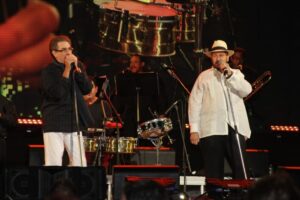
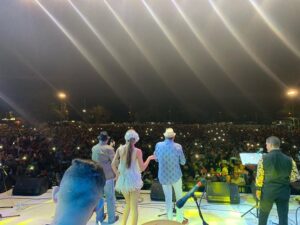
Hansel y Raúl - Photo
Hansel y Raúl concert
Photo in concert - Hansel and Raúl
Hansel and Raúl – Photo behind the scenes

Each experience with Charanga 76 made them evolve in music and although with this orchestra they made themselves renowned professionally, as a duo they flew the fence. They have received multiple musical awards, their sympathetic lyrics, and in some cases, satirical or burlesque have won the applause, admiration, and respect of colleagues in the music industry and the general public on three continents: America, Europe, and Asia.

“The Jersey Boys” was their first youth musical group with only 5 members and although the musical instruments they played were the basics of Rock, their rhythmic concept was Cuban music.

“María Teresa y Danilo” was one of the compositions that brought many satisfactions to this duo. Nowadays it’s still preferred by the fanatical public of the genre. Many debates and speculations were made about this song, but here we tell you the true story. “María Teresa y Danilo” dates its beginnings to the 80s when soap operas like “Dallas” were in fashion.

Hansel came up with the idea of diving and writing on this topic. He magically composed the lyric during the plane trip with San Francisco – Miami trajectory and the rest we already know, multiple copies sold, and hundreds of awards granted to them for the feeling that caused this popular theme.
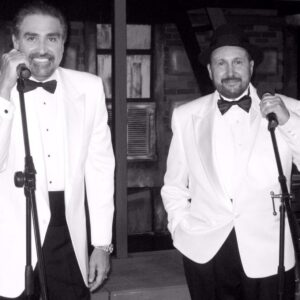
Photo of Hansel and Raúl

Photo of Hansel and Raúl in their beginnings

After such overwhelming success as a duo, Hansel and Raúl decides to separate in 1988. What was the reason?

Everyone wanted to make another kind of music. Each one followed a different path, for his part, Hansel recorded five solo albums including metals, more trumpets and trombones, and in three of these albums, he included neither the violin nor the flute, assuming almost completely the end of the Charanga rhythm in his music. However, a short time later he realized that this Caribbean rhythm was what identified with his audience and two years later he joined Raúl again to continue their successful career.

Hansel and Raúl has a total of 330 songs recorded and on December 31 this Charanga duo will have a performance in Los Angeles, CA and you may be lucky and they play your favorite single and if don’t you can ask for it. Classics such as “Soy”, “Se me nota”, “El ayer”, “María Teresa y Danilo”, “Kukucha kucha”, “Balancea mi corazón” (Yordano), “Ojos Verdes” (Alfredo Gutiérrez), among many others, will be present at this 1: 45min show.
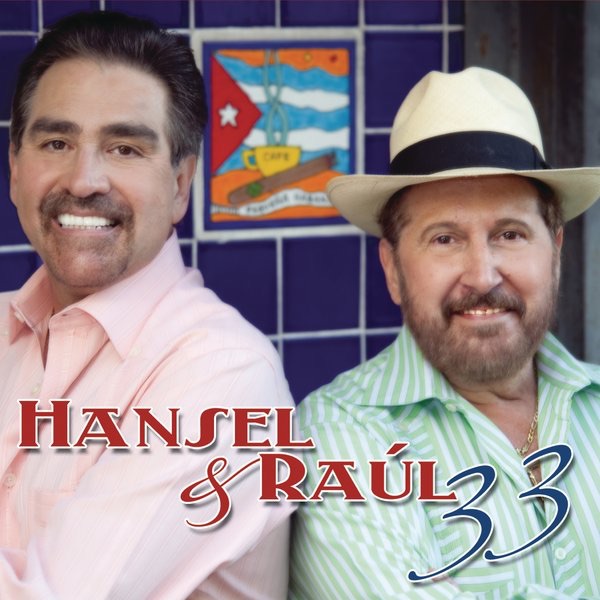
Hansel and Raúl
Cover of Hansel and Raúl, Discography 33

Purchase your Tickets quickly before it´s sold out

https://www.facebook.com/events/crown-plaza-hotel-and-casino/new-years-eve-2020-the-great-gatsby-presents-hansel-raul/271515257093512/

We hope to see them there singing each of their hits and if you later travel to New York, don’t be surprised to see Hansel in that city because he and his family will be celebrating their daughter’s sweet sixteen, on the second day of January 2020.

Is Hansel a stage name?

Although some may consider that Hansel is a characteristic name of the children’s story “Hansel and Gretel”, this name comes from Germany and it’s of Jewish origin. Hansel Enrique is the name of this singer and songwriter “Charanguero” and he is named so to differentiate himself from Hansel Horacio (father). In Cuba, the tradition is maintained that every male child must bear the name of his grandfather; this is the reason for all his cousins are called Hansel.


More Details visiting:

http://www.HANSELYRAUL.com

Social Channel:

https://www.facebook.com/pg/HANSELYRAUL/

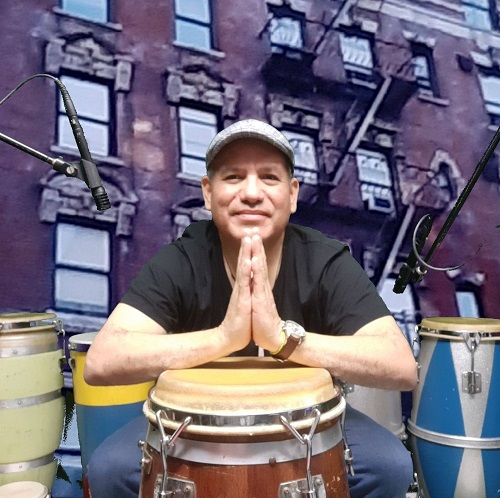
Gerardo Rosales is the creator and producer of Combo Mundial, Venezuela Masters and Charanga La Crisis

Gerardo Rosales was born in Caracas Venezuela on July 6, 1964. At the beginning of his musical career he was a percussionist for important figures of his country.

He has been living in Europe since 1992, and has taken up residence in Holland, a country that has served as a base for him to project his music around the world.

He has recorded 20 albums under his own name and more than 70 productions with other artists.

Gerardo Rosales’ specialty is creating musical projects in the styles of salsa and Latin jazz.

Gerardo Rosales is the creator and producer of El Combo Mundial, Venezuela Masters, Charanga La Crisis, Our Latin Groove, La Gran Charanga, Son del Sofá, Rítmico y Pianístico, Cachao Sounds and many more.

In his beginnings in his country Venezuela he performed with:  Orquesta Café, Orlando Poleo, José Rosario, Canelita, Soledad Bravo, Adrenalina Caribe, Ilan Chester, Cecilia Todd, Víctor Cuica, Alberto Naranjo, El Trabuco Venezolano, Joe Ruiz, Tabaco, Los Satélites, Nancy Ramos, Wilmer Lozano,Watussi, Trina Medina etc.

In Europe he has performed with: The Rosenberg Trio, Saskia Laroo, Hans Dulfer, Benjamin Herman, Peter Beets, Tango Extremo, Drums United, Nueva Manteca, New Cool Collective, Fra Fra Sound, Denisse Jannah, Laura Fygi, Izaline Calister, Metropole Orchestra, Holanda Big Band, Cubop City Big Band, Lilian Vieira, Rolf Sanchez, ChaChaChalina y Maite Hontelé etc.

Gerardo Rosales has accompanied on tours, recordings and performances in Europe artists such as Dee Dee Bridgewater, Benny Bailey, Paquito D Rivera, Bebo Valdés, Toots Thielemans, Jimmy Bosch, Juan Pablo Torres, Herman Olivera, Oscar D León, José Alberto El Canario “, Andy Montañéz, Meñique, Edy Martínez, Carlos” Patato “Valdés, Conexión Latina, Orlando Valle” Maraca “, Alfredo Rodríguez, Armando Peraza, Luisito Quintero, Ramón Valle, Larry Harlow, Adalberto Santiago, Frankie Vázquez, Oscar Hernandez, Africando, Chamaco Rivera, Luisito Carrion, Jorge Herrera, Edgar Dolor, Dorance Lorza, Luisito Rosario, Watussi, David Cada, and Tito Allen, etc.

The Records of Gerardo Rosales:

2016 Gerardo Rosales “Salsa Vintage” (Download – CD – LP)

2014 Gerardo Rosales “Son Del Sofa” (Single) ITunes

2013 Gerardo Rosales “Síguelo” (CD).

2011 Gerardo Rosales “Chano Pozo’s Music” (CD).

2011 Gerardo Rosales “30 Aniversario” (CD).

2010 Cachao Sounds “La Descarga Continúa” (CD).

2010 Gerardo Rosales “Buscando Chamba” (CD).

2009 Venezuelan Masters Orchestra “Toros y Salsa” (CD).

2008 Gerardo Rosales “Salsa Mundial” (CD).

2007 Our Latin Groove “Bringin’ it All On Back” (CD).

2005 Gerardo Rosales “Mongomanía” (CD).

2005 Charanga La Crisis “Salsa Antigua” (CD).

2004 Gerardo Rosales “Tribute to Fania” (CD).

2001 Gerardo Rosales “La Salsa es mi Vida” (CD).

2001 Gerardo Rosales & Edy Martínez “Rítmico y Pianístico” (CD).

1999 Gerardo Rosales “El Venezolano” (CD).

1998 Gerardo Rosales “Señor Tambó” (CD).

1996 Gerardo Rosales “Venezuela Sonora” (CD).

1992 Gerardo Rosales “Salsa Pa’lante de Venezuela” (CD).

1991 Gerardo Rosales “Salsa Pa’Lante de Venezuela” (33 RPM Vinyl).

Algunos discos grabados por Gerardo Rosales con otros Artista:

Orquesta Cafe “Criollisima” 1987 (Fama) Venezuela ( Salsa )

Joe Ruiz – Javier Plaza – Jose Torres – Gerardo Rosales

Bebo Valdes “Rides Again” 1994 ( Messidor) Germany ( Latin Jazz )

Paquito D Rivera – Patato Valdes – Amadito Valdes – Gerardo Rosales

Conexion Latina – “La Conexion” 1996 (Enja) Germany ( Salsa )

Rudi Fuesers – Leslie Lopez- Anthony Martinez – Nicky Marrero – Gerardo Rosales

David Rohschild “Looking Up” 1997 (Via) The Netherlands ( Salsa )

Adalberto Santiago – Banjamin Herman – Gerardo Rosales

Leslie Lopez “Bomba Moderna” 1999 (Buitenkunst) The Netherlands (Latin Jazz)

Ramon Valle – Joe Rivera – Nils Fischer – Gerardo Rosales

The Rosemberg Trio “Suenos Gitanos” 2001 (Polydor) The Netherlands ( Latin )

Toots Thielemans – Leonardo Amuedo – Gerardo Rosales

Ronal Snijders “Bijlmerjazz 2004 (Independent) The Netherlands (Jazz)

Randal Corsen – Jesse van Ruller – Gerardo Rosales

Cubop City Big Band “Arsenio 2004 (Tam Tam) 2004 The Netherlands (Cuban)

Lucas van Merwijjk – Edy Martinez – Nelson Gonzalez – Gerardo Rosales

Drums United “World of Rhythm” 2006 (Tam Tam) 2004 The Netherlands (World Music)

Lucas van Merwijk – Nils Fischer – Aly N ‘ Diaye Rose – Gerardo Rosales

Samba Salad – Metropol Orkest “Live Vredenburg” 2006 The Netherlands (World Music)

Herman Link – Dick Bakker – Maurice Luttikhuis – Rita Iny – Gerardo Rosales

Aquilez Baez “ La Patilla” 2007 (Cacao) Venezuela (Latin Jazz)

Anat Cochen – Huascar Barradas – Diego Alvarez – Gerardo Rosales

Maria Catharina “Obsecion” 2010 (Independent) The Netherlands (Jazz)

Adinda Meertins – Thomas Bottcher – Marc Bischoff – Gerardo Rosales

Masalsa “Resurreccion” 2012 (Independent) The Netherlands (Salsa)

Soeshiel Sharma – Ray de La Paz – Marcos Bermudez – Gerardo Rosales

Izaline Calister “Kandela” 2012 (Coast to Coast) The Netherlands (Latin)

Yumarya – Vernon Chatlein – Larc Alban Lotz – Gerardo Rosales

Africando “Viva Africando” 2013 (Sterms Music) France (Salsa)

Boncana Maiga – Oscar Hernandez – Doug Beavers – Luisito Quintero – Gerardo Rosales

Mezcolanza “Headbanger” 2015 (O.A.P Records) The Netherlands (Jazz)

Peter Wenk – Chistof May – David Barker – Mick Paauwe – Gerardo Rosales

Tango Extremo “ Havana” 2015 (JWA) The Netherlands (Latin)

Ben van den Dungen – Rob van Kreeveld – Tanya Schaap – Gerardo Rosales

Orquesta La Potente “ Potente “ 2018 (Independent) Colombia (Salsa)

Coco Ramirez – Guarnizo – Gerardo Rosales

Barry Hay & JB Meijers (Universal Music Group) 2019 The Netherlands ( Pop)

Barry Hay – JB Meijers – Gerardo Rosales

Estrella Acosta “Noche Cubana” 2020 (Independent) ( Cuban) Grammy Nominated

Carlitos Irarragorri – Pedro Luis Pardo – Gerardo Rosales

ChaChaChalina “Mira Antes de Saltar” 2021 (Independent) (Salsa)

Chalina Smit – Dani Brands – Gerardo Rosales

Actuaciones realizadas por Gerardo Rosales en diversos lugares del mundo:

Concerts & Events of Gerardo Rosales:

Poliedro de Caracas: Caracas – Venezuela

Centro Cultural BOD: Caracas – Venezuela

Feria de Cali: Cali -Colombia

North Sea Jazz: Rotterdam – The Netherlands

Toros y Salsa: Dax – France

SOBS: New York – USA

Club Babalu: New York – USA

Expo Sevilla 1992 : Sevilla – España

Festival Latinoamericando: Milano-Italia

Accessible Art Festival: Turquia – Mersin

Bimhuis: Amsterdam – The Netherlands

Melkweg: Amsterdam – The Netherlands

Concertgebouw: Amsterdam – The Netherlands

Paradiso: Amsterdam – The Netherlands

Oosterpoort: Groningen – The Netherlands

Glastonbury Festival: Glastonbury – England

Tabarka Jazz Festival: Tunesia

Music Haal: Berlin – Germany

Las Leyendas Vivas de la Salsa: Medellin – Colombia

Exit Festival: Serbia

La Topa Tolondra: Cali – Colombia

Punto Bare: Cali – Colombia

Cafe Libro: Bogota – Colombia

Bird: Rotterdam – The Netherlands

De Doelen: Rotterdam – The Netherlands

Paard van Troje: Den Haag – The Netherlands

Amazonico:Emiratos Arabes-Dubai

Home

Héctor “Tempo” Alomar: The Scorching Voice and the Rhythm Blessed by “El Cantante de los Cantantes”

The Invaluable Legacy of an Afro-Antillean Percussion and Vocal Giant

Héctor “Tempo” Alomar was born on December 28, 1950, in Parada 19 of Santurce, Puerto Rico. A singer, percussionist, and true pedigree sonero, he became an essential figure in salsa music thanks to his outstanding contributions to world-class bands.

His resume included Orquesta La Conspiración, La Diferente, Conjunto Libre, La Charanga Afrocubana, La Charanga América, Orquesta Broadway, Charanga la Tapa, Casanova y su Montuno, Batacumbele, El Combo de Siempre, Zaperoco, Nacho Sanabria’s Orchestra, Grupo ABC, and, in a career-defining run, Roberto Roena’s Apollo Sound. He also led his own musical ensemble under the name Sexteto La 51, his last recording with the legendary and living legend of Fania All Stars Eddie Montalvo.

Héctor Tempo Alomar la Voz Candente y el Ritmo

The remembered former member of Apollo Sound passed away at the age of 70 in his native Puerto Rico on May 9, 2021, leaving a profound void in the world of music collecting and salsa culture.

A Rhythm That Ran Through His Veins

The son of Doña Isabel Román and Don Luis Alomar, young Héctor showed an innate connection with the clave from a very early age. His mother used to recall that the boy would strike the rhythm with any kitchen utensil he could get his hands on, even breaking several glass cups while trying to draw sound from them with silverware.

He made his first professional recording as a minor, at just 15 years old. It happened when producer Joe Blanco invited him to record percussion with Chacón y sus Batirrítmicos, capturing his talent on tracks like “Ahorita va a llover” and “Mi guajira.”

In 1968, he moved to New York City, and by 1970, he reunited with his great childhood friend, maestro Ángel “Cachete” Maldonado. Maldonado introduced him to the city’s music circles, providing the decisive push for him to develop as a lead singer.

Héctor Tempo Alomar nació el 28 de

Blessed by “El Cantante de los Cantantes”

“Tempo” Alomar joined Orquesta La Conspiración as a timbalero, staying with the band for about three years. Later, thanks to a recommendation from trumpeter and arranger José Febres, bandleader Rafy Val recruited him for La Diferente. This gave him his first opportunity to formally record salsa on the album Fuerza Bruta, produced by Larry Harlow.

During his time with La Conspiración, a legendary anecdote took place at New York’s El Hipocampo club, right after a Fania All-Stars concert. Héctor Lavoe, who was scheduled to sing at the club that night, was running late, and the band couldn’t start. “Cachete” Maldonado assured José Mangual Jr. that “Tempo” knew the repertoire and recommended him to step up to the stage.

Out of deep respect for Lavoe, Alomar hesitated but ultimately took the stage to perform “Juana Peña,” winning the applause of the demanding crowd. Halfway through the second song, “No me llores más,” he spotted Héctor Lavoe walking into the venue, and out of sheer awe, he stopped singing. It was Lavoe himself who, from the audience, gestured for him to keep going.

When the performance ended, “El Cantante de los Cantantes” went up to the stage, congratulated him warmly, and encouraged him to keep pursuing his singing career.

Setting the Big Apple Ablaze

Around 1973, once again recommended by “Cachete” Maldonado, he auditioned for maestro Manny Oquendo, who was looking for a lead vocalist for Conjunto Libre. He was accepted immediately. After six months of intense daily rehearsals, the group chained together memorable hits driven by “Tempo’s” voice, such as “No critiques,” “Tú no me quieres,” “Bamboleate,” and “El Changó de María.”

Tempo Alomar El legado incalculable de un gigante de la percusión y el canto afroantillano

These were five golden years with El Libre, a period during which he also recorded an album with Néstor Torres’ La Charanga Afrocubana.

As the 1980s arrived, he joined Charanga América. His versatility and high demand in the New York scene led him to collaborate and record with stellar figures, including Alfredo de la Fe, Johnny Rodríguez, Víctor Paz, Jorge Dalto, and the Latin Percussion label. He also worked with Orquesta Broadway and Casanova y su Montuno, played congas for Pete “Conde” Rodríguez, and played timbales for maestro Eddie Palmieri.

In 1985, he decided to return to Puerto Rico. On the Isla del Encanto, he contributed his talent to flagship ensembles like Batacumbele, Zaperoco, and Héctor Santos’ El Combo de Siempre, sharing the stage in the latter with Ismael Rivera Jr. (Maelito). Additionally, alongside Felo Barrios, he completed a prestigious one-month US tour with the legendary double bassist Israel López “Cachao.”

The Golden Era with Roberto Roena and Apollo Sound

In 1993, while rehearsing with Grupo ABC (where he worked alongside Nacho Sanabria and Roberto Angleró), the legendary Aníbal Vázquez Roberto Roena’s uncle invited him to participate as a vocalist in a special local television recording with Apollo Sound.

Roberto Roena y Tempo Alomar

Roena was captivated by “Tempo’s” style and cadence, even though the vocalist hadn’t fully memorized the lyrics to some of the songs for that TV show. With his characteristic wit, Roena himself wrote the lyrics on large cue cards beneath the TV cameras and instructed the cameraman to avoid close-ups of Alomar, preventing the audience from noticing he was reading.

That chemistry sparked 16 uninterrupted years of back-to-back hits with Apollo Sound and a close, lifelong friendship between Roena and Alomar.

Together, they immortalized musical gems such as “Dale como es,” “El pueblo pide que toque,” “Atrévete conmigo,” “Sr. Bongó,” “Baila y goza,” “Mi mambo pide campana,” and the international smash hit “Cómo te hago entender”—a track that became a salsa anthem and took them to massive venues across Colombia, Panama, Peru, Venezuela, and all of Europe.

During his fruitful tenure with Apollo Sound, “Tempo” also took an active role in selecting session musicians and backing various artists. One of his most remembered cross-genre collaborations was with urban music icon Tego Calderón on his landmark album El Abayarde, where Alomar joined his voice to sing the classic “Planté bandera.”

Héctor “Tempo” Alomar lives on in the memory of music lovers worldwide as a bastion of syncopation, a street-corner sonero, and a true gentleman of rhythm.

Collaboration:

Historia Salsera

Augusto Felibertt

Also Read: It is indisputable that the most popular orchestra in Puerto Rico and South America during the 1970s was Roberto Roena’s Apollo Sound

Ray Pérez The Genius and Vanguard of Venezuelan Salsa

The Journey of a Pioneer Between Piano, Vinyl, and Musical “Madness”

Ray Pérez is, indisputably, one of the primary architects of Salsa in Venezuela. Born in Barcelona, Anzoátegui, on April 7, 1937, Ray stands as one of the most disruptive and essential figures in the genre’s history.

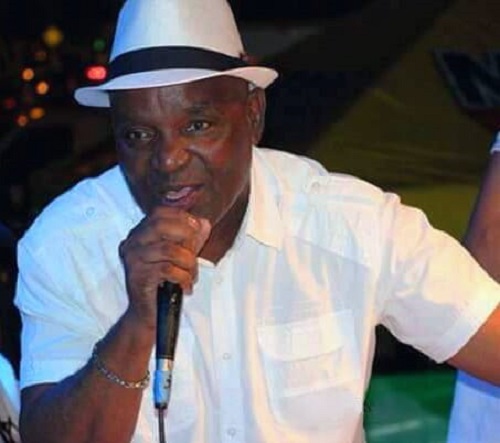
Ray Pérez: The Genius and the Vanguard of Venezuelan Salsa

His nickname, “El Genio” (The Genius), isn’t just hyperbole; he earned it through his multifaceted mastery as a pianist, arranger, and composer. Above all, he was a visionary who possessed the rare ability to capture the raw “sound of the streets.”

Historical Note: While his official records cite 1937, a fire that destroyed original birth registries has led to speculation that his true birth date may be December 25, 1938.

Music was in his DNA. Ray inherited a deep artistic vein from his father a singer, trumpeter, pianist, and musical director. Ray’s journey began at age twelve playing the tuba in the San Juan Bosco youth band under his father’s tutelage.

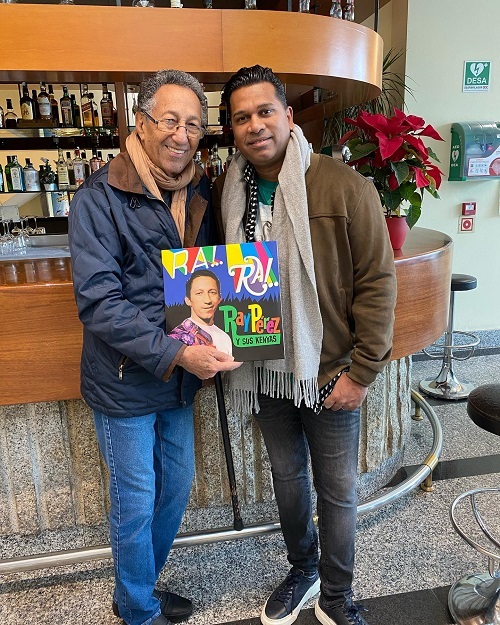
Ray Perez y Dustin Hogg

By seventeen, he had mastered the guitar, the cuatro, and the piano. Following his father’s passing, he balanced work and academics before ultimately deciding to commit his life entirely to his musical passion.

Formative Years and First Steps

Between 1962 and 1965, Ray studied at the Maracaibo Conservatory. His recording debut came via RCA Víctor under the artistic direction of Aldemaro Romero, recording the track “Marcianita” with the Trío Cristal.

After stints with the Trio Hambay and the group Los Bobos del Twist, he officially dove into Caribbean rhythms in 1965 with the creation of Ray Pérez y Su Charanga in the Zulian capital.

The Golden Era: Los Dementes, Los Kenya, and Los Calvos

Throughout his vast career, Ray launched three pivotal projects that secured his place in the Hall of Fame:

  1. Los Dementes (1965): Their debut, Alerta Mundo, Llegaron Los Locos / The Crazy Men (1966), signaled the start of a new era. Under this moniker, he recorded nearly 25 albums for labels like Velvet, Fania, and his own imprint, Pyraphon Records, founded in 1967.
  2. Los Kenya: Alongside the legendary voices of Carlos Yanes “Calavén” and Carlín Rodríguez, Ray innovated the sound by replacing traditional timbales with a full drum set. This project produced iconic albums like Ronda del Guaguancó, Rai Rai, and Nuevo Día.
  3. Los Calvos: A bold experiment, again featuring “Calavén,” which resulted in two essential productions for RCA Víctor: Estos son los Calvos and Los Calvos… y qué Calvos.
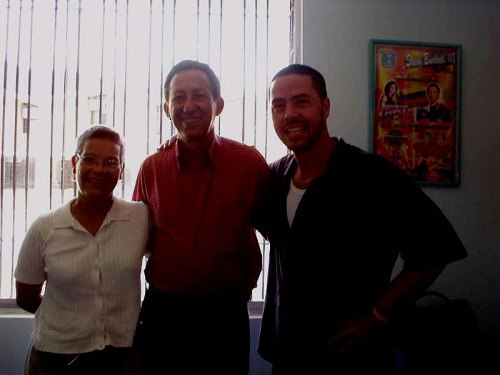
  4. La periodista y crítica musical venezolana Lili Rodríguez, el músico Ray Pérez y Roberto Ernesto Gyemant
    La periodista y crítica musical venezolana Lili Rodríguez, el músico Ray Pérez y Roberto Ernesto Gyemant

The New York Chapters and The Return

In 1969, Ray moved to New York City. There, he played piano for Francisco Ángel Bastar “Kako,” collaborated with Rafael Cortijo and Pedro “Rudy” Calzado’s Charanga, and arranged for the “King of Boogaloo,” Pete Rodríguez, composing hits like “Bossa Triste” and “Dame Felicidad.”

Upon returning to Venezuela in 1971, he founded Ray Pérez y su Orquesta, releasing a string of hits such as Aquí estoy de nuevo, Perucho y el loco Ray, and Yo soy el Rey de la Salsa. In 1974, he struck gold again with Grupo Casabe, recording three albums under the CBS label.

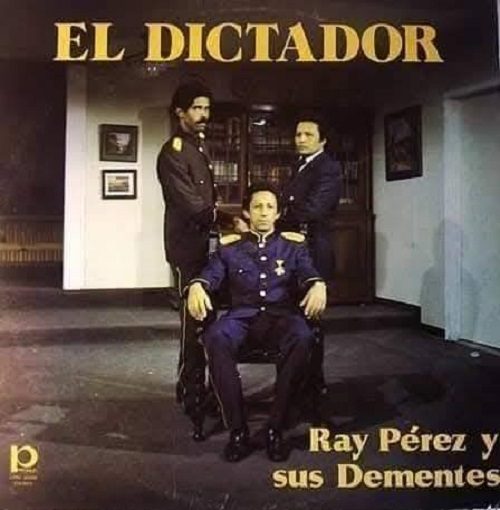
Ray Pérez Y Sus Dementes El Dictador 1981

An Everlasting Legacy

Ray’s prolific career includes collaborations with immortal voices like Perucho Torcat, Nano Grant, Teo Hernández, and Nelson Navas. He has shared the stage with titans such as “El Pavo” Frank Hernández, Alfredo Padilla, Alberto Naranjo, and César Monge.

From his massive repertoire, we remember the anthems of the barrios:

  • “No salgas de tu barrio”
  • “Emae Mae”
  • “Pa’ l 23”
  • “Así mueren los valientes”
  • “Guaguancó en New York”
  • “La montaña”


Colaboración: Fotografías de ©Roberto Ernesto Gyemant

 Read Also: The Conjunto Bailatino “La Resistencia Salsera” again “Antes los ojos del Mundo” and here, “No hay quinto malo”

Uruguayan composer and multiinstrumentalist Sebastián Natal and his band Grupo Sensación

After having contact for days and overcoming some pitfalls, we could finally get to talking with producer, composer, and multi-instrumentalist Sebastián Natal, who kindly attended and revealed his views on the path he has followed to become the great artist he is today. 

Sebastián Natal posing
Sebastián Natal posing for the camera with his instruments

Sebastián Natal’s beginnings

First, Sebastián appreciated our interest in learning a little more about him and began to describe his native country’s musical and cultural context at the time. First of all, the artist was born in Montevideo, Uruguay, where a tropical music movement was established by then, considering many genres from the tropics and the Caribbean, such as salsa, bachata, merengue, cumbia, guaguancó, and many more.

Obviously, these genres did not originate in Uruguay, as bomba is Puerto Rican, salsa is Cuban, and bachata is Dominican. However, there were quite a few groups and musicians who used these tropical roots to create their own identity. Outside of Montevideo, other provinces listened much more to cumbia and charanga.

The orchestras that played these rhythms were dedicated to developing covers of salsa songs, but by bringing them into other genres that were emerging at the time, such as plena, plena danza, and bomba, among others. Sebastián grew up with this sonority in his country, so the whole musical environment he was exposed to abroad became very familiar to him and easy to assimilate. From the early ‘nineties, as a young boy, he began to absorb all the influence from the dawn of romantic salsa and iconic songs such as “Aquel Viejo Motel,” “Cinco Rosas,” “Sin Sentimiento,” “Amores Como El Nuestro,” and many others of its kind. 

It is worth adding that Sebastián comes from a family of musicians, starting with his own father, Yeneca Natal, who was the musical director and pianist for Grupo Sensación. Music always surrounded him, so it can be said that he was meant to follow this path. 

Sebastián and Yeneca Natal
Sebastián Natal next to his father Yeneca Natal

When and why Sebastián left Uruguay and moved to New York

In 2005, at just 21 years old, Sebastián joined the Sonora Borinquen, which was the most popular orchestra at the time. Thanks to them, he had the opportunity to tour the United States and Canada, where he could see environments and ways of working that were completely different from what he was used to. Two years later, he toured the United States again, but by then he already saw the country as a new destination to advance his career.

Unfortunately, Uruguay was becoming too small for the plans he had for his development in salsa, which sparked his curiosity about the Big Apple and all it had to offer him musically speaking.  

By 2008, he decided to move to New York for a few months, but so many doors opened for him that he never left and continues to live there to this very day. 

Sebastián, the multi-instrumentalist

The first instrument Sebastián came in contact with was the piano, which he started playing it at age four and from which he graduated at age 11. Since he had not attended high school yet, he could not study a master’s degree to continue his musical education. In addition, he was a child who wanted to play football and do the usual things for his age, so a few years later, his father made him join an Afro-Uruguayan music group. In that orchestra Sebastián played piano and bass, which allowed him to further develop his skills with those instruments. 

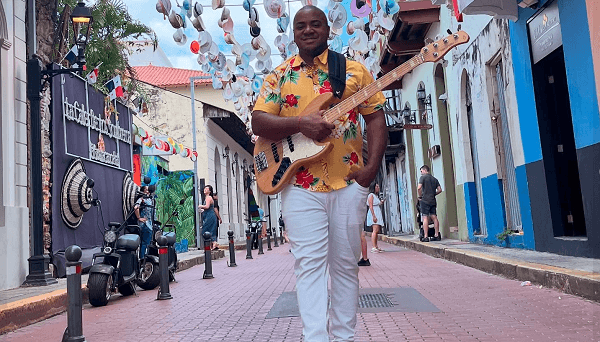
Sebastián in Panama
Sebastián Natal in Panama City

After that, he began to create his own tropical music band, inspired by the Venezuelan orchestra Los Adolescentes. All the members were minors, and, as well as in the previous group, Sebastián also played piano and bass.

Sebastián as a producer and composer

Regarding his role as a producer and composer, Sebastián confessed that he has no idea how he came to learn these areas of music. He did emphasize that he always lets his music and his feelings flow to deliver the message he wants to convey in each of his pieces. After that, he defines the ideas and adds the music.

He says he greatly admires professional lyricists and composers. He admits he is neither the best nor the worst composer, but he always tries to reach his own heart to convey what he feels. 

Sebastián Natal Y Grupo Sensación

The idea of Grupo Sensación started with the orchestra of the same name where his father worked in 1982, but unfortunately the group did not have much impact due to how closed that environment was at the time. There were a number of orchestras that got the best contracts, and it was very difficult for the rest to achieve. Over time, Yeneca left Grupo Sensación and managed to join several of these more established orchestras to gain more reputation.

Soon after, when Sebastián moved to the United States, he almost immediately noted that the Uruguayan community needed a tropical orchestra, but he did not know what name give it. With the passing of his father on October 19, 2010, he chose to use the name “Grupo Sensación” as a way to continue the legacy of his father and the tropical movement born in his country so many years ago. 

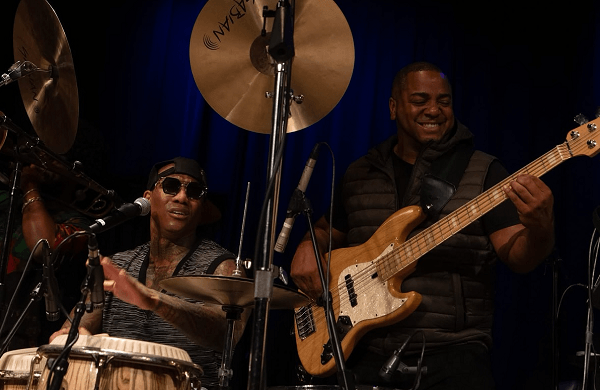
Sebastián and Pedrito
Pedrito Martínez and Sebastián Natal on stage

Artists he has collaborated with

Sebastián has had the opportunity to collaborate with artists of the stature of Nino Cegarra, Oscar D’León, José Alberto “El Canario,” Domingo Quiñones, Tony Vega, Roberto Blades, Cheo Feliciano, Tito Nieves, Viti Ruiz, and many more. However, few were the ones with whom he has truly been able to have a conversation or a close connection beyond purely profesional relationships.

“You can only say you played with someone if you’ve had a connection with that person. I’ve been able to play with great artists, but many times they don’t even know who I am. That’s why I don’t include them on my resume. Now if they call you back, then you can say you did things very well and that there’s someone really interested in you,” said Sebastián on this interesting subject.

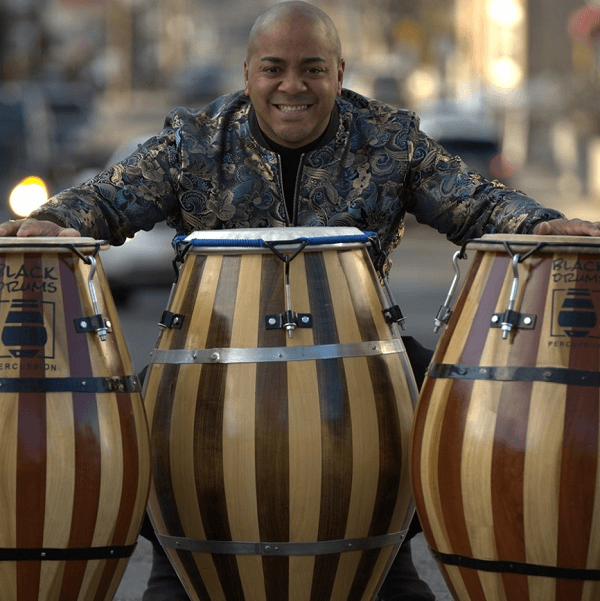
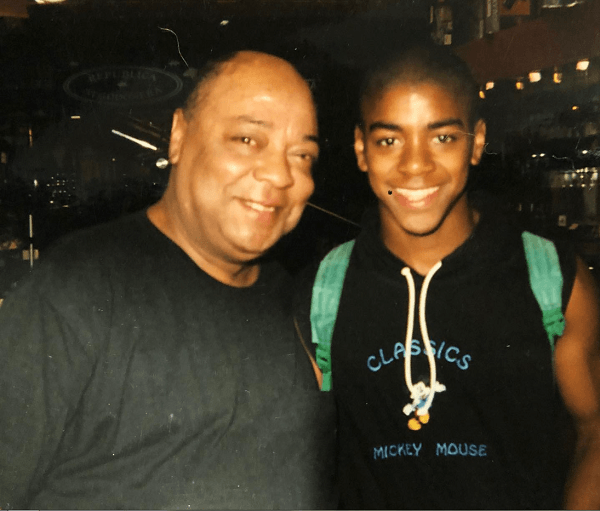
The cases of Bill Murray and Camila Cabello were completely different, as he managed to record songs with them through his friend and fellow musician, Pedrito Martínez, whom he describes as “the best percussionist in the world”. It was also Martínez who connected him with the world-famous composer and guitarist Eric Clapton, with whom he performed at the American Airlines Center in Dallas—one of the most beautiful experiences he has had in his career and his life in general.

Read also: Bandleader and conga player Tony Rosa tells us how he built his career

  • Page 1
  • Page 2
  • Page 3
  • Interim pages omitted …
  • Page 15
  • Go to Next Page »

International Salsa Magazine (ISM) is a monthly publication about Salsa activities around the world, that has been publishing since 2007. It is a world network of volunteers coordinated by ISM Magazine. We are working to strengthen all the events by working together.