• Skip to primary navigation
  • Skip to main content

International Salsa Magazine

  • HOME
  • Previous editions
    • 2026
      • ISM / May 2026
      • ISM / April 2026
      • ISM / March 2026
      • ISM / February 2026
      • ISM / January 2026
    • 2025
      • ISM / December 2025
      • ISM / November 2025
      • ISM / October 2025
      • ISM / September 2025
      • ISM / August 2025
      • ISM / July 2025
      • ISM / June 2025
      • ISM / May2025
      • ISM / April 2025
      • ISM / March 2025
      • ISM / February 2025
      • ISM / January 2025
    • 2024
      • ISM / December 2024
      • ISM / November 2024
      • ISM / October 2024
      • ISM / September 2024
      • ISM / August 2024
      • ISM / July 2024
      • ISM / June 2024
      • ISM / May 2024
      • ISM / April 2024
      • ISM / March 2024
      • ISM / February 2024
      • ISM / January 2024
    • 2023
      • ISM / December 2023
      • ISM / November 2023
      • ISM / October 2023
      • ISM – September 2023
      • ISM – August 2023
      • ISM July 2023
      • ISM Edition June 2023
      • ISM – May 2023
      • ISM April 2023
      • ISM March 2023
      • ISM February 2023
      • ISM January 2023
    • 2022
      • ISM December 2022
      • ISM November 2022
      • ISM October 2022
      • ISM September 2022
      • ISM August 2022
      • ISM July 2022
      • ISM June 2022
      • ISM May 2022
      • ISM February 2022
      • ISM January 2022
    • 2021
      • ISM December 2021
      • ISM November 2021
      • ISM October – 2021
      • ISM September 2021
      • ISM August 2021
      • ISM July 2021
      • ISM May 2021
      • ISM April 2021
      • ISM June 2021
      • ISM March 2021
      • ISM February 2021
      • ISM January 2021
    • 2020
      • ISM December 2020
      • ISM November 2020
      • ISM October 2020
      • ISM September 2020
      • ISM August 2020
      • ISM July 2020
      • ISM June 2020
      • ISM May 2020
      • ISM April 2020
      • ISM March 2020
      • ISM February 2020
      • ISM January 2020
    • 2019
      • ISM December 2019
      • ISM November 2019
      • ISM October 2019
      • ISM Septembre 2019
      • ISM August 2019
      • ISM July 2019
      • ISM June 2019
    • 2016
      • ISM December 2016
  • Spanish
  • Download Salsa App
    • Android
    • Apple

Search Results for: live music

Salsa En La Web also promotes Latin music around the world

Salsa En La Web

As our dear readers know, International Salsa Magazine is dedicated to promoting Latin music artists, especially those who sing salsa, but we also believe that it is of extremely importance to promote platforms that, like us, seek to spread this wonderful and colorful music everywhere.

Salsa En La Web is a salsa community on the internet, so there are members from all over the world. This site is devoted to promoting and spreading everything related to salsa and Latin music so that the new generations get to know the musical idols of their parents and grandparents. They also want this musical genre to keep growing and never go out.
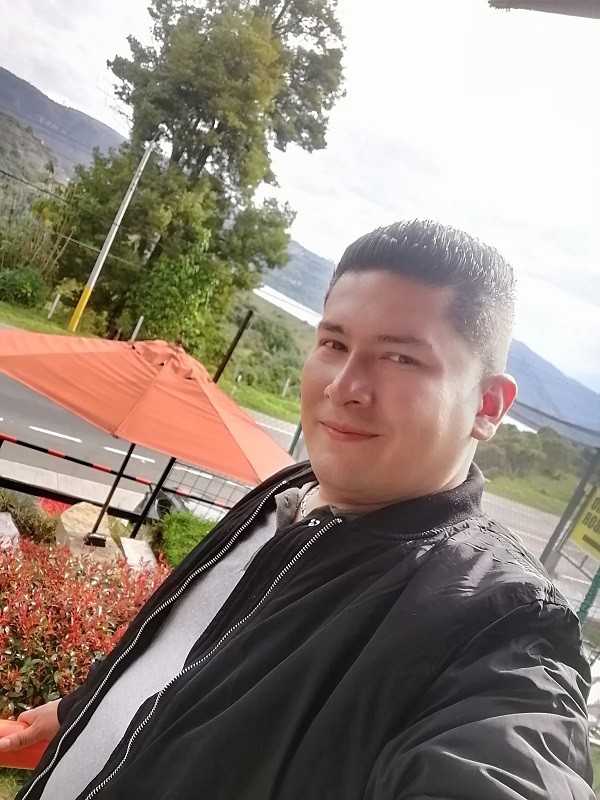
DJ Danny Salsa, director and programmer of Salsa En La Web

Interview

Today, we talked to the administrators of the website Salsa En La Web, which is devoted to promoting salsa worldwide, and our questions were as follows:

Who are we talking to? Please provide your name, occupation and direct or indirect relashionship with salsa.

You’re talking to DANNY SALSA, director and programmer of SALSAENLAWEB. I am also a chemist and DJ by profession. – Collector of romantic salsa.

According to what I read on your Facebook page, you have spread salsa culture at the global level for 11 years. How did everything start?

In 2011 we started sharing music on a blog where we spread LP, CD, ARTISTS, GROUPS, ORCHESTRAS. After that, we also shared gatherings of collectors and salsa events in Bogota.

To date, we have not failed to spread salsa culture that through this beautiful music, we want to make a better culture.
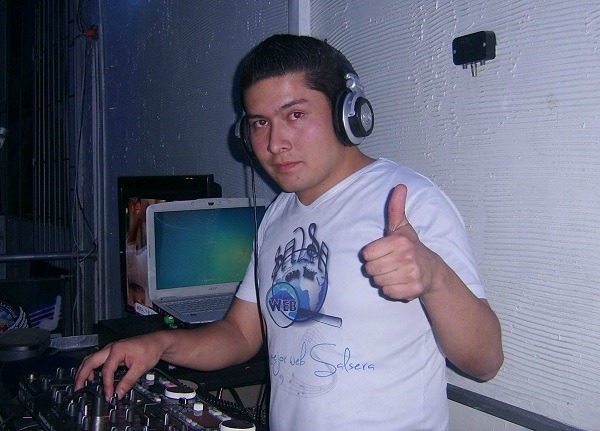
DJ Danny Salsa loves salsa and wants to promote it

What has motivated you to create a website of this style? Why are salsa and Latin music so important to you?

First of all, the taste for salsa music started from I was 13 years. From a very young age, I had contact with computers after school. In my spare time, I created my first blog and, after knowing the world of the internet, I created this website of salsa.

Salsa has brought me great friends, moments, live artists since I programme salsa at bars. I saw the happiness dancing and sharing after entering the world of collecting your albums for your own taste brings.

What part of the world is the largest part of your audience from?

Colombia is our biggest audience with listeners who always listen to our programming at any time of the day and from any time of the day and from any part of the planet where there is an Internet connection.

According to the map on your website, many members of your audience are in Europe and the southern United States. Where are you located? Are you in different countries?

The website is free on the platform www.salsaenlaweb.com.co and from the APP without any cost, listeners in these countries can listen to us from these countries send us their good comments and this motivates us to programme the best salsa music through our . We are in Bogota, Colombia but we have listeners all over the world.

In addition to salsa, what other musical genres do you promote?

We don’t do dissemination of other genres because we are select in salsa.

What goals have you set in the long run?

We want to be the salsa website of reference for its good content in the whole world and have great sponsors that allow us to keep working in favor of salsa.

Logo of Salsa En La Web


Home

Bandleader Edgardo Cambón talks about the teaching of music and his strategies on stage

Here you have our interesting comversation

We are here with Uruguayan bandleader, multi-instrumentalist, and percussionist Edgardo Cambón, who currently lives in Oakland. It’s very nice to meet you, Mr. Cambón. What a pleasure to have you with us today.

Hello, Karina. It’s a pleasure to have you here too despite the distance. I also send my regards to the followers of salsagoogle.com and to salsa fans around the world because this is an international connection. Thank you for the opportunity to connect with so many people.

Uruguayan bandleader and singer Edgardo Cambón next to new MOPERC walnut, 7 & 9 inches drums

On one of your Facebook pages, one can read that the conga is your main instrument, but you also play many others. In that sense, is the conga the instrument you most enjoy playing or are there others?

That’s a very good question. I am a percussion lover in general and, being Uruguayan, I also came into Brazilian percussion. The instrument to which I always gravitated around and returned to very strongly was the tumbadora or conga (commercial name). To study that instrument and the batá (the most religious Afro-Cuban music) I went five times to Cuba from 1989 to 2006. I have a very deep connection with Cuba and with all the countries in which the tumbadora is used. This is also the instrument I play while singing, which makes me have a very special connection with it. Jokingly, I say that I feel naked if I don’t play something while singing. I always try to play a güiro, maracas or another instrument because I always have.

You also teach music and percussion. It is well known that the teacher teaches students, but also that tstudents can also teach the teacher. Could you tell us what you have learned from your students?

That’s a very important and lovely question. I could tell you many things. The first thing you learn is to be patient with yourself and your own progress because the musician never stops progressing. The human being never stops progressing. When I see a student who is very nervous and isn’t patient with himself, I always try to make him understand that performing one instrument well takes a long time.

I learn a lot about what to do and what not to do. I learn to be patient with them, to rewind the cassettetape and to get back to the basics of what I learned in Cuba when I started traveling. My students also teach me to be grateful to my own teachers and connect with the instruments. When you reach a certain level, you become overconfident and it’s harder to connect with the instruments. Classes force you to pick up an instrument without being obliged to do so, which the professional musician tends to leave out after a long career.

My students remind me of what I was doing when I was learning and force me to keep practicing despite the experience. I always learn from them.

Edgardo Cambón in front of El Floridita

You teach both in person and via Zoom. What teaching strategies do you implement at home?

The difference between one mode and the other is huge and it was hard to get used to this situation. I was receiving a lot of proposals to teach via Zoom before the pandemic. I was avoiding at all costs the use of digital platforms even though many people were interested. I have a lot of online videos with great success and positive feedback, thank goodness. This has caused many people to ask me if I can teach them on Zoom.

The pandemic forced me to build that dormant muscle, so I think I achieved a very good system for giving online classes. In person, I use some applications that allow me to play certain songs I can slow down. These apps can work like a metronome, but funnier. Some of them are Percussion Tutor, Salsa Rhythm, Amazing, Slow Downer, among others.

In the case of Zoom, I suggest my students download these apps on devices other than the one they are using to meet with me. The biggest problem with digital teaching platforms is the delay sound between the student and the teacher. Now, amazing things have been done like the fact that a symphony can play in one country, while the conductor is in another conducting them. There have been improvements.

It may also be the case that there are students with excellent quality equipment, but others who have devices with outdated operating system and low download speed. So, we have to find a way for everyone to learn as well as possible. This system consists of doing a demonstration first, getting the student to play the rhythm from his side through the metronome or the application. Many times, we can spend a whole class trying to solve technical issues, but once everything is solved, you can establish a rhythmic relationship between the student and the teacher.

There are situations in which the mismatch between the sound and image prevents errors from being corrected, so we use phone calls to counter these issues effectively. This is how I look at the video image of the student (if there are no delays) and hear the sound at the right time.

The good news is that I can have students from around the world and doors are opened me for an broad international spectrum that I never expected.

Edgardo Cambón with a Pandeiro in a studio

Strategies on stage (título 3)

Radically shifting the issue, according to your website, one of the main defining things about Edgardo & Candela is that you know how to read the crowd very well and what the audience wants at that moment. How do you do that? What techniques do you use?

That’s a very good question. That’s a technique which is a bit instinctive. I must confess that that technique does not belong to the full orchestra, but to me as the lead singer and the orchestra leader. The guys know that I ask for a set list and even send it in advance. Several of them have their iPads and the music there in digital format, but others don’t.

I have over 240 songs in the repertoire, but I don’t get them all with me. On average, you play about seven songs in each set for an hour, which means that you’re thinking of 14 to 16 songs for two hours. It also depends on how long each song lasts.

If you’re playing to an American audience, you’ll probably have to slow down, play one or two songs in English and light beats such as cha cha chá. You have to include digestible things if you’re not playing to a salsa audience.

If I’m playing for the Mexican community, I have to include cumbia and medleys of local bands and artists like Maná, which is a very important Mexican group.

I have four original score albums. The first one was called ilusiones and released on vinyl in 1989. We produced it here in the Bay Area when there were few groups making original music around here. Following a trip to Cuba the same year, I decided to go back and focus more on my melodies, my songs and my lyrics. Another thing I wanted was to keep the Uruguayan essence in salsa and add a bit of candombe, which is the Afro-Uruguayan rhythm par excellence.

Edgardo and Candela at The Seahorse

I’ve had a lot of popular songs on certain digital platforms, but I wouldn’t be honest to say that I had a big hit like Llorarás by Oscar D’ León and Yo no sé mañana by Luis Henrique. I can use these things to push my original music a bit harder in general. You can have your original music, but you also have to play music known by the public to accustom people to your style and make them learn to digest your thing a little bit.

In the 70’s in New York, the bands only played original music, but those times has disappeared. That’s why I mix original music with familiar music, but I focus on making the result digestible and danceable for people. I play at least four times a week and, if I want to maintain that rhythm of work, I need a repertoire that includes Cuban, Colombian, Venezuelan, Mexican, Dominican music, among others.

What made you get involved in Charley’s project?

No self-respecting musician can allow his career to revolve around two or three clubs because these venues can open and break.

What I liked most about Charley’s was its proposal so similar to that of the 80’s, the decade when I arrived here. They were more stable clubs that had organization and the collective participation of artists such as DJ’s, dance instructors, radio folks, among others.

Also, Charley’s is a nice place and has a size that I think appropriate. When clubs get too big, there comes a point when the vibes can get cold, something that doesn’t happen in this place due to its moderate size.

The only downside is that gas is $6.25 and it’s far away for people from San Francisco, but people from closer areas can go.

Your music reaches audiences from all over the world. Have you had the chance to play abroad?

Yes. In 1996, we were at the Benny Moré Festival in Cuba. A few years later, we were on the island of Guam on the occasion of 5 de Mayo sponsored by Budweiser.

On both occasions we were very well received by the audience.

Most recently in May this year, we just played a large concert with over 1500 people at the Fairmont Orchid Hotel in Kona, Island of Hawaii. On that occasion, everything was arranged by the Salesforce company.

This last work was impressive because of the high technical and professional level of the entire production, since in addition to our Latin music, the popular pop singer Kathy Perry closed the show…

International jobs, and simply out your city, give another angle to the career encouraging the musician to present his original music.

After playing in Cuba, Guam and Hawaii, I jokingly say that I only get booked to play on Islands (chuckles).

Traveling on my own (without the orchestra) gave the pleasure of performing in Sweden and Argentina with the support of local musicians from those countries.

Cambón at Brooklyn Basin in Oakland

Luis González “El tsunami de la salsa” 50 años, mi música… Mi pasión


The trumpeter and director of the orchestra known as ‘The Tsunami of Salsa’ -Luis Gonzalez- delivers his new album under the title ’50 years, my music… My passion’.

With this production, Luis González takes the opportunity to celebrate five decades of musical life; during which he has been a musician of important orchestras, such as the Ray Barretto Orchestra, the Luis “Perico” Ortiz Orchestra and the Willie Rosario Orchestra, from which González left to form his own.

It should be noted that for thirteen years the trumpeter has been known as ‘the tsunami of salsa’ while becoming the director of his musical proposal, which he has kept active on local and international stages since 2009.

The launching of ’50 años, mi música… Mi pasión’ took place on Tuesday, May 3, 2022 at the headquarters of the National Foundation for Popular Culture in Old San Juan.  Present were Rafy Arroyo, Ricky Ramos and Jorge “Yoyo” Ocasio representing the current enrollment of the Luis González Orchestra; in addition to the ‘King of the Bass’ -Bobby Valentín- and trumpet player, director of the Juan Morel Campos Music Institute of Ponce and director of the Del Sur al Norte Orchestra, Julito Alvarado.

In ’50 años, mi música… Mi pasión’, guest musicians include trumpet players Jan Duclerc, Jesús Alonso and Julito Alvarado; pianist, arranger and music producer Pedro Bermúdez; Efraín Hernández on bass; William “Kachiro” Thompson on tumbadoras; Richard Carrasco on bongó; Gamalier González on trombone; and the voices of Pichie Pérez, Juan Bautista and Darvel García on backing vocals. On vocals, Rafy Arroyo, Ricky Ramos and Pedro Arroyo participated as guests.

Interestingly, a trend that has been emerging lately in salsa recordings also took over the tsunami.  I am referring to the batá drums, which for this album were played by Anthony Carrillo and Juanchi Sánchez. The album was recorded at Rolo Recording Studio, under the direction of Luis González himself. The mixing and mastering was in charge of Vinny Urrutia.  

The composers responsible for the songs chosen for this, the tsunami’s third release, include Francisco “Chalina” Alvarado, Yova Rodríguez, Luis “Perico” Ortiz, Eliu de Jesús, Cucco Peña, García Guadalupe, Ricky Ramos, Pedro Arroyo and Onorio Rivera. For the musical arrangements, Tsunami counted on arrangers of the stature of Oscar Hernandez, Javier Fernandez, Luis ‘Perico’ Ortiz, Ricky Gonzalez, Roberto Perez, Isidro Infante, Julito Alvarado and Pedro Bermudez.

Currently, the orchestra better known as ‘El Tsunami de la Salsa’ counts on the musical experience of its members: Rafael “Bodo” Torres (piano), Mario Vélez (bass), Luis González (leader, fiscorno and trumpet), Ito Torres and Simón Rivera (trumpets), Jorge Echevarría (trombone), Rigo Díaz (timbal), Jorge “Yoyo” Ocasio (tumbadoras) and Wilfredo Rosario (bongo).

So, we are still in salsa.  Yes, salsa lives! The efforts of this bandleader attest to that. Congratulations and may the next one come.  


By Bella Martinez, ISM Correspondents, San Juan, Puerto Rico


Luis González “El tsunami de la salsa” 50 años, mi música… Mi pasión

The trumpeter and director of the orchestra known as ‘The Tsunami of Salsa’ -Luis Gonzalez- delivers his new album under the title ’50 years, my music… My passion’.

With this production, Luis González takes the opportunity to celebrate five decades of musical life; during which he has been a musician of important orchestras, such as the Ray Barretto Orchestra, the Luis “Perico” Ortiz Orchestra and the Willie Rosario Orchestra, from which González left to form his own.

It should be noted that for thirteen years the trumpeter has been known as ‘the tsunami of salsa’ while becoming the director of his musical proposal, which he has kept active on local and international stages since 2009.

The launching of ’50 años, mi música… Mi pasión’ took place on Tuesday, May 3, 2022 at the headquarters of the National Foundation for Popular Culture in Old San Juan.  Present were Rafy Arroyo, Ricky Ramos and Jorge “Yoyo” Ocasio representing the current enrollment of the Luis González Orchestra; in addition to the ‘King of the Bass’ -Bobby Valentín- and trumpet player, director of the Juan Morel Campos Music Institute of Ponce and director of the Del Sur al Norte Orchestra, Julito Alvarado.

In ’50 años, mi música… Mi pasión’, guest musicians include trumpet players Jan Duclerc, Jesús Alonso and Julito Alvarado; pianist, arranger and music producer Pedro Bermúdez; Efraín Hernández on bass; William “Kachiro” Thompson on tumbadoras; Richard Carrasco on bongó; Gamalier González on trombone; and the voices of Pichie Pérez, Juan Bautista and Darvel García on backing vocals. On vocals, Rafy Arroyo, Ricky Ramos and Pedro Arroyo participated as guests.

Interestingly, a trend that has been emerging lately in salsa recordings also took over the tsunami.  I am referring to the batá drums, which for this album were played by Anthony Carrillo and Juanchi Sánchez. The album was recorded at Rolo Recording Studio, under the direction of Luis González himself. The mixing and mastering was in charge of Vinny Urrutia.  

The composers responsible for the songs chosen for this, the tsunami’s third release, include Francisco “Chalina” Alvarado, Yova Rodríguez, Luis “Perico” Ortiz, Eliu de Jesús, Cucco Peña, García Guadalupe, Ricky Ramos, Pedro Arroyo and Onorio Rivera. For the musical arrangements, Tsunami counted on arrangers of the stature of Oscar Hernandez, Javier Fernandez, Luis ‘Perico’ Ortiz, Ricky Gonzalez, Roberto Perez, Isidro Infante, Julito Alvarado and Pedro Bermudez.

Currently, the orchestra better known as ‘El Tsunami de la Salsa’ counts on the musical experience of its members: Rafael “Bodo” Torres (piano), Mario Vélez (bass), Luis González (leader, fiscorno and trumpet), Ito Torres and Simón Rivera (trumpets), Jorge Echevarría (trombone), Rigo Díaz (timbal), Jorge “Yoyo” Ocasio (tumbadoras) and Wilfredo Rosario (bongo).

So, we are still in salsa.  Yes, salsa lives! The efforts of this bandleader attest to that. Congratulations and may the next one come.  

Catalino “Tite” Curet Alonso, the most important composer in the history of Latin music.

(Guayama, 1927 – Baltimore, United States, 2003) Puerto Rican composer considered the most important author of salsa music in his country and one of the most outstanding Latin American composers of the second half of the 20th century.

His songs, produced throughout a fertile creative career that gave birth to more than two thousand pieces, were brought to fame by the most famous interpreters of the genre (Rubén Blades, Tito Rodríguez, Celia Cruz, Cheo Feliciano or Willie Colón, among others).

The son of an orchestra musician and a seamstress, Tite grew up in a working class neighborhood in Santurce, where he remained after his parents separated.

He studied music theory and solfeggio with professor Jorge Rubián, and in 1965 he wrote his first melodies for Joe Quijano, one of the best pachangueros of the time.

Are the 100 most listened to songs by Catalino “Tite Curet” Alonso in alphabetical order.


1.Adelante siempre voy :Ray Barreto con Adalberto Santiago

2.Anacaona :Cheo Feliciano

3.Adios Adiós :Pedro Arroyo

4.Apelo:(tema brasilero adaptado al Español por Tite para Roberto Roena)

5.Aquella mujer: Bobby Valentín y Marvin Santiago

6.Aqui estoy yo con mi son: Frankie Hernández

7.Aqui se puede :Airto Moreira /versión Ray Barreto

8.Babaila :Pete Conde Rodríguez

9.Barra limpia: Sonora Ponceña y Tonito Ledee

10.Barrunto: Willie Colon y Héctor Lavoe

11.Bandolera :Héctor Lavoe

12.Boca mentirosa(Andy Montañez)

13.Buen Corazón:(adaptación de Tite para Bobby Valentín/Cano Estremera

14.Cha cha ri cha :Willie Rosario/Guillo Rivera

15.CAONABO:(canta TITE CURET/arreglo Jorge Millet)

16.Candilejas:(Versión en Español de Tite para Wilkins/o Graciela)

17.Cabellos Blancos: Orquesta Mulenze y Pedro Brull

18.Callejon :Arabella (para la película Retén de Catia/Venezuela)

19.Camaron :Justo Betancourt /& versión Marvin Santiago

20.Cenizas:Milly Quezada con Perico Ortiz

21.Con los Pobres Estoy :Roberto Roena y Apollo Sound

22.Con mi viejo amigo: Larry Harlow e Ismael Miranda

23.De todas maneras rosas :Ismael Rivera y Los Cachimbos

24.Distinto y Diferente: Justo Betancourt y Borincuba

25.Don Fulano: Tito Rodríguez

26.Efectivamente: Joe Quijano

27.El eco de un tambor Dimensión Latina con Andy Montañez

28.El hijo de Obátala :Ray Barreto con Tito Allen

29.Ella está en otra rumba ;Justo Betancourt

30.Ellos se juntan: Cortijo y su combo con Maelo

31.Escucha una voz latina: Conexión Latina de Alemania

32.Estaca de guayacán: Marvin Santiago

33.Estampa Marina :Cheo Feliciano

34.El antifaz:Willie Rosario con Gilberto Santa Rosa

35.El cantar de los pinales: Pacheco y Pete Conde

36.El verdadero aniversario :El combo del ayer

37.Felicitaciones: Cheo Feliciano

38.Flor de los lindos campos Ray Barreto y Adalberto Santiago

39.Galera 3:Ismael Miranda

40.Guaguanco del Adiós :Roberto Roena y Apollo Sound

41.Hace furo: Cheo Feliciano

42.Hermano Héctor: La 2013 canta: Van Lester

43.Huracan:Bobby Valentín con Frankie Hernández

44.Isadora: Celia Cruz y Estrellas de Fania

45.Juan Albañil: Cheo Feliciano

46.Juanito Alimaña: Héctor Lavoe y Willie Colon

47.La Cura: Frankie Ruiz

48.La esencia del guaguancó (Pacheco/Pete Conde/primer versión Willie Rosario con Meñique)

49.La Oportunidad :Ismael Miranda con Larry Harlow

50.La Oportunidad: Ismael Rivera

51.La palabra Adiós: Ruben Blades con Estrellas de Fania

52.La Perla: Ismael Rivera

53.La Tirana: La Lupe

54.Lamento de Concepción: Roberto Roena y Apollo Sound

55.Las Caras Lindas: Ismael Rivera

56.Las mujeres son de Azúcar: Sonora Ponceña y Luigui Texidor

57.Los Entierros: Cheo Feliciano

58.Luz Negra: Sonora Ponceña y Miguel Ortiz

59.Llevame: Adalberto Santiago

60.Marejada feliz: Roberto Roena y Apollo Sound

61.Me pongo yo: La Descarga Boricua de Frank Ferrer

62.Morejon: Frankie Hernández

63.Mi música: Ismael Rivera

64.Mi triste problema: Cheo Feliciano

65:Nabori:Cheo Feliciano

66.Noche como boca ‘e lobo: Sonora Ponceña y Luigui Texidor

67.Pa’ Colombia: Willie Colon y Héctor Lavoe

68.Pa’ los ponceños: Sonora Ponceña y Tito Gómez

69.Pa’ que afinquen: Cheo Feliciano

70.Part time lover:(tema de Stevie Wonder traducido al español por  Tite para Bobby Valentín)

71.Pase la noche fumando: Willie Colon y Héctor Lavoe

72.Pedregal:Justo Betancourt

73.Penas de amor: Bobby Rodríguez y la Compañía

74.Periodico de Ayer: Héctor Lavoe

75.Piano Man: Ismael Quintana y Estrellas de Fania

76.Pirana:Willie Colon y Hector Lavoe

77.Plantacion Adentro: Willie Colon y Rubén Blades

78.Por que adore :Markolino y Chivirico Dávila/Versión Truco &

Zaperoko

79.Plante bandera: Tommy Olivencia canta: Chamaco Ramirez

80:Presencia:Justo Betancourt y Borincuba

81.Primoroso cantar: Pacheco y Pete Conde

82.Profesion esperanza: Ismael Rivera

83.Pueblo latino: Pete Conde con las Estrellas de Fania

84.Punto Bare: Pete Conde Rodríguez

85.Primer Montuno: Andy Harlow con Johnny Vásquez

86.Puro teatro: La Lupe

87.Que me lo den en vida: Roberto Roena y Apollo Sound

88.Reunion en la cima: Andy Montanez con la Puerto Rico All Stars

89.Sali porque sali: Cheo Feliciano

90.Salome:Cheo Feliciano

91.Salsaludando:Cheo Feliciano

92.Saborea:Los Hermanos Lebrón

93.Sobre una tumba humilde: Cheo Feliciano

94.Susana:Jose Feliciano

95.temes:Vitin Avilés

96.Tiemblas:Tito Rodríguez

97.Tomatero: Kim de los Santos

98.tu loco, loco y yo tranquilo: Roberto Roena y Apollo Sound

99.Vale más un guaguancó: Ray Barreto y Rubén Blades

100.Vete y Pregona: Justo Betancourt

Curet Alonso, the most important composer in the history of Latin music.


  • « Go to Previous Page
  • Page 1
  • Interim pages omitted …
  • Page 19
  • Page 20
  • Page 21
  • Page 22
  • Page 23
  • Interim pages omitted …
  • Page 149
  • Go to Next Page »

International Salsa Magazine (ISM) is a monthly publication about Salsa activities around the world, that has been publishing since 2007. It is a world network of volunteers coordinated by ISM Magazine. We are working to strengthen all the events by working together.