• Skip to primary navigation
  • Skip to main content

International Salsa Magazine

  • HOME
  • Previous editions
    • 2026
      • ISM / August 2026
      • ISM / July 2026
      • ISM / June 2026
      • ISM / May 2026
      • ISM / April 2026
      • ISM / March 2026
      • ISM / February 2026
      • ISM / January 2026
    • 2025
      • ISM / December 2025
      • ISM / November 2025
      • ISM / October 2025
      • ISM / September 2025
      • ISM / August 2025
      • ISM / July 2025
      • ISM / June 2025
      • ISM / May2025
      • ISM / April 2025
      • ISM / March 2025
      • ISM / February 2025
      • ISM / January 2025
    • 2024
      • ISM / December 2024
      • ISM / November 2024
      • ISM / October 2024
      • ISM / September 2024
      • ISM / August 2024
      • ISM / July 2024
      • ISM / June 2024
      • ISM / May 2024
      • ISM / April 2024
      • ISM / March 2024
      • ISM / February 2024
      • ISM / January 2024
    • 2023
      • ISM / December 2023
      • ISM / November 2023
      • ISM / October 2023
      • ISM – September 2023
      • ISM – August 2023
      • ISM July 2023
      • ISM Edition June 2023
      • ISM – May 2023
      • ISM April 2023
      • ISM March 2023
      • ISM February 2023
      • ISM January 2023
    • 2022
      • ISM December 2022
      • ISM November 2022
      • ISM October 2022
      • ISM September 2022
      • ISM August 2022
      • ISM July 2022
      • ISM June 2022
      • ISM May 2022
      • ISM February 2022
      • ISM January 2022
    • 2021
      • ISM December 2021
      • ISM November 2021
      • ISM October – 2021
      • ISM September 2021
      • ISM August 2021
      • ISM July 2021
      • ISM May 2021
      • ISM April 2021
      • ISM June 2021
      • ISM March 2021
      • ISM February 2021
      • ISM January 2021
    • 2020
      • ISM December 2020
      • ISM November 2020
      • ISM October 2020
      • ISM September 2020
      • ISM August 2020
      • ISM July 2020
      • ISM June 2020
      • ISM May 2020
      • ISM April 2020
      • ISM March 2020
      • ISM February 2020
      • ISM January 2020
    • 2019
      • ISM December 2019
      • ISM November 2019
      • ISM October 2019
      • ISM Septembre 2019
      • ISM August 2019
      • ISM July 2019
      • ISM June 2019
      • ISM May 2019
      • ISM April 2019
      • ISM March 2019
      • ISM February 2019
      • ISM January 2019
    • 2018
      • ISM December 2018
      • ISM November 2018
      • ISM October 2018
      • ISM September 2018
      • ISM August 2018
      • ISM July 2018
      • ISM June 2018
      • ISM May 2018
      • ISM April 2018
      • ISM March 2018
      • ISM February 2018
      • ISM January 2018
    • 2017
      • ISM December 2017
      • ISM November 2017
      • ISM October 2017
      • ISM September 2017
      • ISM August 2017
      • ISM July 2017
      • ISM June 2017
      • ISM May 2017
      • ISM April 2017
      • ISM March 2017
      • ISM February 2017
      • ISM January 2017
    • 2016
      • ISM December 2016
      • ISM November 2016
      • ISM October 2016
      • ISM September 2016
  • Spanish
  • Download Salsa App
    • Android
    • Apple

Search Results for: music

Willie Colon

North America / USA / New York

William Anthony Colón Román, better known as Willie Colon, was born in New York (USA) on April 28, 1950.
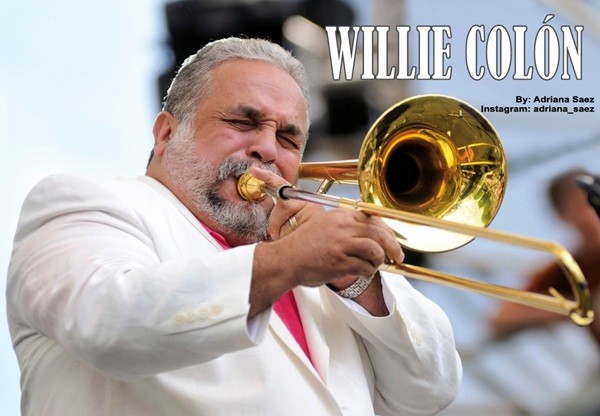
Willie Colon
Willie Colon

This American musician of Puerto Rican descent. Master trombone and fusion of various Caribbean, African rhythms and urban music, formed with vocalist Hector Lavoe one of the most important couples in Latin music of the seventies, and is considered, one of the pioneers in the development genuine salsero movement in the late sixties and early seventies.

Grandson of Puerto Rican immigrants, Colón grew in the Latin Quarter district of the Bronx, a fact that has marked much of his personal and artistic career, which implies rebellion and transgression of the rules. After studying trumpet and clarinet, his admiration for Mon Rivera led him to opt for the trombone at age fourteen, thus initiating his professional career playing in community centers with fellow high school.
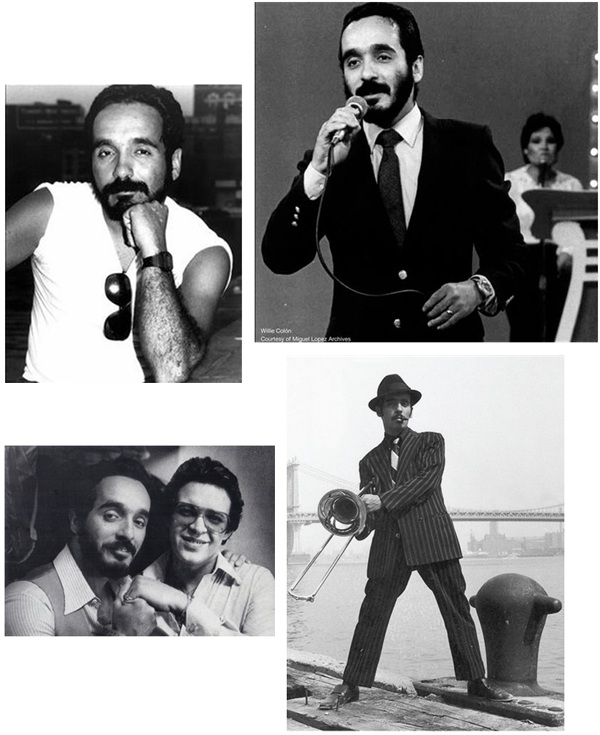
Willie Colon - Photo 1
Willie Colon – Photo 1

A year later when he was 15 years old, he signed a contract with the Fania record label. Two later, in 1966, he recorded his first album with the significant title of El Malo, which sold 300,000 copies.

In this first work already he had the unmistakable voice of Hector Lavoe and introduced elements of Puerto Rican folk music, especially the pump, mixed with own hurtful and harsh rhythms of the trombone, what were good examples topics as successful as Jazzy and I wish I had watermelon.
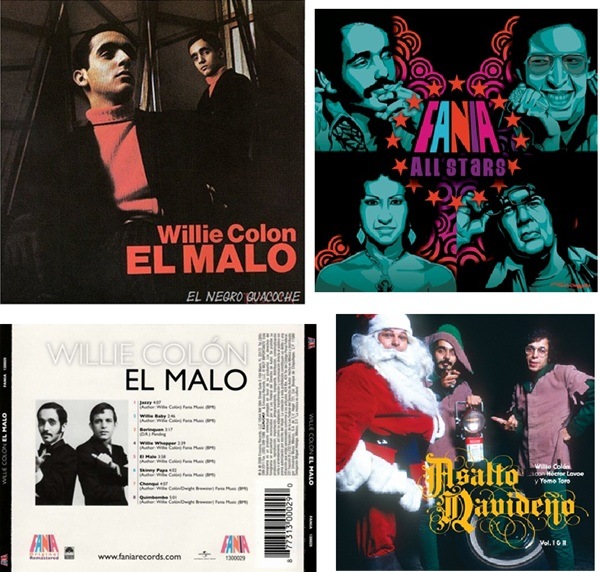
Willie Colon - Photo 2
Willie Colon – Photo 2

Along with other prominent musicians of Caribbean origin as Ray Barretto, Bobby Valentin, Reynaldo Jorge and self-Héctor Lavoe, he participated in 1971 in the concert recording of the FANIA All Stars, considered the event that launched the salsa movement in New York.

That same year, his masterful rendition of Piranha, consisting of Tite Curet Alonso, he shot to fame and became one of the icons of the musical movement.

Under this record label and with Hector Lavoe recorded over a dozen albums until 1975, among which were Guisando (1969), Cosa Nostra, El Juicio and Asaltos Navideños (1972), in this last album this expert and risky arranger, combined rhythms and styles to help create music that would be known today as the sauce. He incorporated elements of Puerto Rican Jibaro and thus created hit singles that became popular among Puerto Rican listeners.
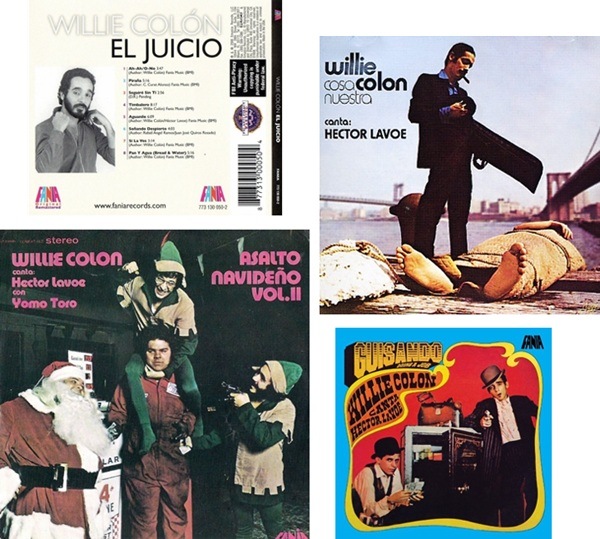
Willie Colon - Photo 3
Willie Colon – Photo 3

In 1975 he recorded The Good, the Bad, the Ugly. All their albums show genuine urban or what came to be known as “sounds of the neighborhood,” the most faithful sample of Puerto Rican immigrant feeling in the great metropolis New York salsa. After his work with Fania his fame spread among the Hispanic community in the US and much of Latin America; in 1975 he had the opportunity to play alongside his idol Mon Rivera.

In the late seventies, his rebellious spirit led him to develop along the Panamanian singer Ruben Blades what became known as salsa awareness, songs denouncing the political and social situation in Latin America and the Caribbean; conjunction with Blades was especially fortunate, with high quality work as Metiendo Mano (1977) and Siembra (1978). Canciones del Solar de los Aburridos album in 1982 was awarded a Grammy.
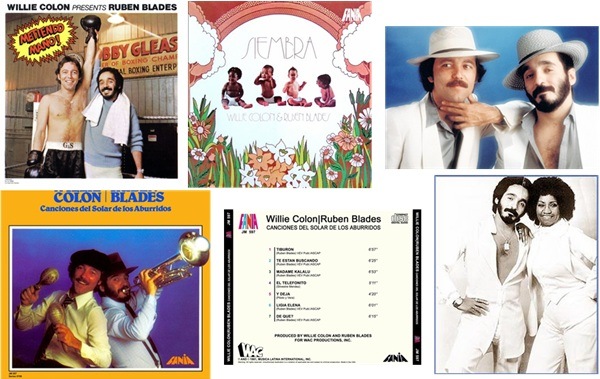
Willie Colon - Photo 4
Willie Colon – Photo 4

Willie Colón has worked throughout his career, in addition to those already mentioned, with artists like Celia Cruz, Tito Puente and David Byrne, and played some roles in Mexican television such as: Demasiado Corazón, La Intrusa y Corazón Partido. Furthermore, it could also be seen in the films “Vigilante”, “The Last Flight” and “It Could Happen to You”.

From the nineties his artistic side gave way to intense activity in social life and American politics, according to its commitment to the Hispanic community: thus, in 1966 Willie Colón was named by Hispanic Business Magazine as one of the 100 most influential Hispanics in the US; in 1993 it was presented to the primaries in the State of New York; in 1995 he became the first Hispanic ASCAP entered in the National Council; and in 1999 he was part of the delegation was received at the Vatican by Pope with the Jubilee 2000, in addition to regularly collaborate with humanitarian organizations like the United Nations and Amnesty International.
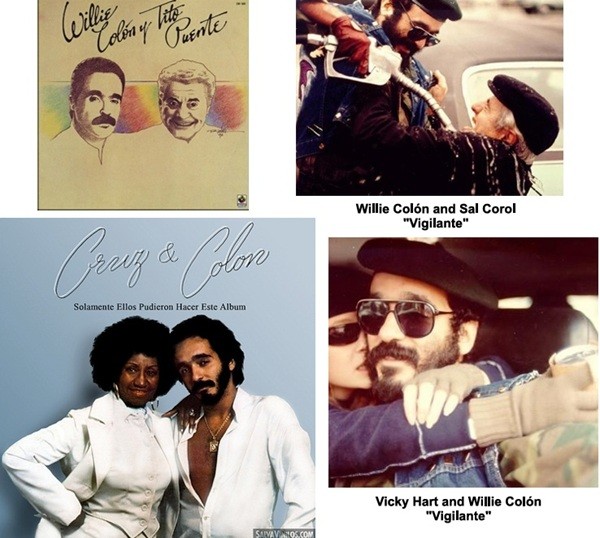
Willie Colon - Photo 5
Willie Colon – Photo 5

As a musician, it has been characterized by the fusion of rhythms such as son, mambo, guaracha, cha cha cha, guajira, Colombian cumbia, rumba and Venezuelan joropo, among others.

His music, which has been a big influence on the modern Latin Jazz, reflects a traditional lyric rhythm, and goodbye and hope forced to leave their land to settle in the US generates.

In his 42 year career, Columbus has released more than 45 albums, among which we can mention “Crime Pays”, “The Baquine of Angelitos Negros”, “49 Minutes”, “Solo”, “Fantasmas”, “The Last Fight”, “Contrabando Especial No. 5”, “Honra y Cultura”, “Tras la Tormenta”, “Demasiado Corazón”, “Idilio” y “El Malo 2”, this latest album which was released in 2008.
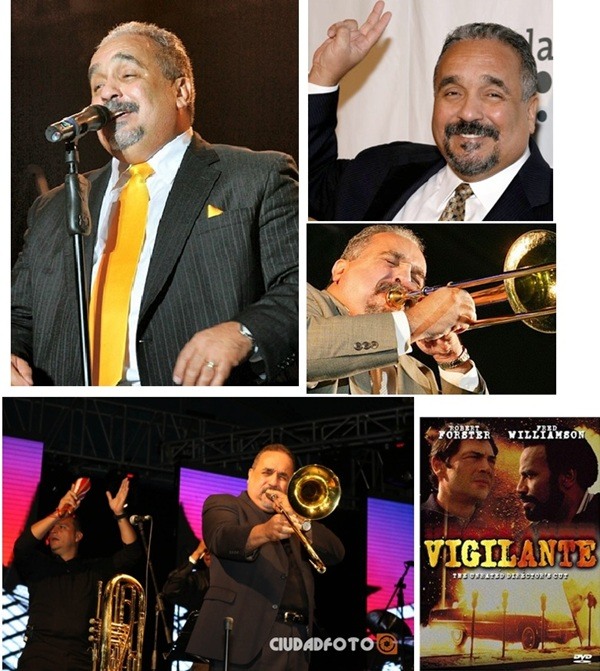
Willie Colon - Photo 6
Willie Colon – Photo 6

In his career, Willy took 11 nominations for the Grammy Awards and received 15 gold records and 5 platinum.
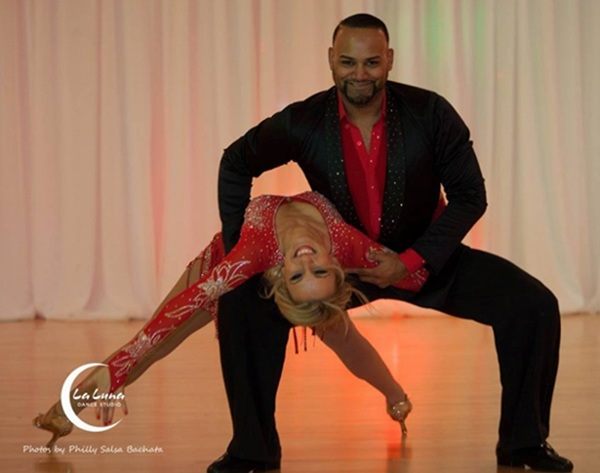
La Luna Dance Studio

North America / USA / Pennsylvania

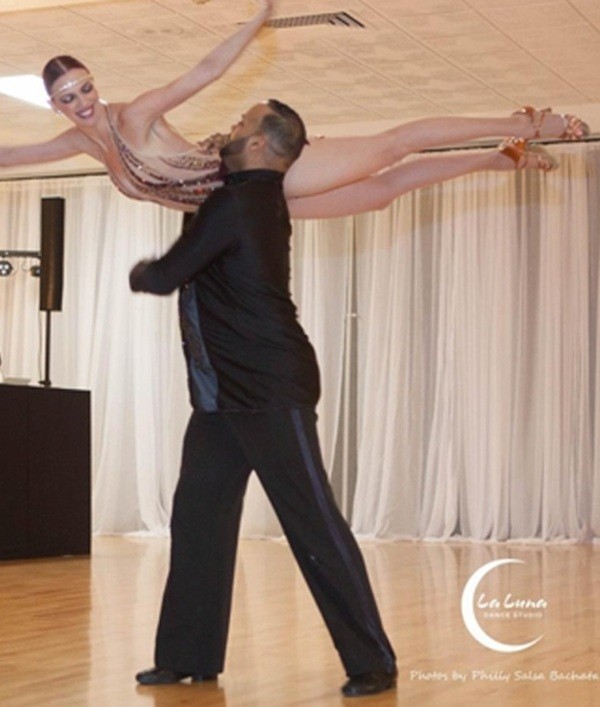
Inaugurated in 2003, La Luna Dance Studio is a dance Salsa academy with a large establishment non- smoking of 25000 square feet with an elegant ballroom of 12.500 square feet and direct parking on site. It is located in Bristol, Pennsylvania (USA).

La Luna Dance Studio

This academy is the premier Salsa dance studio in Philadelphia and for therefore is dedicated to fostering fun, excitement and entertainment in this art. This Studio makes a difference for its custom classes, dividing students into small groups to provide individual attention, besides, it’s no to bring a partner! Its instructors interact in the best way to always dance with someone new. Also, the instructors are able to break down the music in easy steps so you can get the rhythm.

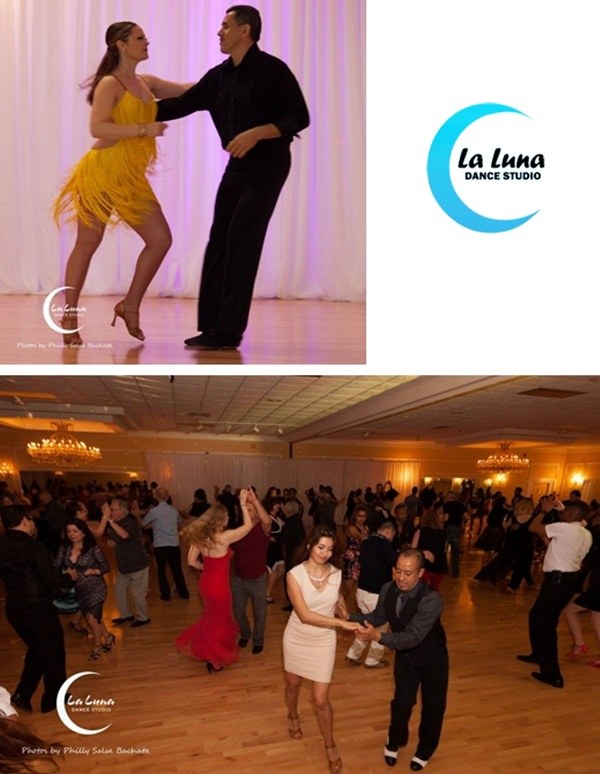
The Ballroom is designed to transform into seven private dance studios to provide comfort to the dancers. Each Friday the lounge opens at maximum capacity, where can hold up to 400 people comfortably dancing to the sounds of those speakers driven from a professional DJ booth with Disco balls and party lights.

La Luna Dance Studio - Bailarines
La Luna Dance Studio – Bailarines

Every second and fourth Friday of the month at La Luna Dance Studio performs Salsa Party: Doors open at 8:30pmwith dinner buffet of courtesy. The Salsa Dance Class is from 9pm to 10pmwith music from locals DJ. The mixtures are 90% Salsa, a few Cha-Chas, Bachatas and Merengues. Admission is $15 for guest, $10 for members of the La Luna, Free to members Platinum and $10 for students with ID.

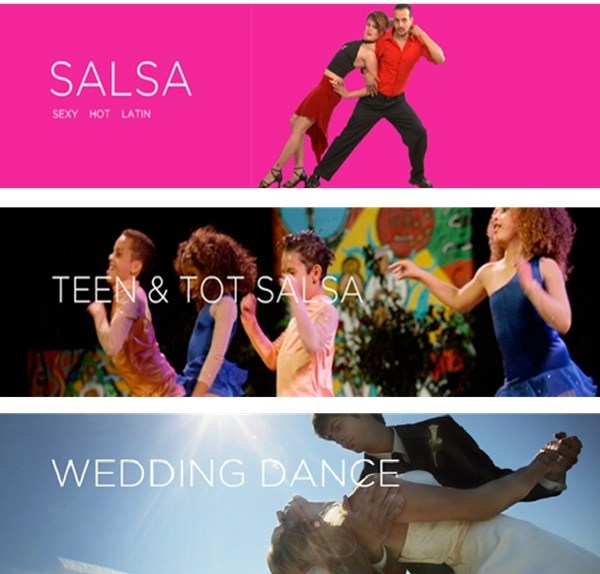
Inside of the faculties of this academy are available: Salsa & Street Latin, Argentine Tango, Ballroom, Zumba, and Swing.

La Luna Dance Studio - Dance Styles
La Luna Dance Studio – Dance Styles

Children and teenagers (3-18 years old), likewise, have a space in this place where the main objective is to teach them: discipline, perseverance, respect and prepare for better performance and creative development. Programs available for these age groups are: Salsa, Dance, Ballet, Tap, Jazz and Hip Hop.

Classes for adults are around $20 per class or if you prefer to pay a monthly membership, ranging from $59 to $179. Also, offers a package of 6 private lessons of 24 particulars lessons whose costs vary depending on the package. It can range from$484 to $1.734.

La Luna Dance Studio - Maestros del baile
La Luna Dance Studio – Maestros del baile

La Luna Dance Studio, in the same way, has specialized instructors for wedding dances for you and your fiance, which can vary according to your preference. If you want something classic like the traditional Vals or something like more tropical as the Salsa.

Among the staff of this dance studio are the professional entertainers and instructors for private parties, weddings, school events, community events or corporate events. Whose preparation is internationally with the best in their field. The price is based per hour.

  • Open: Monday-Friday: 11:00-22:00 & Sunday: 10:00-14:30 Address: 4010 New Falls Rd, Bristol, PA 19007, USA. Website: www.lalunadancestudio.com
  • Facebook: La Luna Dance Studio
La Luna Dance Studio - Collash
La Luna Dance Studio – Collash

Havana Restaurant/Bar Chicago

North America / USA / Chicago
Havana Restaurant/Bar Chicago

Havana Restaurant/Bar Chicago

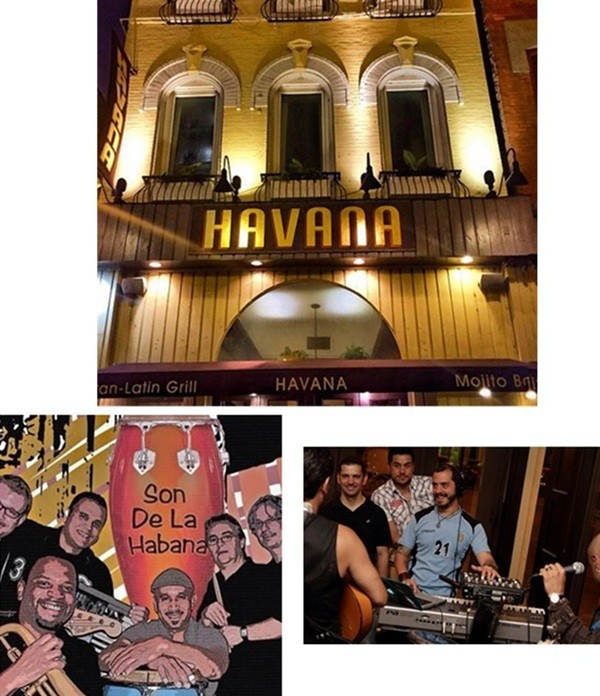
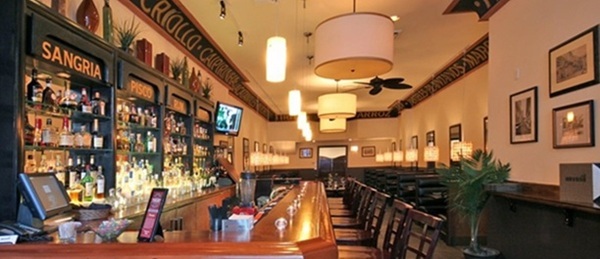
Winner of OpenTable.com’s Diners’ Choice Award in 2009, Havana is a restaurant/bar with live music located in the popular River North neighborhood of Chicago which offers dishes designed by gourmet gastronomy Cuban and Cuban-American specialty drinks. It also has a variety of delicious desserts to compliment your perfect meal.

This restaurant shows in its interior unique 1940 Art-Deco themes that make you feel as if you were in the heart of the authentic tropical island.

Its large levels provide private spaces for a celebration with friends or to enjoy an evening with that special someone, or just sitting at the Bar enjoying a drink, or if you prefer dancing in the lounge with live music that presents the septet “Son de la Habana” (Led by Manases Rivera).

This band makes a combination of Latin Jazz and dance music, including Salsa and modern Cuban dance.

Havana Restaurant/Bar Chicago - Photo
Havana Restaurant/Bar Chicago – Photo

FOOD MENU

Dishes range from Mexican-style carne asada to apricot-chipotle pork chops to a traditional Cuban sandwich and fries served with chimichurri for dipping.

The bar is fully stocked to mix up fun variations on classic Latin coolers, including guava-infused mojitos, and strawberry caipirinhas, a Brazilian “margarita” made with cachaca. Havana along with a large variety of unique lunch and dinner selections, also offers many delectable Cuban desserts to complete your perfect meal, such as Cuban Coconut Rum Flan and Guava Cheesecake.

Havana Restaurant/Bar Chicago - FOOD MENU
Havana Restaurant/Bar Chicago – FOOD MENU

Este oasis cubano is open from Monday to Thursday: 11:00 – 22:00; Friday: 11:00-2:00 and Saturday: 12:00-3:00

  • Address: 412 North Clark, Chicago IL 60654
  • Website: havanachicago.com
  • Twitter: @HavanaChicago
  • Facebook: Havana


Gustavo Dudamel once again leaves Venezuela high in the World Cup final

One of Venezuela’s greatest prides in recent years has again made it clear why he has triumphed so often throughout his career, and that is Gustavo Dudamel. Recently, the artist put in an appearance along with the Simón Bolívar Orchestra of Venezuela to join the other great figures at the halftime show of the FIFA World Cup Final between Argentina and Spain, which Spain won.

The orchestra conductor, once again, impacted the world with one of those uncommon performances in this format, so, as always, drew a lot of attention.

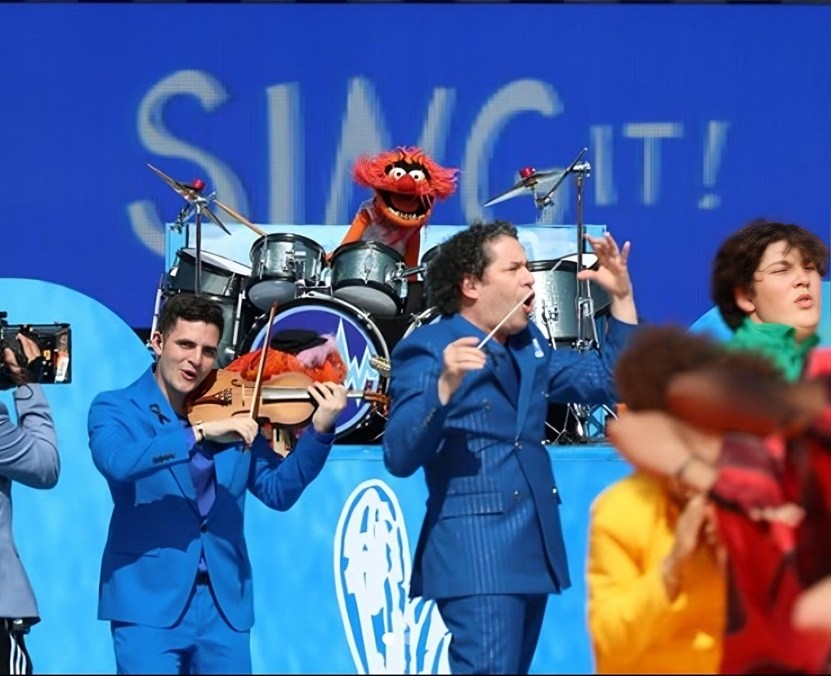
Gustavo Dudamel performing
Maestro Gustavo Dudamel performing at the FIFA World Cup final on July 19

A historic accomplishment achieved by Dudamel

Dudamel achieved something truly historic on July 19, which was to bring the Simón Bolívar Orchestra of Venezuela and the New York Philharmonic together for the first time, resulting in a spectacular 11-minute show in which about twenty El Sistema musicians were conducted by the Barquisimeto native.

As said by the also composer, the main purpose of the performance was organized to show solidarity with the people of Venezuela for the consequences of the double earthquake that hit a large part of the country on June 24, when also marks both the Battle of Carabobo in 1821 and the Feast of John the Baptist, with its traditional drum roll, songs, and processions.

In a post shared on his official Instagram account, the musician announced his participation in the ceremony and sent an encouraging message to his compatriots in such a difficult moment. The artist said following:

‘‘My heart remains with the people of Venezuela in these difficult days, and to share the stage in this unforgettable moment with my beloved Bolivars and my El Sistema family is a powerful expression of the strength and resilience of our country. To bring them together for the first time in history alongside the extraordinary New York Philharmonic, as I prepare for this exciting new chapter with them, is a beautiful expression of global unity and love’’.

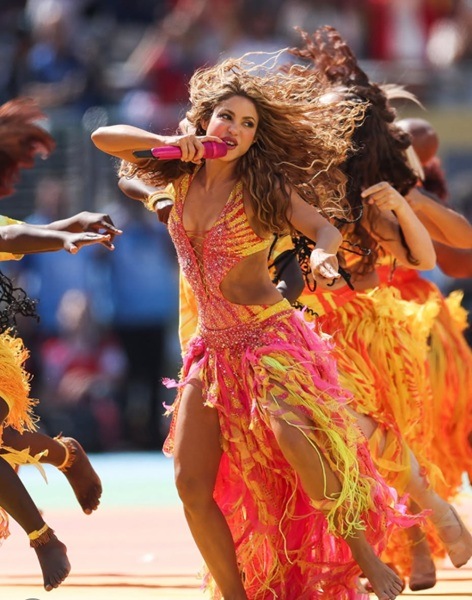
Shakira performing
Shakira performing at the FIFA World Cup final

Other important details of that day

The show, performed at MetLife Stadium in New Jersey, New York, was completely produced by Global Citizen and directed by Chris Martin, lead vocalist of the iconic band Coldplay. What is most noteworthy about the concert was the participation of some of The Muppets’ most iconic characters, Dr. Teeth and The Electric Mayhem. They were also joined by some of Sesame Street’s most beloved characters such as Miss Piggy, Elmo, and Cookie Monster.

As was announced previously, Shakira (performing “Dai Dai,” the official anthem of the FIFA World Cup), Burna Boy, Justin Bieber, and BTS were also present at the event.

It should also be noted that this event not only served as an opportunity to raise awareness on behalf of the most deprived, but also as a fundraising initiative which seeks to ensure quality education and sport for children in poverty around the world, everything through the FIFA Global Citizen Education Fund.

And with respect to the outfit the artist wore during his show, Dudamel was dressed in an elegant blue suit with a very large number one on the back and a black bow on the lapel to pay his respects to the dead and victims as a result of the double earthquake in his country. Each and every one of the musicians who accompanied the maestro did the same to show support to the artist in his grief as a Venezuelan and pay tribute to those who have lost everything or are still under the rubble.

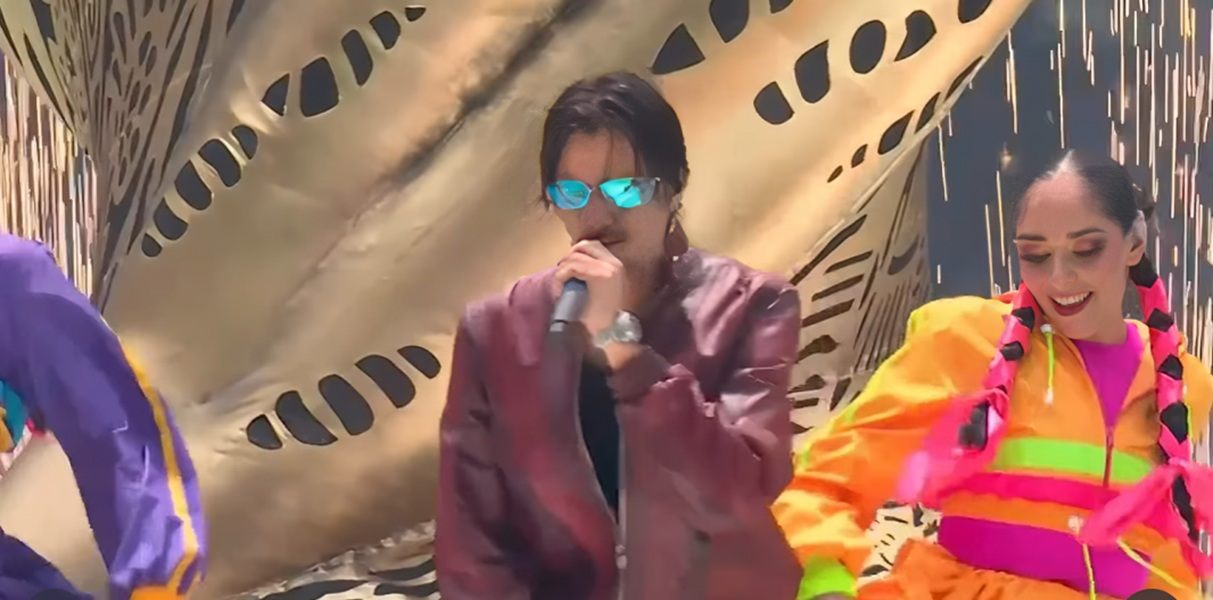
Danny Ocean performing
Danny Ocean performing at the FIFA World Cup final

Venezuelans, more present than ever in a FIFA World Cup

Evidently, Dudamel’s performance was well-covered by international media around the world, but he was not the only Venezuelan to shine in a World Cup. At the opening ceremony, we also enjoyed the greatest hits of urban artist Danny Ocean, who became the first Venezuelan to perform at an official World Cup opening ceremony with his song “Partidazo”, which by the way, is part of the official album FIFA released to celebrate the tournament.

The event took place at the Estadio Azteca in Mexico City, and the young performer wore a leather outfit with seven silver stars embroidered on the collar of his jacket. With the outfit designed by the Mexican brand Siete Cactus, he sought to pay tribute to his Venezuelan roots and the national team of his country, which wears the same color on its uniform.

This is how Venezuelans, whenever they are in the world, shine in all their glory despite any trance the country is in—and Maestro Dudamel and Danny Ocean are a prime example of this.

Read also: Alexander Masucci endorses The Salsa Museum and our work

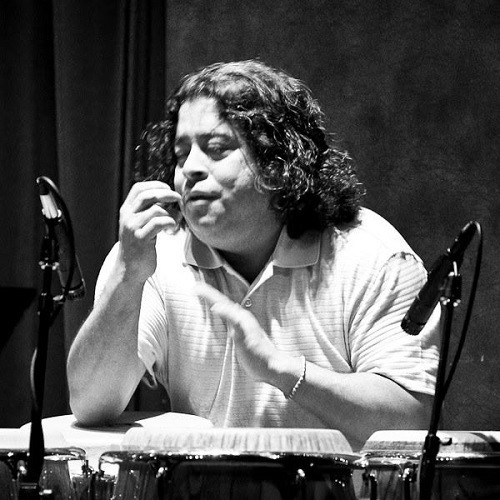
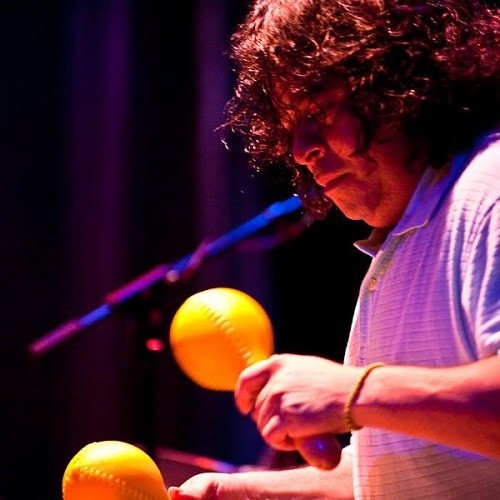
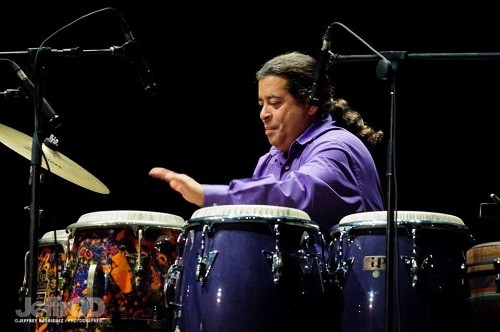
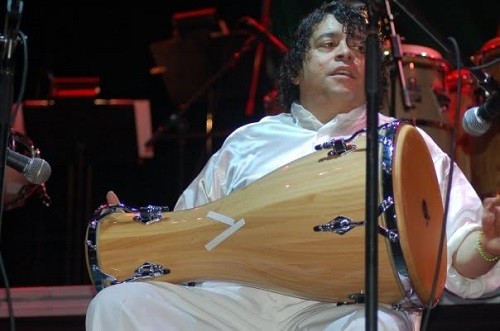
Percussion Design: Giovanni Hidalgo “Mañenguito” Revolution on the Congas

“A technical and historical analysis of the virtuosity, timbral hybridization, and legacy of one of the most influential percussionists in jazz and global Latin music.”

The Heir to “Mañengue”

Giovanni Hidalgo, born in San Juan, Puerto Rico, in 1963, is universally considered one of the most virtuous and innovative percussionists of all time.

Hidalgo uno de los percusionistas más influyentes del jazz

Affectionately known as “Mañenguito” because he is the son of legendary percussionist José “Mañengue” Hidalgo, he grew up in an environment where Afro-Caribbean rhythms were not only heard, but formed an everyday language.

Unlike many percussionists of his generation, Hidalgo’s training combined the rigor of empirical street-level learning with a methodical study of sight-reading (solfège) and formal technique.

From his early years, he displayed hand independence and speed that would redefine the global standard of conga (tumbadora) playing.

Technical Innovation: Rudiments Translated to the Conga

Giovanni Hidalgo’s major revolution within the percussion landscape lies in his adaptation of classic drum set rudiments to the congas.

Traditionally, conga execution relied on structured rhythmic patterns built around open tones, slaps, muted tones, and the heel-toe movement (marcha).

Hidalgo elevated this technique to an entirely new level:

  • Hand and Finger Independence: He developed finger and wrist speed capable of replicating five-stroke rolls, flams, paradiddles, and ruffs at blistering speeds on the drumheads.
  • Expanding the Set: He popularized the use of 4-, 5-, and up to 6-conga setups tuned melodically, transforming percussion into a harmonic and melodic instrument within the ensemble.
  • Multilimb Polyrhythm: The ability to maintain independent clave lines while improvising melodic solos of high mathematical complexity.

Musical Career and Key Collaborations:

Hidalgo combinó el rigor del aprendizaje empírico de la calle con un estudio metódico del solfeo y la técnica formal

“Mañenguito’s” career is defined by his ability to effortlessly transition between salsa dura, Latin jazz, Puerto Rican folk music, and world music.

Career Highlights:

  • Batacumbele: In the 1980s, alongside musicians like Ángel “Cuqui” Santos and Dave Valentín, Hidalgo was part of the legendary group Batacumbele. The band revolutionized Caribbean music by integrating elements of Cuban songo with bomba, plena, and jazz.

  • Dizzy Gillespie and the United Nation Orchestra: At age 25, he was recruited by bebop icon Dizzy Gillespie. This era catapulted him onto the international jazz stage, performing at the world’s most prestigious festivals.

  • Planet Drum: His collaboration with Mickey Hart (drummer for the Grateful Dead), Zakir Hussain, and other international percussion masters culminated in the Planet Drum project, which won the first-ever Grammy Award for Best World Music Album (1991).

  • Trio with Michel Camilo: His recordings and live performances alongside Dominican pianist Michel Camilo and bassist Anthony Jackson represent one of the pinnacles of contemporary Latin jazz due to the level of energy and technical precision executed.

  • Eddie Palmieri: The union of Giovanni Hidalgo and Eddie Palmieri stands as one of the most explosive and revolutionary partnerships in the history of Latin jazz and Afro-Caribbean music. When Hidalgo’s technical virtuosity and speed on the congas met Palmieri’s aggressive, dissonant, and orchestral piano style, the result forever transformed contemporary percussion.

    El Diseño de la Percusión La Revolución de Giovanni Hidalgo Mañenguito en las Congas

The Clash of Two Worlds (Late ’80s)

In the mid-1980s, Eddie Palmieri already a living legend for his innovations with La Perfecta and his salsa dura and Latin jazz productions brought the young Puerto Rican Giovanni Hidalgo into his group.

  • The Impact: Hidalgo introduced a revolutionary language to the ensemble by adapting drumstick techniques to open-hand playing.
  • The Synergy: In Giovanni, Palmieri found a percussionist capable of matching the power, polyrhythmic complexity, and harmonic tension he delivered from the piano.
  • Highlights: The solidity of Giovanni’s conga work on tracks like “La Libertad / Comparsa” launched Hidalgo onto the international stage as the most influential conguero of his generation.
  • The Innovation: Giovanni Hidalgo led the rhythm section with solos that defied the physics of conga playing through sheer speed, subtle dynamics, and refined tuning adjustments.
  • Impact: Giovanni served as a generational bridge between the established masters of the Palladium era and the technical avant-garde of the new millennium.
  • Award: The album Listen Here! won the Grammy Award for Best Latin Jazz Album in 2006, crowning a golden era of collaborations.

In May 2010, Hidalgo was awarded an Honorary Doctorate of Music from Berklee College of Music and is widely considered one of the leading Latin percussionists in the world today.

Tito Puente (“The King of Timbales”) and Giovanni Hidalgo (“Mañenguito”) represent one of the most powerful intergenerational encounters in the history of Latin music. Puente adopted Giovanni not only as his principal conga player during several key periods, but also as a virtuoso soloist capable of matching his speed, precision, and stage presence.

Golden Latin Jazz Giants and International Projects, among others.

Fania and Latin Jazz Supergroups: Alongside Puente, Giovanni was part of various “All-Star” ensembles that toured the most important jazz festivals in Europe and Japan (such as the North Sea Jazz Festival and Montreux).

The Generational Bridge: Puente represented the golden age of the Palladium Ballroom in New York, while Giovanni contributed the technical avant-garde of the new millennium. This synergy kept Puente’s music relevant to new generations of percussion students.

Conocido afectuosamente como Mañenguito

Comparative Chart: Hidalgo’s Contributions to Percussion:

Technical Dimension Traditional Execution (Pre-Hidalgo) Giovanni Hidalgo’s Innovation
Finger/Hand Use Based on wrist and hand weight Individualized finger control for extreme articulation and speed
Setup Configuration 1 to 3 congas in a primary rhythmic pattern 4 to 6 congas tuned melodically in intervals
Rhythmic Vocabulary Afro-Cuban claves and regional patterns Integration of marching rudiments, bebop, and Indian polyrhythms

 Conclusion and Resilience

Giovanni Hidalgo did not merely alter the physics of playing the conga he expanded the creative boundaries of the instrument itself.

Despite the health challenges he has faced over the years, including complications from diabetes that affected his hands, his dedication and technical adaptability have demonstrated the strength of his musical spirit.

Entrevista a Giovanni Hidalgo por Dj. Augusto Felibertt

His legacy extends far beyond his recordings: “Mañenguito” taught the world that the conga is not just an accompanying rhythmic instrument, but a solo voice with infinite melodic, dynamic, and expressive possibilities.

Also Read: Learn to Play Percussion with Giovanni “Mañenguito” Hidalgo

  • « Go to Previous Page
  • Page 1
  • Interim pages omitted …
  • Page 47
  • Page 48
  • Page 49
  • Page 50
  • Page 51
  • Interim pages omitted …
  • Page 316
  • Go to Next Page »

International Salsa Magazine (ISM) is a monthly publication covering salsa activities around the world and has been publishing since 2007. It is a worldwide network of volunteers coordinated by ISM Magazine. Together, we work to strengthen salsa events around the world.