• Skip to primary navigation
  • Skip to main content

International Salsa Magazine

  • HOME
  • Previous editions
    • 2026
      • ISM / August 2026
      • ISM / July 2026
      • ISM / June 2026
      • ISM / May 2026
      • ISM / April 2026
      • ISM / March 2026
      • ISM / February 2026
      • ISM / January 2026
    • 2025
      • ISM / December 2025
      • ISM / November 2025
      • ISM / October 2025
      • ISM / September 2025
      • ISM / August 2025
      • ISM / July 2025
      • ISM / June 2025
      • ISM / May2025
      • ISM / April 2025
      • ISM / March 2025
      • ISM / February 2025
      • ISM / January 2025
    • 2024
      • ISM / December 2024
      • ISM / November 2024
      • ISM / October 2024
      • ISM / September 2024
      • ISM / August 2024
      • ISM / July 2024
      • ISM / June 2024
      • ISM / May 2024
      • ISM / April 2024
      • ISM / March 2024
      • ISM / February 2024
      • ISM / January 2024
    • 2023
      • ISM / December 2023
      • ISM / November 2023
      • ISM / October 2023
      • ISM – September 2023
      • ISM – August 2023
      • ISM July 2023
      • ISM Edition June 2023
      • ISM – May 2023
      • ISM April 2023
      • ISM March 2023
      • ISM February 2023
      • ISM January 2023
    • 2022
      • ISM December 2022
      • ISM November 2022
      • ISM October 2022
      • ISM September 2022
      • ISM August 2022
      • ISM July 2022
      • ISM June 2022
      • ISM May 2022
      • ISM February 2022
      • ISM January 2022
    • 2021
      • ISM December 2021
      • ISM November 2021
      • ISM October – 2021
      • ISM September 2021
      • ISM August 2021
      • ISM July 2021
      • ISM May 2021
      • ISM April 2021
      • ISM June 2021
      • ISM March 2021
      • ISM February 2021
      • ISM January 2021
    • 2020
      • ISM December 2020
      • ISM November 2020
      • ISM October 2020
      • ISM September 2020
      • ISM August 2020
      • ISM July 2020
      • ISM June 2020
      • ISM May 2020
      • ISM April 2020
      • ISM March 2020
      • ISM February 2020
      • ISM January 2020
    • 2019
      • ISM December 2019
      • ISM November 2019
      • ISM October 2019
      • ISM Septembre 2019
      • ISM August 2019
      • ISM July 2019
      • ISM June 2019
      • ISM May 2019
      • ISM April 2019
      • ISM March 2019
      • ISM February 2019
      • ISM January 2019
    • 2018
      • ISM December 2018
      • ISM November 2018
      • ISM October 2018
      • ISM September 2018
      • ISM August 2018
      • ISM July 2018
      • ISM June 2018
      • ISM May 2018
      • ISM April 2018
      • ISM March 2018
      • ISM February 2018
      • ISM January 2018
    • 2017
      • ISM December 2017
      • ISM November 2017
      • ISM October 2017
      • ISM September 2017
      • ISM August 2017
      • ISM July 2017
      • ISM June 2017
      • ISM May 2017
      • ISM April 2017
      • ISM March 2017
      • ISM February 2017
      • ISM January 2017
    • 2016
      • ISM December 2016
      • ISM November 2016
      • ISM October 2016
      • ISM September 2016
  • Spanish
  • Download Salsa App
    • Android
    • Apple

Search Results for: music

Añá The Divine Voice of the Batá Drums and Their Ancestral Heartbeat

In the vast universe of Afro-Cuban spirituality and Yoruba tradition, batá drums are not merely musical instruments: they are living, consecrated entities.
Tambores Añá La Voz Divina de los Batá y su Latido AncestralTambores Añá La Voz Divina de los Batá y su Latido Ancestral

The soul that resides within these sacred drums is known as Añá (or Aña), the deity (orisha) of divine sound and primordial vibration. To speak of the Añá drums is to enter a direct channel of communication between the earthly realm and the spiritual world.

Origin: The Secret Born in Yoruba Land

The presence of Añá dates back to the ancient Yoruba Empire (in present-day Nigeria and Benin). In Yoruba mythology, the deity Añá represents the divine voice and breath through which Olodumare (the Creator) ordered the cosmos.

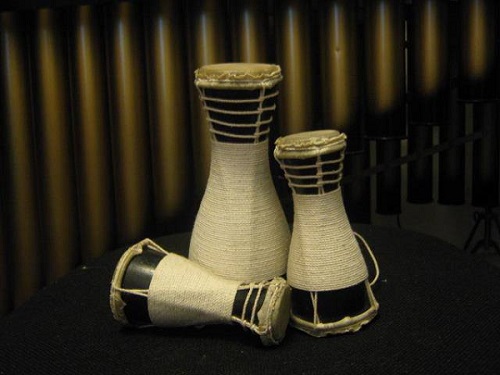
To encapsulate this force, a sacramental trio of hourglass-shaped, hand-carved wooden drums was structured:

Iyá: The mother drum, lowest in pitch, responsible for leading the liturgy and performing improvisations.
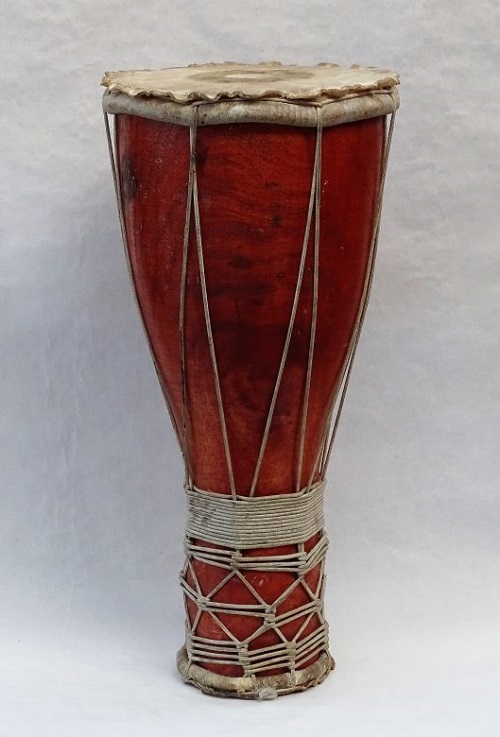
Iyá El tambor madre
Iyá El tambor madre

Itótele: The medium drum, which engages in a direct dialogue with the Iyá.
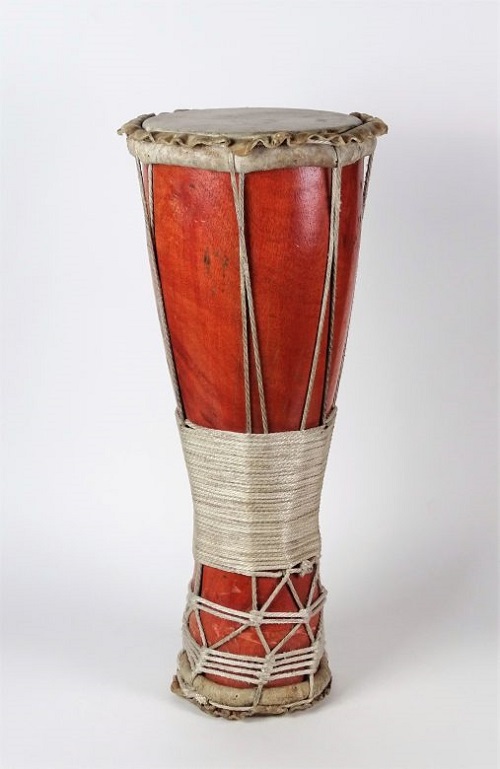
Itótele El tambor mediano

Okónkolo: The smallest drum, responsible for holding down the rhythmic foundation.
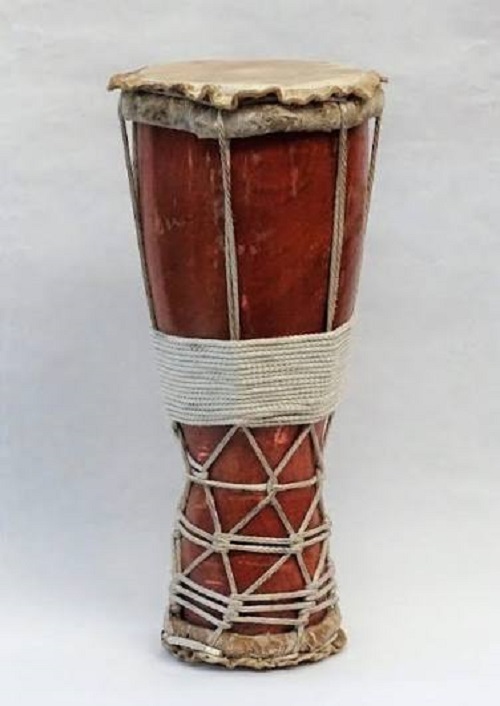
Okónkolo El más pequeño

Consecrating a set of batá drums with the fundamento (sacred core) of Añá requires strict liturgical rites involving sacred botany (omiero), prayers, and offerings so that the deity takes permanent residence within the wood. Only sworn priests, known as Omo Añá or Oluwos Batá, are authorized to play these sacred instruments.

Evolution: The Transatlantic Journey and the Cuban Flourishing

Through the transatlantic slave trade during the colonial era, Yoruba scholars arrived in the Caribbean primarily in Cuba under the Lucumí designation. Despite the oppressive conditions, practitioners fiercely preserved the secret of Añá.

Toward the second half of the 19th century, in the town of Guanabacoa (Havana), the first set of Añá drums consecrated on American soil was consecrated and baptized. In this new sociocultural environment, the ancestral rhythms remained intact within the liturgy of Regla de Ocha (Santería).

The drumming patterns evolved into a complex system of tonal languages where the drum does not merely accompany, but speaks to and summons each orisha through specific rhythmic phrasing.

Significance: A Tonal Language Between Humanity and Orishas

The importance of the Añá drums lies in their mystical function: they serve as the sacred bridge that harmonizes the Ori (an individual’s head and destiny) with the deities and ancestors.

In Lucumí cosmogony, Añá’s vibration possesses the power to alter the state of consciousness of the initiated, facilitating spiritual trance or possession through which the deity descends to earth.

“Añá does not play to entertain the human ear, but to summon the spirit and maintain cosmic balance through sound.”

Furthermore, on a musical level, it represents one of the most complex rhythmic legacies on the planet. Its polyrhythmic technique has had an immeasurable influence on the development of Afro-Cuban music, Latin jazz, and salsa.

Present Day: Preservation of Faith and Global Expansion

Today, the Añá tradition experiences a dual phenomenon: the rigorous preservation of its rituals and a remarkable global expansion.

Although the secrets required to consecrate a legitimate Añá remain closely guarded under strict priestly discretion, Santería worship and admiration for batá percussion have transcended the borders of Cuba and Nigeria.

Today, there are consecrated Añá drum sets established by babalawos and Omo Añá in countries such as the United States, Venezuela, Mexico, Spain, and Puerto Rico.
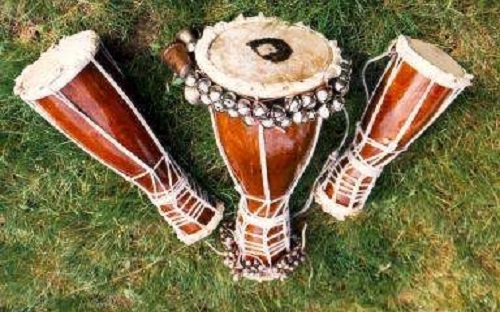
Los Tamborea Bata son entidades vivas y consagradas

While non-sacred batá drums (known as aberikuló, which do not carry the secret of Añá) are used freely on secular stages, true Añá drums remain reserved exclusively for private ceremonies, keeping alive the voice of an ancient deity.

To visually understand how the drum’s sound articulates the liturgical call within the tradition, check out the resource “The Function of Añá Within Batá Drums.”


Also Read: Pancho Quinto Is Considered One of Cuba’s Great Rumberos

International Salsa Magazine Recommends:
Añá Loógúnsi Fundamento Drum

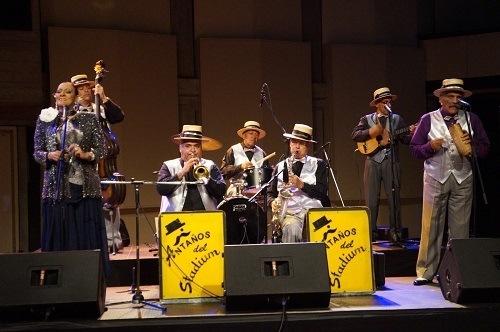
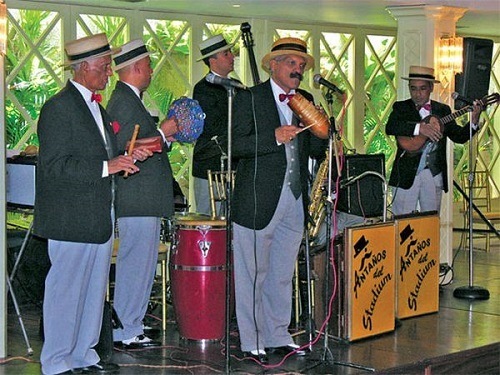
The Antaños del Stadium: Echoes, Memory, and Rhythm of Cañonera Caracas

From the Baseball Diamond to Venezuela’s Musical HeartVenezuelan popular music preserves one of the most cherished and iconic pillars of its urban identity: Los Antaños del Stadium.


Los Antaños del Estadio Ecos Memoria y Ritmo de la Caracas Cañonera

Emerging in the mid-20th century, this ensemble not only rescued the musical traditions of early 20th-century Caracas, but also transformed merengue caraqueño, guasa, and pasodoble into a living bridge between the city’s colonial past and the nation’s modernity.

Origins: Born on the Baseball Field

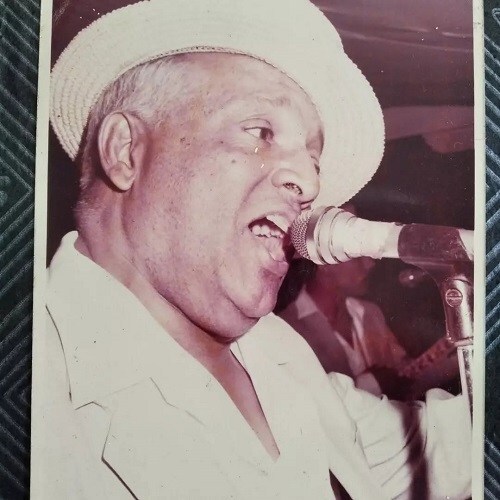
The group’s history dates back to 1946, when musician and athlete Jacobo Espinoza decided to assemble a group of instrumentalists to liven up baseball games at the former San Agustín Stadium home to the legendary Cervecería Caracas team.

It was in that setting, where a passion for sports met a festive atmosphere, that the group was born under its original name: Los Cañoneros del Estadio.

Notas Nacidas en el Campo de Juego

The ensemble adopted the aesthetic and sound of the old cañonero bands, which swept through the streets, plazas, and dance halls (mabilas) of Caracas in the early 20th century, announcing local festivities to the beat of the bass drum, cymbals, saxophone, and snare drum.

What began as an initiative to entertain fans in the stands took deep root in Venezuelan popular culture.

Evolution: Consolidating the Cañonero Sound

Over the decades, the group expanded from sports stadiums to radio airwaves, television, and studio recordings. Under the musical direction of the distinguished saxophonist Aníbal Escobar who defined the group’s signature melodic style for over 50 years—and the leadership of Jacobo Espinoza, the ensemble forged an unmistakable sound.

Jacobo Espinoza el ensamble definió un estilo inconfundible

Traditional genres that were at risk of fading into obscurity—such as merengue rucaneao (characterized by its infectious 5/8 time signature), the pasodoble criollo, guasa, polka, and waltz—found in Los Antaños del Stadium a vehicle for their preservation and renewal.

Following the founder’s passing, his children, Enrique and Nicol Espinoza, took over the reins, staying true to the iconic acoustic and instrumental format that defined the group.

Significance: Guardians of Venezuelan Heritage

The legacy of Los Antaños del Stadium lies in having immortalized the soundtrack of “The Caracas of the Red-Tile Roofs” (La Caracas de los Techos Rojos). With a discography spanning more than 20 albums, they immortalized essential pieces of the national songbook, such as “Carmen la que contaba 16 años,” “El Norte es una Quimera,” and “Alma Cumanesa.”

Antaños del Stadium llevan el sonido caraqueño al Centro Cultural BOD Escrito por Team Aliado Publicado 26 Jul 2019
Antaños del Stadium
llevan el sonido caraqueño al
Centro Cultural BOD
Escrito por Team Aliado
Publicado 26 Jul 2019

In 1996, marking a half-century of uninterrupted artistic work, the group was declared Musical Cultural Heritage of the City of Caracas.

Their legacy goes far beyond mere performance: they serve as a historical and methodological benchmark for all generations and música cañonera ensembles formed in Venezuela over recent decades.

Today: A Living Legend in the 21st Century

With over seven decades of continuous history, Los Antaños del Estadio remain active as one of the longest-running groups in Venezuelan music.

Although the urban landscape of Caracas has changed, the group continues to perform at festivals, cultural centers, and heritage events, proving that merengue caraqueño retains its vitality and festive charm.

.

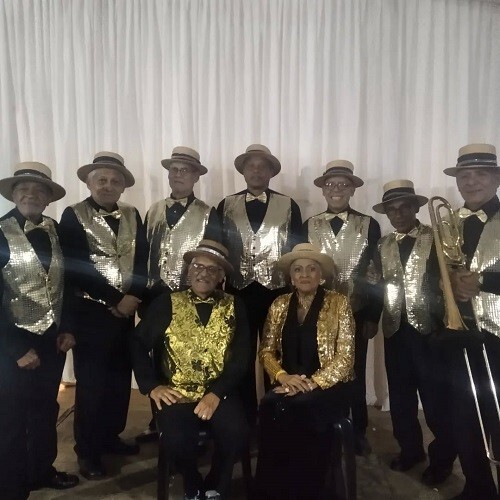
Antaños del Estadio
Antaños del Estadio

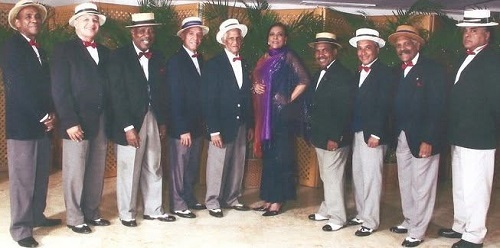
From left to right:

Rafael Escobar: Bajo

Prof. Carlos Espinoza: Bombardino

Maestro Aníbal Escobar: Saxofón y Director Musical

José Gregorio Ascanio, “Melao”: Tumbadora

Miguel La O Álvarez: Cantante

Sra. Nikol Espinoza Mata: Cantante

Juan Ramón Pedrón: Batería

Luis Alfredo Planas: Cuatro

Enrique Espinoza Mata: Cantante y Percusión

Andrés Romero, “Tapón”: Trompeta

Today, the Espinoza family’s legacy stands as a testament to cultural resilience and popular joy. Los Antaños del Stadium represent far more than mere nostalgia for the past; they are living proof that a city’s musical memory can remain vibrant, energetic, and resonant across generations.

This live performance of the group playing their classic merengue rucaneao perfectly showcases the style, festive energy, and traditional sound that have defined them throughout their long and storied career.

Also Read: Porfi Jiménez The Master of Rhythm Who United Two Nations

ISM / August 2026

​

Left cover 8 2026 Right cover 8 2026
SalsaApp Left SalsaApp Right
North America 8 2026
Latin America 8 2026
Europe 8 2026
Africa 8 2026
Asia 8 2026
Oceania 8 2026
Boston Salsa Festival 8 2026
Artist 8 2026
“We are the Latin music world network”
Letter to the Editor Dual Split Left

[Read more…] about ISM / August 2026

Asia / August 2026

Apocalypse Now 2025Dubai Latin Crazy TribeGuia Fu 2025

Calibrated maracasBill Martinez

Directory of Asian nightclubs

Hong Kong `circular flag

HONG KONG

Graffiti LKFGraffiti LKF
G/F, 17-18 Lan Kwai Fong, Central
Central, Hong Kong
Solar LKFSOLAR LKF
Central 2nd Floor, Ho Lee Commercial Building, 38-44 D’Aguilqr Street, Lang Kwai Fong Central
HKI Hong Kong
Sole Mio RestaurantSole Mio
Upper Ground Floor, 51 Elgin Street, Soho
Central Hong Kong, Hong Kong

ISRAEL

Havana Music Club
Havana Music Club
Yigal Alon St 126
Tel Aviv-Yafo, Israel
+972 3-562-3456

Japan circular flag
JAPAN

Egoland
Egoland Bar Akihabara
Chiyoda City, Kanda Sakumacho, 4 7-3 2F
Tokyo, Japan
Bar MirageBar Mirage
5F VORT Roppongi Briller, 3-14-14 Roppongi, Minato-ku
Tokyo 106-0032, Japan
+03-5860-6946
FiestaFiesta Latin Spot Bar
3F, 1 Chome-14-6 Kabukicho, Shinjuku City
Tokyo 160-0021, Japan
+81 90-1086-2878
El Cafe Latino TokyoEl Cafe Latino

3 Chome-15-24 Roppongi, Minato City
Tokyo 106-0032, Japan
+81 3-3402-8989

Latin Club Leon
Latin Club Leon
5-17-6 B1 Shinjuku, Shinjuku-ku
Tokyo 160-0022, Japan

La Tropi Azabu
La Tropi Azabu
3F Roppongi Azelea Bldf. 1-3-6 Nishi-Azabu, Minato-ku
Tokyo1060031, Japan

Thailand circular flag
THAILAND

bAFROS lOUNGE
Bafros
Sugar Club Complex Sukhumvit Soi 11
Bangkok 10110, Thailand
+66 63 039 8700

Havana Social Cocktail Bar
Havana Social
1/1 Sukhumvit Rd. Soi 11
Bangkok, Thailand
+66 2 821 6111

Vietnam circle flag
VIETNAM
Apocalypse Now Vietnam
Apocalypse Now Sai Gon
2F Thi Sach
Ho Chi Minh City, Vietnam 70000
+84 799 741 261


La Habanera Vietnam
La Habanera
Basement 81 xuân diệu Tay Ho
Hanoi 100000, Vietnam
+84 35 320 7220

La Pachanga Saigon
La Pachanga Club Saigon
3rd Floor, 39A Co Bac Street, Cau Ong Lanh Ward, District 1
Ho Chi Minh City 700000, Vietnam
+84 93 855 79 21

Africa / August 2026

PedSalsa Angola 2025

Karina Bernales present August 2026 FESTIVAL

Kenia circle flag
KENIA
NAL 08 2026

NAIROBI AFROLATIN WEEKEND

Aug 21 / 22, 2006

LaMesa Movenpick Hotel
Mkungu Cl
Nairobi, Kenia

KES 5,500

Calibrated maracas

Martinez attorney

Directory of African nightclubs

Angola circular flag
ANGOLA

Casa da Música Talatona
Avenida S8, Espaços Avenida, 2do anda, porta 36,Talatona
Luanda, Angola

Marginal Lounge Conceito 3D
Marginal Lounge
Avenida 4 de Fevereiro, Marginal de Luanda, Edifício Deana Day Spa
Luanda, Angola

PediSalsa Luanda
Restaurante Péd’Salsa
Ilha de Luanda (ex Cais de 4)
Luanda, Angola

South Africa cIRCULAR FLAG
SOUTH AFRICA
Pa Mi Corazon Academic
Pa Mi Corazon
Suite 4, 680 Musgrave Rd, Essenwood, Durban, 4001, South Africa

Salsa Addicts Academic
Salsa addicts
47 5th Ave, Parkhurst
Randburg, 2193, South Africa
  • « Go to Previous Page
  • Page 1
  • Interim pages omitted …
  • Page 48
  • Page 49
  • Page 50
  • Page 51
  • Page 52
  • Interim pages omitted …
  • Page 316
  • Go to Next Page »

International Salsa Magazine (ISM) is a monthly publication covering salsa activities around the world and has been publishing since 2007. It is a worldwide network of volunteers coordinated by ISM Magazine. Together, we work to strengthen salsa events around the world.