





| March 2026 – Festivals | ||
|
|
 |
Día Nacional de La ZalsaMar 22, 2026 Plaza de la Independencia $ 30.00 + ivu & c.s |




| DIRECTORY OF NIGHTCLUBS | ||
|
|
|
|
|
|
|
|
|
|
|
|
|
|
|
|
|
|
|
|
|
|
|
|



| March 2026 – Festivals | ||
|
|
|
Día Nacional de La ZalsaMar 22, 2026 Plaza de la Independencia $ 30.00 + ivu & c.s |
| DIRECTORY OF NIGHTCLUBS | ||
|
|
|
|
|
|
|
|
|
|
|
|
|
|
|
|
|
|
|
|
|
|
|
|
A musician, arranger, composer, and conductor, Durán has spent over four decades serving as the guardian of the big band sound. He keeps the flame of legends like Tito Puente and Pérez Prado alive, but with a distinctive signature that fuses academic precision with popular soul.
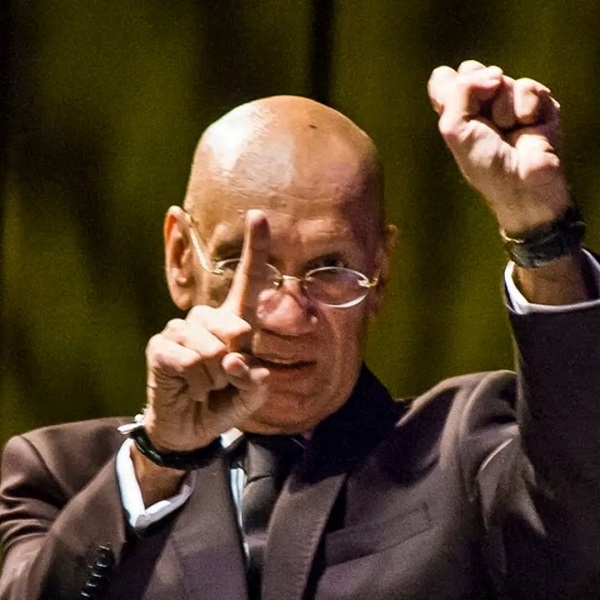
Born in Caracas, Venezuela, on January 2, 1949, as Nelson Valor Ramos, this extraordinary artist is today an essential figure in music production and direction.
The Musician: Master of the Arrangement
The Person: The Educator and Music Lover
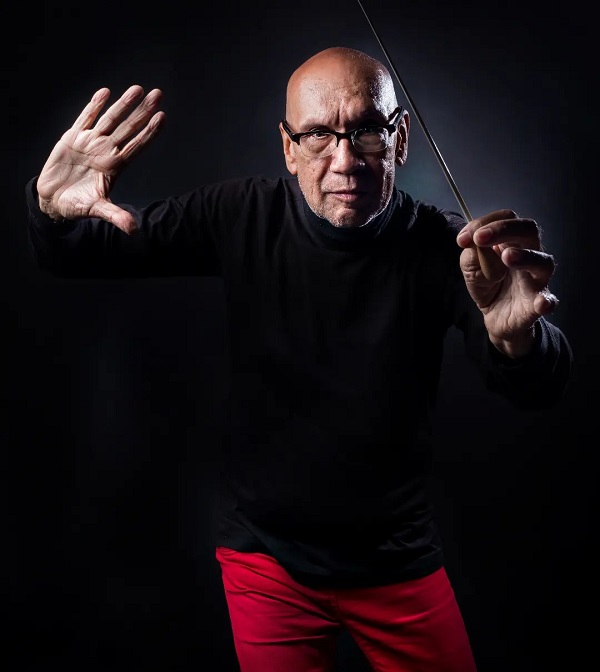
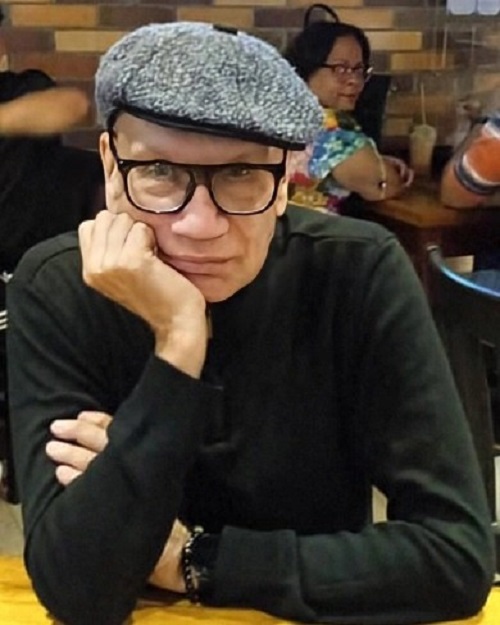
Career and Legacy
Andy Durán is one of the greatest exponents of Salsa and Latin Jazz in Venezuela. With 16 albums to his credit, he holds the most extensive discography of any Venezuelan jazz artist. Additionally, he is recognized as the country’s premier music copyist.
Since 1982, he has been fully dedicated to professional music, working alongside giants such as Aldemaro Romero, Eduardo Cabrera, the Billo’s Caracas Boys, Los Melódicos, and Soledad Bravo. In 1985, he released his first LP, Mambo Salsa. Among his most notable works are:
Reflections by Andy Durán: Is Singing Easy?
The Requirements: Flawless pitch, breath control, phrasing, and diction; in addition, a strong memory for melodies, lyrics, and orchestral arrangements.
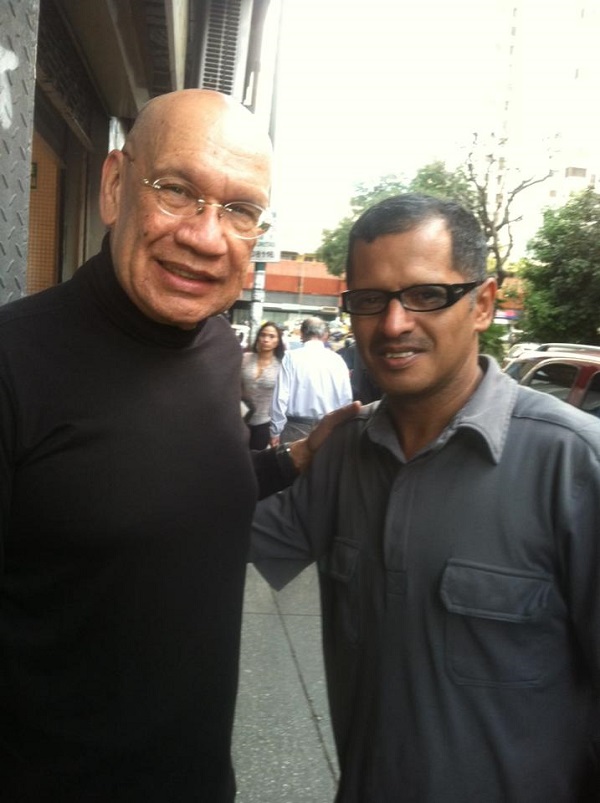
Reading is mandatory to develop a rich vocabulary for improvisation or public speaking; it also prevents embarrassing spelling errors in written lyrics. Keeping the vocal cords healthy and trained is a vital matter. Music theory and sight-singing are the ideal, essential, and unavoidable tools.
Finally, a singer must define their style and repertoire with great care. One must invest in professional orchestral arrangements and have an arranger-director or advisor—this is an investment, just like stage attire.
Remember, my fellow singers: a director’s worst nightmare is a singer who is out of tune, off-beat, and forgetful.
Best regards to all vocalists and singers.
Maestro Andy Durán: Director, Arranger, and Composer
P.S. Vocalists must meet two more requirements: keep your nerves in check and sing from the heart.
Also Read: Víctor Cuica “The Eternal Breath of Latin Jazz and Venezuelan Identity“
Adriana Carolina Mosquea Santana, born on August 25, 1993, in Santiago de los Caballeros, Dominican Republic, is a multi-faceted artist who has built a solid career as a solo singer, bassist, stage actress, and vocal coach.

Early Training and First Steps
After an accident that hindered the mobility of her hands for eight months, she defied medical diagnoses and achieved a full recovery through self-directed therapy, resuming her career with groups such as Sol Latino and La Piña Tá Dulce.
The Leap into Lyrical Music and Theater
In 2014, she received a scholarship from the La 37 por las Tablas school, joining the elite vocal group Les Cantatis. Under the tutelage of Roberto Guzmán and María Ligia Grullón, she performed pieces by Vivaldi, Pergolesi, and Tchaikovsky, and participated in the opera Carmen. In 2019, she was part of the choir for the opera La Traviata at the National Theater, conducted by José Antonio Molina.
Solo Career and National Projection
As a soloist, she has released tracks such as Humo y Humo and Zombie, performing at festivals like Arte Vivo and the Alliance Française. Her multidisciplinary project, Circo Imaginario, led her to open for the iconic Dominican rock band Toque Profundo.

Professional Background and Academic Formation
Adriana’s dedication goes beyond performance; she is an art scholar. She holds a degree in Art History and is currently pursuing a degree in Special Needs Education, focusing on music pedagogy.
Key milestones in her professional journey include:
Innovation During the Pandemic and Recent Collaborations
Between 2020 and 2021, she produced her album Arte, Magia y Libertad (Art, Magic, and Freedom) in collaboration with Venezuelan producer Daniela Yánez. Her singles have received nominations at the Indie Dominican Awards and Expo Cibao.
Additionally, she participated in the In Memoriam segment of the 2020 Soberano Awards and composed part of the soundtrack for the film La Soga 3. In 2025, she stood out in a tribute to Maridalia Hernández, performing the duet Te Ofrezco.
Pedagogical Work and Vocal Coaching

“Singing is a means of expression and healing. My focus is on a balanced life and technical discipline to set the voice free.”
The Multi-instrumentalist and the Winds of Communication
Although her primary instrument is the bass (and double bass in her early years), Adriana is proficient in guitar, piano, drums, and ukulele. her foray into woodwind instruments, such as the clarinet and saxophone, was born from a spiritual search:
Identity, Flavor, and Spirituality
Proud of her roots, Adriana describes Santiago de los Caballeros as a peaceful “city-countryside.” Her palate travels between the Dominican Sancocho de siete carnes and the Venezuelan Mondongo, a dish she confesses has captivated her.

Also Read: Dominican bandleader and singer Papo Ross is triumphing in Montreal
This month’s material is dedicated to the great arranger and trumpeter Ernesto “Tito” Rivera, who year after year has established himself as one of the most respected artists in the Puerto Rican music scene, especially in salsa. Below, we will mention some of the most important facts of his career to date and what he is doing presently.
One of the greatest contributions the virtuoso Tito has made to music in general has been his pen and the help he has provided to famous orchestras of all time, especially in the 1980s and 1990s. One of these is Roberto Roena y Su Apollo Sound, that to a large extent, is what fans remember today thanks to the Puerto Rican musician’s talented songwriting.
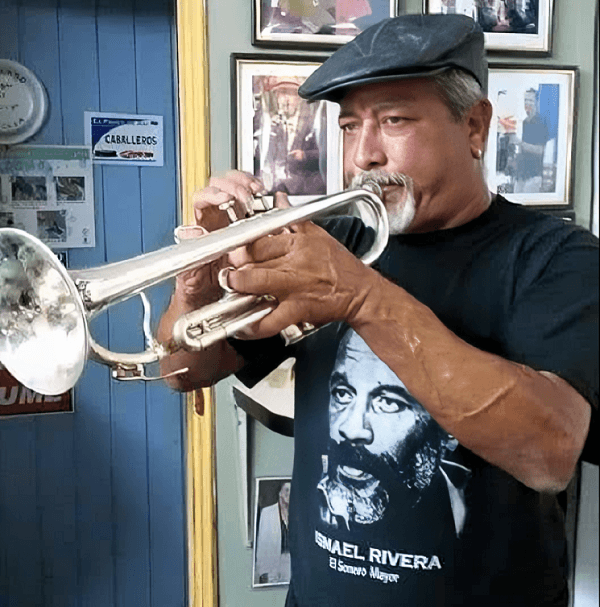
Another orchestra that was strongly influenced by Rivera was La Impacto Crea, which many remember as the group born of Hogares Crea and recorded for Vaya Records under the production of Bobby Valentín. Other groups we can mention on this long list include El Conjunto Borincuba de Justo Betancourt and Tony Yanz Y Su Orquesta Nacimiento.
Similarly, all this talent also gave him the opportunity to collaborate with many big stars, such as Marvin Santiago, who did not doubt to trust the trumpeter who lent his invaluable vision to a number of productions during those years.
And not only that because Tito also left his mark on several songs by Kim De Los Santos Y Su Orquesta, which achieved impressive success in countries such as Colombia and Venezuela.
Caoba Y Bambú is Tito’s first album as a leader, which represents a major challenge for the sonero’s career. Once again, he demonstrates all the experience he has acquired over decades through the work of other greats who trusted his judgment at the time. Now it is his turn to work on something of his own to which he could apply everything he has learned over the years.
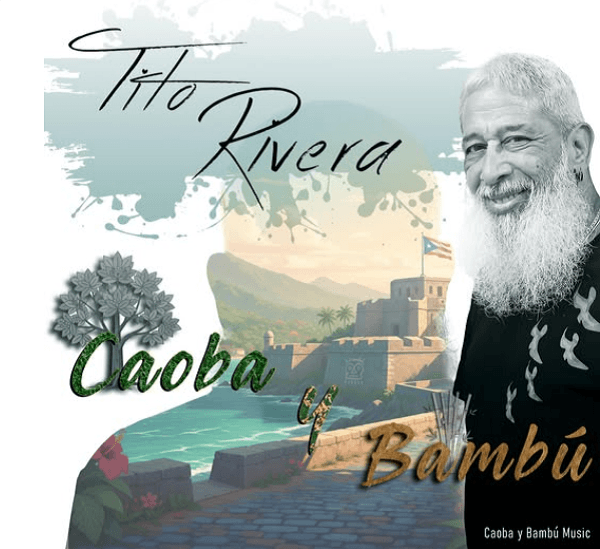
Something very interesting to note about the album is that it brings to life great pieces such as “Musa Y Letra,” which was originally recorded by La Impacto Crea in 1981 for Vaya Records. What changes this time is that the song will be performed by Puerto Rican Jesús “Gumbi” Navedo and Venezuelan Marcial Isturiz. The soneros will also be accompanied by Danny Guzmán’s piano solo.
The fact that “Musa Y Letra” was chosen as the first preview of the album was not a random decision, since it shows that Tito seeks to build an immediate connection with the most classic salsa fans, which only a song as representative as this one can do.
Although this has been a much talked about piece, it is definitely not the only one worthy of mention. We should also talk about “Plaza Vacante,” which is one of El Gran Combo de Puerto Rico’s best-known songs. However, this time, it will be performed by José Luis “Papa Chu” de Jesús, who will, without a doubt, do a magnificent job like the rest of the vocalists.
Another important addition to the album is “Vete Pa’alla,” which was previously recorded by Bobby Valentín for his album “Rompecabezas,” but on this occasion, it will be performed by the talented Davian Raúl.

In September 2025, Don Perignon and Andy Montañez reunited in the recording studio to reinvent “La Bikina.” The digital single fused the signature sound of Don Perignon’s La Puertorriqueña with the seasoned expertise of Andy Montañez. This alliance revives a nostalgic duo—the “dancing timbal” and the “singing compressor” that dates back to 1981. At that time, “Perín” took the reins as Andy’s musical director at the invitation of the legendary vocalist following his departure from Dimensión Latina. From that eight-year partnership, Andy Montañez still treasures Don Perignon’s participation in the 1988 recording of El Eterno Enamorado (TH-Rodven), where the latter not only played the timbales but also served as the album’s musical director. Regarding this, Andy says: “I remember him with great affection and appreciate his discipline in directing that recording, especially because every track became a hit.”

Tracklist and Credits
The tracklist for Classique et Savoureux is as follows:
The Musicians
Leading his musical generation on the timbales and as director, Don Perignon was backed by the musicians of La Puertorriqueña and several guest artists. On the congas, Antonio “Coqui” Marrero, Jean Carlos Camuñas, and the late William “Kachiro” Thompson ensured the time and clave remained rhythmically precise. On the bongos, you can hear the distinctive touch of one of the original members of La Puertorriqueña, Miguel Aponte. On bass, the unmistakable Efraín Hernández interacts with Juan Rivera on piano. Other pianists on the recording include Luis Marín, Leni Prieto, and Ricky Rodríguez. The production is rounded out by the backing vocals of the incomparable Henry Santiago, Juan Bautista, and Joe González. The trumpet section featured Ángel and Richie Segarra along with Jesús Alonso; Sammy Vélez on baritone sax; and the trombones were handled by Juan C. Cardona, Gamalier González, César Javier Ayala, and Carlos “Cuto” Soto.

The album was recorded at the studios of Rolando Alejandro and Angelito Segarra, with mastering by Wiso Rivera.
With the title Classique et Savoureux, Don Perignon honors more than four decades of using his stage name inspired by the French champagne Dom Pérignon. He expresses gratitude for the longevity of a concept that began without a clear goal but was built on heavy discipline and the firm purpose of making music for the dancer. In an interview, the bandleader stated that his musical project “is already a classic, thanks to the dancers who have appreciated and supported its sabrosura (flavor).”
