• Skip to primary navigation
  • Skip to main content

International Salsa Magazine

  • HOME
  • Previous editions
    • 2026
      • ISM / April 2026
      • ISM / March 2026
      • ISM / February 2026
      • ISM / January 2026
    • 2025
      • ISM / December 2025
      • ISM / November 2025
      • ISM / October 2025
      • ISM / September 2025
      • ISM / August 2025
      • ISM / July 2025
      • ISM / June 2025
      • ISM / May2025
      • ISM / April 2025
      • ISM / March 2025
      • ISM / February 2025
      • ISM / January 2025
    • 2024
      • ISM / December 2024
      • ISM / November 2024
      • ISM / October 2024
      • ISM / September 2024
      • ISM / August 2024
      • ISM / July 2024
      • ISM / June 2024
      • ISM / May 2024
      • ISM / April 2024
      • ISM / March 2024
      • ISM / February 2024
      • ISM / January 2024
    • 2023
      • ISM / December 2023
      • ISM / November 2023
      • ISM / October 2023
      • ISM – September 2023
      • ISM – August 2023
      • ISM July 2023
      • ISM Edition June 2023
      • ISM – May 2023
      • ISM April 2023
      • ISM March 2023
      • ISM February 2023
      • ISM January 2023
    • 2022
      • ISM December 2022
      • ISM November 2022
      • ISM October 2022
      • ISM September 2022
      • ISM August 2022
      • ISM July 2022
      • ISM June 2022
      • ISM May 2022
      • ISM February 2022
      • ISM January 2022
    • 2021
      • ISM December 2021
      • ISM November 2021
      • ISM October – 2021
      • ISM September 2021
      • ISM August 2021
      • ISM July 2021
      • ISM May 2021
      • ISM April 2021
      • ISM June 2021
      • ISM March 2021
      • ISM February 2021
      • ISM January 2021
    • 2020
      • ISM December 2020
      • ISM November 2020
      • ISM October 2020
      • ISM September 2020
      • ISM August 2020
      • ISM July 2020
      • ISM June 2020
      • ISM May 2020
      • ISM April 2020
      • ISM March 2020
      • ISM February 2020
      • ISM January 2020
    • 2019
      • ISM December 2019
      • ISM November 2019
      • ISM October 2019
      • ISM Septembre 2019
      • ISM August 2019
      • ISM July 2019
      • ISM June 2019
    • 2016
      • ISM December 2016
  • Spanish
  • Download Salsa App
    • Android
    • Apple

Search Results for: trumpeter

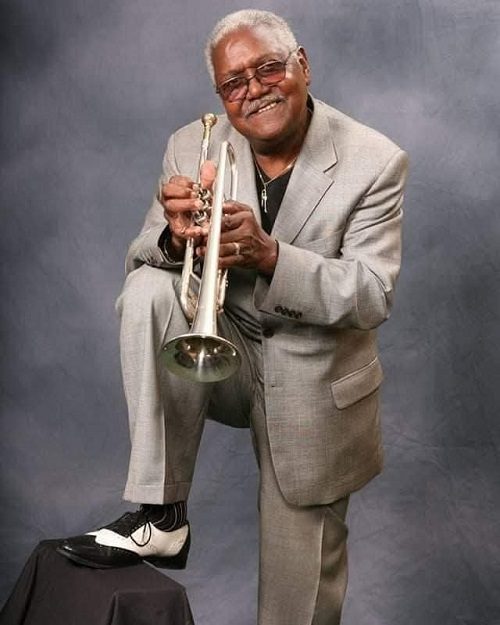
Alfredo “Chocolate” Armenteros: The Golden Legacy of the Cuban Trumpet

The history of Latin music cannot be written without mentioning the metallic brilliance and elegant phrasing of Alfredo “Chocolate” Armenteros.

Regarded by musicologists and peers as the “Latin Louis Armstrong,” Armenteros was more than just a trumpet virtuoso; he was a sonic architect who bridged the gap between traditional Cuban son, New York jazz, and the high-energy explosion of salsa.
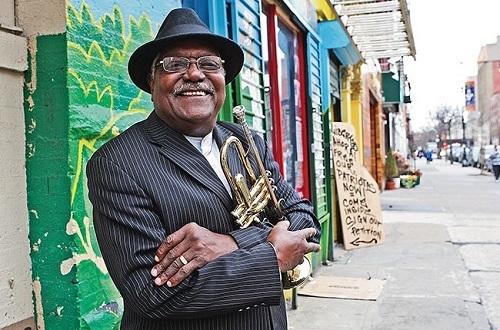
Chocolate Armenteros🇹đŸ‡șfue una leyenda excelsa de la mĂșsica cubana

Born on April 4, 1928, in Las Villas, Cuba, Armenteros carried the soul of his homeland to the world’s most prestigious stages.

His nickname, which became a hallmark of artistic quality, originated from a curious anecdote the musician shared in 2013: a young woman had mistaken him for the famous boxer “Kid Chocolate.”

What began as a case of mistaken identity ultimately became the name of a legend who would deliver his “knockouts” not with fists, but with perfect notes.

The Forging of a Master: From Arsenio RodrĂ­guez to the “BĂĄrbaro del Ritmo”

The career of Chocolate Armenteros serves as a detailed roadmap of the Golden Age of Cuban music. In 1950, he joined the ensemble of the “Blind Marvel,” Arsenio RodrĂ­guez.

Alfredo Chocolate Armenteros el Legado de Oro de la Trompeta Cubana

Under RodrĂ­guez’s tutelage, he recorded essential pieces of the Caribbean songbook such as “Deuda,” “Tengo que olvidarte,” and the iconic “La vida es un sueño.”

This period was vital in defining his style: a fusion of technical discipline and a gift for organic improvisation.

His rise was meteoric. By 1953, he was already a member of Sonora Matancera, the island’s most influential musical institution. That same year, he participated in a historic milestone: the founding of the band led by his cousin, the great Benny MorĂ©.

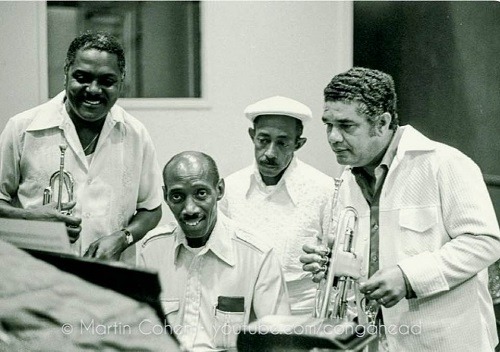
Alfredo Chocolate Armenteros, Lino Frias, Carlos Patato Valdez y el Negro Vivar 1973

The sound of Chocolate’s trumpet was a key gear in the machinery of Moré’s “Tribu,” cementing his status as the most sought-after instrumentalist of his generation.

Conquering New York and the Global Stage

In November 1958, Armenteros’ destiny changed forever. He traveled to New York with the Fajardo y sus Estrellas orchestra for a private performance at the Waldorf Astoria Hotel.

The event carried high-level political weight: it was a gala for the presidential campaign of then-candidate John F. Kennedy. Following this encounter with the Big Apple, the trumpeter decided to settle permanently in the city, becoming an ambassador for Caribbean rhythms at the epicenter of jazz.

In New York, his talent flowed through the most influential groups of the era:

  • The Machito Orchestra (1963): Where he fused Cubop with Afro-Cuban jazz.
  • Eddie Palmieri (70s): Contributing his power to the experimental sound of salsa brava.
  • Tico-Alegre All Stars (1975): Sharing the stage with giants like Celia Cruz, Tito Puente, Ismael Rivera, and Cachao.

An Endless and Eternal Style

In the late 70s and early 80s, Armenteros not only returned to collaborate with Sonora Matancera but also took the definitive step as a bandleader.

Under his own direction, he left behind memorable productions such as Chocolate Dice (1982) and Estrellas de Chocolate (1987), proving that his creative well never ran dry.The most admirable aspect of Armenteros was his artistic longevity. He remained active in festivals and concerts well into his 80s, preserving a privileged embouchure and a sense of timing that seemed to defy the laws of physics.
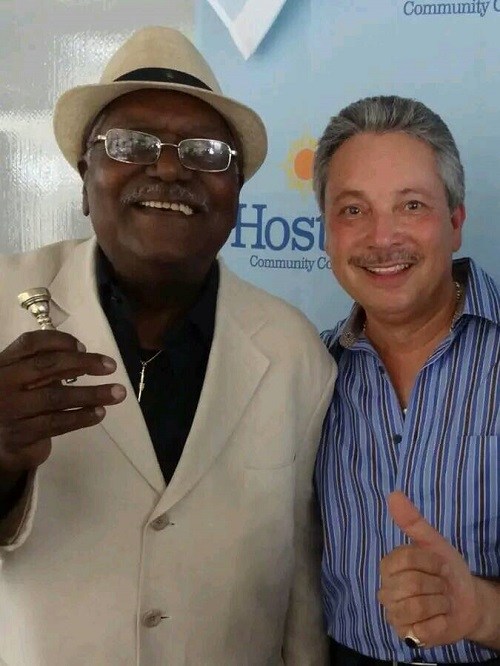
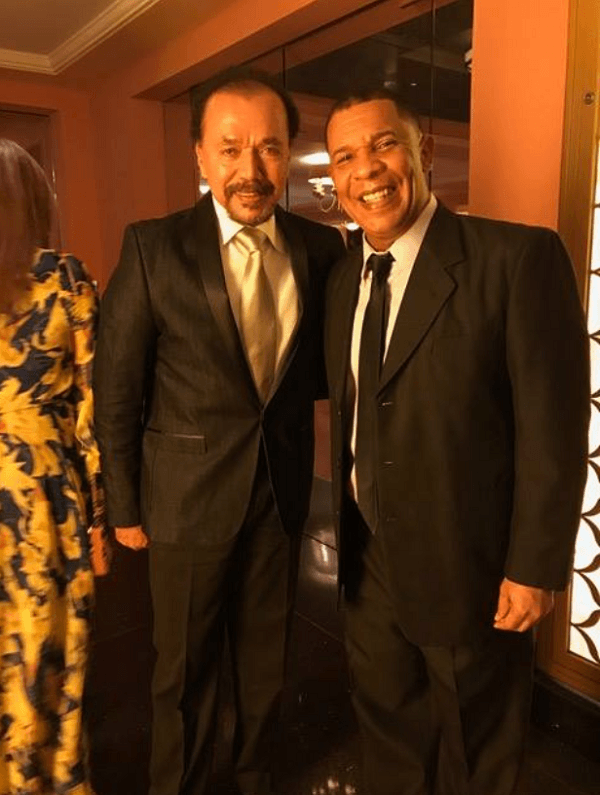
Alfredo Chocolate Armenteros y Eddie Moltalvo

Today, nearly a century after his birth, Alfredo “Chocolate” Armenteros remains the gold standard for trumpeters. His life was a testament to elegance, his music a bridge between nations, and his trumpet an eternal echo of Cuban identity that continues to resonate in every jazz descarga and every salsa step around the world.
Also Read: Larry Harlow and Ismael Miranda: The birth of “Arsenian Salsa,” a tribute to the music of Arsenio RodrĂ­guez the creator of Son Montuno and the “King of GuaguancĂł.”

Ray Pérez The Genius and Vanguard of Venezuelan Salsa

The Journey of a Pioneer Between Piano, Vinyl, and Musical “Madness”

Ray PĂ©rez is, indisputably, one of the primary architects of Salsa in Venezuela. Born in Barcelona, AnzoĂĄtegui, on April 7, 1937, Ray stands as one of the most disruptive and essential figures in the genre’s history.

Ray Pérez: The Genius and the Vanguard of Venezuelan Salsa

His nickname, “El Genio” (The Genius), isn’t just hyperbole; he earned it through his multifaceted mastery as a pianist, arranger, and composer. Above all, he was a visionary who possessed the rare ability to capture the raw “sound of the streets.”

Historical Note: While his official records cite 1937, a fire that destroyed original birth registries has led to speculation that his true birth date may be December 25, 1938.

Music was in his DNA. Ray inherited a deep artistic vein from his father a singer, trumpeter, pianist, and musical director. Ray’s journey began at age twelve playing the tuba in the San Juan Bosco youth band under his father’s tutelage.

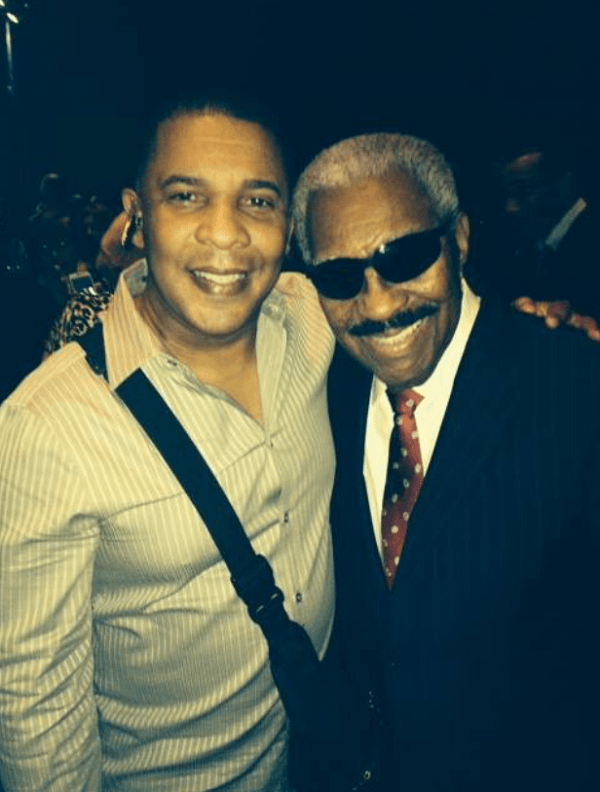
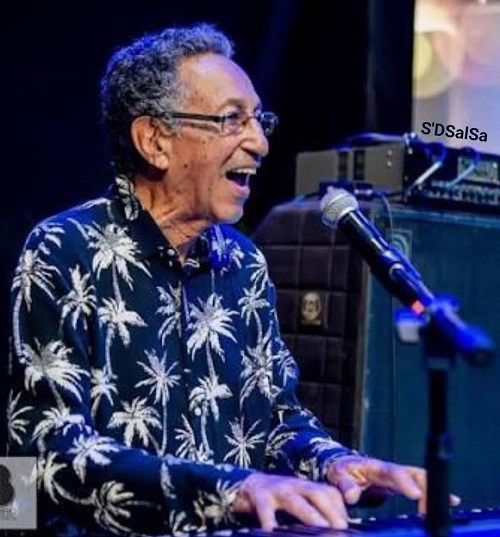
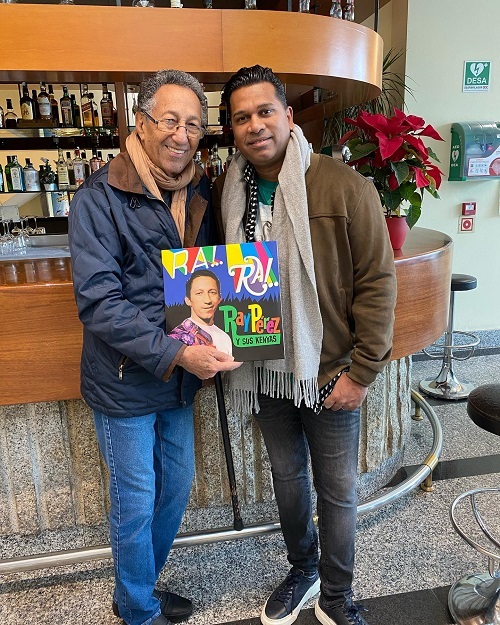
Ray Perez y Dustin Hogg

By seventeen, he had mastered the guitar, the cuatro, and the piano. Following his father’s passing, he balanced work and academics before ultimately deciding to commit his life entirely to his musical passion.

Formative Years and First Steps

Between 1962 and 1965, Ray studied at the Maracaibo Conservatory. His recording debut came via RCA Víctor under the artistic direction of Aldemaro Romero, recording the track “Marcianita” with the Trío Cristal.

After stints with the Trio Hambay and the group Los Bobos del Twist, he officially dove into Caribbean rhythms in 1965 with the creation of Ray Pérez y Su Charanga in the Zulian capital.

The Golden Era: Los Dementes, Los Kenya, and Los Calvos

Throughout his vast career, Ray launched three pivotal projects that secured his place in the Hall of Fame:

  1. Los Dementes (1965): Their debut, Alerta Mundo, Llegaron Los Locos / The Crazy Men (1966), signaled the start of a new era. Under this moniker, he recorded nearly 25 albums for labels like Velvet, Fania, and his own imprint, Pyraphon Records, founded in 1967.
  2. Los Kenya: Alongside the legendary voices of Carlos Yanes “CalavĂ©n” and CarlĂ­n RodrĂ­guez, Ray innovated the sound by replacing traditional timbales with a full drum set. This project produced iconic albums like Ronda del GuaguancĂł, Rai Rai, and Nuevo DĂ­a.
  3. Los Calvos: A bold experiment, again featuring “CalavĂ©n,” which resulted in two essential productions for RCA VĂ­ctor: Estos son los Calvos and Los Calvos
 y quĂ© Calvos.
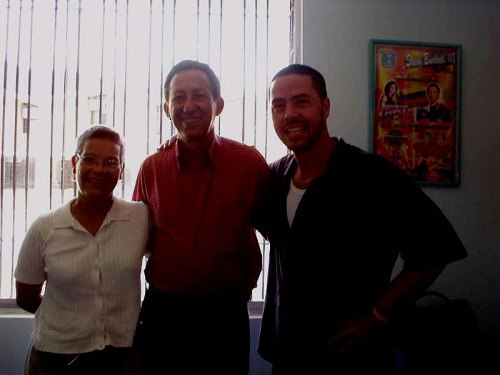
  4. La periodista y crĂ­tica musical venezolana Lili RodrĂ­guez, el mĂșsico Ray PĂ©rez y Roberto Ernesto Gyemant
    La periodista y crĂ­tica musical venezolana Lili RodrĂ­guez, el mĂșsico Ray PĂ©rez y Roberto Ernesto Gyemant

The New York Chapters and The Return

In 1969, Ray moved to New York City. There, he played piano for Francisco Ángel Bastar “Kako,” collaborated with Rafael Cortijo and Pedro “Rudy” Calzado’s Charanga, and arranged for the “King of Boogaloo,” Pete RodrĂ­guez, composing hits like “Bossa Triste” and “Dame Felicidad.”

Upon returning to Venezuela in 1971, he founded Ray Pérez y su Orquesta, releasing a string of hits such as Aquí estoy de nuevo, Perucho y el loco Ray, and Yo soy el Rey de la Salsa. In 1974, he struck gold again with Grupo Casabe, recording three albums under the CBS label.

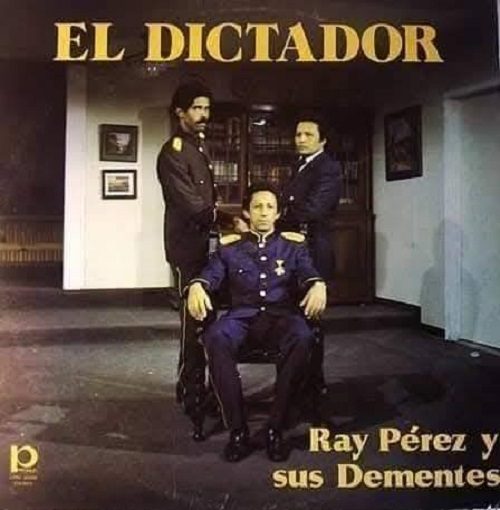
Ray Pérez Y Sus Dementes El Dictador 1981

An Everlasting Legacy

Ray’s prolific career includes collaborations with immortal voices like Perucho Torcat, Nano Grant, Teo HernĂĄndez, and Nelson Navas. He has shared the stage with titans such as “El Pavo” Frank HernĂĄndez, Alfredo Padilla, Alberto Naranjo, and CĂ©sar Monge.

From his massive repertoire, we remember the anthems of the barrios:

  • “No salgas de tu barrio”
  • “Emae Mae”
  • “Pa’ l 23”
  • “AsĂ­ mueren los valientes”
  • “GuaguancĂł en New York”
  • “La montaña”


Colaboración: Fotografías de ©Roberto Ernesto Gyemant

 Read Also: The Conjunto Bailatino “La Resistencia Salsera” again “Antes los ojos del Mundo” and here, “No hay quinto malo”

Puerto Rican bandleader and musician Diana Sosa talks about her many projects in Nashville, Tennessee

We had a wonderful and very nice conversation with Puerto Rican percussionist, timbalera, conga player, and cuatro player Diana Sosa, who kindly told us about all the projects she has in the pipeline. Her husband and bandmate, guitarist and vocalist Chuck Nelson, put us in touch with her so we could learn more about both the project they share and the one she has undertaken on her own.

Then these are the things the talented Puerto Rican shared with us on this warm Sunday before Easter.

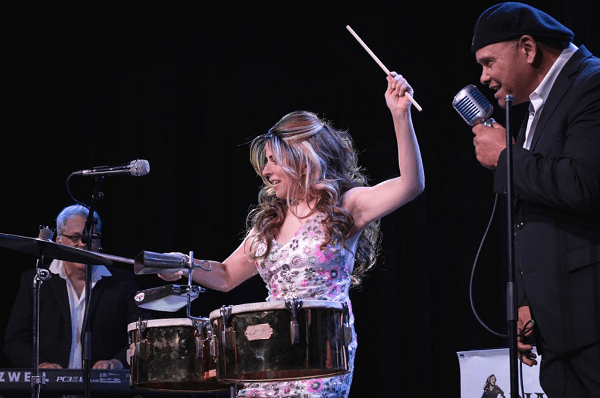
Diana Sosa is playing
Diana Sosa is posing for the camera while playing the timbales

How Diana got into the world of music

Diana was born and raised in Puerto Rico, where she began to love music and play, but not professionally yet. She was just experimenting with some traditional instruments of her homeland, such as the Puerto Rican cuatro, which she even studied with a private teacher. 

At the age of 39, she moved to Nashville, Tennessee, where she finally got her first big opportunities in music, and the background she brought for years helped her a lot. It all started with a short rehearsal she was invited to, and from there, she has done nothing but prove what she is really made of. 

Of course, she keeps studying and preparing to improve every day. When she is not learning to play with fellow musicians like John Santos, she is taking online courses to solve any doubts she may have.

Diana’s first opportunity with The Bicho Brothers

The first serious group that gave Diana the opportunity to develop professionally—and with which she keeps to playing to this day is The Bicho Brothers, a classic rock band whose members really appreciated the contribution provided by Diana. For this reason, it is she who brings that Latin flavor, the product of her heritage and years of training in these genres.

Something that really attracted the audience was that she was the only woman in the group and, incidentally, she played the timbales, which was uncommon back then. In addition, she added atypical sounds to certain well-known songs, which was also remarkable.

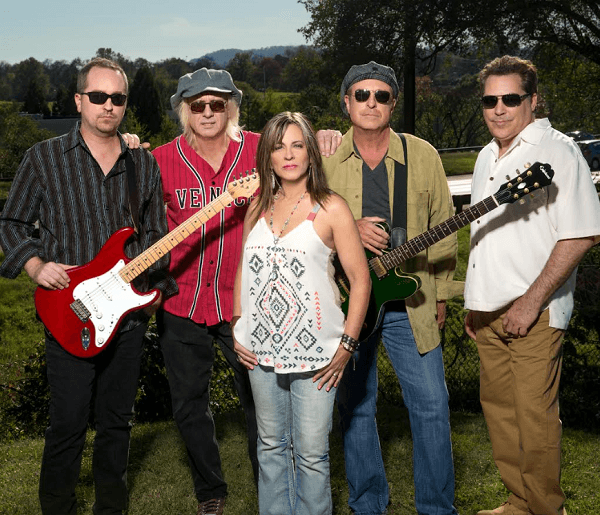
Diana Sosa and the rest of the Bicho Brothers
The Bicho Brothers from left to right: Jeff Krinks (guitar and vocals), Ron Krasinski (drums), Diana Sosa (timbales, congas, percussion, and Puerto Rican cuatro), Chuck Nelson (guitar and vocals), and Kenny Zarider (keyboards and vocals)

Another important personality who encouraged her to follow this route was the great producer Bill Cuomo, who told her she was very good at playing but needed to improve her technique. Twenty years later, it can be said that she took him at his Word seeing all she has achieved since then. From that point on, there have been many other projects and opportunities that make her very happy and keep her fulfilled.

Soul Sacrifice

Soul Sacrifice is a Santana tribute band founded in 1969 that has won a high reputation in Nashville by becoming one of the best tributes to Santana to date. The mix of familiar melodies and infectious rhythms they play at every show transports audiences to the biggest classics of the legendary Latin rock group created by Carlos Santana.

The band also includes some of the same members of The Bicho Brothers, such as the cases of Diana and Chuck due to all the years they have spent playing together, but including Cuban musician John Santos. He plays a fundamental role in making people feel they are listening to the original Santana rather than an imitation, which is why both he and Diana are key to the band’s performance.

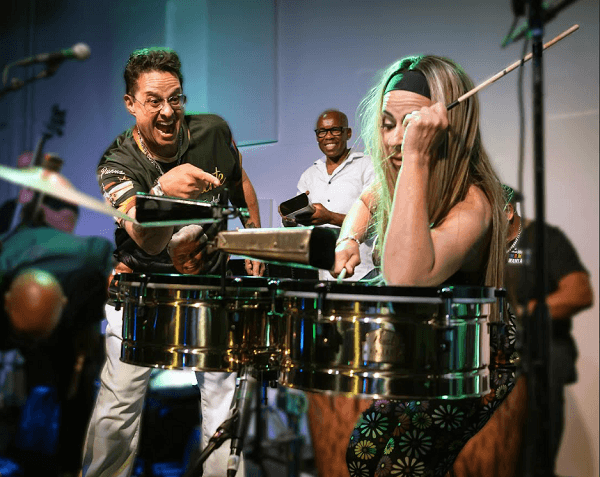
Diana Sosa with Diana's Mambo Maniacs
Diana Sosa playing with Diana’s Mambo Maniacs

Diana’s Mambo Maniacs

Diana also has her own project, which she decided to call Diana’s Mambo Manics. This Latin music group was founded in the early summer of 2025 as part of Hispanic Heritage Month. In that time of year, there are always many festivals dedicated to Hispanic and Latin music in the United States and around the world, so Diana and a group of musicians she had been in contact with for some time took the opportunity to play wherever they were able to make themselves known.

Among some of the musicians in the band we can mention John Santos as singer and timbalero, whose presence is essential at every show. The group also includes conga player Josvany Cordero, bassist Isoel Villareal, pianist Kenny Zarider, trumpeter Joe Mercado, and trombonist Huge Lindsay.

The main difference between this band, The Bicho Brothers and Soul Sacrifice is that it plays exclusively Latin music, but of the great artists in the 1950s and 1960s who performed at the Palladium Ballroom, the Copacabana, El Corso, Chez José & 3 and 1, among many others. Diana feels that, to a certain extent, she pays tribute to her parents, who used to go dancing and enjoying these rhythms to some of these places in their youth.

However, not all are covers. She is about to release an original song featuring Puerto Rican cuatro player Prodigio Claudio, but she did not have the details to share with us yet.

Diana and Tito Puente Jr.
Diana Sosa Playing with Tito Puente Jr.

Read also: Bandleader and bongosero Ray Degaldo is here to talk about his life and career

Dominican bandleader and musical director Orlando Santana talks about La Makina and his career in general

Orlando Santana, the bandleader and musical director of La Makina, has made room in his busy schedule filled with studio recordings to talk about the most interesting topics of his career and, of course, the group that has given him more fame.

The Dominican artist has built an interesting career that led to his aforementioned group, which was founded in Borinquén (the name given to Puerto Rico before the arrival of the Spanish). Naturally, the genre by which La Makina is best known is merengue, implying that the Dominican Republic is still present in mind and heart.

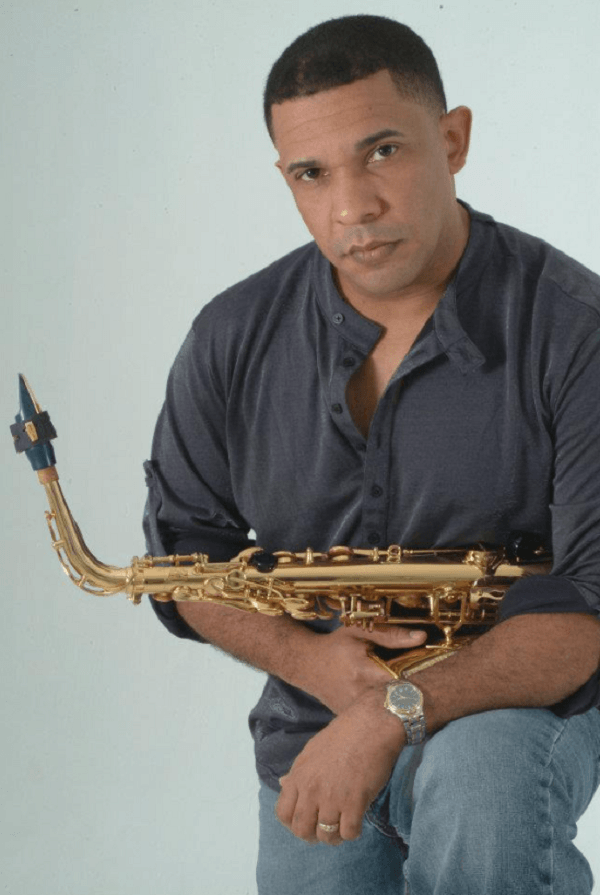
Orlando with his saxophone
Orlando Santana with his saxophone

Orlando’s Beginnings in Music

Orlando started his story by saying that music had a significant presence in his life because his father, Santiago Santana, was a music teacher who taught in their own home. He taught all types of instruments such as the saxophone, trumpet, flute, piano, bandoneon, clarinet, guitar, and many more. Additionally, he also knew about harmony, solfĂšge (sung), and solfĂšge (spoken).

This led to his son learning to play instruments at a very young age and being interested in this way of life. 

Orlando’s Music Education

When Orlando moved to Miami, he took private piano lessons for a while, just as his father did with his students, but it was from Richie Ray and Bobby Cruz whom he really learned. He attended their church and took advantage of his visits to receive some piano lessons from Richie, while his brother David Santana, who was already a veteran musician, bought him his first saxophone and taught him many other tricks of the trade.

Early experiences as a paid professional

As for the beginning of his professional practice, Orlando, as a 15-year-old boy, started with the orchestra Dioni Fernández y El Equipo, from which the great Sergio Vargas emerged. In fact, they entered together a television channel (Color Visión, Channel 9) on the same day in Santo Domingo. This group is still active today, and Sergio Vargas’s own brother, Caqui Vargas, is currently part of it.

Bobby and Orlando
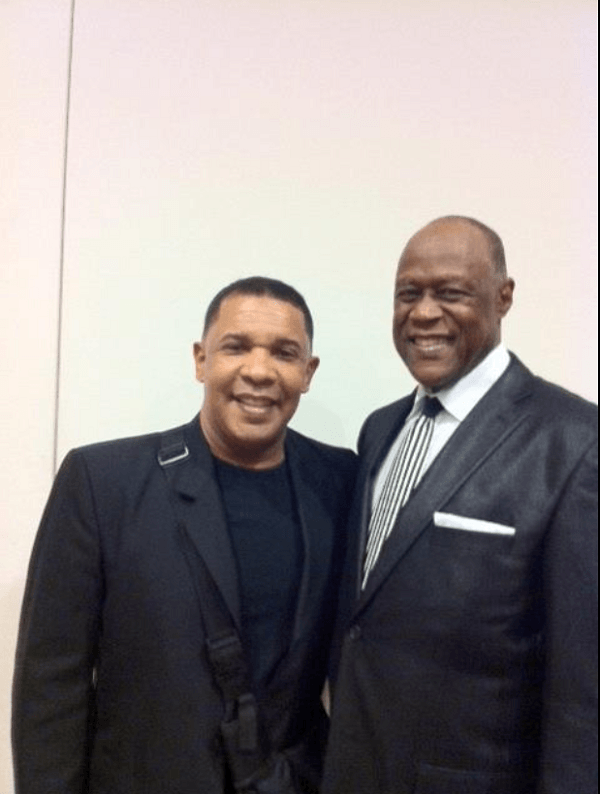
Bobby ValentĂ­n and Orlando Santana

Some time later, he had the opportunity to perform along with Wilfrido Vargas, which he describes as an incredible experience, since Vargas’s orchestra had a very challenging repertoire and he had to prepare himself very well in order to play along with the merengue exponents and his musicians. Orlando came on as a substitute replacing his brother on some tours, where he showed he had the capacity to keep up with their pace and improvise just like Wilfrido did so with ease on stage.

Among the most important things this time taught him, the artist mentioned discipline, the importance of always practicing his instruments, and a permanent focus on what he wanted to achieve. Another thing he mentioned was the significant improvement in his ability to improvise and release new material constantly.

He also learned a lot from Toño Rosario, Peter Cruz, Cuco Valoy, RamĂłn Orlando, and ElĂ­as Santana (Orlando’s first cousin and trumpeter for Conjunto Quisqueya). With all of them, he also came to play both merengue and other genres. 

How La Makina Band was founded

Orlando met Fernando ColĂłn in Toño Rosario’s orchestra, while he was a saxophonist, and Fernando entered as a bassist. At the same time, Orlando was writing some arrangements for Los Sabrosos del Merengue, and as it so happens that Fernando was also working with them, so they were always in constant contact.

When Orlando decided to found an orchestra, it was he who called him and accepted his proposal. That was when both artists founded La Makina in 1996, though the process started a year earlier when they set up a company for that purpose.

Orlando and Rafael
Orlano Santana and Rafael Ithier from El Gran Combo de Puerto Rico

His Role as producer and director

Regarding his role as producer and director of La Makina, he points out the importance of preparing and studying to exercise these areas of music. In his case, he had already spent many years working on important record productions, including those he did together with his cousin Cesar Cuesta, with whom he formed a small orchestra that covered songs by very famous bands. He created his own musical arrangements for these new versions to differentiate them from the original songs and wrote scores for other musicians.

In addition, he served as music producer for Grupomanía and wrote songs for artists such as Toño Rosario, Elvis Crespo, Oscarito, Manny Manuel, and many others.

Current Members of La Makina

Of the original members of La Makina, the only one left is Orlando himself, but he has been joined by other equally-talented musicians, including Carlitos Rivera and his own son, Anderson Santana.

Orlando and Johnny
Orlando Santana and Johnny Ventura in San Juan, Puerto Rico

Current projects

This conversation had been delayed a few times due to how busy Orlando was in the studio working on new music, so obviously we had to ask what it was all about.

He told us that he and the rest of the group were working on a remastering of La Makina’s greatest hits, but with other arrangements and a fresh color. They also plan to include songs recorded by other artists but written by Orlando for them. He did not want to say what these would be so they would be a surprise for the audience.

Read also: Don Perignon Y La Puertorriqueña releases his new album ‘‘Classique et Savoureux’’

Porfi Jiménez The Master of Rhythm Who United Two Nations

The life, work, and legacy of tropical music’s most “Venezuelan” Dominican.

Porfirio Antonio JimĂ©nez NĂșñez, known universally as Porfi JimĂ©nez, was more than just a musician; he was a cultural bridge.

A Dominican virtuoso by birth and Venezuelan by choice, he became one of the most iconic figures of Caribbean dance music.

His legacy endures as an exceptional trumpeter, arranger, and bandleader who possessed a unique gift for reading the pulse of the streets and elevating it to the level of fine art.

Porfi Jiménez El Maestro del Ritmo que Unió a dos Naciones

The Prodigy of Hato Mayor: Academic Training

Born on February 16, 1928, in Hato Mayor del Rey, Dominican Republic, Porfi’s destiny was sealed by music from an early age. A recognized child prodigy, he began his formal studies at age seven.

Following the death of his father, his mother gifted him his first trumpet when he was eight a tool that would eventually become his eternal voice.

Unlike many bandleaders of his era, Porfi sought technical excellence at the prestigious Berklee College of Music in Boston. This education granted him a superior technical command of jazz orchestration and tropical rhythms, allowing him to inject a unique harmonic sophistication into popular music.

Vida, obra y legado del dominicano mĂĄs venezolano de la mĂșsica tropical.

Putting Down Roots in Venezuela: A 50-Year “Layover”

On February 6, 1954, Porfi landed in Caracas at the invitation of his compatriot Rafael “Tata” Minaya for a brief Carnival tour.

What was planned as a temporary trip turned into a stay that lasted over half a century. Before founding his own sonic empire, he honed his craft within the country’s most elite musical institutions:

  • The Pedro J. Belisario Orchestra.
  • Billo’s Caracas Boys, under the baton of Maestro Billo FrĂłmeta.
  • Staff orchestras for VenevisiĂłn and RCTV, where he shone as the lead arranger during the golden age of Venezuelan television.

The Birth of a Signature Sound

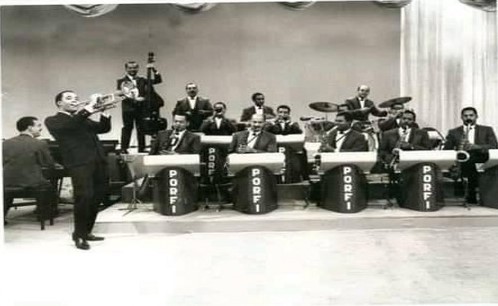
On December 31, 1963, as the world celebrated New Year’s Eve, a legend was born: Porfi debuted his own orchestra at the Tamanaco Hotel’s Naiguatá Hall.

31 de diciembre de 1963, en el SalĂłn NaiguatĂĄ del Hotel Tamanaco Foto By El Universal

His style broke the mold by fusing Dominican merengue with salsa and jazz, achieving a modern, high-energy orchestration.

That same year, he released his first LP, A bailar con Porfi (Velvet Records). Featuring the vocals of Kiko Mendive and Chico Salas, the orchestra produced hits that are now staples of the Latin party songbook:

  • “La Negra Celina”
  • “La Resbalosa”
  • “La Banda estĂĄ Borracha”

The “King of Carnival” and the Golden Years

Throughout the 80s and 90s, his name was synonymous with sold-out venues. Dubbed the “King of Carnival,” no festival in Venezuela was complete without his music. His ability to create “people’s anthems” is undeniable, leaving behind timeless tracks such as:

Iconic Songs Cultural Impact
La hierba se movĂ­a A massive sales and dance phenomenon across the region.
CulucucĂș An undisputed hit during the December holiday season.
Se hunde el barco A quintessential classic in the repertoire of great orchestras.
Dolores / Chivo Florete A masterclass in high-energy, danceable merengue.


CulucucĂș Éxito indiscutible en las festividades decembrinas.

 An Immortal Legacy

Maestro Porfi Jiménez passed away in Caracas on June 8, 2010, at the age of 82.

Though Dominican by birth, he always declared himself “Venezuelan at heart,” leaving behind a devoted family and a generation of musicians trained under his disciplined leadership.

As we approach the centenary of his birth in 2028, his influence remains more vibrant than ever.

The tributes held between 2024 and 2026 in both the Dominican Republic and Venezuela only confirm that Porfi Jiménez was, is, and will always be the man who defined the rhythm of the Caribbean identity.

Also Read: Federico Betancourt “Pioneer of Salsa in Venezuela”

  • « Go to Previous Page
  • Page 1
  • Page 2
  • Page 3
  • Page 4
  • Interim pages omitted …
  • Page 20
  • Go to Next Page »

International Salsa Magazine (ISM) is a monthly publication about Salsa activities around the world, that has been publishing since 2007. It is a world network of volunteers coordinated by ISM Magazine. We are working to strengthen all the events by working together.