• Skip to primary navigation
  • Skip to main content

International Salsa Magazine

  • HOME
  • Previous editions
    • 2026
      • ISM / August 2026
      • ISM / July 2026
      • ISM / June 2026
      • ISM / May 2026
      • ISM / April 2026
      • ISM / March 2026
      • ISM / February 2026
      • ISM / January 2026
    • 2025
      • ISM / December 2025
      • ISM / November 2025
      • ISM / October 2025
      • ISM / September 2025
      • ISM / August 2025
      • ISM / July 2025
      • ISM / June 2025
      • ISM / May2025
      • ISM / April 2025
      • ISM / March 2025
      • ISM / February 2025
      • ISM / January 2025
    • 2024
      • ISM / December 2024
      • ISM / November 2024
      • ISM / October 2024
      • ISM / September 2024
      • ISM / August 2024
      • ISM / July 2024
      • ISM / June 2024
      • ISM / May 2024
      • ISM / April 2024
      • ISM / March 2024
      • ISM / February 2024
      • ISM / January 2024
    • 2023
      • ISM / December 2023
      • ISM / November 2023
      • ISM / October 2023
      • ISM – September 2023
      • ISM – August 2023
      • ISM July 2023
      • ISM Edition June 2023
      • ISM – May 2023
      • ISM April 2023
      • ISM March 2023
      • ISM February 2023
      • ISM January 2023
    • 2022
      • ISM December 2022
      • ISM November 2022
      • ISM October 2022
      • ISM September 2022
      • ISM August 2022
      • ISM July 2022
      • ISM June 2022
      • ISM May 2022
      • ISM February 2022
      • ISM January 2022
    • 2021
      • ISM December 2021
      • ISM November 2021
      • ISM October – 2021
      • ISM September 2021
      • ISM August 2021
      • ISM July 2021
      • ISM May 2021
      • ISM April 2021
      • ISM June 2021
      • ISM March 2021
      • ISM February 2021
      • ISM January 2021
    • 2020
      • ISM December 2020
      • ISM November 2020
      • ISM October 2020
      • ISM September 2020
      • ISM August 2020
      • ISM July 2020
      • ISM June 2020
      • ISM May 2020
      • ISM April 2020
      • ISM March 2020
      • ISM February 2020
      • ISM January 2020
    • 2019
      • ISM December 2019
      • ISM November 2019
      • ISM October 2019
      • ISM Septembre 2019
      • ISM August 2019
      • ISM July 2019
      • ISM June 2019
      • ISM May 2019
      • ISM April 2019
      • ISM March 2019
      • ISM February 2019
      • ISM January 2019
    • 2018
      • ISM December 2018
      • ISM November 2018
      • ISM October 2018
      • ISM September 2018
      • ISM August 2018
      • ISM July 2018
      • ISM June 2018
      • ISM May 2018
      • ISM April 2018
      • ISM March 2018
      • ISM February 2018
      • ISM January 2018
    • 2017
      • ISM December 2017
      • ISM November 2017
      • ISM October 2017
      • ISM September 2017
      • ISM August 2017
      • ISM July 2017
      • ISM June 2017
      • ISM May 2017
      • ISM April 2017
      • ISM March 2017
      • ISM February 2017
      • ISM January 2017
    • 2016
      • ISM December 2016
      • ISM November 2016
      • ISM October 2016
      • ISM September 2016
  • Spanish
  • Download Salsa App
    • Android
    • Apple

Search Results for: violinist

Son Del Monte’s musical director and timbalero Manuel Rivera

Who is ”Manny”

Manuel ”Manny” Rivera is the musical director and timbalero of the Son Del Monte Orchestra. We had the great opportunity to have a friendly conversation with him to know in detail his beginnings, career, groups, role as musical director, among other things.
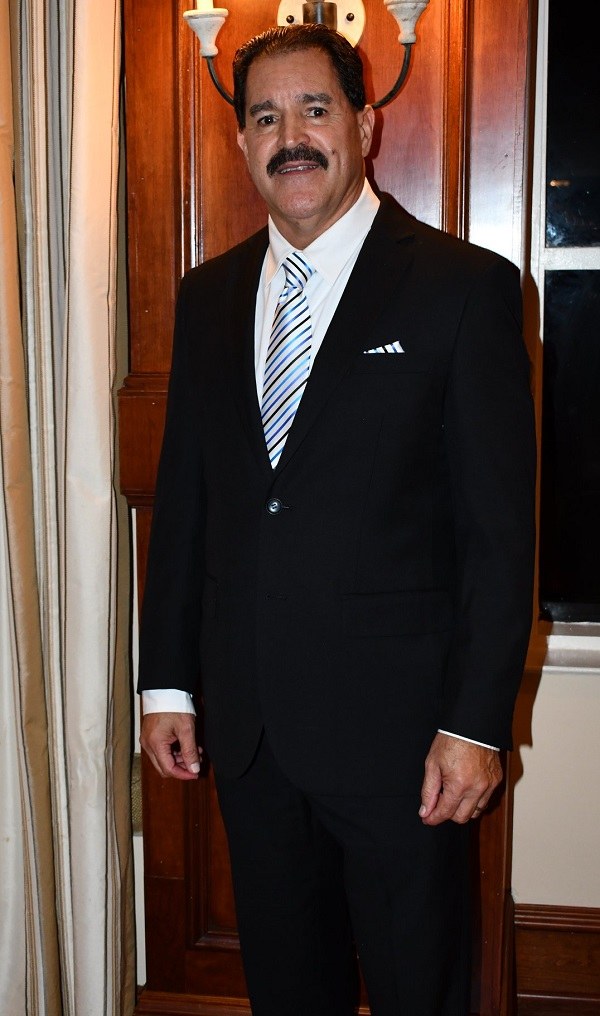
Manuel ''Manny'' Rivera tells us his interesting story
Manuel ”Manny” Rivera tells us his interesting story

Time in the Yambú Orchestra

After apologizing for his deficits in the Spanish language, he continued by thanking us for the opportunity to tell his story and describe his time in the Yambú Orchestra, which was the first group in which he could start developing his talents in the 70’s. ”what we wanted to do at that time was make a mix between jazz with typical music because the pianist, who was of African descent, was who wrote the music with musical director and bassist Ramón Rodríguez”. It is presumed that the pianist focused a lot on these genres because of his roots, but his colleagues were fine with it.

Although he loved jazz, Manuel began to notice that it was not very danceable for the audience, which is what caused him to become interested in charanga, a genre that was already very famous in New York City in those years. That’s how he decided to immerse himself in this set of rhythms because he liked to see people go to the dance floor and enjoy themselves.

He also liked Yambú’s style a lot, but felt he had to take a more accurate path for what he was feeling at the time.
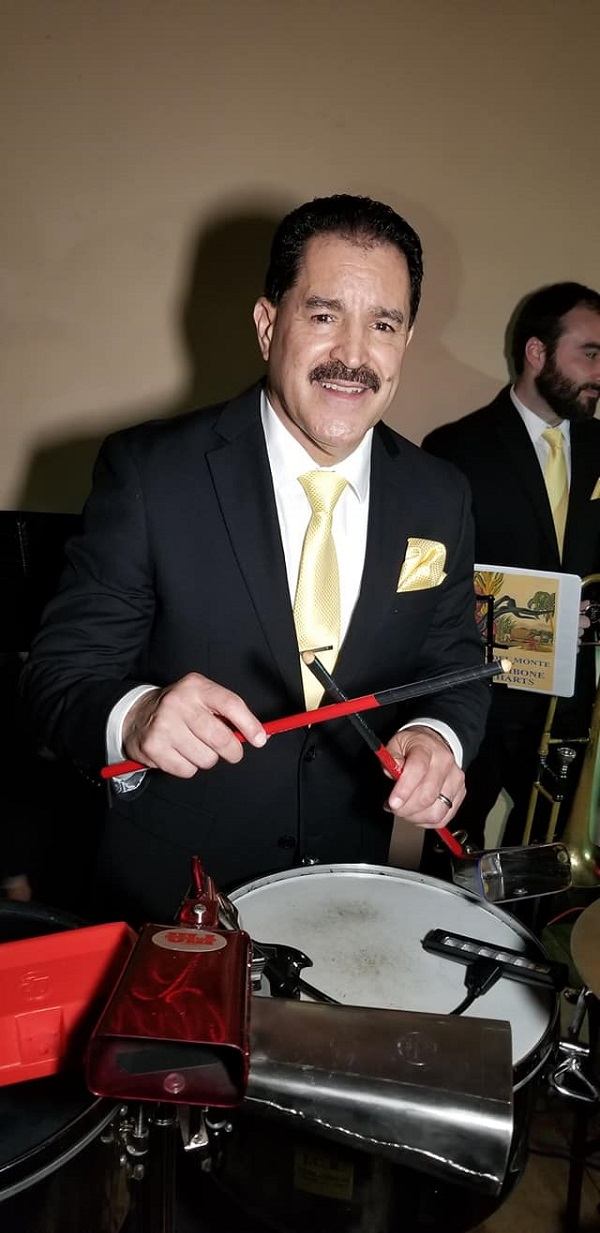
Manuel Rivera performing on stage

Similarities of Son Del Monte with other jazz big bands and members

I was a bongo player, but I started playing timbales because they are widely used in charanga. What I was looking for was to do a similar thing to what Eddie Palmieri did with La Perfecta, who used trombones and a flute mixed with timbales to achieve a charanga sound” said Rivera on this subject. He also added that ”I also wanted to avoid monotony of charanga so I also started using trombones, violin and a flute. This is what I have baptized as chajunto, a mixture of charanga with the characteristics of an ensemble (conjunto in Spanish) ”.

He also pointed out that New York does not have an orchestra like his because he did not want to do the same thing that all groups of this kind do, but something different and novel. ”Son Del Monte is charanga with something more for the people, not only violin and flutes,” said the artist. ”I have three singers with three different styles and they are Puerto Rican Luis Ayala, Colombian Armando Son Giménez and Puerto Rican-Dominican Luisito Soto Junior,” he added.

The Son Del Monte Orchestra also features from the talent of flutist Mauricio Smith Junior, violinist Erick Salazar, trombonist Juanga Lakunza, trombonist Charlie García, bassist Bert Castro, conguero Joe González, pianist Andy Colón, among others. This is the group that has stuck by his side for more than six years in spite of the storms and they always perform together.
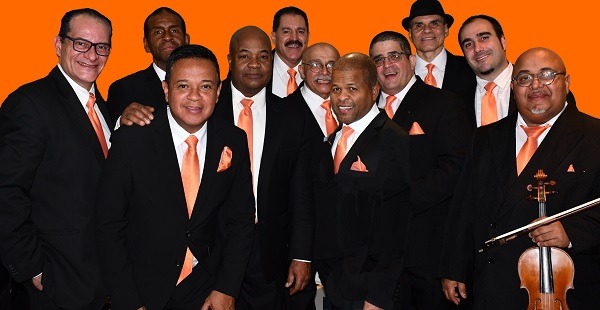
All members of the Son Del Monte Orchestra

Opinion on the academic training of musicians

Rivera was one of the best students at Harbor’s Conservatory of Music in Manhattan, New York and he thinks that institution had done so mucho good for folk music because of all the talent that graduated there. After studying there, he began to read percussion music and learned to play batá, tumbadora, Colombian rumba, guaguancó, yambú, and so on.

The musician stresses the importance of studying, as this knowledge helps to understand the clave, the moment to start playing an instrument, the chime, the reading of music, discipline and many more. Before this, Manuel played led by the spirit and sensations, but his teachers at the conservatory taught him to have the technical tools necessary for being even more professional.

What is more important, experience or studies?

”Definitely experience. I have seen many great artists learn to read music without going to a conservatory and a great example of that is Roberto Roena, who did not need that learning to be who he was. However, that is something that not everyone can do” said Manuel. I can also mention the case of Tito Rodriguez who was not a musician guided by the lyrics, but he knew very well what he wanted. These are some of the many examples of privileged artists who only needed accumulated experience to achieve wonders with their work”.

However, this does not mean studies are not important, as they can teach things that can be useful later on and under some circumstances.
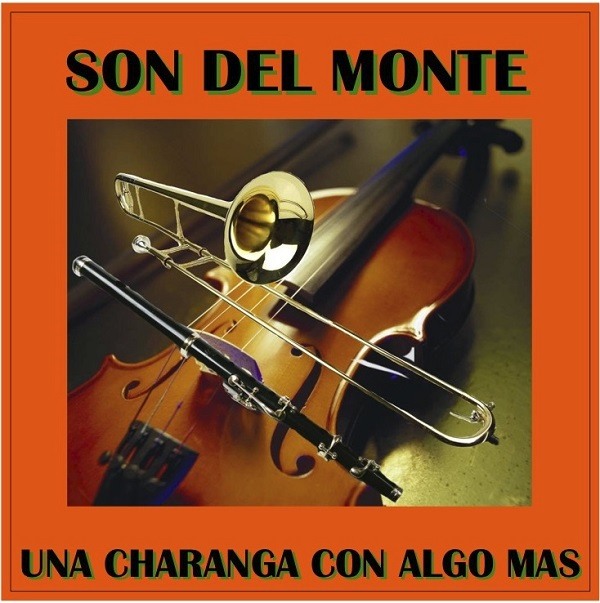
Front cover of the Son Del Monte Orchestra's album ''Una Charanga Con Algo Más''
Front cover of the Son Del Monte Orchestra’s album ”Una Charanga Con Algo Más”

Covid-19

”The pandemic did not let us do anything on stage. The guys went to the studio from time to time or we met virtually, as we do now. It was so sad because there are many venues that have failed to open their doors again. Since the pandemic started, we have not seen as much activity in New York as it used to be before” expressed the artist sadly.

Also of concern to the musical director of the Son Del Monte Orchestra is that this situation has put many musicians out of work, at least in the industry. Active musical groups have very few members in the vast majority of the cases, contrary to his and the orchestra he conducts. He hopes that it will improve with time.

Read also: Founder of the Son Latino de Orlando Orchestra Carlos Rodríguez
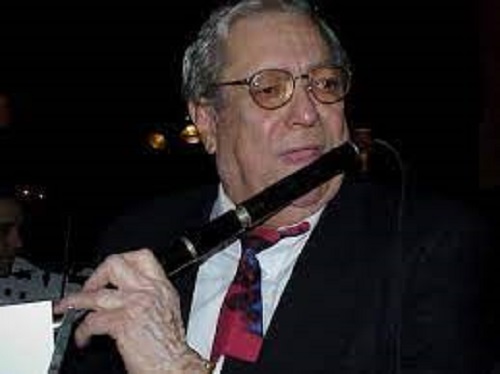
José Fajardo was a virtuoso flutist, composer, orchestra conductor and music producer

José Antonio Fajardo, in the month of November we refer to one of the greatest musicians that the island of Cuba has given in the last century; we are talking about maestro José Antonio Fajardo Ramos: flutist, composer, orchestra conductor and music producer; one of the great promoters of Cuban music represented in the rhythms of bolero, son, guaracha, mambo, chachachá and pachanga.

José Fajardo was born in Guane, province of Pinar del Río in 1919. He began his musical career as a maraquero in his father Alberto Fajardo’s orchestra, later he took up the flute.

From the age of 16 he was part of several groups such as: Joseíto Fernández, Paulina Álvarez, Melodías del 40, La Romance de René Álvarez, the orchestra of maestro Antonio María Romeu, the orchestra of pianist Luis González Valdés: “Neno” González and the orchestra of Antonio Arcaño, known as Arcaño y sus Maravillas.

José Fajardo fue un virtuoso flautista

After his time in these famous groups, in 1949, Fajardo created his own orchestra called Fajardo y sus Estrellas, with musicians such as: Orlando “Cachaito López”, René Fernández on piano, violinists Ignacio Berroa and Félix Reyna, who was also the composer; percussionist Jesús Esquijarrosa on timbales; Carlos Real on tumbadora and Rolando Valdés on güiro; in the vocal part he initially integrated Joseito Valdés.

In the early fifties, with the boom of chachachá in 1951, things improved a lot and the charangas orchestras began to perform in the best cabarets, aristocratic salons and private parties of high society, such as the Montmatre and Tropicana cabarets.

Fajardo became internationally known in the mid 50’s at the head of his orchestra, Fajardo y sus Estrellas, he was the first charanguero to introduce the cymbals to the timbal and the pioneer in the incorporation of the cowbell and the bongo to the charanga, his group was one of the sensations of the golden age of chachacha and pachanga.

After going into exile in the 1960s, he toured Asia, Africa, Europe and Latin America, popularizing an eminently Cuban repertoire.

Maestro José Fajardo has been one of the only musicians who have stood out in different periods of Latin music; initially in Cuba, in the 50’s with the arrival of Chachachá, later in the era of Pachanga and Boogaloo, in the sixties in the United States, and he also came to prominence in the golden era of salsa in the seventies and eighties of the last century.

In the seventies, eighties and later, the flute master recorded with Joe Quijano & His Conjunto Cachana, Tico-Alegre All Stars; Ray Barretto and Adalberto Santiago; Johnny Pacheco, Pupi, Javier Y Su Charanga; Jimmy Sabater, Orlando Contreras, Alfredo Valdés Jr, Fania All Stars, Louie Ramirez, Graciela and Mario Bauza, Israel “Cachao” Lopez, with our great Joe Arroyo in the nineties and with Hector Casanova, Mario Muñoz, Andy Gonzalez, Eddie Montalvo, Manny Oquendo, Alfredo “Chocolate” Armenteros, Carlos “Patato” Valdes, Alfredo Rodriguez and Francisco Aguabella.

After a brilliant musical career spanning more than six decades, Maestro José Antonio Fajardo passed away in New York City on December 11, 2001, leaving an enormous legacy to our culture.

José Fajardo fue un virtuoso flautista, compositor, director de orquesta y productor musical

The great musical contribution of this portentous son of Pinar del Rio, has highlighted him as the highest flute of Cuba and Latin America, a true ambassador of Cuban music and salsa in the world; from our beautiful page ‘Los Mejores Salseros del Mundo’ we want to highlight the enormous artistic career of maestro José Antonio Fajardo Ramos as a tribute to his wonderful musical work.

José Antonio Fajardo,  uno de los más grandes músicos que ha dado la isla de Cuba

José Fajardo Jr.

You can read: Ángel Bonne He was part of Juan Formell’s Los Van Van Orchestra, and collaborated with the impressive Irakere band of maestro Chucho Valdés

The Caribbean joined the party with Billo Frómeta

Luis María Frómeta Pereira, better known as Billo Frómeta, was born on November 15, 1915 in Santo Domingo, the capital of the Dominican Republic. However, this Caribbean man has more of a Venezuelan feeling than other compatriots, since he was very grateful to Caracas, that is where he made his life, both professionally and personally.

Despite his love for the Venezuelan lands, he never lost his Cibao smile, specifically from Quisqueya. But his gestures, his affection and tenderness, the details with which he acted, and his musical stamp are very Venezuelan. Perhaps we say goodbye to Billo very soon and he could not see his tribute in his lifetime, that only adds more strength to his career. Read all about his life with the following lines .

The beginnings of Billo Frómeta as Luis María

Although he was born in Santo Domingo, the Frómeta family moved to San Francisco de Macorís, where Billo spent his childhood and met the friends with whom he would embark on the musical adventure of his life: Rafael Minaya and Francisco Simó Damirón. As Billo recounted in his last interview before losing him to a brain stroke in 1988:

“There couldn’t be a birthday that we knew about because the three of us from San Francisco de Macorís were there playing and brightening up the evening. I always keep that in mind when I go to a special event”.

It can never be denied that Luis María was born with an innate talent for music, which he polished during his basic education, since rhythms and sounds were a compulsory subject in the Dominican Republic. As he already said, it was something he continued to do during his adolescence, although this was already in Santo Domingo where he moved back in 1933. There he is part of the firefighters, where with the rank of captain he founded and became director of the Band of the Fire Department of the capital.

Here he also gives guitar lessons, which leads him to meet the young saxophonist and violinist Freddy Coronado, through him Billo enters the world of dance orchestras, forming a group and working on the radio. Some time later, when they are already university students, Billo meets up with his childhood friends and introduces them to Freddy. They form the Santo Domingo Jazz Band, whose activities and presentations are carried out along with their studies.

However, Damirón moved to Puerto Rico, leaving Billo in charge of the management, but his medical studies were interrupted since at first it was difficult for him to comply with both things, then in his third year he began an internship at the military hospital but his ideas collide with those of the regime of Rafael Leonidas Trujillo, so he abandons his studies and decides to devote himself entirely to music.

Arrival in Venezuela and its success in Caracas

The Santo Domingo Jazz Band received the opportunity to play on December 31, 1937, at the Roof Garden, an important local in Caracas. The journey to reach those Venezuelan lands was an adventure full of many sacrifices. However, on the day of the presentation, without the teacher Billo being consulted, the name of the band was changed to Billo’s Happy Boys, which generated discontent in the Dominican Republic, especially from Trujillo’s regime.

Due to this discontent and the growing popularity of the band in Caracas, the boys were forced to stay in the capital of Venezuela. This was the point that would change Billo’s life forever, since this city is the one that sees him grow as a person and as a professional. As he himself relates:

“My forever girlfriend, the city with which I owe a debt of gratitude and affection…”

This is shown in the number of songs by the band that speak in one way or another of the city. Despite the great affection he has for Caracas and Venezuela as a whole, Billo never renounced his Dominican nationality:

“It is the least I can do for the land where I was born. Venezuela is my life. Here I have planted. So as a feeling of gratitude to the Dominican Republic, I keep that nationalist umbilical cord. It is like the case of two mothers, one brings you into the world but the other raises and educates you. You will not stop loving the first and you will show your affection in something even if all your tenderness arrives at the second…”

Two years later in 1939, Billo faces a tough stage, he falls ill with typhus and the doctors give him no hope, but the teacher shows them that his time had not yet come. He returns to the stage ready to consolidate the popularity of the band more than ever, to which he gives a new name: Billo’s Caracas Boys, which the band maintains to this day.

From that moment the career of Billo and the band goes through ups and downs, from having a radio program where he can even produce and edit his own records, to spending days in jail for marriage demands. Speaking of love, Billo got married 3 times, being Morella Peraza his last wife and the greatest love of his life:

“… the one that Morella inspires me and I don’t know what is the miracle by which I see her prettier every day… I think it is the miracle of love, of that feeling that creates the need for one with the other, that transforms what is impossible into possible, that gives life to life… Sometimes it scares me… I am getting old and when one is old one no longer inspires appetites or desires, but Morella loves me and that is the triumph of love over the years. Isn’t it wonderful?”

Billo Frómeta dark days

By 1957 Billo’s career was on the ground, in addition to jail he also faced vetoes due to having contacts with important figures of Marcos Perez Jimenez’s regime, which caused him to be banned “for life” from performing in Venezuela. However, this did not prevent him from continuing to work as an arranger and producer, not only in Caracas but also in other countries such as Mexico and the United States.

In 1958 he met and befriended Renato Capriles, who was a businessman at the time, but wanted to replicate the success of dance bands like Billo’s. The unusual thing about this friendship is that it began precisely with Renato asking Billo to help him in the composition and production of various works for his band “Los Melodicos”. The friendship was maintained over the years but always with a touch of enmity.

A phrase that sums up these fateful years is: “What hurts me the most in life is ingratitude, and I have cried for it.”

Last years of Billo and his mark in the musical history of Venezuela

Between the 1960s and 1980s, Billo focused on his career and his band, brought Billo’s Caracas Boys together again, thanks to the lifting of the veto, and from that moment embarked on the search for those little-known talents who by passing through the band would be taken to stardom, as is the case of Felipe Pirela, José Luís “El Puma” Rodríguez, Guillermo “Memo” Morales, among others.

In addition to presenting new and unpublished works, they also continue to present the old ones. Also, Billo embarks on the business adventure of founding his own record label called Fonograma, although this does not last long and after several problems he decides to close the record company, and sell the catalog to his son-in-law.

For the 80s, the band continued with a success that rose like foam, not only in Venezuela but in the rest of the continent, they even performed alongside great artists like Celia Cruz. For 1988 a tribute to the master in life was planned, which he himself was going to direct, and had him very moved and excited. How well the words of Lil Rodríguez portray him, to whom he granted his last interview:

“The Master would arrive with the minutes, loaded with thoughts and concerns which he had no qualms about spilling on his way home, as if he thought out loud and with affection. Here I have, finally, more or less the order of the concert. Almost everything is ready and only the last rehearsal is missing. It would not be the first time that Billo would conduct a Symphony, but he was excited as in a debut.”

But this tribute never happened and in his place a slow procession was held to say goodbye to the master. Billo Frómeta, out of emotion, nerves and his perfectionist mania, suffered a brain accident that led him to fall into a coma, just one day before his concert and tribute. He died on May 5, 1988, that day Caracas lost an adoptive son, that it made its own and it saw his development as a musician.

Many people said goodbye to the master at the Caracas Municipal Council, while others accompanied the coffin to the Eastern Cemetery. This way, a great chapter in the history of dance music in Venezuela and the Caribbean was closed, but leaving an incredible legacy that continues to this day, since who has not danced with the Billo’s Caracas Boys?

NOTICIAS CON SABOR on June 2022

The latest of salsa in the Bay Area of San Francisco

Someone to look out for is percussionist/bandleader/catalyst Javier Navarette who has been creating a serious buzz with his new group Javier Navarette and His Socially Distant Friends which features a “who’s who” of stellar Bay Area talent including esteemed violinist Anthony Blea, vocalist/percussionist Hector Lugo, rising star on the guitar, Kai Lyons, bassist Ayla Davila, percussionist Jesse Weber and charter members such as tresero/guitarist Camilo Landau, NY based trombonist and Javier’s brother Raul Navarette and PMO vocalist Chriselle Durandy.  Navarette and friends play an intoxicating brew of danceable Salsa, Cuban descarga, Rumba, Afro-Cuban folklore, Bomba, Timba and Latin Jazz played superbly by this all-star ensemble that have impressed large audiences at Carnaval San Francisco, the UC Theatre, Rocky’s Market and other festivals and hot spots.

Navarette is also currently a member of the hot Bobi Cespedes Band and was formerly a member of renowned bands such as Charanson, La Mixta Criolla, Linda Tillery and the Cultural Heritage Choir among others.  He has established himself as one of the SF Bay’s rising stars….a rumbero with excellent chops, taste and well versed both in the Cuban and Puerto Rican culture and heritage.  Navarette also has taught in the classroom spreading the knowledge to younger grade school children in the Bay Area.  Navarette is also booking the popular Modupue Sundays series at Rocky’s Market in Oakland.  Go Javier!! 

Javier Navarrette from Javier Navarrette and His Socially Distant Friends

The Western Region Puerto Rican Council will once again present their “El Dia De San Juan” Salsa Festival on Saturday, June 18, 11 am to 7 pm at Swiss Park, 5811 Mowry Avenue in Newark.  Headlining the show will be Frankie Vasquez “El Sonero Del Barrio”.  Vasquez is considered one of the finest soneros in the business today.  With a star studded career that includes working with Manny Oquendo and Libre, Spanish Harlem Orchestra, Los Soneros Del Barrio, Pedro Bermudez, Doug Beavers and many others, Vasquez displays his art of the soneo, his distinctive vocal tone always backed up by a swinging band on record and live.  Also appearing for the first time will be Izis La Enfermera De La Salsa from Puerto Rico, Gambizi & Dos Four hot from Carnaval SF, Hip Hop Jibarito, Orquesta Saboricua and Rinkinkaya playing Bomba, Plena and Jibaro music and DJ Santos Lopez.  For more information, go to wrprc.org!

SF JAZZ and the San Francisco Jazz Festival are featuring an impressive array of Salsa, Cuban and Latin Jazz starting Wednesday June 8 with Pacific Mambo Orchestra.  Followed by Gonzalo Rubalcaba and Grammy nominee Aymee Nuviola 6/9; Chucho Valdes with Dianne Reeves and Joe Lovano 6/12; Changui Majadero 6/13, Danilo Perez Global Messengers 6/14; Issac Delgado’s Con Tumbao Project w/Miguel Zenon, Oscar Hernandez, Pedrito Martinez, Alain Perez, Tony Succar and more 6/18.  SF JAZZ and Stanford University also co-presents two legends: Piano master Eddie Palmieri and trumpet phenom Arturo Sandoval at Stanford’s Frost Amphiteater on July 23.  Info: www.sfjazz.org.

The new hot spot for live music on Thursday’s is Charley’s LG, 15 N Santa Cruz Avenue in Los Gatos featuring the following for June: Orquesta La Moderna Tradición on 6/2; Carlos Xavier and his band 6/9; Edgardo Cambon and Candela 6/16; Son Y Clave from Los Angeles on 6/23 and Julio Bravo and Salsabor on 6/30.  Presented by your friends at International Salsa Magazine and World Salsa Radio.  Yours truly, Luis Medina from KPFA/WorldSalsaRadio.com will be your MC and DJ for the evening.  WSR’s El De La Clave SF-Felipe Martinez will give dance lessons starting at 8 PM.  Get a discount on your advance tickets by visiting charleyslosgatos.com.

Tregar Otton from Orquesta La Moderna Tradición

More clubs and events

La Peña Cultural Center, 3105 Shattuck Avenue in Berkeley has been gaining a lot of notoriety with their monthly Baila events.  The June edition will also celebrate the cultural center’s 47th Anniversary on Friday, June 17th starting at 7 pm.  Corey Raynor, the venue’s production manager who organizes the event will also be celebrating his birthday.  The show will feature the explosive sounds of veteran timbalero Eric Rangel and his Orquesta America as well as KPOO/KPFA DJ Jose Ruiz in the main theater and DJ Ron Palma in the Bachata lounge. Salsa and Bachata dance lessons start at 7:30 pm.  For tickets and information, please visit lapena.org.

It’s Summertime and outdoor venues have opened back up for Salsa, Timba and Latin Jazz!  Modupue Sundays at Rocky’s Market at Oakland’s Brooklyn Basin is featuring the exciting band La Mixta Criolla on Sunday, June 5 under the direction of percussionist/vocalist Hector Lugo and a special Bomba dance performance by Shefali Shah. The festivities start at 5:30 pm.  Another great band Orquesta La Moderna Tradición will be at Rocky’s on Friday night, June 10th from 6 to 9 pm.   Rocky’s Market events are all outdoors and located at 288 Ninth Avenue in Oakland.  For more information, visit rockysmarket.com.

The Office on 1796 Willow Pass Road in downtown Concord is now offering Rumba Sundays every Sunday from 5 to 10 pm in a large, covered outdoor patio with a huge dance floor featuring Salsa bands such as Orquesta Taino on Sunday, June 5th.  The Office features live salsa monthly with SF Salsa Congress staple DJ Super Chino spinning Salsa, Bachata and more in-between the breaks!  Check out their Facebook page for more info!

Orquesta Taino posing for the camera

The Cigar Bar continues with their mission to bring you exciting danceable bands in their unique venue that combines great food, fine drinks, a parlor for cigar enthusiasts and a hot dance spot for weekend patrons.  The June Latin music offerings are the following: Pacho y Orchesta Evolution 6/3; Orquesta La Original w/Alexis 6/4; Orquesta Borinquen 6/10; Josh Jones Latin Jazz Ensemble 6/11; N’Rumba 6/17 ; Manteca 6/18; Orquesta Taino 6/24 and La Clave Del Blanco on 6/25.

The Ramp is heating things up for the Summer at their fine outdoor venue with their huge dance floor at 855 Terry Francois Blvd in San Francisco.  Their calendar includes great acts on Saturday afternoons starting at 4 pm with DJ Mendy with live music starting at 5 pm featuring N’Rumba on 6/4; Julio Bravo y Salsabor on 6/11; Somos El Son with Braulio Barrera 6/18 and Orquesta Borinquen on 6/25.

The Seahorse in Sausalito features fine Italian cuisine, beer and wine and a fine space for dancing on Saturday and Sundays starting at 6 pm with KPOO/KPFA DJ Jose Ruiz.  Featured acts for the month of June include La Clave Del Blanco on 6/4; Julio Bravo y Salsabor 6/5; Ricardo Lemvo and Makina Loca from Los Angeles on 6/11 and 6/12; Edgardo Cambon y Candela 6/18; Louie Romero and Mazacote 6/19; The Latin Rhythm Boys 6/20 and Eric Rangel and Orquesta America on 6/26.

Be sure to check out my radio programs Con Sabor on Saturday evenings from 9 to 11 PM PST on KPFA 94.1 FM and www.kpfa.org and Sabiduria Con Tumbao every Wednesday evening from 5 to 7 PM PST on worldsalsaradio.com. Enjoy your Summer!  Ciao 4 now!!

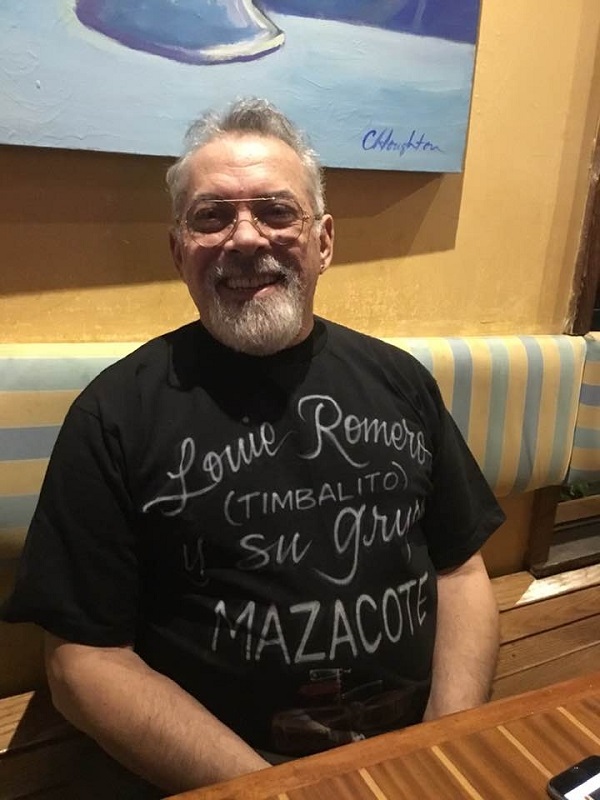
Louie Romero from Louie Romero Y Su Orquesta Mazacote

By Luis Medina, ISM Correspondents, San Francisco, California


By Luis Medina, ISM Correspondents, San Francisco, California


NOTICIAS CON SABOR on June 2022

The latest of salsa in the Bay Area of San Francisco

Someone to look out for is percussionist/bandleader/catalyst Javier Navarette who has been creating a serious buzz with his new group Javier Navarette and His Socially Distant Friends which features a “who’s who” of stellar Bay Area talent including esteemed violinist Anthony Blea, vocalist/percussionist Hector Lugo, rising star on the guitar, Kai Lyons, bassist Ayla Davila, percussionist Jesse Weber and charter members such as tresero/guitarist Camilo Landau, NY based trombonist and Javier’s brother Raul Navarette and PMO vocalist Chriselle Durandy.  Navarette and friends play an intoxicating brew of danceable Salsa, Cuban descarga, Rumba, Afro-Cuban folklore, Bomba, Timba and Latin Jazz played superbly by this all-star ensemble that have impressed large audiences at Carnaval San Francisco, the UC Theatre, Rocky’s Market and other festivals and hot spots.

Navarette is also currently a member of the hot Bobi Cespedes Band and was formerly a member of renowned bands such as Charanson, La Mixta Criolla, Linda Tillery and the Cultural Heritage Choir among others.  He has established himself as one of the SF Bay’s rising stars….a rumbero with excellent chops, taste and well versed both in the Cuban and Puerto Rican culture and heritage.  Navarette also has taught in the classroom spreading the knowledge to younger grade school children in the Bay Area.  Navarette is also booking the popular Modupue Sundays series at Rocky’s Market in Oakland.  Go Javier!! 

Javier Navarrette from Javier Navarrette and His Socially Distant Friends

The Western Region Puerto Rican Council will once again present their “El Dia De San Juan” Salsa Festival on Saturday, June 18, 11 am to 7 pm at Swiss Park, 5811 Mowry Avenue in Newark.  Headlining the show will be Frankie Vasquez “El Sonero Del Barrio”.  Vasquez is considered one of the finest soneros in the business today.  With a star studded career that includes working with Manny Oquendo and Libre, Spanish Harlem Orchestra, Los Soneros Del Barrio, Pedro Bermudez, Doug Beavers and many others, Vasquez displays his art of the soneo, his distinctive vocal tone always backed up by a swinging band on record and live.  Also appearing for the first time will be Izis La Enfermera De La Salsa from Puerto Rico, Gambizi & Dos Four hot from Carnaval SF, Hip Hop Jibarito, Orquesta Saboricua and Rinkinkaya playing Bomba, Plena and Jibaro music and DJ Santos Lopez.  For more information, go to wrprc.org!

SF JAZZ and the San Francisco Jazz Festival are featuring an impressive array of Salsa, Cuban and Latin Jazz starting Wednesday June 8 with Pacific Mambo Orchestra.  Followed by Gonzalo Rubalcaba and Grammy nominee Aymee Nuviola 6/9; Chucho Valdes with Dianne Reeves and Joe Lovano 6/12; Changui Majadero 6/13, Danilo Perez Global Messengers 6/14; Issac Delgado’s Con Tumbao Project w/Miguel Zenon, Oscar Hernandez, Pedrito Martinez, Alain Perez, Tony Succar and more 6/18.  SF JAZZ and Stanford University also co-presents two legends: Piano master Eddie Palmieri and trumpet phenom Arturo Sandoval at Stanford’s Frost Amphiteater on July 23.  Info: www.sfjazz.org.

The new hot spot for live music on Thursday’s is Charley’s LG, 15 N Santa Cruz Avenue in Los Gatos featuring the following for June: Orquesta La Moderna Tradición on 6/2; Carlos Xavier and his band 6/9; Edgardo Cambon and Candela 6/16; Son Y Clave from Los Angeles on 6/23 and Julio Bravo and Salsabor on 6/30.  Presented by your friends at International Salsa Magazine and World Salsa Radio.  Yours truly, Luis Medina from KPFA/WorldSalsaRadio.com will be your MC and DJ for the evening.  WSR’s El De La Clave SF-Felipe Martinez will give dance lessons starting at 8 PM.  Get a discount on your advance tickets by visiting charleyslosgatos.com.

Tregar Otton from Orquesta La Moderna Tradición

More clubs and events (título 3)

La Peña Cultural Center, 3105 Shattuck Avenue in Berkeley has been gaining a lot of notoriety with their monthly Baila events.  The June edition will also celebrate the cultural center’s 47th Anniversary on Friday, June 17th starting at 7 pm.  Corey Raynor, the venue’s production manager who organizes the event will also be celebrating his birthday.  The show will feature the explosive sounds of veteran timbalero Eric Rangel and his Orquesta America as well as KPOO/KPFA DJ Jose Ruiz in the main theater and DJ Ron Palma in the Bachata lounge. Salsa and Bachata dance lessons start at 7:30 pm.  For tickets and information, please visit lapena.org.

It’s Summertime and outdoor venues have opened back up for Salsa, Timba and Latin Jazz!  Modupue Sundays at Rocky’s Market at Oakland’s Brooklyn Basin is featuring the exciting band La Mixta Criolla on Sunday, June 5 under the direction of percussionist/vocalist Hector Lugo and a special Bomba dance performance by Shefali Shah. The festivities start at 5:30 pm.  Another great band Orquesta La Moderna Tradición will be at Rocky’s on Friday night, June 10th from 6 to 9 pm.   Rocky’s Market events are all outdoors and located at 288 Ninth Avenue in Oakland.  For more information, visit rockysmarket.com.

The Office on 1796 Willow Pass Road in downtown Concord is now offering Rumba Sundays every Sunday from 5 to 10 pm in a large, covered outdoor patio with a huge dance floor featuring Salsa bands such as Orquesta Taino on Sunday, June 5th.  The Office features live salsa monthly with SF Salsa Congress staple DJ Super Chino spinning Salsa, Bachata and more in-between the breaks!  Check out their Facebook page for more info!

Orquesta Taino posing for the camera

The Cigar Bar continues with their mission to bring you exciting danceable bands in their unique venue that combines great food, fine drinks, a parlor for cigar enthusiasts and a hot dance spot for weekend patrons.  The June Latin music offerings are the following: Pacho y Orchesta Evolution 6/3; Orquesta La Original w/Alexis 6/4; Orquesta Borinquen 6/10; Josh Jones Latin Jazz Ensemble 6/11; N’Rumba 6/17 ; Manteca 6/18; Orquesta Taino 6/24 and La Clave Del Blanco on 6/25.

The Ramp is heating things up for the Summer at their fine outdoor venue with their huge dance floor at 855 Terry Francois Blvd in San Francisco.  Their calendar includes great acts on Saturday afternoons starting at 4 pm with DJ Mendy with live music starting at 5 pm featuring N’Rumba on 6/4; Julio Bravo y Salsabor on 6/11; Somos El Son with Braulio Barrera 6/18 and Orquesta Borinquen on 6/25.

The Seahorse in Sausalito features fine Italian cuisine, beer and wine and a fine space for dancing on Saturday and Sundays starting at 6 pm with KPOO/KPFA DJ Jose Ruiz.  Featured acts for the month of June include La Clave Del Blanco on 6/4; Julio Bravo y Salsabor 6/5; Ricardo Lemvo and Makina Loca from Los Angeles on 6/11 and 6/12; Edgardo Cambon y Candela 6/18; Louie Romero and Mazacote 6/19; The Latin Rhythm Boys 6/20 and Eric Rangel and Orquesta America on 6/26.

Be sure to check out my radio programs Con Sabor on Saturday evenings from 9 to 11 PM PST on KPFA 94.1 FM and www.kpfa.org and Sabiduria Con Tumbao every Wednesday evening from 5 to 7 PM PST on worldsalsaradio.com. Enjoy your Summer!  Ciao 4 now!!

Louie Romero from Louie Romero Y Su Orquesta Mazacote


By Luis Medina, ISM Correspondents, San Francisco, California By Luis Medina, ISM Correspondents, San Francisco, California

  • « Go to Previous Page
  • Page 1
  • Interim pages omitted …
  • Page 3
  • Page 4
  • Page 5
  • Page 6
  • Page 7
  • Page 8
  • Go to Next Page »

International Salsa Magazine (ISM) is a monthly publication covering salsa activities around the world and has been publishing since 2007. It is a worldwide network of volunteers coordinated by ISM Magazine. Together, we work to strengthen salsa events around the world.