• Skip to primary navigation
  • Skip to main content

International Salsa Magazine

  • HOME
  • Previous editions
    • 2026
      • ISM / August 2026
      • ISM / July 2026
      • ISM / June 2026
      • ISM / May 2026
      • ISM / April 2026
      • ISM / March 2026
      • ISM / February 2026
      • ISM / January 2026
    • 2025
      • ISM / December 2025
      • ISM / November 2025
      • ISM / October 2025
      • ISM / September 2025
      • ISM / August 2025
      • ISM / July 2025
      • ISM / June 2025
      • ISM / May2025
      • ISM / April 2025
      • ISM / March 2025
      • ISM / February 2025
      • ISM / January 2025
    • 2024
      • ISM / December 2024
      • ISM / November 2024
      • ISM / October 2024
      • ISM / September 2024
      • ISM / August 2024
      • ISM / July 2024
      • ISM / June 2024
      • ISM / May 2024
      • ISM / April 2024
      • ISM / March 2024
      • ISM / February 2024
      • ISM / January 2024
    • 2023
      • ISM / December 2023
      • ISM / November 2023
      • ISM / October 2023
      • ISM – September 2023
      • ISM – August 2023
      • ISM July 2023
      • ISM Edition June 2023
      • ISM – May 2023
      • ISM April 2023
      • ISM March 2023
      • ISM February 2023
      • ISM January 2023
    • 2022
      • ISM December 2022
      • ISM November 2022
      • ISM October 2022
      • ISM September 2022
      • ISM August 2022
      • ISM July 2022
      • ISM June 2022
      • ISM May 2022
      • ISM February 2022
      • ISM January 2022
    • 2021
      • ISM December 2021
      • ISM November 2021
      • ISM October – 2021
      • ISM September 2021
      • ISM August 2021
      • ISM July 2021
      • ISM May 2021
      • ISM April 2021
      • ISM June 2021
      • ISM March 2021
      • ISM February 2021
      • ISM January 2021
    • 2020
      • ISM December 2020
      • ISM November 2020
      • ISM October 2020
      • ISM September 2020
      • ISM August 2020
      • ISM July 2020
      • ISM June 2020
      • ISM May 2020
      • ISM April 2020
      • ISM March 2020
      • ISM February 2020
      • ISM January 2020
    • 2019
      • ISM December 2019
      • ISM November 2019
      • ISM October 2019
      • ISM Septembre 2019
      • ISM August 2019
      • ISM July 2019
      • ISM June 2019
      • ISM May 2019
      • ISM April 2019
      • ISM March 2019
      • ISM February 2019
      • ISM January 2019
    • 2018
      • ISM December 2018
      • ISM November 2018
      • ISM October 2018
      • ISM September 2018
      • ISM August 2018
      • ISM July 2018
      • ISM June 2018
      • ISM May 2018
      • ISM April 2018
      • ISM March 2018
      • ISM February 2018
      • ISM January 2018
    • 2017
      • ISM December 2017
      • ISM November 2017
      • ISM October 2017
      • ISM September 2017
      • ISM August 2017
      • ISM July 2017
      • ISM June 2017
      • ISM May 2017
      • ISM April 2017
      • ISM March 2017
      • ISM February 2017
      • ISM January 2017
    • 2016
      • ISM December 2016
      • ISM November 2016
      • ISM October 2016
      • ISM September 2016
  • Spanish
  • Download Salsa App
    • Android
    • Apple

Search Results for: violinist

Charlie Haden was an extraordinary double bassist and composer who was a key figure in the history of modern jazz.

Double bassist and composer extraordinaire, Charlie Haden (Shenandoah, Iowa, August 6, 1937 – Los Angeles, California, July 11, 2014).

Charlie Haden began his professional activity in 1959 with Ornette Coleman’s quartet, a key figure in the history of modern jazz, and very soon began to investigate in that direction that Coleman initiated known as free jazz.

In that context, Charlie Haden participated in the recording baptism of that movement with the album recorded on May 22, 1959 for the Atlantic label and entitled: “The Shape of Jazz to Come” with the invaluable collaboration of Don Cherry, another incomparable musician and leader together with Coleman of that revolutionary musical movement that still lasts today.
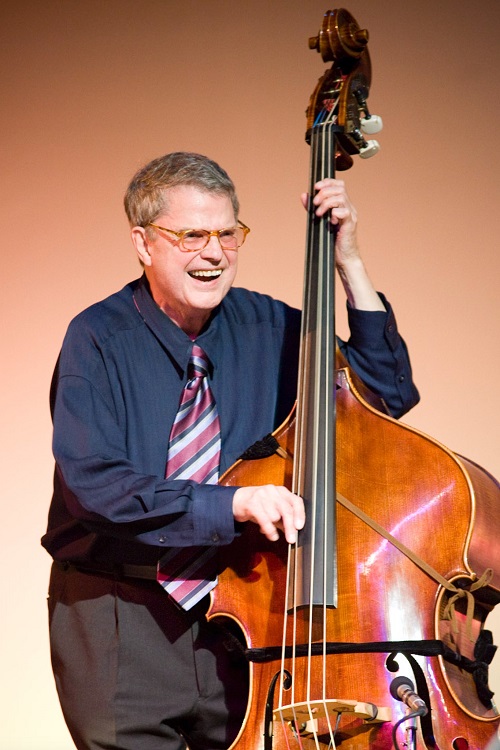
Charlie Haden (August 6, 1937- July 11, 2014)

Charlie Haden in 1960 participated with another double bass player, Scott LaFaro in an operatic manifesto entitled: “Free Jazz” of whom both were distinguished representatives in their instrument.

In 1964 he worked with Denny Zeitin’s trio and in 1966 he returned with Ornette Coleman while expanding his performance area with collaborations left and right.

In these areas he stood out for his participation in the work, studio and recording meetings of the “Jazz Composer’s Orchestra” and in 1969 he was finally able to realize a wish he had been pursuing for years: to record his first album under his own name with the Liberation Music Orchestra.

With original arrangements by Carla Bley, the music of the Liberation also stood out for the political character of the songs, being the first time that, in that context, a jazz group echoed the popular songs alluding to the Republican side of the Spanish Civil War.

After the album recorded by Impulse in 1976 entitled: “Song for Che” in homage to Ernesto Che Guevara, Charlie Haden formed with Don Cherry, the quartet “Old and New Dreams” with which he toured throughout Europe, Asia and North America. At the end of the eighties, Charlie Haden elaborates a new musical discourse within the framework of his new formation entitled “Quartet West”.

The founding album of this new discourse was an extraordinary album generically entitled “Quartet West”, a musical manifesto of great beauty and one of the essential albums of contemporary jazz. From 1990 onwards, Charlie Haden explores more intimate jazz universes, introducing the duo format into his discourse.
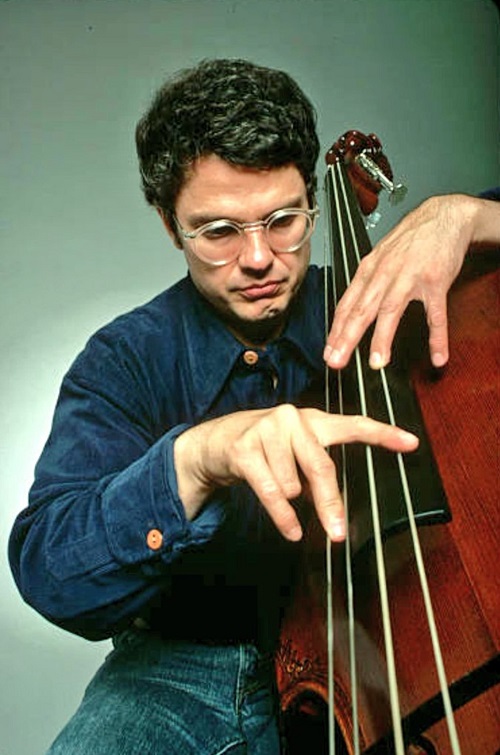
Charlie Haden
Charlie Haden

In this context, the musician explores himself in the composition and his relaxation together with the other protagonist discovers us a music of great inventiveness, clean in the execution and approached from a purely instrumental point of view.

This is how on Thursday, November 14, 2002, Charlie Haden appears in Seville at the Central Theater with the master of the guitar, Jim Hall to offer a portentous concert, full of sensitivity, art and talent.

Fortunately Apoloybaco was present that magical night in Seville and Charlie Haden is still making music of the highest level. ~ (apoloybaco)

Charlie Haden teams up again with the young Cuban pianist Gonzalo Rubalcaba in this melancholic and relaxing album. Ignacio Berroa on drums and percussion completes the main trio.

Special guests include tenor saxophonists Joe Lovano and David Sánchez, violinist Federico Britos Ruiz and guitarist Pat Metheny (one track only).
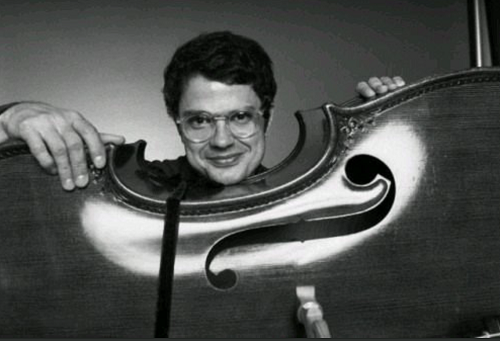
Charlie Haden photo 1978 Roger Ressmeyer

Rubalcaba contributes orchestrations on two tracks, both of which omit drums and percussion. Haden’s intention is to explore the bolero, a distinctive Latin dance rhythm that Ignacio Berroa accentuates with a soft, subtle snare drum roll, played with brushes, that begins on the “y” of the first beat of the measure and ends on the second.

This rhythm is perfect for a slow dance and, in fact, the whole album is very romantic, with bittersweet melodies and lilting cadences.

The only problem is that Berroa’s bolero figure is present on almost every track, perhaps what you would expect from a bolero album, but there is no getting around the fact that the music sounds pretty much the same on every track.

 (To be fair, Berroa is not the only one guilty of uniformity.) Most of the songs, except for two Haden originals and one by Rubalcaba, are Cuban and Mexican standards, and they are beauties. Haden’s reluctance to mess with them is understandable.
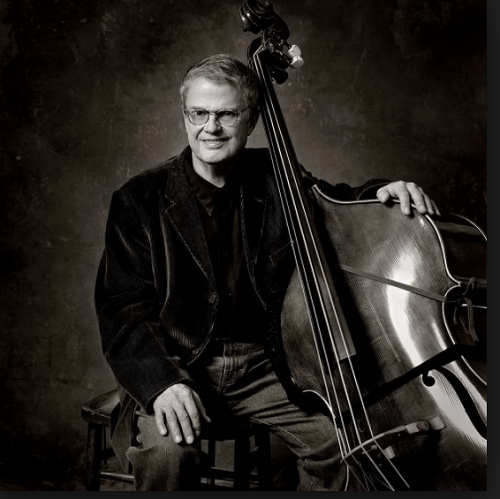
Charlie Haden fue un gran padre.

But the arrangements, always straightforward, fade too easily into the background.

Nocturne may be the best music for a candlelit dinner party, but Haden and his guests are capable of much more.  David R. Adler.

Charlie Haden – Nocturne (2001)
Temas:
01. En La Orilla Del Mundo (At The Edge Of The World) (Martin Rojas)
02. Noche De Ronda (Night Of Wandering) (Maria Teresa Lara)
03. Nocturnal (Sabre Marroquin/José Mojica)
04. Moonlight (Claro De Luna) (Charlie Haden)
05. Yo Sin Ti (Me Without You) (Arturo Castro)
06. No Te Empeñes Mas (Don’t Try Anymore) (Marta Valdès)
07. Transparence (Gonzalo Rubalcaba)
08. El Ciego (The Blind) (Armando Manzanero)
09. Nightfall (Charlie Haden)
10. Tres Palabras (Three Words) (Osvaldo Farrès)
11. Contigo En La Distancia·En Nosotros (With You In The Distance·In Us) (Cèsar Portillo De La Luz/Tania Castellanos)

Músicos:
Charlie Haden (Bajo)
Gonzalo Rubalcaba (Piano, Orquestación)
Ignacio Berroa (Percusión, Batería)
Joe Lovano (Saxo tenor en temas #1, #4, #7, #11)
David Sánchez (Saxo tenor en temas #6, #10)
Pat Metheny (Guitarra acústica en tema #2)
Federico Ruiz (Violín en temas #1, #5, #8)

Grabado del 27 al 31 de agosto de 2000 en Criteria / The Hit Factory Studios, Miami, FL.
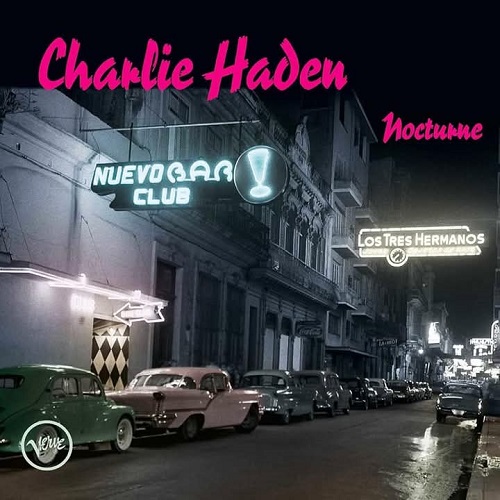
Charlie Haden - Nocturne (2001)
Charlie Haden – Nocturne (2001)

Research Sources:

L’Òstia Latin Jazz

Dj, Augusto Felibertt

Also Read: Andy Gonzalez started as a musician at the age of 13 in the Latin Jazz Quintet in New York

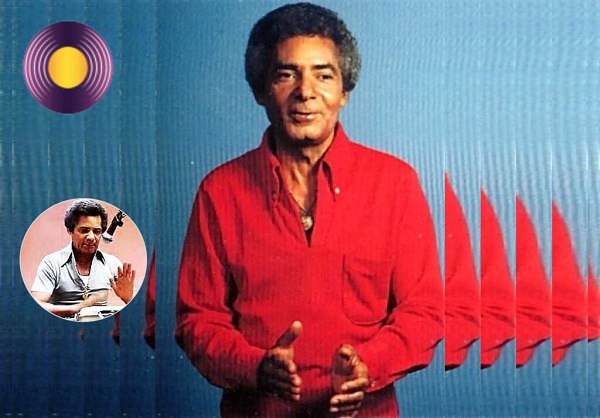
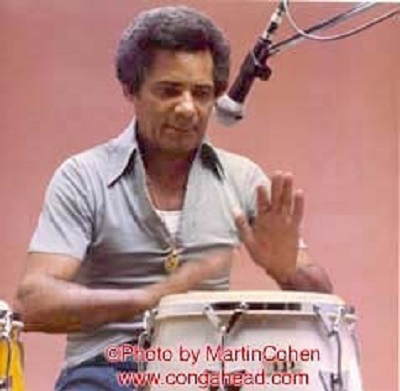
Virgilio Martí was an excellent rumbero and composer of the classic “Cuba Linda” where he was vocalist and percussionist in Grupo Folklorico Experimental Newyorkino

Virgilio Martí, born in 1919 in Havana, Cuba.

Virgilio Marti
Virgilio Marti

Fine Rumbero, Singer, Composer, Arranger, Percussionist, Actor and Orchestra Director well known since the late 40’s, especially as a guaguancó singer.

He began touring the world in 1949 and met his later wife in 1960 in Peru.

That same year, he settled in New York, participating in the local scene. He participated in the LP “Patato y Totico” in 1967, he also participated with his brother Eloy Martí in a Quintet accompanied by Gene Golden for the year 1979.

Israel López (Cachao), Arsenio Rodríguez, Héctor Cadavieco, Francisco Valdés, Papaíto, Tony Mayari and Mario Cadavieco also worked on that album.

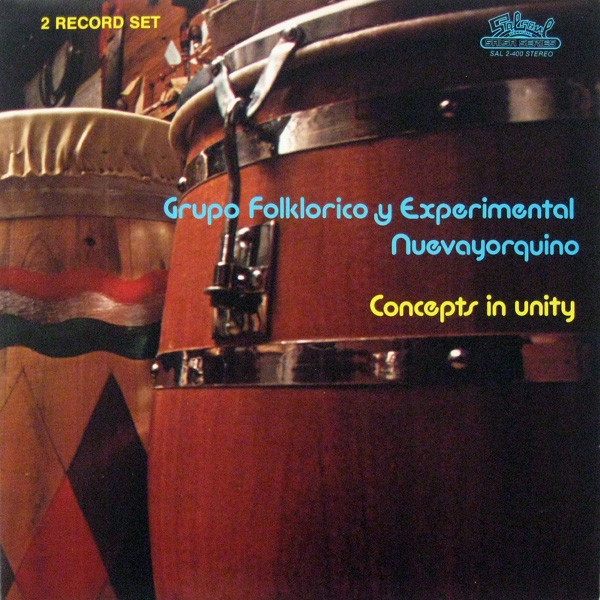
He participated in the “Grupo Folklórico Experimental Newyorkino” where he was their vocalist and percussionist in 1975. During his stay with them, he composed the song “Cuba Linda”.

Another work of Martí of great remembrance is the album titled: “Saludando A Los Rumberos” published by the Caimán label in the early 80’s and in which the Cuban acts as vocalist and main star.

Grupo Folklórico Experimental Newyorkino

In it Martí is involved with talents such as: Tony Cofresí, Andy and Jerry González, Yomo Toro, Paquito Pastor, Ray Romero, Claudio Roditti and Ignacio Berroa, among others.

“Iya Modapue” is in itself a guaguancó with open rumba, being at the same time the favorite number of the ‘Grupo Folklórico’, and even the first groove to be recorded.

The levels of experimentation and the freedom to unload several rhythms in a single musical performance are the factors producing the attraction of the musicians for “Iya Modupue” (which means Thank You Mother).

The vocal part is in the hands of Virgilio Martí. The trumpet of “Chocolate” Armenteros, the trombones of José Rodríguez and Reinaldo Jorge, the flute of Gonzalo Fernández and the percussion of Frankie Rodríguez stand out.

“Se Me Olvidó” a bolero by Lolita de la Colina but adapted in guaguancó to the style of the Grupo Folklórico, which, by the way, turned out to be the piece of greatest radio diffusion in the tropical environment and therefore, the one that would open the doors to the group.

The song was interpreted by Virgilio Martí, who also plays the congas. In “Se Me Olvidó”, the violin of Cuban Alfredo de la Fe, the quinto of Julito Collazo, the street redoblante of Jerry González and a Mexican marimba played by Andy González in counterpoint to the notes of the double bass, also played by Andy, stand out. Here it is worth mentioning that Alfredo de la Fe is a virtuoso violinist and among his many performances, I remember his work with Eddie Palmieri, Larry Harlow (the wonderful Jew), the Fania All-Stars and the avant-garde Típica 73.

In the early 80’s he formed a band with brothers Andy and Jerry González, and percussionist Ignacio Berroa.

It is worth mentioning Virgilio Martí’s 1985 performance in the film by Cuban filmmaker León Ichaso entitled “Crossover Dreams” (Sueños truncados).

In it, the Havana native plays the role of “Cheo Babalú” and vocalizes the song “Llora Timbero”.

In that film production made in New York City, he also participates with actor Rubén Blades, who plays the role of “Rudy Veloz”, where they sing the song “Todos Vuelven”.

In 1990, he contributed to the “Soundtrack” of the movie Azucar Amarga.

He maintained a great skill in converting songs from other genres into rumba arrangements.

We can mention the adaptation of the theme of the Brazilian composer Jorge Ben, “Más Que Nada” in which he appears on the LP with Patato and Totico.

Martí died on October 17, 1995.

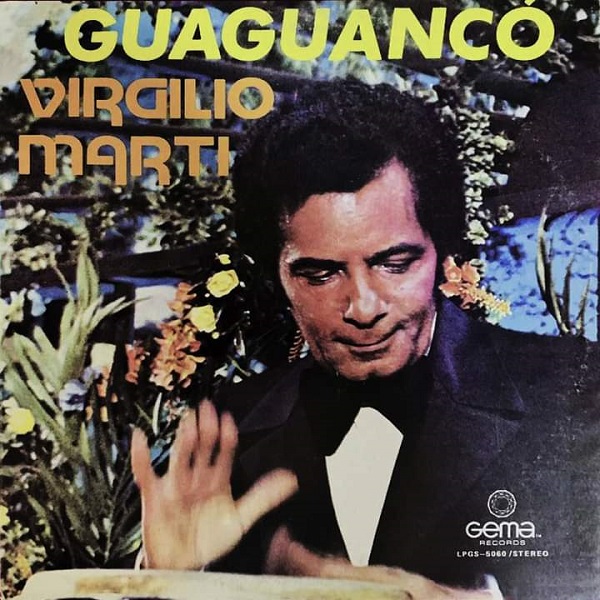
Virgilio Marti – Guaguanco (1979)

Tracks:

  1. Amanecer (Armando Manzanero)
  2. Todos vuelven (Rafael Otero)
  3. A tus pies (D.R.) (Agustin Lara)
  4. My childhood (Laureano Martinez)
  5. Saluting the rumberos (Manolo Albo)
  6. I’m going to divide it (R. Livi)
  7. Acanapon (D.R.)
  8. The little handkerchief (D.R.)
  9. Que susto (Virgilio Marti)
  10. Odiame (Rafael Otero)
Virgilio Marti - Guaguanco (1979)
Virgilio Marti – Guaguanco (1979)

Information realized (June 1, 2024)

Also Read: Carlos “Nene” Quintero comes from a family of musical prodigies

Contributor: Dj. Augusto Felibertt (International Salsa Magazine)

Virgilio Martí participated as aVirgilio Martí participated as a vocalist in the Grupo Folklórico Experimental Newyorkino in which he composed the song “Cuba Linda”

Virgilio Martí, born in the year 1919 Havana, Cuba, Rino Rumbero, Singer, Composer, Arranger, Percussionist, Actor and Orchestra Director, well known since the late 40’s, especially as a guaguancó singer.

He began touring the world in 1949 and met his later wife in 1960 in Peru.

Virgilio Martí participated as a vocalist in the Grupo Folklórico Experimental Newyorkino in which he composed the song "Cuba Linda".
Virgilio Martí participated as a vocalist in the Grupo Folklórico Experimental Newyorkino in which he composed the song “Cuba Linda”.

That same year, he settled in New York, participating in the local scene.

He participated in the LP “Patato y Totico” in 1967, he also participated with his brother Eloy Martí, in a Quintet accompanied by Gene Golden, for the year 1979.

Israel López (Cachao), Arsenio Rodríguez, Héctor Cadavieco, Francisco Valdés, Papaíto, Tony Mayari and Mario Cadavieco also worked on that album.

He participated in the “Grupo Folklórico Experimental Newyorkino”, where he was their vocalist and percussionist, in 1975. During his stay with them, he composed the song “Cuba Linda”.

"Grupo Folklórico Experimental Newyorkino, donde fue vocalista y percusionista del mismo, en 1975
“Grupo Folklórico Experimental Newyorkino, donde fue vocalista y percusionista del mismo, en 1975

Another work of Martí of great remembrance is the album entitled: “Saludando A Los Rumberos”, published by the Caimán label in the early 80’s and in which the Cuban acts as vocalist and main star. In it, Martí is involved with talents such as: Tony Cofresí, Andy and Jerry González, Yomo Toro, Paquito Pastor, Ray Romero, Claudio Roditti and Ignacio Berroa, among others.

Virgilio Martí, born 1919 Havana, Cuba.

“Iya Modapue”, constitutes in itself, a guaguancó with open rumba being at the same time the favorite number of the “Grupo Folklórico”, and even the first groove that was recorded.

The levels of experimentation and the freedom to unload several rhythms in a single musical performance are the factors producing the attraction of the musicians for “Iya Modupue” (which means Thank You Mother).

The vocal part is in the hands of Virgilio Martí. The trumpet of “Chocolate” Armenteros, the trombones of José Rodríguez and Reinaldo Jorge, the flute of Gonzalo Fernández and the percussion of Frankie Rodríguez stand out.

“Se Me Olvidó” – a bolero by Lolita de la Colina – but adapted in guaguancó to the style of the Grupo Folklórico, which, by the way, turned out to be the piece with the greatest radio airplay in the tropical environment and, therefore, the one that would open the doors to the group. The song was performed by Virgilio Martí, who also plays the congas. In “Se Me Olvidó”, the violin of Cuban Alfredo de la Fe, the quinto of Julito Collazo, the street redoblante of Jerry González and a Mexican marimba played by Andy González in counterpoint to the notes of the double bass, also played by Andy, stand out.

Here it is worth mentioning that Alfredo de la Fe is a virtuoso violinist and among his many performances, I remember his work with Eddie Palmieri, Larry Harlow (the wonderful Jew), the Fania All-Stars and the avant-garde Típica 73.

In the early 80’s he formed a band with brothers Andy and Jerry González, and percussionist Ignacio Berroa.

It is worth mentioning Virgilio Martí’s 1985 performance in the film by Cuban filmmaker León Ichaso entitled: “Crossover Dreams” (Sueños truncados). In it, the Havana native plays the role of “Cheo Babalú” and sings the song “Llora Timbero”.

In this film production made in New York City, the actor Rubén Blades, who plays the role of “Rudy Veloz”, also participates. There they sing the song “Todos Vuelven”.

In 1990, he contributed to the “Soundtrack” of the movie Azúcar Amarga.

He maintained a great skill in converting songs from other genres into rumba arrangements. We can mention the adaptation of the song by Brazilian composer Jorge Ben, “Más Que Nada”, which appears on the LP with Patato y Totico. Martí died on October 17, 1995. (Tom Data “Facebook”)

Virgilio Marti - Guaguanco (1979)
Virgilio Marti – Guaguanco (1979)

Virgilio Marti – Guaguanco (1979)

Tracks:

  1. Amanecer (Armando Manzanero)
  2. Todos vuelven (Rafael Otero)
  3. A tus pies (D.R.) (Agustin Lara)
  4. My childhood (Laureano Martinez)
  5. Saluting the rumberos (Manolo Albo)
  6. I’m going to divide it (R. Livi)
  7. Acanapon (D.R.)
  8. The little handkerchief (D.R.)
  9. Que susto (Virgilio Marti)
  10. Odiame (Rafael Otero)

Information realized (June 1, 2024)

Sources:

DiscoGS

Spotify Virgilio Marti

Virgilio Marti Youtube

Also Read: Justo Betancourt Querol Cuban sonero and singer famous for his interpretation of the song “Pa’ bravo yo”

Vocalist of La Moderna Tradición Eduardo Herrera and his fascinating story

This time, we are very pleased to have been able to talk with a talented Venezuelan who has left the name of his country well off thanks to his talent and professionalism. We are talking about bandleader and singer Eduardo Herrera, who was kind enough to speak exclusively to us and give us details on his personal and professional life so that we can get to know a little more about him.    

Venezuelan singer Eduardo Herrera
This is vocalist of La Moderna Tradición and Venezuelan singer Eduardo Herrera

How did Eduardo Herrera become interested in music?   

Eduardo comments that his parents always spent their time singing in a very cheerful way since he was a child, so his best childhood memories are with music. 

He grew up in Caracas, so he always had close contact with all kinds of music and listened to a great variety of artists starting with Celia Cruz, La Sonora Matancera, La Billo Caracas Boys, Los Melódicos, Benny Moré, Oscar D’ León, Daniel Santos, Los Adolescentes La Dimensión Latina, La Fania, among others. These artists strongly encouraged him to lean towards salsa in the 1970s.   

In his hometown, he began playing with the Teresa Carreño Chamber Choir, which was his first professional contact with music and, in his own words, was a great school for him during his time there. 

In 1987, being already in the state of California, United States, there was an orchestra called Radiante that played Puerto Rican salsa. Eduardo worked with them for a year until he joined Orquesta Sensual, whose strength was romantic salsa that was fashionable at the time.   

After that, he also worked with Orquesta Charanzón, which at that time was led by Anthony Blea, a famous violinist from the Bay Area. It was with this band that he began to fully discover Cuban music and develop a great passion for it, which would lead him to continue along this path in the following years.    

In those years, he played with an unlimited number of orchestras with which he gained a lot of experience and learned to perform properly on stage. However, his big break came with the Orquesta La Moderna Tradición in 2021, when he was offered to participate with the group in some projects.   

Even so, the latter did not prevent him from working with other groups of this style throughout the San Francisco Bay Area, as he has no problem with playing with anyone who wants to invite him.   

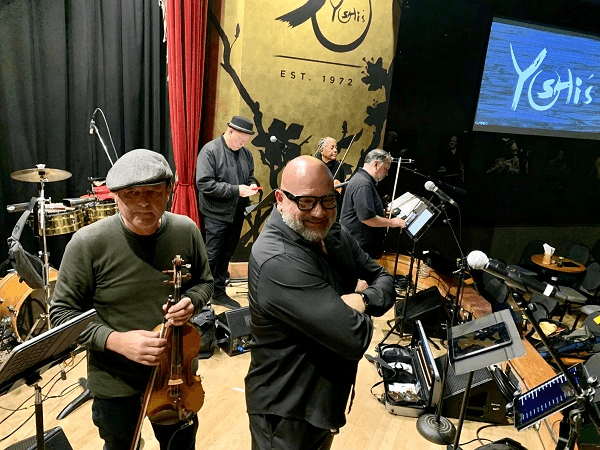
Eduardo Herrera and Tregar Otton
Eduardo Herrera next to director, arranger, composer and violinist Tregar Otton at Yoshi’s

Reasons to leave Venezuela and go to the United States   

Like any other immigrant, Eduardo’s primary reason for leaving his country was the search for new opportunities. Eduardo goes on to explain that he was awarded a scholarship by the famous Gran Mariscal de Ayacucho fellowship programme and managed to obtain his degree in biology in the United States, but unfortunately with the change of government, the things that were promised to him and other fellows such as jobs and revalidations were not kept. As a result, the young man was left in a limbo that made it nearly impossible for him to practice biology.    

With his options reduced to almost zero in Venezuela, Eduardo had no choice but to return to the United States, where he started working as a high school teacher until 2023, when he finally retired from his basic profession. In total, he taught for more than 40 years at the secondary level. During most of this time, he combined his school activities with his second profession, which was music.   

Other areas of music explored by Eduardo 

The singer explained to us that his voice has always been his most important instrument when he gets on stage, but he also confesses to having experimented with hand percussion instruments such as the maracas and the güiro. He pointed out that both are very easy to learn at first glance, but they have their level of complexity once you try them. 

At present, he only uses his voice in the orchestras in which he currently plays.  

Orquesta La Moderna Tradición   

”La Moderna Tradición reached out to me at the beginning to record one of their CDs and I started singing backup and the harmonies, which is how you should always get you started in any group. When you master those areas and have the talent, you may think about being a soloist and that’s exactly what happened with me” Eduardo started saying about the issue. 

La Moderna Tradición’s music was mostly instrumental at that time and they wanted Eduardo for their second album, which would include choirs for the first time, but the group had no singer at that time. In view of the good results offered by the vocalist, he found himself in frequent demand to give voice to other old numbers, but now with a singer.   

Years later, he finally received the proposal to be part of the orchestra as such, together with Ramón ”Monchi” Estévez on vocal. Already for the third album, all the songs had a singer, who was Eduardo most of the time. 

From then on, the artist has continued to be part of La Moderna Tradición with some interruptions because he moved from the Bay Area to the Central Valley in Manteca, which made it more complex for him to play with the orchestra on weekday evenings. 

At the same time, he worked with the group Vissión Latina, Carlos Caro’s orchestra or any other that invited him to play on weekends, which were on his days off. 

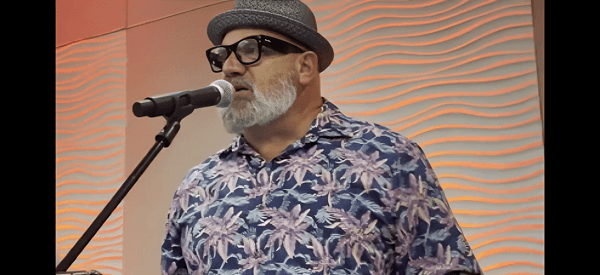
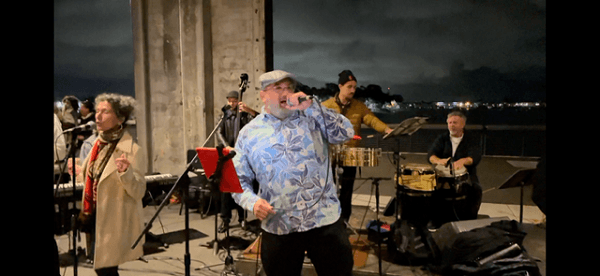
Eduardo Herrera performing
Eduardo Herrera performing live

What Eduardo has learned from La Moderna Tradición and other artists he has played with 

The most important things Eduardo says he has learned from the great artists he has played with are the study, humility, knowing your limits and the development of the love of music. He says the latter is fundamental, because if you do not love music, you will not do the job right.   

”With music, you sacrifice your time and the pay you receive in return does not always go according to what you do, but it is something you’re supposed to do for the love you have for the craft. If you do not love what you do, you will hardly do it well and use your skills in it” said Eduardo. He added that ”you are an eternal student and you never know everything about everything. There is always something to learn from other singers and seeing any of them on stage is an opportunity to emulate what they do as long as it is useful for your career. 

He also said that ”the ego of many artists is a really depressing thing because it prevents them from moving forward and takes their focus away from what is really important, which is the love of the genre and the opportunity to learn as much as you can”.  

Complex moments for Eduardo personally and professionally  

Eduardo mentioned to us that one of the hardest moments for him personally and professionally was his move outside of the Bay Area, which we had already talked about. Being so far away from the area where he did most of his performances was a blow to him, as he had to be near his wife and children.   

Eduardo was very late from work and his wife had a job which made her to leave home for several days, so it was up to him to stay with the children during all that time. For the artist, his family comes first every time and no job or hobby goes above that. 

His responsibilities with his children let him to distance himself from music little by little, since not being always available to play, orchestras would look for other singers to replace him. This made his opportunities to sing to be reduced, but Eduardo assures that the sacrifice has been worth it, as quality time with his children is the most main thing for him. 

Eduardo’s plans to create his own orchestra  

Eduardo was able to conduct an orchestra for a few months, which allowed him to see what the work of a director would be like and the truth is that he did not like it. ”During the time that I was conducting an orchestra, I could see I don’t have the right personality for it. I’m not good for working with adults who are irresponsible and many musicians tend to be late for the engagements and not to take this profession very seriously. I’m a very perfectionist person who has very high standards and I don’t expect anyone to work less than me, so I know it would be torturous for me to have a responsibility of that magnitude,” Eduardo said. 

He says that being a bandleader is far beyond what he wants to do with music and that he wanted to keep developing as a singer. In addition to this, going back to the family issue, such a position would have forced him to be away from his family again and that was something he was not willing to do. 

He also took into account the little stability offered by music as a profession. His work as a biology teacher was much more stable and allowed him to have secure income without having to worry about the bad times of orchestras. He loves music to a fault, but does not like uncertainty and insecurity.  

Eduardo Herrera and Maru
Eduardo Herrera performing with Maru Pérez-Viana, La oderna Tradición manager and chorister

Other groups  

In addition to playing with La Moderna Tradición, he also works with a Cuban group called Pellejo Seco, with which he recorded an album that is currently being remastered in Cuba. The material was recorded just before September in California, but will soon be released to the public. 

Eduardo works directly with Ivan Camblor, director of the orchestra and professional tres player. In this part of the conversation, the artist was very complimentary about Camblor and highlighted his great potential as a bandleader and musician. 

Something he likes about Pellejo Seco is that his main genre is Cuban son and it focuses a lot on very rural and traditional Cuban rhythms, so he can explore other elements different from what he does with La Moderna Tradición. They are very different groups with different genres and different characteristics. 

Read also: Nicaraguan singer and guitarist Yelba Heaton in an exclusive interview 

Founder of Yambu Productions and host of ”Alma Del Barrio” Guido Herrera-Yance

Singers, dancers, musicians and artists in general are usually the first thing the public sees during any type of event, but very little is spoken about the companies, producers and promoters that are in charge of managing all the logistics behind these shows, so we wanted to talk to Guido Herrera-Yence, founder of Yambu Productions, which is an important music production company based in Los Angeles, so he could tell us a little about all these subjects.   

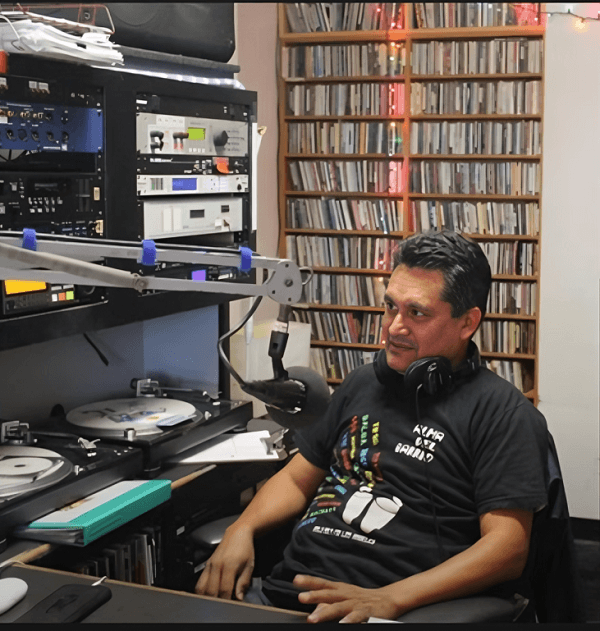
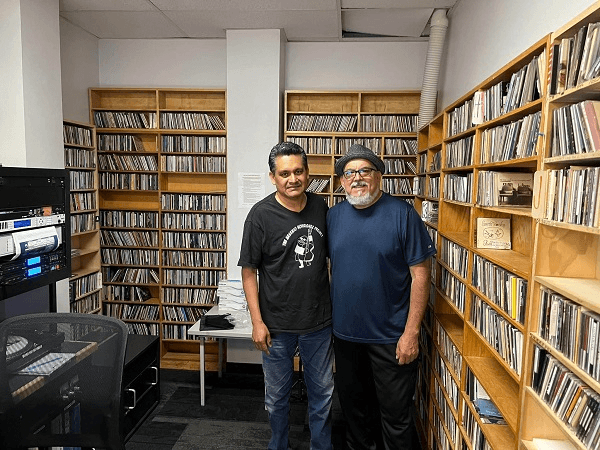
Guido working at KXLU 88.9 FM
”Alma Del Barrio” host Guido Herrera-Yance working at KXLU 88.9 FM

How Guido Herrera-Yance started in the world of music as a radio host 

Many years before Guido even thought about the idea of forming a company, he began to establish himself as a radio host on the popular public radio station KXLU 88.9 FM, specifically on the show ”Alma Del Barrio”, which is about to turn 51 years on the air in October. In Guido’s case, he has been hosting the show for more than 30 years, bringing the best Latin music and artistic news to all his listeners.   

The also producer confesses that he did not really like locution and that he was simply in the right place at the right time, resulting in the career he has built in this type of media. What it does say is that he was a frequent listener of several radio shows and a voracious music collector, which led him to meet certain personalities who saw potential in him to belong to ”Alma Del Barrio”. When a show was opened, he was the leading candidate for the job and accepted immediately. 

Guido did not have any kind of experience in radio, but his employers trained him and taught him everything he needed to know to carry out his tasks properly. 30 years later, Guido is still one of the main hosts of the show and a reference in terms of Latin music radio.    

From radio to event production   

In 1995, one year after having joined ”Alma Del Barrio”, a friend told him that Chucho Valdés was going to the United States after many years and proposed him to make a show together with the artist as the main attraction. When Guido accepted, they began to look for artists to accompany the Cuban that night and some of them were Alex Acuña, Justo Almario, Luis Conte, among others.   

The results were so good that Guido was left with the desire to keep experimenting with this field of the industry, so he continued to produce events of all kinds on a small and large scale since that year. 

As the years went on, he realized that he would need a bigger and more elaborate structure if he wanted to continue to work on this, so the idea of founding a music production company began to take shape in his mind.    

Guido and Chucho Valdés
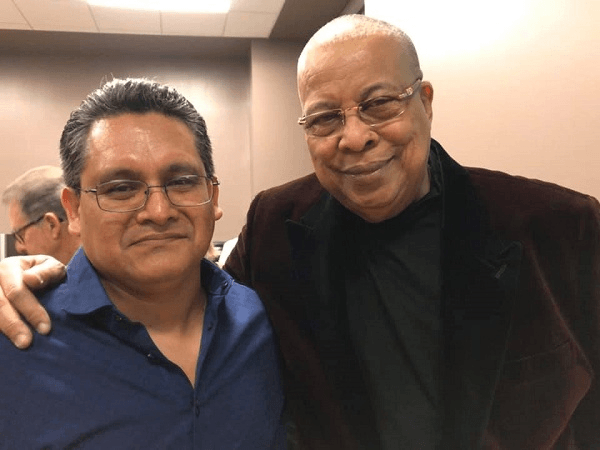
Guido Herrera-Yance next to Cuban bandleader and pianist Chucho Valdés

How Guido created Yambu Productions   

On the creation of Yambu Productions, something that Guido highlighted is that, in the United States, ”everything must be done very formally”. In light of the obligation to declare the income from his musical activities, Guido saw the need to create a company that would facilitate the procedures related to taxes and issues of this sort in order to cover his back.   

Regarding the name ”yambu”, the businessman was inspired by a song by the Cuban popular music singer Carlos Embale, who was one of his favorite artists, so he wanted to honor him in that way. Taking this detail into account, it is not surprising that Cuban music and its exponents play a fundamental role in the events and groups that Yambu Productions seeks to promote, but it is not limited to nationalities or genres.   

The company has set up events for Los Papines, El Conjunto Folklórico Nacional de Cuba, Chucho Valdés, Los Van Van, El Gran Combo de Puerto Rico, Tito Nieves, José Alberto ”El Canario” and the list goes on. Guido is very proud that Yambu Productions was the one that produced the only concert given by Los Van Van Van and El Gran Combo in the United States, which was in the year 2029. He says he is a fan of both groups, so this was a dream come true for him.   

Upcoming Yambu Productions Events    

This year, Yambu Productions was about to hold the Cuban American Music Festival on 2 June this year, but it has been suspended due to multiple factors, but the main one is that Guido feels that many things have changed in the entertainment industry after the pandemic such as demographics and the public tastes. This has caused the producer to rethink many things, as he is not quite clear  what will be the path to follow by the company, so he prefers to wait. 

In addition to the above, Guido is focused on his own restaurant that opened just six months ago and needs to dedicate all his time and effort to this new project, so it is very possible that the previously festival will be back better than ever for the year 2025, when he will be clearer about what he wants to do with this event.   

However, he said he does not want to be away from live music, to which he attaches a great deal of importance in his work, so with the support of one of the most important jazz clubs in California, Catalina Jazz Club, he rolled up his sleeves and organized the Salsa Meets Jazz Concert Series for 26 April this year (at the time of publishing this article, the concert must have taken place). In this way, Guido wants to recreate that golden era of Latin jazz and salsa in New York, but in his own way. 

The Salsa Meets Jazz Concert Series is expected to pay tribute to a different artist who has contributed to these genres each edition and this year it was the torn for Tito Puente. In addition, Catalina Jazz Club proposed Guido to hold events of this type several times a year, so tribute concerts to Ray Barreto and Andy Gonzalez are also scheduled before 2024 is up. He maintained a close friendship with both musicians, especially with Gonzalez.  

Guido and Alfredo de La Fe
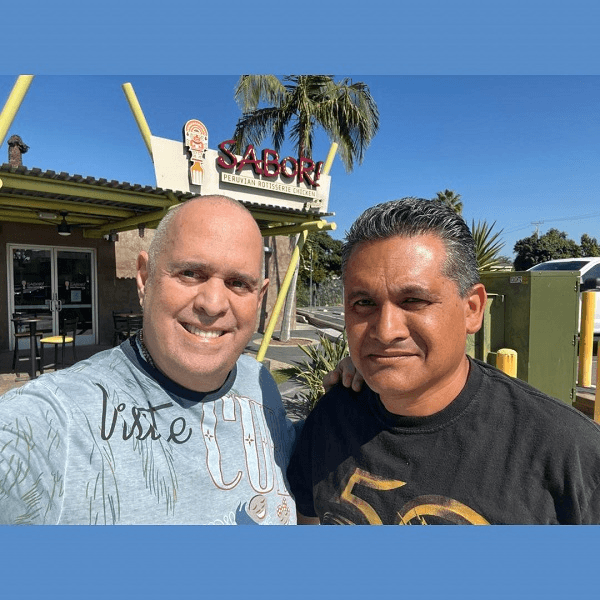
Cuban violinist Alfredo de La Fé next to Guido Harrera-Yance in front of Sabor! Peruvian Rotisserie Chicken, a venue in which Alfredo would perform some hours later

How are the logistics behind a Yambu Productions event? 

When Guido plans to hold an event, the first thing he should do is to find a venue that complies with the requirements for the type of show he plans, analyze the costs involved, find the best talent for the show, hire sound engineers, recruit the people who will be in charge of the logistics part, among other things. It is an arduous work of at least six months before the event takes place.   

An example of the above is the Cuban American Music Festival, which has always been held in May, so he should start organizing and planning for it since November or December of the previous year. This in order to have every detail ready on the day of the festival and to avoid any unforeseen problems that could put those involved down.  

On this subject, Guido said he feels lucky to be able to have so many friends in the world of music, to stay on ”Alma Del Barrio” for so many years and to know people like Nelson González, Johnny ”Dandy” Rodríguez, Genaro Rivera and many others who are always ready to come to Yambu Productions events without even asking about payment, since they know that Guido and his company are very responsible about these issues.  

How talent is selected for events 

”Everything falls on me. I believe that I have the capacity, knowledge and experience to know what the public wants. It is for the very reason that we will not be making the Cuban American Music Festival this year, since the pandemic changed everything in the industry and I have to accept that what sold yesterday is not the same as what sells today” said Guido when asked how he chooses the talent he wants for his shows. He also added that ”I’m still debating with myself on which way to go with the company after quarantine”. 

What Guido will never do is let go of live music because, in his words, ”it feeds his spirit”. As long as he is dedicated to music production and Yambu Productions is still operating, live events will always have a highly important place in the activities carried out by the company. 

Guido and Poncho Sánchez
Guido Herrera-Yance next to conguero, Latin jazz band leader, and salsa singer Poncho Sánchez

Read also: What The Namm Show is and how it works 

  • « Go to Previous Page
  • Page 1
  • Page 2
  • Page 3
  • Page 4
  • Page 5
  • Interim pages omitted …
  • Page 8
  • Go to Next Page »

International Salsa Magazine (ISM) is a monthly publication covering salsa activities around the world and has been publishing since 2007. It is a worldwide network of volunteers coordinated by ISM Magazine. Together, we work to strengthen salsa events around the world.