• Skip to primary navigation
  • Skip to main content

International Salsa Magazine

  • HOME
  • Previous editions
    • 2026
      • ISM / June 2026
      • ISM / May 2026
      • ISM / April 2026
      • ISM / March 2026
      • ISM / February 2026
      • ISM / January 2026
    • 2025
      • ISM / December 2025
      • ISM / November 2025
      • ISM / October 2025
      • ISM / September 2025
      • ISM / August 2025
      • ISM / July 2025
      • ISM / June 2025
      • ISM / May2025
      • ISM / April 2025
      • ISM / March 2025
      • ISM / February 2025
      • ISM / January 2025
    • 2024
      • ISM / December 2024
      • ISM / November 2024
      • ISM / October 2024
      • ISM / September 2024
      • ISM / August 2024
      • ISM / July 2024
      • ISM / June 2024
      • ISM / May 2024
      • ISM / April 2024
      • ISM / March 2024
      • ISM / February 2024
      • ISM / January 2024
    • 2023
      • ISM / December 2023
      • ISM / November 2023
      • ISM / October 2023
      • ISM – September 2023
      • ISM – August 2023
      • ISM July 2023
      • ISM Edition June 2023
      • ISM – May 2023
      • ISM April 2023
      • ISM March 2023
      • ISM February 2023
      • ISM January 2023
    • 2022
      • ISM December 2022
      • ISM November 2022
      • ISM October 2022
      • ISM September 2022
      • ISM August 2022
      • ISM July 2022
      • ISM June 2022
      • ISM May 2022
      • ISM February 2022
      • ISM January 2022
    • 2021
      • ISM December 2021
      • ISM November 2021
      • ISM October – 2021
      • ISM September 2021
      • ISM August 2021
      • ISM July 2021
      • ISM May 2021
      • ISM April 2021
      • ISM June 2021
      • ISM March 2021
      • ISM February 2021
      • ISM January 2021
    • 2020
      • ISM December 2020
      • ISM November 2020
      • ISM October 2020
      • ISM September 2020
      • ISM August 2020
      • ISM July 2020
      • ISM June 2020
      • ISM May 2020
      • ISM April 2020
      • ISM March 2020
      • ISM February 2020
      • ISM January 2020
    • 2019
      • ISM December 2019
      • ISM November 2019
      • ISM October 2019
      • ISM Septembre 2019
      • ISM August 2019
      • ISM July 2019
      • ISM June 2019
    • 2016
      • ISM December 2016
      • ISM November 2016
      • ISM October 2016
  • Spanish
  • Download Salsa App
    • Android
    • Apple

Search Results for: Colombia

It is a pleasure to welcome Erim Kardes and Gustavo del Pino from Los Calicubanos to ISM

We are very happy to share a little with musical director, Erim Kardes, and pianist, Gustavo Del Pino, of the band Los Calicubanos, from whom we had the pleasure to hear a bit about their individual careers and the foundation of their current group.

The interview, conducted in both English and Spanish, touched on some very interesting topics about music in general, and we hope all who read it will enjoy it.
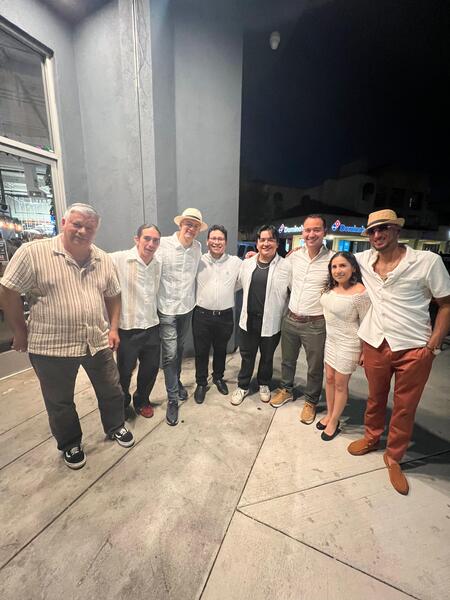
Erim and the rest of the band
From left to right Jim Miranda on Congas, Arturo Ramirez on Timbales, Erim Kardes on bass, Mark Trejo on Trumpet, Andy Garcia on Trombone, Gustavo Del Pino on piano, Marisol Echegoyen on Vocals, Luis Jimenez on vocals

Erim and Gustavo’s beginnings in music

The first to take the floor was Gustavo, who told us that he started playing piano at the age of six. His father played the saxophone and his mother played the piano, but they saw music only as a hobby and were not professional musicians. Throughout his childhood in Peru, he listened to a lot of Latin music at family gatherings, so six years later, at about age 12, he was already performing in front of crowds. Among his family’s most loved artists were El Gran Combo from Puerto Rico, Héctor Lavoe, and Rubén Blades.

After that, he studied classical music in a conservatory, and when he finally moved to the United States and met Erim and the rest of his bandmates, he studied at Berklee College of Music in Boston.

In Erim’s case, he said he started playing the guitar when he was 14 years old in Turkey, the country where he grew up. Like Gustavo, no one in his family was a musician, but that did not stop them from listening to Turkish music all the time, and it was from there that he started to like it beyond entertainment.

By the age of 20, he became interested in Latin music and began experimenting with it. He was in graduate school studying engineering in Los Angeles, where he had been living for some time, and taking some jazz courses at the University of California. One of his professors was the one who finally introduced him to Latin music, and he liked it so much that he never separated from it again. One of his most important teachers was legendary bassist from the band Weather Report, Alphonso Johnson.
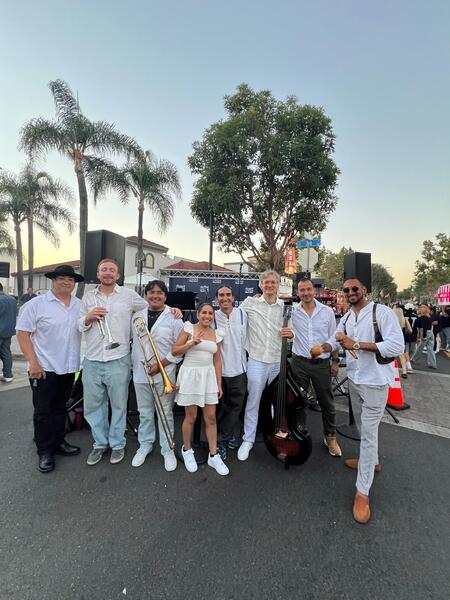
Erim and the rest of the band
From left to right Jim Miranda on Congas, Arturo Ramirez on Timbales, Erim Kardes on bass, Mark Trejo on Trumpet, Andy Garcia on Trombone, Gustavo Del Pino on piano, Marisol Echegoyen on Vocals, Luis Jimenez on vocals
Erim and the band
From left to right: ERNESTO VALENZUELA on Congas, Joseph Dubois on Trumpet, Andy Garcia on Trombone, Marisol Echegoyen on Vocals, Arturo Ramirez on Timbales, Erim Kardes on bass, Gustavo Del Pino on Piano, Luis Jimenez on Vocals

Professional start for both

Coming back to Gustavo, he told us that when he completed his studies at Berklee, he began to get his first jobs as a professional musician. He started making small tours with some of the classmates alongside whom studied there and was involved in the recording of a few albums, but as a session musician. He did not yet have a formal band to be part of, but he did play with some Argentine, Colombian, and Peruvian artists and musicians. Some of them were Colombian singer Alejandra Jimenez “Alea” and the Peruvian band Perú Meztizo.

On the other hand, Erim told us that he first played bass in rock bands in college. He also played funk and jazz in Los Angeles for some time.

Foundation of Los Calicubanos

Erim created the idea of Los Calicubanos and eventually founded the band. The group, as it is known now, was officially launched in August 2025, i.e. that this month would be its first anniversary. Once he knew what he wanted, he placed online ads looking for a pianist to join him, which is when Gustavo contacted him and was tested until finally staying with the job.

At that same time, he met percussionist Arturo Ramírez, so the three of them got together in June 2025, and officially launched Los Calicubanos in August of the same year. They were later joined by conga player Jim Miranda, singer Luis Jiménez, singer Marisol Echegoyen, trombonist Andy García, trumpeter Mark Trejo, and trumpeter Joseph Dubois.
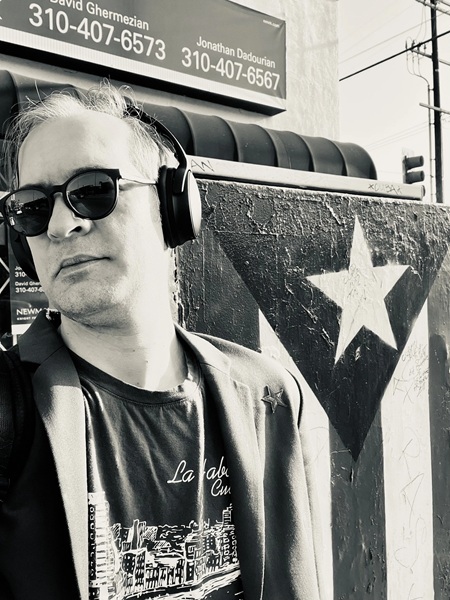
Musical director Erim Kardes
This is music director for Los Calicubanos Erim Kardes

Erim has been in California for the last 25 years and also traveled twice to Cuba, which led him to discover rhythms that fascinated him and changed his perspective on music completely. Therefore, he decided to combine “California” with “Cuba” because of the mix he wanted to make as a result of the music he discovered in both places.

Upcoming events

Los Calicubanos do not have any tours scheduled at this time, but they do have many important performances, such as the LA Jazz Festival, concerts at restaurants, and a few private events.

As for new releases, they are currently writing completely original music and making new arrangements, but they want to have a fair amount of material ready before entering the studio to record.

Read also: Puerto Rican Trombonist and percussionist Arturo Vazquez Jr. from Projecto 7 Salsa & Latin Jazz Band


Latin America / August 2026

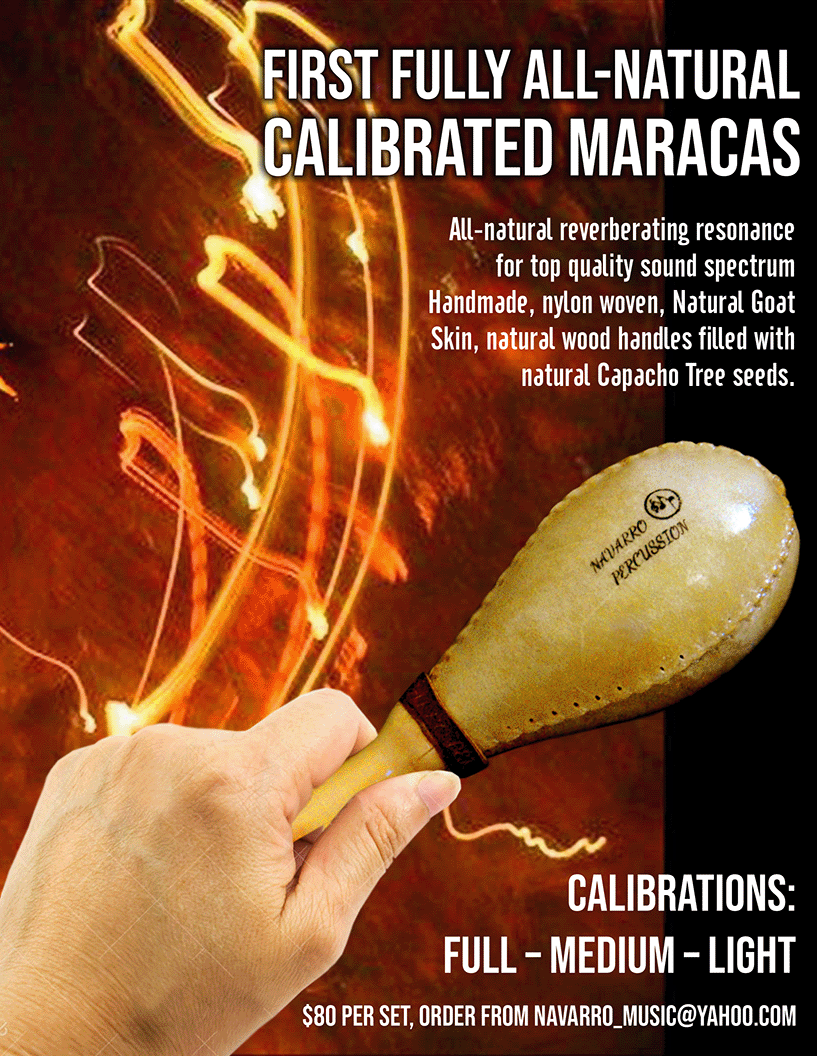
Felipe Pirela The Immortal Voice of "The Bolero Singer of the Americas"Bella MartinezCalibrated maracas

DIRECTORY OF NIGHTCLUBS

Argentina flag
ARGENTINA

Aruba circular flag
ARUBA

Belize circular flag
BELIZE

Bolivia circular flag
BOLIVIA

Brazil flag
BRAZIL

Chile circular flag
CHILE

Colombia
COLOMBIA

Costa Rica circular flag
COSTA RICA

Cuba circular flag
CUBA

Dominican Republic
DOMINICAN REPUBLIC

Ecuador circular flag
ECUADOR

Guatenala circular flag
GUATEMALA

Mexico Circular flag
MEXICO

Panama circular flag
PANAMA

Peru circular flag
PERU

Puerto Rico circular flag
PUERTO RICO

Venezuela circular flag
VENEZUELA


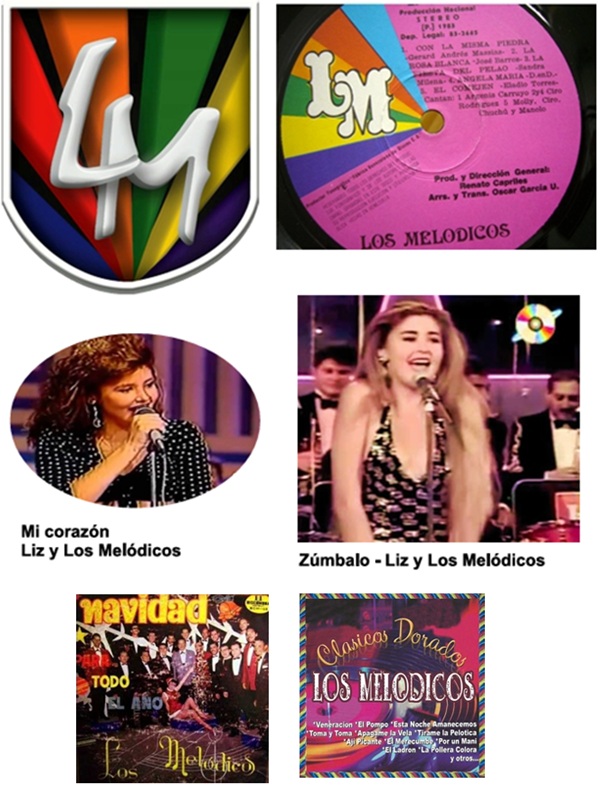
Los Melódicos

Latinoamerica / Venezuela / Caracas

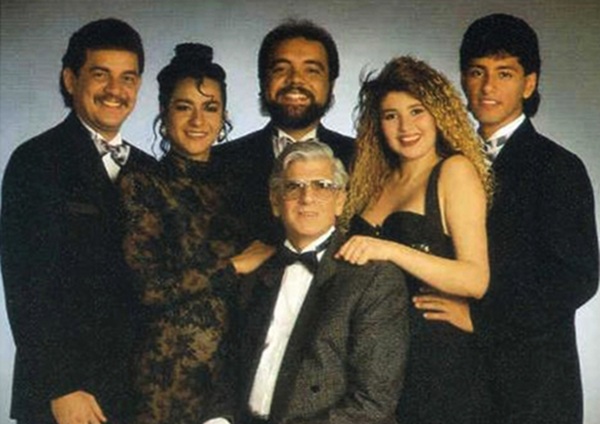
Among Venezuela’s most famous orchestras are Los Melódicos and Billo’s Caracas Boys; here, we focus on Los Melódicos, a Venezuelan dance orchestra founded on July 15, 1958, by musical director Renato Capriles (who passed away in 2014)—with the support of bandleader Billo Frómeta—in response to the temporary dissolution of the Billo’s Caracas Boys orchestra.

Los Melódicos
Los Melódicos

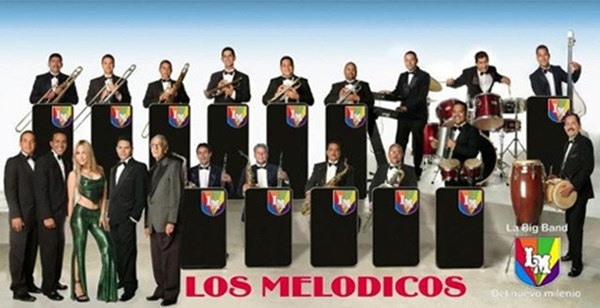
Los Melódicos are composed of: 4 saxophones, 3 trombones, 3 trumpets, a 5-piece rhythm section (piano, bass, drums, and minor percussion), 4 vocalists (always including a female singer), and their conductor—totaling 20 artists on stage.

Their slogan is “THE ORCHESTRA THAT SETS THE RHYTHM IN VENEZUELA,” though abroad they are also known as “LATIN AMERICA’S MOST COMPLETE ORCHESTRA,” “THE ORCHESTRA OF EVERY RHYTHM,” and “THE GIANT ORCHESTRA OF THE AMERICAS,” among other titles.

They are also the only Latin orchestra boasting such an extensive repertoire spanning a wide range of musical trends and styles, including salsa and merengue.

Their versatility is such that, during any given set, one might hear songs in Spanish, English, French, or Italian, alongside the latest popular rhythms—whether tropical, Anglo-American, classical, or modern—in all their variations.

Los Melódicos - Photo
Los Melódicos – Photo

Beyond the impeccable live performances delivered by each member, the group puts on a true “show,” compelling the audience to stop dancing and form a massive semicircle in front of the stage, while actively interacting with the band throughout the performance.

Los Melódicos have garnered the most prestigious awards both within and outside Venezuela, remaining the premier musical choice for major public and private events year after year. It would be an endless task to list the awards and accolades they proudly cherish—bestowed by various entities in countries such as Ecuador, Peru, Colombia, Costa Rica, El Salvador, Curaçao, and Aruba, as well as in U.S. cities with significant Latino communities (such as Miami, Orlando, San Francisco, Los Angeles, Chicago, Boston, Tampa, Houston, Philadelphia, and—notably—New York). They continue to travel to New York to perform at top venues like the New York Hilton Hotel, where their twice-yearly dances became a must-attend, highly successful event in that major global entertainment hub.

With a history spanning over 50 years, LOS MELÓDICOS boasts a discography of more than 100 albums—a milestone unmatched by any other dance orchestra in the Americas—including the following:

Hits Songs
The 1960s ·       Caballito Relinchón

·       El Ladrón

·       El Misterio

·       Veneración

·       El pastorcillo

The 1970s ·       Cayetano baila

·       Guitarra española

·       Apágame la vela

·       Al que le pique

·       Dejen de averiguá

The 1980s ·       Papachongo

·       Mi Cocha Pechocha

·       La Fiesta

·       Hot Music ¡Oh, mañana!

·       Tú (éxito original de Juan Luis Guerra)

·       Ulé-ulé

·       Fernanda

·       Mi cacerola

·       Traca que traca

The 1990s ·       Por ti amor

·       ¡Qué rico!

·       Diávolo

·       ¡Ay, Amor!

·       Sal y Menta

·       Mi locura

·       Amiga

·       No necesito más

·       Zúmbalo

·       Mi corazón

·       Amanecer

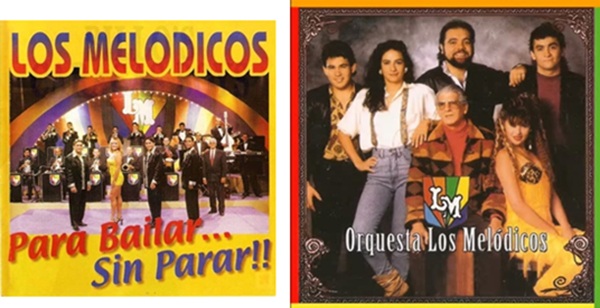
Los Melódicos CDs
Los Melódicos CDs

Los Melódicos Discography

  1. These Are Los Melódicos (1959)
  2. Fabulous Dance Hits (1963)
  3. Buy the Orchestra (1964)
  4. Great Musical Reserve (1965)
  5. The Most Complete Lineup (1966)
  6. The Orchestra of Hits (1969)
  7. The One and Only (1969)
  8. Guayabo a la Ye (1970)
  9. Catch It by the Tail (1970)
  10. The Los Melódicos Club (1972 – Discomoda)
  11. With All the Works (1974 – LM-Discomoda)
  12. In Action with Los Melódicos (1974)
  13. The Tempting Flavor (1975 LM-Discomoda)
  14. Heavy (1975 LM-Discomoda)
  15. For Whoever It Itches (1976 LM-Discomoda)
  16. Los Melódicos (1977 LM-Discomoda)
  17. And How Are You? (1977)
  18. 40 Years of Hits (with Manolo Monterrey) (1978 – LM-Discomoda)
  19. The Swing of Los Melódicos (1979)
  20. Party Night (1970)
  21. Memories 17 (1971)
  22. Congratulations (1972)
  23. I Had My Coffee Plantation (1980)
    1. Lyrics and music by the Colombian
    2. Álvaro Serrano Calderon
  24. The Musical Emblem of Venezuela (1980)
  25. Welcome (1981)
  26. Tonight (1981)
  27. We Are Sensational! (1982)
  28. The Sheikh (1982 LM-Discomoda)
  29. With Flavor! (1983)
  30. Oh! Tahiti (1984)
  31. Dismelódicos ’85 (1984 LM-Discomoda)
  32. Cada Día Mejor (1985)
  33. Es otra cosa! (1986)
  34. Juntos Los Grandes del Baile
    1. (With Billo’s, Side A)
    2. (1986 Velvet-Sonográfica)
  35. De Nuevo Juntos Los Grandes del Baile
    1. (With Billo’s, Side A) (1988 Velvet-Sonográfica)
  36. Diferentes (1989 – Velvet-Rodven)
  37. Líderes (1990 – Velvet-Rodven)
  38. La Orquesta que impresa el ritmo en América (1991 – Velvet-Rodven)
  39. Melódicos Club Mix (1991 – Velvet-Rodven)
  40. Internacional (1992 – Velvet-Rodven)
  41. Melódicos Club Mix Two (1993 – Velvet-Rodven)
  42. Innovating (1994)
  43. Incomparable (1995)
  44. Los Melódicos Hits Together (1998)
  45. To Dance Non-Stop (1999)
  46. The Boys With The Girls (2000)
  47. Los Melódicos Vs Billos (2002)
  48. Number 100 for the World (2004)
  49. Los Melódicos With Diveana (2005)
  50. These Are The Singers (2009)
  51. Micaela (2010)
  52. Tonight We’ll Wake Up Partying (2011)
  53. My Cumbia (2012)
  54. They Return With The Best And The Newest (2012)
  55. The Melódicos Renato Caprilles (2013)
  56. Christmas with Los Melódicos (2014)
  57. Golden Era (2015)
  58. Golden Classics (2016)
2- Los Melódicos CDs

Mambo City 5 Star Congress

Europe / United Kingdom / London
28 Apr 2017 – 01 May 2017
Photo 1: Mambo City 5 Star Congress

Mambo City was founded by Robert and Jean White in August 1999, they both started dancing Salsa in 1992 and gained seven years of dance experience in Colombian, Cuban and Cross body Style Salsa before going on to teach, they quickly established themselves as teachers, promoters and gained a reputation for running great events.

They were introduced to ‘cross-body’ Salsa by Pedro Gomez, a Puerto Rican Instructor based in Italy. This lead them to go on to take classes with many famous US proponents of that style including Eddie Torres, Nelson Flores, Tomas Guerrero, Frankie Martinez and Delille Thomas. Classes with these instructors lead them to promote workshops in the UK and the production of the inspirational video in 2001, “MamboCity Presents SantoRico”. This was instrumental in inspiring a generation of dancers from the early 2000’s, helping to shape cross body dancing in the UK and further afield.

Photo 2: Mambo City 5 Star Congress

The London 5 Star Salsa Congress

In 2003, they started their International festival, The London 5 Star Salsa Congress, currently the longest running Congress in the UK, since establishing this Festival they have gone on to collaborate with other promoters and dancers in organizing events around the UK and abroad and continue to work regularly with international performers, Instructors, bands and Djs.

Both Robert and Jean teach at Mambo City venues and Robert also DJs (as Cruz and Bobby Blanco). He has a diverse musical background and is a former session musician who has played Reggae and R&B on a semi-professional basis.

Photo 3: Mambo City 5 Star Congress

Come and experience 2 Days of Dance Workshops catering for all levels, from absolute Beginners to Advanced, in various dance styles: Cuban Son, Afro Cuban, Rumba, Cha Cha Cha, Cross Body Style Salsa “On1?, New York Style Mambo “On2?

  • Address: Radisson Blu Edwardian, Heathrow Airport, 140 Bath Road, Hayes, Middlesex, UB3 5AW, England
  • Phone: +44 (0)7050 696 480
  • Location: UK
  • Email: [email protected]
Photo 4: Mambo City 5 Star Congress

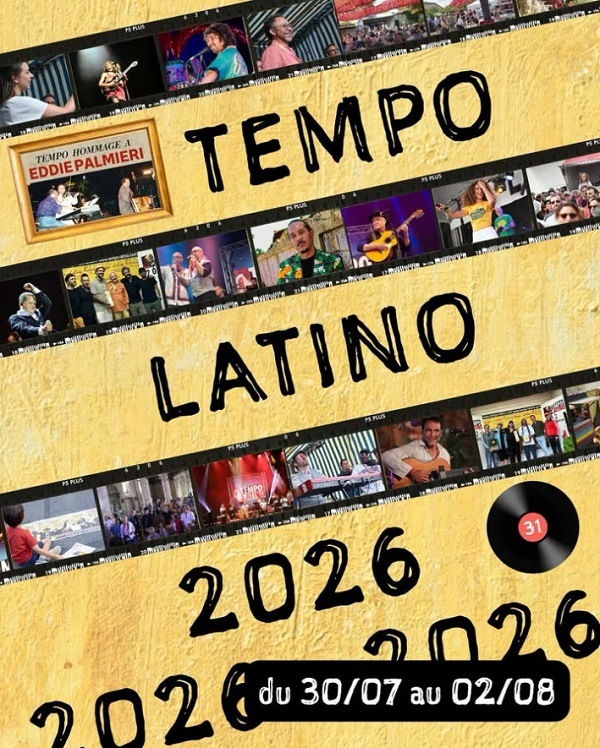
Enjoy the Tempo Latino 31st edition with the best of Latin music in Europe

That has been a very long year waiting a new edition of the biggest Latin music event in Europe! This July, fans of our music will finally be able to enjoy the 31st edition of Tempo Latino, which is one of the largest international festivals of Afro-Cuban, Afro-Caribbean, and Latin music. During the four days of the festival, the audience can enjoy the best of salsa, Latin jazz, mambo, timba, and fused rhythms every year.

This festival is usually held in the small village of Vic-Fezensac in southwestern France, since 1994, which is when its first edition took place. Nowadays, the event is typically held during the last days of July and the first days of August. 

Tempo Latino 2026
One of the arts for Tempo Latino 2026

A little of the history of Tempo Latino

As mentioned previously, the festival began, and is still held, in Vic-Fezensac, a small village of around 3,700 inhabitants located in the Gers, which is well known for its bullfighting tradition. This association was founded in 1993 by music lover and Latin music DJ Eric Duffau, an artist who sought a different alternative to traditional commercial communities and aimed to bring traditional musical roots to the heart of Europe.

The first edition, which took place in the summer of 1994, aimed to transform the small French village into the mecca of salsa, Cuban son, and Afro-Latin jazz for four days a year.

An initiative that began as a small project has grown into one of the biggest salsa festivals of the world, which already enjoys the support of 500 local volunteers who organize into neighborhoods and homes. To this day, Tempo Latino has achieved a perfect balance between an ambitious production and a local and friendly atmosphere. It should also be stressed that it has been held on a regular basis since 1994, except for 2020 and 2021 due to the COVID-19 pandemic.

Evolution and golden age

The festival expanded so much thanks to its authenticity and freshness that it has come to be known as “The One” and has established itself as a mandatory stop for the greatest Latin music glories, including Celia Cruz, Eddie Palmieri, Rubén Blades, Willie Colón, Tito Puente, Los Van Van, El Gran Combo de Puerto Rico, La Sonora Ponceña, Oscar D’León, Cheo Feliciano, Ismael Miranda, Johnny Pacheco, and many others.

Maite Hontelé Y La Novia

Similarly, since its foundation, the festival has also served as a springboard for new musical talent, including solo artists and groups performing salsa brava, Latin hip-hop, Afro-Cuban funk, and other genres from places such as Cuba, Colombia, Venezuela, Puerto Rico, and New York. 

Activities beyond the concerts

Tempo Latino has come to a point where it is no limited only to stage performances, which are still the main attractions for attendees. They also offer dance workshops, which are designed for both amateurs and professional dancers interested in learning more about the roots and evolution of Latin rhythms.

Similarly, the festival also offers music and percussion workshops, introducing both amateur and professional musicians to important topics such as the clave, rhythm, and a bit of the history of Latin and Afro-Cuban music. In the case of percussion workshops, instructors teach students how to play the congas, timbales, bongos, and campana. As for wind instruments and musical combos, classes are given in trombone, trumpet, and saxophone.

We also cannot fail to mention the international market, where attendees can buy all sorts of things from our countries, such as instruments, clothing, traditional cuisine, handicrafts, souvenirs, and more.

Orquesta Akokan, which is going to perform in this edition

Stages and structuring of the festival

Another of the great attractions of Tempo Latino is its “geo-rhythmic” network of locations, where you can find both concerts and peripheral activities that can be enjoyed simultaneously. Below are some of those that will be available for the 2026 edition:

  • Tempo Arena: This stage is located in the Vic-Fezensac bullring, known for its open acoustics and intense energy every night of the festival. Among the top artists that will perform there are Maïté Hontelé Y La Novia, Orquesta Akokán (Friday, July 31), Matt Bianco, Rogê (Saturday, August 1), Alfredo Rodríguez, and Tony Succar (Sunday, August 2).
  • La Conga (Tempo Social Club): This other stage is also very popular because it has a beachy vibe with real sand and operates from early morning until late into the night. As for the artists who will be performing, we can mention the queen of Argentine electronic cumbia, La Yegros, DJ Çarava, and DJ Lafuriosa.
  • Camp Tempo: This open-air format is packed every year with new musical proposals, alternative fusions, brass bands, and street groups that give life to the village during the day. In the 2026 edition, some of the alternative bands will include Chicos y Méndez, Chicharrón, Pixvae, and Aguanomas. 
  • Saint-Pierre Church: This venue is solely and exclusively reserved to small, intimate acoustic concerts where, as a general rule, only pianists and Latin jazz artists perform in the festival’s most solemn format.

Read also: How Artificial Intelligence changed the music biz forever

  • « Go to Previous Page
  • Page 1
  • Interim pages omitted …
  • Page 3
  • Page 4
  • Page 5
  • Page 6
  • Page 7
  • Interim pages omitted …
  • Page 78
  • Go to Next Page »

International Salsa Magazine (ISM) is a monthly publication covering salsa activities around the world and has been publishing since 2007. It is a worldwide network of volunteers coordinated by ISM Magazine. Together, we work to strengthen salsa events around the world.