• Skip to primary navigation
  • Skip to main content

International Salsa Magazine

  • HOME
  • Previous editions
    • 2026
      • ISM / September 2026
      • ISM / August 2026
      • ISM / July 2026
      • ISM / June 2026
      • ISM / May 2026
      • ISM / April 2026
      • ISM / March 2026
      • ISM / February 2026
      • ISM / January 2026
    • 2025
      • ISM / December 2025
      • ISM / November 2025
      • ISM / October 2025
      • ISM / September 2025
      • ISM / August 2025
      • ISM / July 2025
      • ISM / June 2025
      • ISM / May2025
      • ISM / April 2025
      • ISM / March 2025
      • ISM / February 2025
      • ISM / January 2025
    • 2024
      • ISM / December 2024
      • ISM / November 2024
      • ISM / October 2024
      • ISM / September 2024
      • ISM / August 2024
      • ISM / July 2024
      • ISM / June 2024
      • ISM / May 2024
      • ISM / April 2024
      • ISM / March 2024
      • ISM / February 2024
      • ISM / January 2024
    • 2023
      • ISM / December 2023
      • ISM / November 2023
      • ISM / October 2023
      • ISM – September 2023
      • ISM – August 2023
      • ISM July 2023
      • ISM Edition June 2023
      • ISM – May 2023
      • ISM April 2023
      • ISM March 2023
      • ISM February 2023
      • ISM January 2023
    • 2022
      • ISM December 2022
      • ISM November 2022
      • ISM October 2022
      • ISM September 2022
      • ISM August 2022
      • ISM July 2022
      • ISM June 2022
      • ISM May 2022
      • ISM February 2022
      • ISM January 2022
    • 2021
      • ISM December 2021
      • ISM November 2021
      • ISM October – 2021
      • ISM September 2021
      • ISM August 2021
      • ISM July 2021
      • ISM May 2021
      • ISM April 2021
      • ISM June 2021
      • ISM March 2021
      • ISM February 2021
      • ISM January 2021
    • 2020
      • ISM December 2020
      • ISM November 2020
      • ISM October 2020
      • ISM September 2020
      • ISM August 2020
      • ISM July 2020
      • ISM June 2020
      • ISM May 2020
      • ISM April 2020
      • ISM March 2020
      • ISM February 2020
      • ISM January 2020
    • 2019
      • ISM December 2019
      • ISM November 2019
      • ISM October 2019
      • ISM Septembre 2019
      • ISM August 2019
      • ISM July 2019
      • ISM June 2019
      • ISM May 2019
      • ISM April 2019
      • ISM March 2019
      • ISM February 2019
      • ISM January 2019
    • 2018
      • ISM December 2018
      • ISM November 2018
      • ISM October 2018
      • ISM September 2018
      • ISM August 2018
      • ISM July 2018
      • ISM June 2018
      • ISM May 2018
      • ISM April 2018
      • ISM March 2018
      • ISM February 2018
      • ISM January 2018
    • 2017
      • ISM December 2017
      • ISM November 2017
      • ISM October 2017
      • ISM September 2017
      • ISM August 2017
      • ISM July 2017
      • ISM June 2017
      • ISM May 2017
      • ISM April 2017
      • ISM March 2017
      • ISM February 2017
      • ISM January 2017
    • 2016
      • ISM December 2016
      • ISM November 2016
      • ISM October 2016
      • ISM September 2016
      • ISM August 2016
  • Spanish
  • Download Salsa App
    • Android
    • Apple

Latin America

Percussion Design: Giovanni Hidalgo “Mañenguito” Revolution on the Congas

“A technical and historical analysis of the virtuosity, timbral hybridization, and legacy of one of the most influential percussionists in jazz and global Latin music.”

The Heir to “Mañengue”

Giovanni Hidalgo, born in San Juan, Puerto Rico, in 1963, is universally considered one of the most virtuous and innovative percussionists of all time.
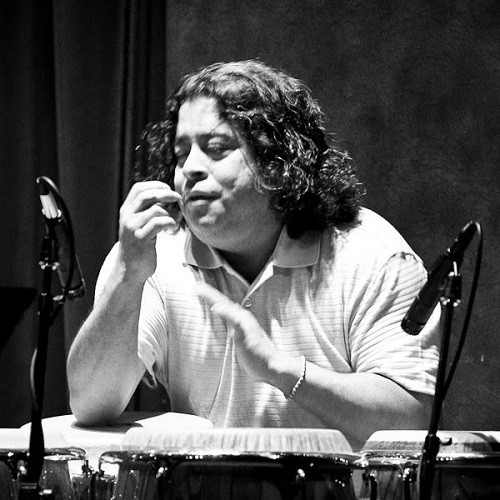
Hidalgo uno de los percusionistas más influyentes del jazz

Affectionately known as “Mañenguito” because he is the son of legendary percussionist José “Mañengue” Hidalgo, he grew up in an environment where Afro-Caribbean rhythms were not only heard, but formed an everyday language.

Unlike many percussionists of his generation, Hidalgo’s training combined the rigor of empirical street-level learning with a methodical study of sight-reading (solfège) and formal technique.

From his early years, he displayed hand independence and speed that would redefine the global standard of conga (tumbadora) playing.

Technical Innovation: Rudiments Translated to the Conga

Giovanni Hidalgo’s major revolution within the percussion landscape lies in his adaptation of classic drum set rudiments to the congas.

Traditionally, conga execution relied on structured rhythmic patterns built around open tones, slaps, muted tones, and the heel-toe movement (marcha).

Hidalgo elevated this technique to an entirely new level:

  • Hand and Finger Independence: He developed finger and wrist speed capable of replicating five-stroke rolls, flams, paradiddles, and ruffs at blistering speeds on the drumheads.
  • Expanding the Set: He popularized the use of 4-, 5-, and up to 6-conga setups tuned melodically, transforming percussion into a harmonic and melodic instrument within the ensemble.
  • Multilimb Polyrhythm: The ability to maintain independent clave lines while improvising melodic solos of high mathematical complexity.

Musical Career and Key Collaborations:
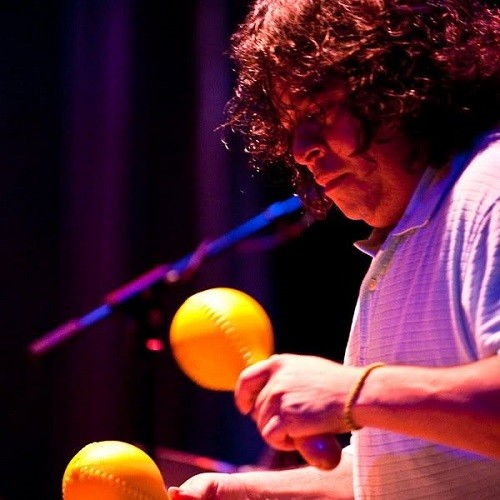
Hidalgo combinó el rigor del aprendizaje empírico de la calle con un estudio metódico del solfeo y la técnica formal

“Mañenguito’s” career is defined by his ability to effortlessly transition between salsa dura, Latin jazz, Puerto Rican folk music, and world music.

Career Highlights:

  • Batacumbele: In the 1980s, alongside musicians like Ángel “Cuqui” Santos and Dave Valentín, Hidalgo was part of the legendary group Batacumbele. The band revolutionized Caribbean music by integrating elements of Cuban songo with bomba, plena, and jazz.

  • Dizzy Gillespie and the United Nation Orchestra: At age 25, he was recruited by bebop icon Dizzy Gillespie. This era catapulted him onto the international jazz stage, performing at the world’s most prestigious festivals.

  • Planet Drum: His collaboration with Mickey Hart (drummer for the Grateful Dead), Zakir Hussain, and other international percussion masters culminated in the Planet Drum project, which won the first-ever Grammy Award for Best World Music Album (1991).

  • Trio with Michel Camilo: His recordings and live performances alongside Dominican pianist Michel Camilo and bassist Anthony Jackson represent one of the pinnacles of contemporary Latin jazz due to the level of energy and technical precision executed.

  • Eddie Palmieri: The union of Giovanni Hidalgo and Eddie Palmieri stands as one of the most explosive and revolutionary partnerships in the history of Latin jazz and Afro-Caribbean music. When Hidalgo’s technical virtuosity and speed on the congas met Palmieri’s aggressive, dissonant, and orchestral piano style, the result forever transformed contemporary percussion.
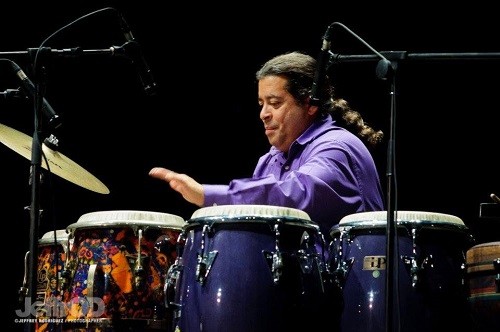
    El Diseño de la Percusión La Revolución de Giovanni Hidalgo Mañenguito en las Congas

The Clash of Two Worlds (Late ’80s)

In the mid-1980s, Eddie Palmieri already a living legend for his innovations with La Perfecta and his salsa dura and Latin jazz productions brought the young Puerto Rican Giovanni Hidalgo into his group.

  • The Impact: Hidalgo introduced a revolutionary language to the ensemble by adapting drumstick techniques to open-hand playing.
  • The Synergy: In Giovanni, Palmieri found a percussionist capable of matching the power, polyrhythmic complexity, and harmonic tension he delivered from the piano.
  • Highlights: The solidity of Giovanni’s conga work on tracks like “La Libertad / Comparsa” launched Hidalgo onto the international stage as the most influential conguero of his generation.
  • The Innovation: Giovanni Hidalgo led the rhythm section with solos that defied the physics of conga playing through sheer speed, subtle dynamics, and refined tuning adjustments.
  • Impact: Giovanni served as a generational bridge between the established masters of the Palladium era and the technical avant-garde of the new millennium.
  • Award: The album Listen Here! won the Grammy Award for Best Latin Jazz Album in 2006, crowning a golden era of collaborations.

In May 2010, Hidalgo was awarded an Honorary Doctorate of Music from Berklee College of Music and is widely considered one of the leading Latin percussionists in the world today.

Tito Puente (“The King of Timbales”) and Giovanni Hidalgo (“Mañenguito”) represent one of the most powerful intergenerational encounters in the history of Latin music. Puente adopted Giovanni not only as his principal conga player during several key periods, but also as a virtuoso soloist capable of matching his speed, precision, and stage presence.

Golden Latin Jazz Giants and International Projects, among others.

Fania and Latin Jazz Supergroups: Alongside Puente, Giovanni was part of various “All-Star” ensembles that toured the most important jazz festivals in Europe and Japan (such as the North Sea Jazz Festival and Montreux).

The Generational Bridge: Puente represented the golden age of the Palladium Ballroom in New York, while Giovanni contributed the technical avant-garde of the new millennium. This synergy kept Puente’s music relevant to new generations of percussion students.
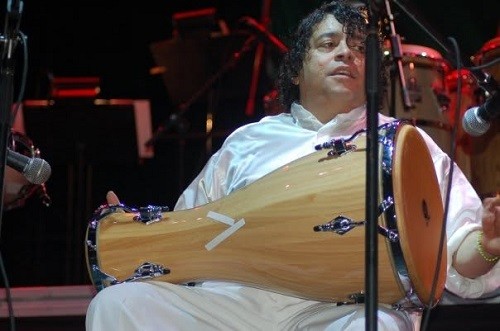
Conocido afectuosamente como Mañenguito

Comparative Chart: Hidalgo’s Contributions to Percussion:

Technical Dimension Traditional Execution (Pre-Hidalgo) Giovanni Hidalgo’s Innovation
Finger/Hand Use Based on wrist and hand weight Individualized finger control for extreme articulation and speed
Setup Configuration 1 to 3 congas in a primary rhythmic pattern 4 to 6 congas tuned melodically in intervals
Rhythmic Vocabulary Afro-Cuban claves and regional patterns Integration of marching rudiments, bebop, and Indian polyrhythms

 Conclusion and Resilience

Giovanni Hidalgo did not merely alter the physics of playing the conga he expanded the creative boundaries of the instrument itself.

Despite the health challenges he has faced over the years, including complications from diabetes that affected his hands, his dedication and technical adaptability have demonstrated the strength of his musical spirit.
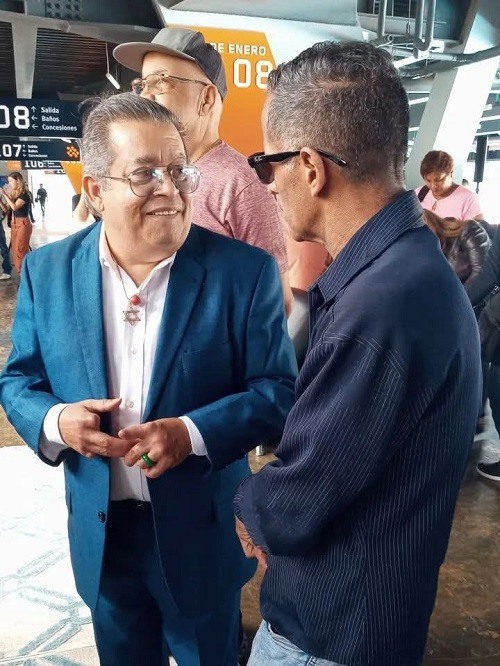
Entrevista a Giovanni Hidalgo por Dj. Augusto Felibertt

His legacy extends far beyond his recordings: “Mañenguito” taught the world that the conga is not just an accompanying rhythmic instrument, but a solo voice with infinite melodic, dynamic, and expressive possibilities.

Also Read: Learn to Play Percussion with Giovanni “Mañenguito” Hidalgo
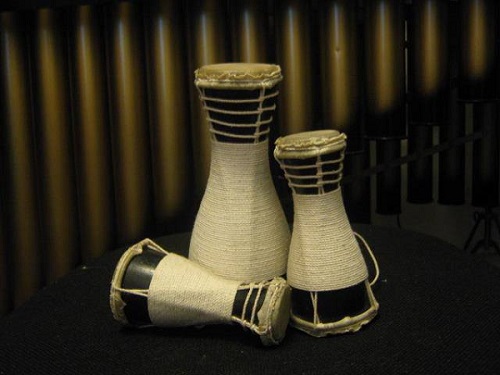
Añá The Divine Voice of the Batá Drums and Their Ancestral Heartbeat

In the vast universe of Afro-Cuban spirituality and Yoruba tradition, batá drums are not merely musical instruments: they are living, consecrated entities.

Tambores Añá La Voz Divina de los Batá y su Latido AncestralTambores Añá La Voz Divina de los Batá y su Latido Ancestral

The soul that resides within these sacred drums is known as Añá (or Aña), the deity (orisha) of divine sound and primordial vibration. To speak of the Añá drums is to enter a direct channel of communication between the earthly realm and the spiritual world.

Origin: The Secret Born in Yoruba Land

The presence of Añá dates back to the ancient Yoruba Empire (in present-day Nigeria and Benin). In Yoruba mythology, the deity Añá represents the divine voice and breath through which Olodumare (the Creator) ordered the cosmos.

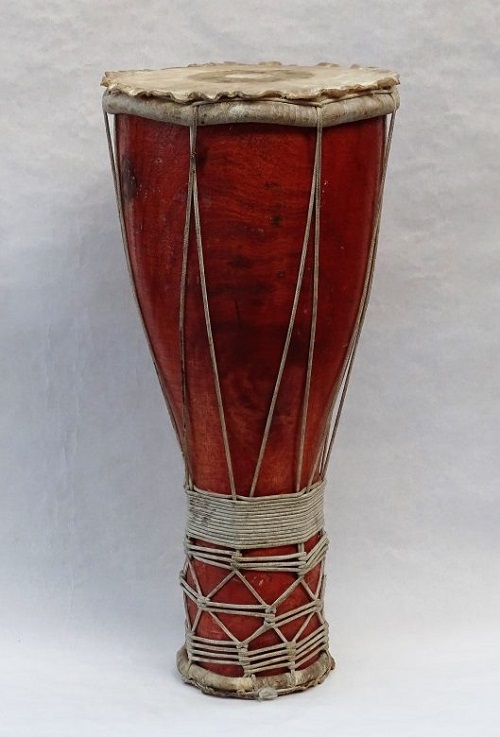
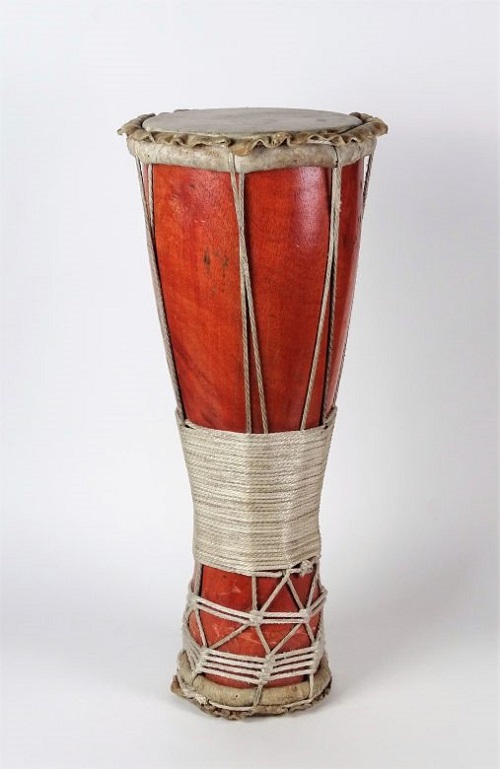
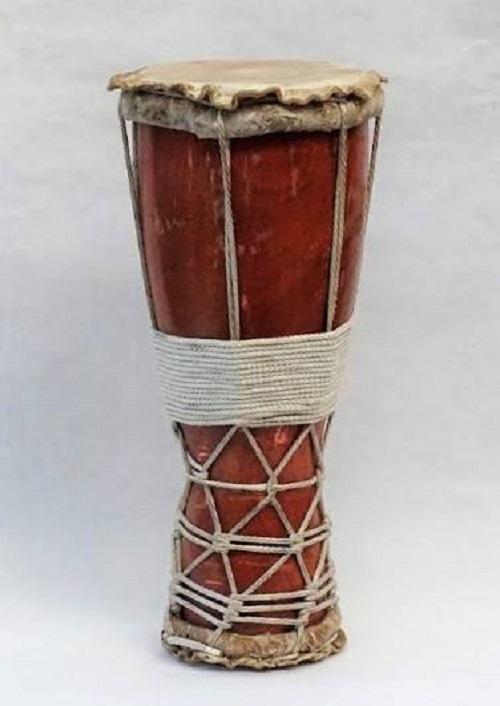
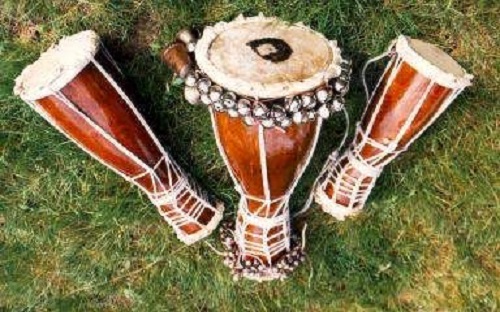
To encapsulate this force, a sacramental trio of hourglass-shaped, hand-carved wooden drums was structured:

Iyá: The mother drum, lowest in pitch, responsible for leading the liturgy and performing improvisations.

Iyá El tambor madre
Iyá El tambor madre

Itótele: The medium drum, which engages in a direct dialogue with the Iyá.

Itótele El tambor mediano

Okónkolo: The smallest drum, responsible for holding down the rhythmic foundation.

Okónkolo El más pequeño

Consecrating a set of batá drums with the fundamento (sacred core) of Añá requires strict liturgical rites involving sacred botany (omiero), prayers, and offerings so that the deity takes permanent residence within the wood. Only sworn priests, known as Omo Añá or Oluwos Batá, are authorized to play these sacred instruments.

Evolution: The Transatlantic Journey and the Cuban Flourishing

Through the transatlantic slave trade during the colonial era, Yoruba scholars arrived in the Caribbean primarily in Cuba under the Lucumí designation. Despite the oppressive conditions, practitioners fiercely preserved the secret of Añá.

Toward the second half of the 19th century, in the town of Guanabacoa (Havana), the first set of Añá drums consecrated on American soil was consecrated and baptized. In this new sociocultural environment, the ancestral rhythms remained intact within the liturgy of Regla de Ocha (Santería).

The drumming patterns evolved into a complex system of tonal languages where the drum does not merely accompany, but speaks to and summons each orisha through specific rhythmic phrasing.

Significance: A Tonal Language Between Humanity and Orishas

The importance of the Añá drums lies in their mystical function: they serve as the sacred bridge that harmonizes the Ori (an individual’s head and destiny) with the deities and ancestors.

In Lucumí cosmogony, Añá’s vibration possesses the power to alter the state of consciousness of the initiated, facilitating spiritual trance or possession through which the deity descends to earth.

“Añá does not play to entertain the human ear, but to summon the spirit and maintain cosmic balance through sound.”

Furthermore, on a musical level, it represents one of the most complex rhythmic legacies on the planet. Its polyrhythmic technique has had an immeasurable influence on the development of Afro-Cuban music, Latin jazz, and salsa.

Present Day: Preservation of Faith and Global Expansion

Today, the Añá tradition experiences a dual phenomenon: the rigorous preservation of its rituals and a remarkable global expansion.

Although the secrets required to consecrate a legitimate Añá remain closely guarded under strict priestly discretion, Santería worship and admiration for batá percussion have transcended the borders of Cuba and Nigeria.

Today, there are consecrated Añá drum sets established by babalawos and Omo Añá in countries such as the United States, Venezuela, Mexico, Spain, and Puerto Rico.

Los Tamborea Bata son entidades vivas y consagradas

While non-sacred batá drums (known as aberikuló, which do not carry the secret of Añá) are used freely on secular stages, true Añá drums remain reserved exclusively for private ceremonies, keeping alive the voice of an ancient deity.

To visually understand how the drum’s sound articulates the liturgical call within the tradition, check out the resource “The Function of Añá Within Batá Drums.”


Also Read: Pancho Quinto Is Considered One of Cuba’s Great Rumberos

International Salsa Magazine Recommends:

Añá Loógúnsi Fundamento Drum

The Antaños del Stadium: Echoes, Memory, and Rhythm of Cañonera Caracas

From the Baseball Diamond to Venezuela’s Musical HeartVenezuelan popular music preserves one of the most cherished and iconic pillars of its urban identity: Los Antaños del Stadium.


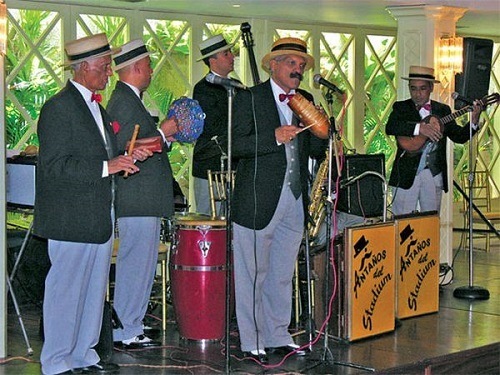
Los Antaños del Estadio Ecos Memoria y Ritmo de la Caracas Cañonera

Emerging in the mid-20th century, this ensemble not only rescued the musical traditions of early 20th-century Caracas, but also transformed merengue caraqueño, guasa, and pasodoble into a living bridge between the city’s colonial past and the nation’s modernity.

Origins: Born on the Baseball Field

The group’s history dates back to 1946, when musician and athlete Jacobo Espinoza decided to assemble a group of instrumentalists to liven up baseball games at the former San Agustín Stadium home to the legendary Cervecería Caracas team.

It was in that setting, where a passion for sports met a festive atmosphere, that the group was born under its original name: Los Cañoneros del Estadio.

Notas Nacidas en el Campo de Juego

The ensemble adopted the aesthetic and sound of the old cañonero bands, which swept through the streets, plazas, and dance halls (mabilas) of Caracas in the early 20th century, announcing local festivities to the beat of the bass drum, cymbals, saxophone, and snare drum.

What began as an initiative to entertain fans in the stands took deep root in Venezuelan popular culture.

Evolution: Consolidating the Cañonero Sound

Over the decades, the group expanded from sports stadiums to radio airwaves, television, and studio recordings. Under the musical direction of the distinguished saxophonist Aníbal Escobar who defined the group’s signature melodic style for over 50 years—and the leadership of Jacobo Espinoza, the ensemble forged an unmistakable sound.

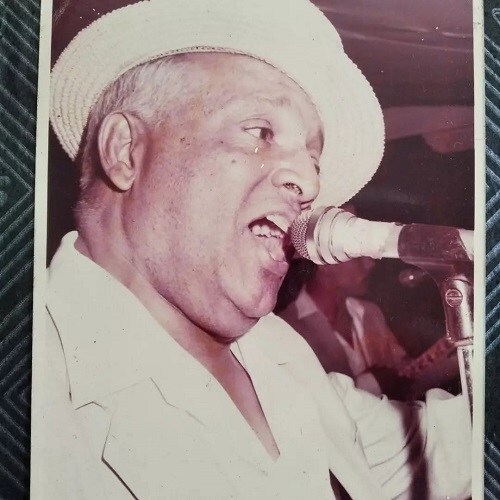
Jacobo Espinoza el ensamble definió un estilo inconfundible

Traditional genres that were at risk of fading into obscurity—such as merengue rucaneao (characterized by its infectious 5/8 time signature), the pasodoble criollo, guasa, polka, and waltz—found in Los Antaños del Stadium a vehicle for their preservation and renewal.

Following the founder’s passing, his children, Enrique and Nicol Espinoza, took over the reins, staying true to the iconic acoustic and instrumental format that defined the group.

Significance: Guardians of Venezuelan Heritage

The legacy of Los Antaños del Stadium lies in having immortalized the soundtrack of “The Caracas of the Red-Tile Roofs” (La Caracas de los Techos Rojos). With a discography spanning more than 20 albums, they immortalized essential pieces of the national songbook, such as “Carmen la que contaba 16 años,” “El Norte es una Quimera,” and “Alma Cumanesa.”

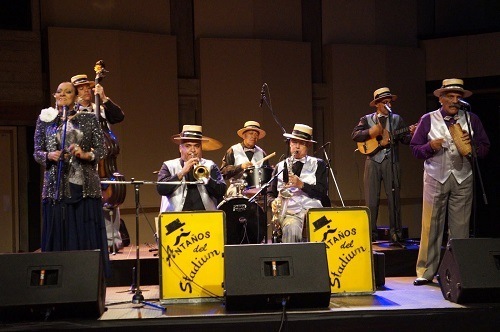
Antaños del Stadium llevan el sonido caraqueño al Centro Cultural BOD Escrito por Team Aliado Publicado 26 Jul 2019
Antaños del Stadium
llevan el sonido caraqueño al
Centro Cultural BOD
Escrito por Team Aliado
Publicado 26 Jul 2019

In 1996, marking a half-century of uninterrupted artistic work, the group was declared Musical Cultural Heritage of the City of Caracas.

Their legacy goes far beyond mere performance: they serve as a historical and methodological benchmark for all generations and música cañonera ensembles formed in Venezuela over recent decades.

Today: A Living Legend in the 21st Century

With over seven decades of continuous history, Los Antaños del Estadio remain active as one of the longest-running groups in Venezuelan music.

Although the urban landscape of Caracas has changed, the group continues to perform at festivals, cultural centers, and heritage events, proving that merengue caraqueño retains its vitality and festive charm.

.

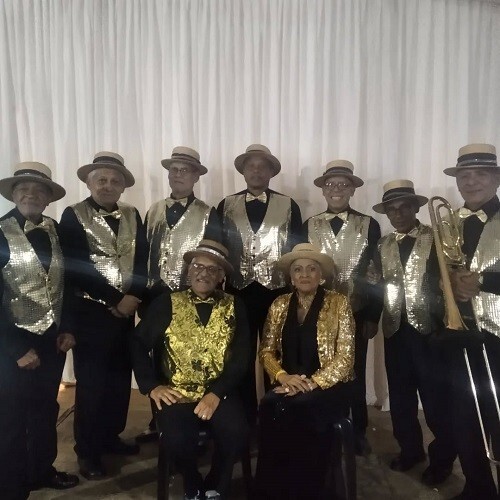
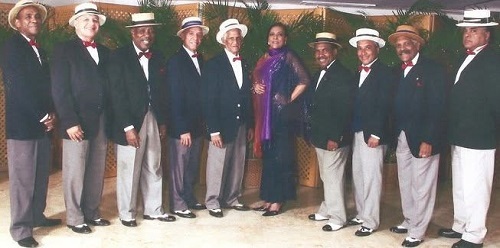
Antaños del Estadio
Antaños del Estadio

From left to right:

Rafael Escobar: Bajo

Prof. Carlos Espinoza: Bombardino

Maestro Aníbal Escobar: Saxofón y Director Musical

José Gregorio Ascanio, “Melao”: Tumbadora

Miguel La O Álvarez: Cantante

Sra. Nikol Espinoza Mata: Cantante

Juan Ramón Pedrón: Batería

Luis Alfredo Planas: Cuatro

Enrique Espinoza Mata: Cantante y Percusión

Andrés Romero, “Tapón”: Trompeta

Today, the Espinoza family’s legacy stands as a testament to cultural resilience and popular joy. Los Antaños del Stadium represent far more than mere nostalgia for the past; they are living proof that a city’s musical memory can remain vibrant, energetic, and resonant across generations.

This live performance of the group playing their classic merengue rucaneao perfectly showcases the style, festive energy, and traditional sound that have defined them throughout their long and storied career.

Also Read: Porfi Jiménez The Master of Rhythm Who United Two Nations

Los Melódicos

Latinoamerica / Venezuela / Caracas

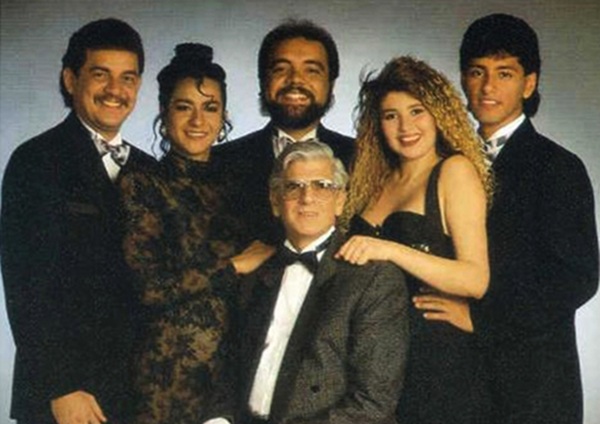
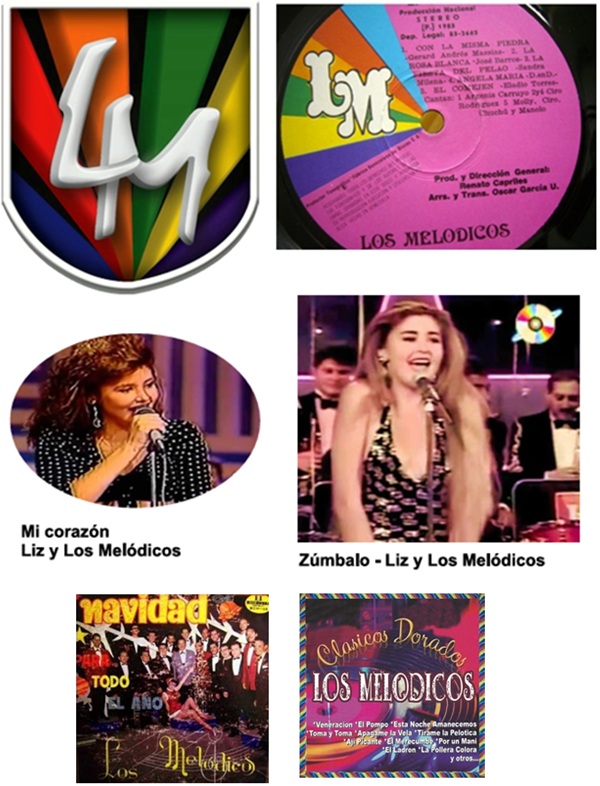
Among Venezuela’s most famous orchestras are Los Melódicos and Billo’s Caracas Boys; here, we focus on Los Melódicos, a Venezuelan dance orchestra founded on July 15, 1958, by musical director Renato Capriles (who passed away in 2014)—with the support of bandleader Billo Frómeta—in response to the temporary dissolution of the Billo’s Caracas Boys orchestra.

Los Melódicos
Los Melódicos

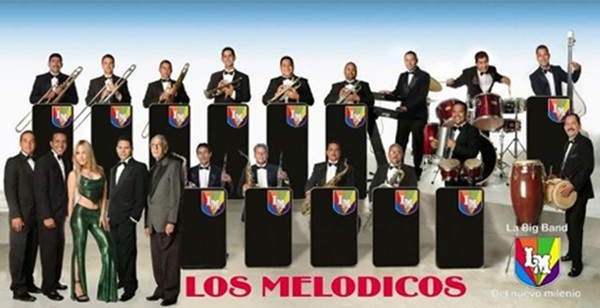
Los Melódicos are composed of: 4 saxophones, 3 trombones, 3 trumpets, a 5-piece rhythm section (piano, bass, drums, and minor percussion), 4 vocalists (always including a female singer), and their conductor—totaling 20 artists on stage.

Their slogan is “THE ORCHESTRA THAT SETS THE RHYTHM IN VENEZUELA,” though abroad they are also known as “LATIN AMERICA’S MOST COMPLETE ORCHESTRA,” “THE ORCHESTRA OF EVERY RHYTHM,” and “THE GIANT ORCHESTRA OF THE AMERICAS,” among other titles.

They are also the only Latin orchestra boasting such an extensive repertoire spanning a wide range of musical trends and styles, including salsa and merengue.

Their versatility is such that, during any given set, one might hear songs in Spanish, English, French, or Italian, alongside the latest popular rhythms—whether tropical, Anglo-American, classical, or modern—in all their variations.

Los Melódicos - Photo
Los Melódicos – Photo

Beyond the impeccable live performances delivered by each member, the group puts on a true “show,” compelling the audience to stop dancing and form a massive semicircle in front of the stage, while actively interacting with the band throughout the performance.

Los Melódicos have garnered the most prestigious awards both within and outside Venezuela, remaining the premier musical choice for major public and private events year after year. It would be an endless task to list the awards and accolades they proudly cherish—bestowed by various entities in countries such as Ecuador, Peru, Colombia, Costa Rica, El Salvador, Curaçao, and Aruba, as well as in U.S. cities with significant Latino communities (such as Miami, Orlando, San Francisco, Los Angeles, Chicago, Boston, Tampa, Houston, Philadelphia, and—notably—New York). They continue to travel to New York to perform at top venues like the New York Hilton Hotel, where their twice-yearly dances became a must-attend, highly successful event in that major global entertainment hub.

With a history spanning over 50 years, LOS MELÓDICOS boasts a discography of more than 100 albums—a milestone unmatched by any other dance orchestra in the Americas—including the following:

Hits Songs
The 1960s ·       Caballito Relinchón

·       El Ladrón

·       El Misterio

·       Veneración

·       El pastorcillo

The 1970s ·       Cayetano baila

·       Guitarra española

·       Apágame la vela

·       Al que le pique

·       Dejen de averiguá

The 1980s ·       Papachongo

·       Mi Cocha Pechocha

·       La Fiesta

·       Hot Music ¡Oh, mañana!

·       Tú (éxito original de Juan Luis Guerra)

·       Ulé-ulé

·       Fernanda

·       Mi cacerola

·       Traca que traca

The 1990s ·       Por ti amor

·       ¡Qué rico!

·       Diávolo

·       ¡Ay, Amor!

·       Sal y Menta

·       Mi locura

·       Amiga

·       No necesito más

·       Zúmbalo

·       Mi corazón

·       Amanecer

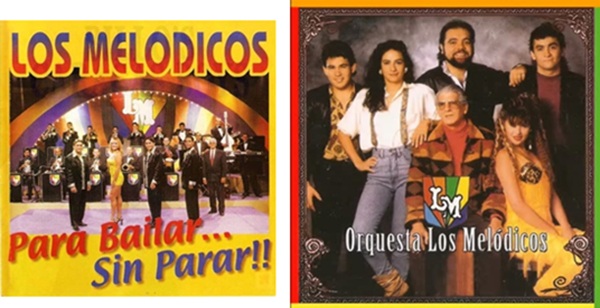
Los Melódicos CDs
Los Melódicos CDs

Los Melódicos Discography

  1. These Are Los Melódicos (1959)
  2. Fabulous Dance Hits (1963)
  3. Buy the Orchestra (1964)
  4. Great Musical Reserve (1965)
  5. The Most Complete Lineup (1966)
  6. The Orchestra of Hits (1969)
  7. The One and Only (1969)
  8. Guayabo a la Ye (1970)
  9. Catch It by the Tail (1970)
  10. The Los Melódicos Club (1972 – Discomoda)
  11. With All the Works (1974 – LM-Discomoda)
  12. In Action with Los Melódicos (1974)
  13. The Tempting Flavor (1975 LM-Discomoda)
  14. Heavy (1975 LM-Discomoda)
  15. For Whoever It Itches (1976 LM-Discomoda)
  16. Los Melódicos (1977 LM-Discomoda)
  17. And How Are You? (1977)
  18. 40 Years of Hits (with Manolo Monterrey) (1978 – LM-Discomoda)
  19. The Swing of Los Melódicos (1979)
  20. Party Night (1970)
  21. Memories 17 (1971)
  22. Congratulations (1972)
  23. I Had My Coffee Plantation (1980)
    1. Lyrics and music by the Colombian
    2. Álvaro Serrano Calderon
  24. The Musical Emblem of Venezuela (1980)
  25. Welcome (1981)
  26. Tonight (1981)
  27. We Are Sensational! (1982)
  28. The Sheikh (1982 LM-Discomoda)
  29. With Flavor! (1983)
  30. Oh! Tahiti (1984)
  31. Dismelódicos ’85 (1984 LM-Discomoda)
  32. Cada Día Mejor (1985)
  33. Es otra cosa! (1986)
  34. Juntos Los Grandes del Baile
    1. (With Billo’s, Side A)
    2. (1986 Velvet-Sonográfica)
  35. De Nuevo Juntos Los Grandes del Baile
    1. (With Billo’s, Side A) (1988 Velvet-Sonográfica)
  36. Diferentes (1989 – Velvet-Rodven)
  37. Líderes (1990 – Velvet-Rodven)
  38. La Orquesta que impresa el ritmo en América (1991 – Velvet-Rodven)
  39. Melódicos Club Mix (1991 – Velvet-Rodven)
  40. Internacional (1992 – Velvet-Rodven)
  41. Melódicos Club Mix Two (1993 – Velvet-Rodven)
  42. Innovating (1994)
  43. Incomparable (1995)
  44. Los Melódicos Hits Together (1998)
  45. To Dance Non-Stop (1999)
  46. The Boys With The Girls (2000)
  47. Los Melódicos Vs Billos (2002)
  48. Number 100 for the World (2004)
  49. Los Melódicos With Diveana (2005)
  50. These Are The Singers (2009)
  51. Micaela (2010)
  52. Tonight We’ll Wake Up Partying (2011)
  53. My Cumbia (2012)
  54. They Return With The Best And The Newest (2012)
  55. The Melódicos Renato Caprilles (2013)
  56. Christmas with Los Melódicos (2014)
  57. Golden Era (2015)
  58. Golden Classics (2016)
2- Los Melódicos CDs

The Art of Immortalizing Lavoe: The Cultural Bridge of a Young Designer

Through the digital book “Lavoe entre colores,” Victoria Rivas fuses editorial illustration and a passion for salsa to connect new generations with the legacy of “El Cantante de los Cantantes.”

Victoria Analig Rivas Rojas, an artist, illustrator, and graphic designer, was born in Valencia, Carabobo State, Venezuela. At just 20 years old, she holds a Bachelor of Fine Arts degree with a major in Graphic Design from the Arturo Michelena University.

Victoria Rivas Licenciada en Artes, mención Diseño Gráfico

Since she was a young girl, her passion for art and music grew, deeply influenced by her salsa-loving, dancing, and music-aficionado (melómana) family.

Her childhood was surrounded by people who loved the arts. She began painting mandalas as a hobby, and since then, she has created numerous paintings and murals both inside and outside her native country, all of which are showcased on her Instagram account, @victoriarivasart.

A través del libro digital Lavoe entre colores, Victoria Rivas fusiona la ilustración editorial y la pasión por la salsa

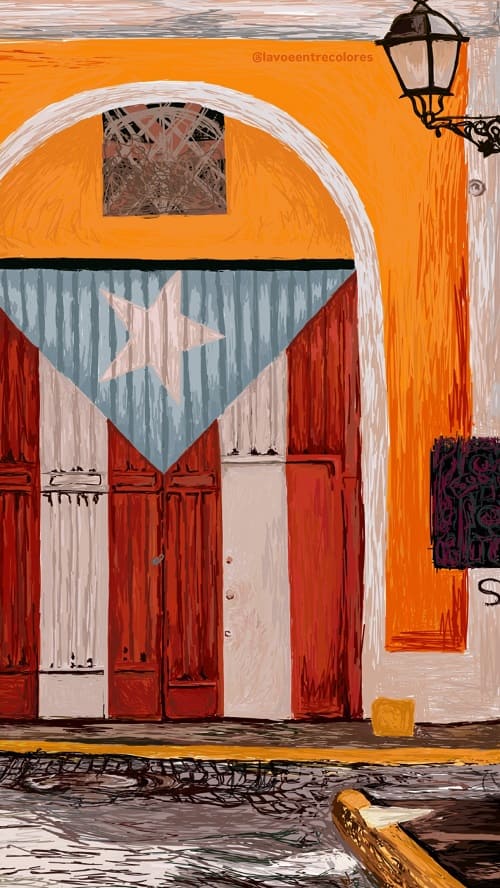
Her love for music, especially salsa, motivated Victoria to develop her Undergraduate Thesis based on the history of the genre and the biography of her idol. In doing so, she created an illustrated digital book about the life and work of the singer and musician Héctor Lavoe, one of the most prominent artists in the genre.

Concerned by the widespread lack of knowledge among youth her age regarding salsa and the figure of Héctor Lavoe, Victoria utilized the knowledge acquired throughout her degree to preserve and convey this information through illustration.

To achieve this, she employed a qualitative methodology, working with a population and sample of academic experts in the field a musicologist, a graphic designer, and a seasoned salsa connoisseurconducting in-depth interviews with them.

As a result, she successfully demonstrated that illustration is a key tool, functioning as a cultural bridge between words and emotion.

She accomplished this through a digital format that provides easy access for newer generations, people unfamiliar with the subject, and fans of both art and salsa.

This is how “Lavoe entre colores” (LEC) [Lavoe Among Colors] was born an illustrated digital book that immortalizes the life and work of “El Cantante de los Cantantes” and the history of salsa.

“Lavoe entre colores” (@lavoeentrecolores) is structured into 64 pages, which unfold across 11 sections divided into Side A and Side B, emulating the classic cassette tape format.

The book summarizes the singer’s life in chronological episodes, using the titles of his songs as chapter names. It was designed over the course of more than 250 work hours, featuring vibrant, colorful undertones that invite the reader to linger and return.

“Every stroke represents my pride in uplifting Héctor’s name.”

Victoria Rivas

(An Illustrated Digital Book on the Life and Work of Singer and Musician Héctor Lavoe)

El Arte de Inmortalizar a Lavoe El Puente Cultural de una Joven Diseñadora

Djane

Also Read: Djane Shina A Passion Turned into Reality

  • « Go to Previous Page
  • Page 1
  • Page 2
  • Page 3
  • Page 4
  • Page 5
  • Page 6
  • Interim pages omitted …
  • Page 98
  • Go to Next Page »

International Salsa Magazine (ISM) is a monthly publication covering salsa activities around the world and has been publishing since 2007. It is a worldwide network of volunteers coordinated by ISM Magazine. Together, we work to strengthen salsa events around the world.