• Skip to primary navigation
  • Skip to main content

International Salsa Magazine

  • HOME
  • Previous editions
    • 2026
      • ISM / April 2026
      • ISM / March 2026
      • ISM / February 2026
      • ISM / January 2026
    • 2025
      • ISM / December 2025
      • ISM / November 2025
      • ISM / October 2025
      • ISM / September 2025
      • ISM / August 2025
      • ISM / July 2025
      • ISM / June 2025
      • ISM / May2025
      • ISM / April 2025
      • ISM / March 2025
      • ISM / February 2025
      • ISM / January 2025
    • 2024
      • ISM / December 2024
      • ISM / November 2024
      • ISM / October 2024
      • ISM / September 2024
      • ISM / August 2024
      • ISM / July 2024
      • ISM / June 2024
      • ISM / May 2024
      • ISM / April 2024
      • ISM / March 2024
      • ISM / February 2024
      • ISM / January 2024
    • 2023
      • ISM / December 2023
      • ISM / November 2023
      • ISM / October 2023
      • ISM – September 2023
      • ISM – August 2023
      • ISM July 2023
      • ISM Edition June 2023
      • ISM – May 2023
      • ISM April 2023
      • ISM March 2023
      • ISM February 2023
      • ISM January 2023
    • 2022
      • ISM December 2022
      • ISM November 2022
      • ISM October 2022
      • ISM September 2022
      • ISM August 2022
      • ISM July 2022
      • ISM June 2022
      • ISM May 2022
      • ISM February 2022
      • ISM January 2022
    • 2021
      • ISM December 2021
      • ISM November 2021
      • ISM October – 2021
      • ISM September 2021
      • ISM August 2021
      • ISM July 2021
      • ISM May 2021
      • ISM April 2021
      • ISM June 2021
      • ISM March 2021
      • ISM February 2021
      • ISM January 2021
    • 2020
      • ISM December 2020
      • ISM November 2020
      • ISM October 2020
      • ISM September 2020
      • ISM August 2020
      • ISM July 2020
      • ISM June 2020
      • ISM May 2020
      • ISM April 2020
      • ISM March 2020
      • ISM February 2020
      • ISM January 2020
    • 2019
      • ISM December 2019
      • ISM November 2019
      • ISM October 2019
      • ISM Septembre 2019
      • ISM August 2019
      • ISM July 2019
      • ISM June 2019
    • 2016
      • ISM December 2016
  • Spanish
  • Download Salsa App
    • Android
    • Apple

Search Results for: Latin

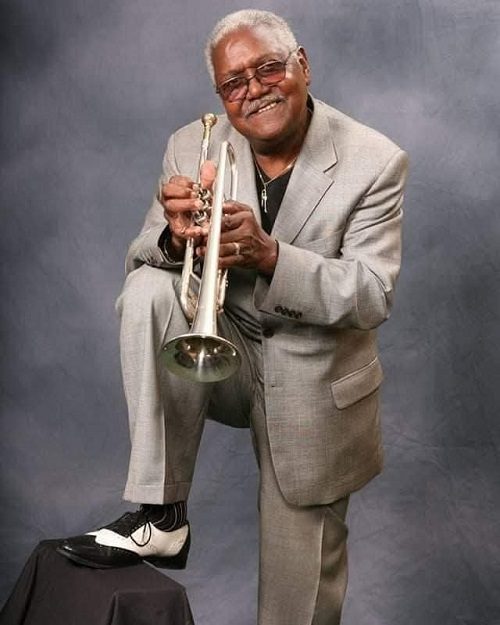
Alfredo “Chocolate” Armenteros: The Golden Legacy of the Cuban Trumpet

The history of Latin music cannot be written without mentioning the metallic brilliance and elegant phrasing of Alfredo “Chocolate” Armenteros.

Regarded by musicologists and peers as the “Latin Louis Armstrong,” Armenteros was more than just a trumpet virtuoso; he was a sonic architect who bridged the gap between traditional Cuban son, New York jazz, and the high-energy explosion of salsa.
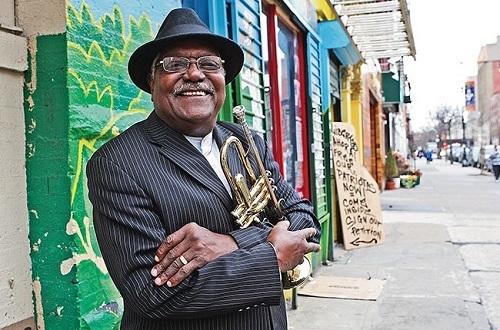
Chocolate Armenteros🇹đŸ‡șfue una leyenda excelsa de la mĂșsica cubana

Born on April 4, 1928, in Las Villas, Cuba, Armenteros carried the soul of his homeland to the world’s most prestigious stages.

His nickname, which became a hallmark of artistic quality, originated from a curious anecdote the musician shared in 2013: a young woman had mistaken him for the famous boxer “Kid Chocolate.”

What began as a case of mistaken identity ultimately became the name of a legend who would deliver his “knockouts” not with fists, but with perfect notes.

The Forging of a Master: From Arsenio RodrĂ­guez to the “BĂĄrbaro del Ritmo”

The career of Chocolate Armenteros serves as a detailed roadmap of the Golden Age of Cuban music. In 1950, he joined the ensemble of the “Blind Marvel,” Arsenio RodrĂ­guez.

Alfredo Chocolate Armenteros el Legado de Oro de la Trompeta Cubana

Under RodrĂ­guez’s tutelage, he recorded essential pieces of the Caribbean songbook such as “Deuda,” “Tengo que olvidarte,” and the iconic “La vida es un sueño.”

This period was vital in defining his style: a fusion of technical discipline and a gift for organic improvisation.

His rise was meteoric. By 1953, he was already a member of Sonora Matancera, the island’s most influential musical institution. That same year, he participated in a historic milestone: the founding of the band led by his cousin, the great Benny MorĂ©.

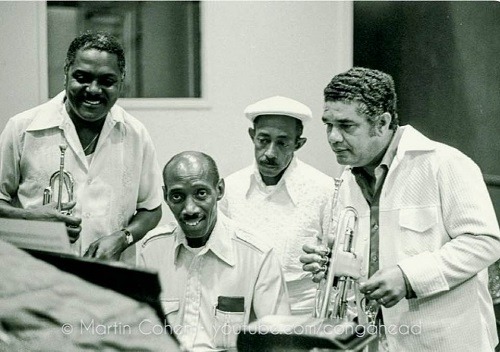
Alfredo Chocolate Armenteros, Lino Frias, Carlos Patato Valdez y el Negro Vivar 1973

The sound of Chocolate’s trumpet was a key gear in the machinery of Moré’s “Tribu,” cementing his status as the most sought-after instrumentalist of his generation.

Conquering New York and the Global Stage

In November 1958, Armenteros’ destiny changed forever. He traveled to New York with the Fajardo y sus Estrellas orchestra for a private performance at the Waldorf Astoria Hotel.

The event carried high-level political weight: it was a gala for the presidential campaign of then-candidate John F. Kennedy. Following this encounter with the Big Apple, the trumpeter decided to settle permanently in the city, becoming an ambassador for Caribbean rhythms at the epicenter of jazz.

In New York, his talent flowed through the most influential groups of the era:

  • The Machito Orchestra (1963): Where he fused Cubop with Afro-Cuban jazz.
  • Eddie Palmieri (70s): Contributing his power to the experimental sound of salsa brava.
  • Tico-Alegre All Stars (1975): Sharing the stage with giants like Celia Cruz, Tito Puente, Ismael Rivera, and Cachao.

An Endless and Eternal Style

In the late 70s and early 80s, Armenteros not only returned to collaborate with Sonora Matancera but also took the definitive step as a bandleader.

Under his own direction, he left behind memorable productions such as Chocolate Dice (1982) and Estrellas de Chocolate (1987), proving that his creative well never ran dry.The most admirable aspect of Armenteros was his artistic longevity. He remained active in festivals and concerts well into his 80s, preserving a privileged embouchure and a sense of timing that seemed to defy the laws of physics.

Alfredo Chocolate Armenteros y Eddie Moltalvo

Today, nearly a century after his birth, Alfredo “Chocolate” Armenteros remains the gold standard for trumpeters. His life was a testament to elegance, his music a bridge between nations, and his trumpet an eternal echo of Cuban identity that continues to resonate in every jazz descarga and every salsa step around the world.


Also Read: Larry Harlow and Ismael Miranda: The birth of “Arsenian Salsa,” a tribute to the music of Arsenio RodrĂ­guez the creator of Son Montuno and the “King of GuaguancĂł.”

Ray Pérez The Genius and Vanguard of Venezuelan Salsa

The Journey of a Pioneer Between Piano, Vinyl, and Musical “Madness”

Ray PĂ©rez is, indisputably, one of the primary architects of Salsa in Venezuela. Born in Barcelona, AnzoĂĄtegui, on April 7, 1937, Ray stands as one of the most disruptive and essential figures in the genre’s history.

Ray Pérez: The Genius and the Vanguard of Venezuelan Salsa

His nickname, “El Genio” (The Genius), isn’t just hyperbole; he earned it through his multifaceted mastery as a pianist, arranger, and composer. Above all, he was a visionary who possessed the rare ability to capture the raw “sound of the streets.”

Historical Note: While his official records cite 1937, a fire that destroyed original birth registries has led to speculation that his true birth date may be December 25, 1938.

Music was in his DNA. Ray inherited a deep artistic vein from his father a singer, trumpeter, pianist, and musical director. Ray’s journey began at age twelve playing the tuba in the San Juan Bosco youth band under his father’s tutelage.

Ray Perez y Dustin Hogg

By seventeen, he had mastered the guitar, the cuatro, and the piano. Following his father’s passing, he balanced work and academics before ultimately deciding to commit his life entirely to his musical passion.

Formative Years and First Steps

Between 1962 and 1965, Ray studied at the Maracaibo Conservatory. His recording debut came via RCA Víctor under the artistic direction of Aldemaro Romero, recording the track “Marcianita” with the Trío Cristal.

After stints with the Trio Hambay and the group Los Bobos del Twist, he officially dove into Caribbean rhythms in 1965 with the creation of Ray Pérez y Su Charanga in the Zulian capital.

The Golden Era: Los Dementes, Los Kenya, and Los Calvos

Throughout his vast career, Ray launched three pivotal projects that secured his place in the Hall of Fame:

  1. Los Dementes (1965): Their debut, Alerta Mundo, Llegaron Los Locos / The Crazy Men (1966), signaled the start of a new era. Under this moniker, he recorded nearly 25 albums for labels like Velvet, Fania, and his own imprint, Pyraphon Records, founded in 1967.
  2. Los Kenya: Alongside the legendary voices of Carlos Yanes “CalavĂ©n” and CarlĂ­n RodrĂ­guez, Ray innovated the sound by replacing traditional timbales with a full drum set. This project produced iconic albums like Ronda del GuaguancĂł, Rai Rai, and Nuevo DĂ­a.
  3. Los Calvos: A bold experiment, again featuring “CalavĂ©n,” which resulted in two essential productions for RCA VĂ­ctor: Estos son los Calvos and Los Calvos
 y quĂ© Calvos.
  4. La periodista y crĂ­tica musical venezolana Lili RodrĂ­guez, el mĂșsico Ray PĂ©rez y Roberto Ernesto Gyemant
    La periodista y crĂ­tica musical venezolana Lili RodrĂ­guez, el mĂșsico Ray PĂ©rez y Roberto Ernesto Gyemant

The New York Chapters and The Return

In 1969, Ray moved to New York City. There, he played piano for Francisco Ángel Bastar “Kako,” collaborated with Rafael Cortijo and Pedro “Rudy” Calzado’s Charanga, and arranged for the “King of Boogaloo,” Pete RodrĂ­guez, composing hits like “Bossa Triste” and “Dame Felicidad.”

Upon returning to Venezuela in 1971, he founded Ray Pérez y su Orquesta, releasing a string of hits such as Aquí estoy de nuevo, Perucho y el loco Ray, and Yo soy el Rey de la Salsa. In 1974, he struck gold again with Grupo Casabe, recording three albums under the CBS label.

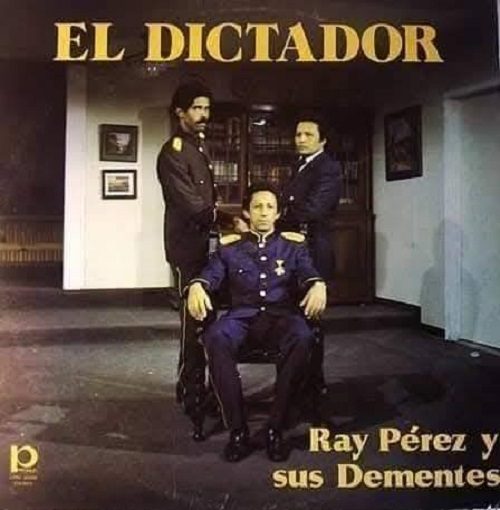
Ray Pérez Y Sus Dementes El Dictador 1981

An Everlasting Legacy

Ray’s prolific career includes collaborations with immortal voices like Perucho Torcat, Nano Grant, Teo HernĂĄndez, and Nelson Navas. He has shared the stage with titans such as “El Pavo” Frank HernĂĄndez, Alfredo Padilla, Alberto Naranjo, and CĂ©sar Monge.

From his massive repertoire, we remember the anthems of the barrios:

  • “No salgas de tu barrio”
  • “Emae Mae”
  • “Pa’ l 23”
  • “AsĂ­ mueren los valientes”
  • “GuaguancĂł en New York”
  • “La montaña”


Colaboración: Fotografías de ©Roberto Ernesto Gyemant

 Read Also: The Conjunto Bailatino “La Resistencia Salsera” again “Antes los ojos del Mundo” and here, “No hay quinto malo”

ISM December 2016

Portada - ISM December 2016

North America thubnails - ISM December 2016

Europe thubnails - ISM December 2016

Latin America thubnails - ISM December 2016

Contraportada - ISM December 2016

ISM / May 2026

NA 05-2026 L NA 05 2026 R
SalsaApp Left SalsaApp Right
NA 05 2026
LA 05 2026
EU 05 2026
AF 05 2026
AS 05 2026
OC 05 2026
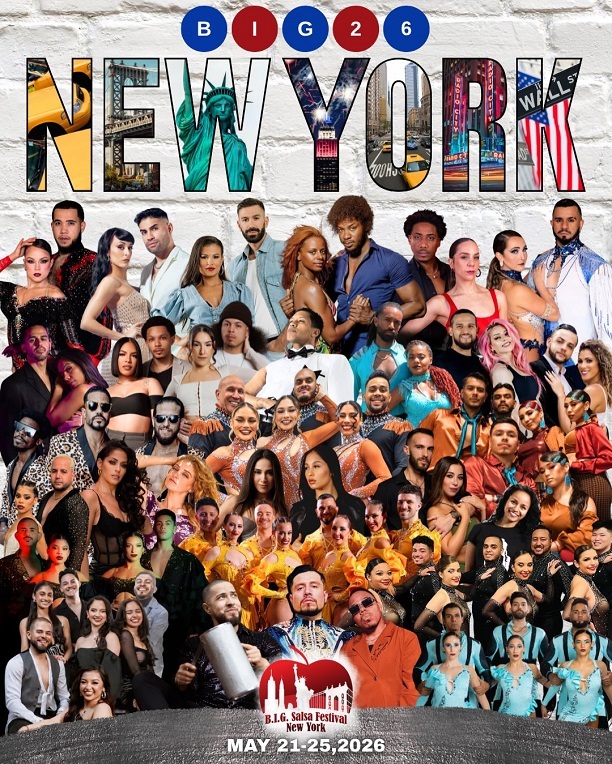
NYC BIG Salsa Festival 2026
Artist 05 2026

“We are the Real Latin music world network”

Letter to the Editor Joint our team

Australia and New Zealand / May 2026

Azuquita Entertainment 2025

Karina Bernales present May 2026  FESTIVALES

Australia circular flag
AUSTRALIA
Syney 05 2026

SYDNEY INTERNATIONAL BACHATA

May 8 / 10, 2026

West HQ
33 Railway St, Rooty Hill NSW 2766, Sydney

A$ 380

Afrekete 05 2026

AFREKETE ISLAND EDITION

May 29 / 31, 2026

Amaroo On Mandalay Resort
57 Mandalay Ave, Nelly Bay
QLD 4819, Australia

A$ 333

New Zealand Circular flag
NEW ZEALAND
Zouk NZ 05 2026

ZOUK CENTRAL

May 14 / 17, 2026

Viva Dance
10 Newton Rd.

Auckland, New Zealand

A$ 355

Calibrated maracasMartinez attorney

Directory of Australian and New Zealand nightclubs

Australia circular flag
AUSTRALIA

Azuquita
Azuquita Entertainment & Productions
Sydney NSW, Australia 2000

Bachata ConeXiĂłn
Bachata ConeXiĂłn
497-499 Queensberry St
North Melbourne VIC 3051, Carlton, Australia 3053

Uruguayan Club
Club Uruguayo de Sydney
56 – 62 Whithford Rd Hinchinbrook
NSW, Australia 2168

El Giza
El Giza Lounge & Bar
152 Lygon Street
Carlton VIC 3053, Australia

La Bodega
La Bodega
12 Fitzroy street St
Kilda VIC, Australia 3182

Noun
Noun Green Square
355 Botany Road Zetland
NSW, Australia 2017

Pachanga
Pachanga
380 Russell St
Melbourne VIC, Australia 3000

The Collaroy
The Collaroy
1064 Pittwater Road Collaroy Beach
NSW, Australia 2097

The Mustang Pub
The Mustang Bar
46 Lake Street Northbridge
Western Australia, WA, Australia 6003

The Night Cat stage
The Night Cat
137-141 Johnston St, Fitzroy
Melbourne VIC, Australia 3065

Urban Salsa
Urban Salsa
Level 1, Suite 1, 136 Victoria Rd North Parramatta
NSW, Australia 2151

Vodka Temple
Vodka Temple
162 Lygon Street
Carlton VIC, Australia 3053

New Zealand Circular flag
NEW ZEALAND

El Barrio
El Barrio Latino Bar
35 Dixon Street
Wellington, New Zealand
+64 4-333 0261
  • « Go to Previous Page
  • Page 1
  • Interim pages omitted …
  • Page 53
  • Page 54
  • Page 55
  • Page 56
  • Page 57
  • Interim pages omitted …
  • Page 305
  • Go to Next Page »

International Salsa Magazine (ISM) is a monthly publication about Salsa activities around the world, that has been publishing since 2007. It is a world network of volunteers coordinated by ISM Magazine. We are working to strengthen all the events by working together.