






| DIRECTORY OF NIGHTCLUBS | ||
|
|
|
|
|
|
|
|
|
|
|
|
|
|
|
|
|
|
|
|
|
|
|
|


| DIRECTORY OF NIGHTCLUBS | ||
|
|
|
|
|
|
|
|
|
|
|
|
|
|
|
|
|
|
|
|
|
|
|
|







Directory of North American nightclubs |
||
|
|
||
|
|
|
|
|
|
||

CALIFORNIA |
|

ILLINOIS |

MICHIGAN |

NEW JERSEY |

NEW YORK |
|
|
|
|
|
|
|
|
Latinoamerica / Venezuela / Caracas
Among Venezuela’s most famous orchestras are Los Melódicos and Billo’s Caracas Boys; here, we focus on Los Melódicos, a Venezuelan dance orchestra founded on July 15, 1958, by musical director Renato Capriles (who passed away in 2014)—with the support of bandleader Billo Frómeta—in response to the temporary dissolution of the Billo’s Caracas Boys orchestra.
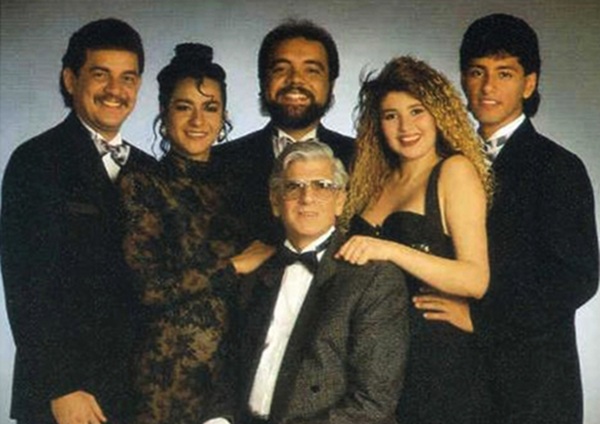
Los Melódicos are composed of: 4 saxophones, 3 trombones, 3 trumpets, a 5-piece rhythm section (piano, bass, drums, and minor percussion), 4 vocalists (always including a female singer), and their conductor—totaling 20 artists on stage.
Their slogan is “THE ORCHESTRA THAT SETS THE RHYTHM IN VENEZUELA,” though abroad they are also known as “LATIN AMERICA’S MOST COMPLETE ORCHESTRA,” “THE ORCHESTRA OF EVERY RHYTHM,” and “THE GIANT ORCHESTRA OF THE AMERICAS,” among other titles.
They are also the only Latin orchestra boasting such an extensive repertoire spanning a wide range of musical trends and styles, including salsa and merengue.
Their versatility is such that, during any given set, one might hear songs in Spanish, English, French, or Italian, alongside the latest popular rhythms—whether tropical, Anglo-American, classical, or modern—in all their variations.
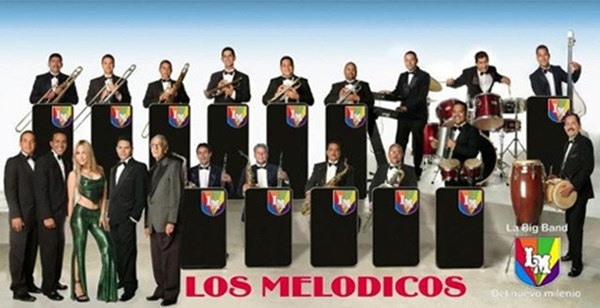
Beyond the impeccable live performances delivered by each member, the group puts on a true “show,” compelling the audience to stop dancing and form a massive semicircle in front of the stage, while actively interacting with the band throughout the performance.
Los Melódicos have garnered the most prestigious awards both within and outside Venezuela, remaining the premier musical choice for major public and private events year after year. It would be an endless task to list the awards and accolades they proudly cherish—bestowed by various entities in countries such as Ecuador, Peru, Colombia, Costa Rica, El Salvador, Curaçao, and Aruba, as well as in U.S. cities with significant Latino communities (such as Miami, Orlando, San Francisco, Los Angeles, Chicago, Boston, Tampa, Houston, Philadelphia, and—notably—New York). They continue to travel to New York to perform at top venues like the New York Hilton Hotel, where their twice-yearly dances became a must-attend, highly successful event in that major global entertainment hub.
With a history spanning over 50 years, LOS MELÓDICOS boasts a discography of more than 100 albums—a milestone unmatched by any other dance orchestra in the Americas—including the following:
| Hits | Songs |
| The 1960s | · Caballito Relinchón
· El Ladrón · El Misterio · Veneración · El pastorcillo |
| The 1970s | · Cayetano baila
· Guitarra española · Apágame la vela · Al que le pique · Dejen de averiguá |
| The 1980s | · Papachongo
· Mi Cocha Pechocha · La Fiesta · Hot Music ¡Oh, mañana! · Tú (éxito original de Juan Luis Guerra) · Ulé-ulé · Fernanda · Mi cacerola · Traca que traca |
| The 1990s | · Por ti amor
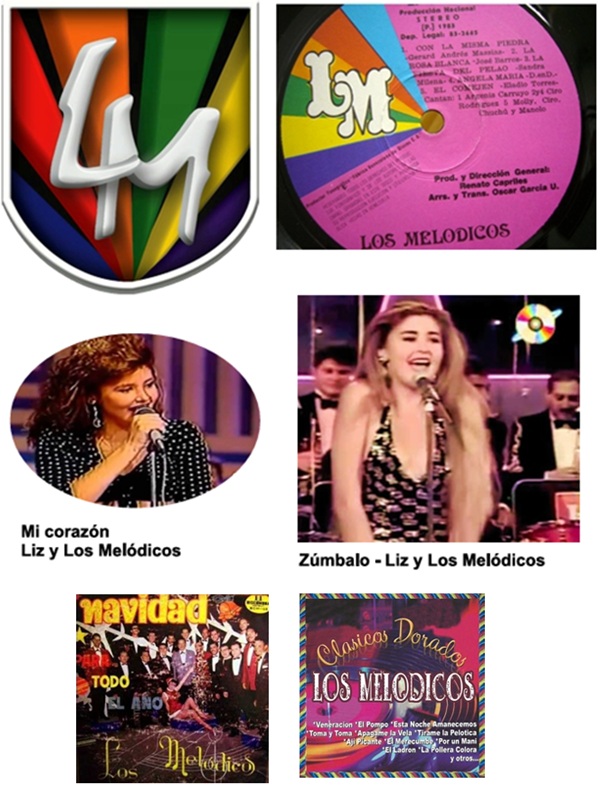
· ¡Qué rico! · Diávolo · ¡Ay, Amor! · Sal y Menta · Mi locura · Amiga · No necesito más · Zúmbalo · Mi corazón · Amanecer |
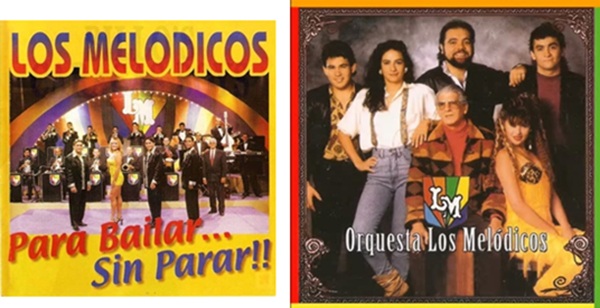
Los Melódicos Discography
A Romantic Music Phenomenon
Justifiably known as “El Bolerista de América” (“The Bolero Singer of the Americas”), the Venezuelan performer not only transformed the bolero genre during the 1960s, but also became a cultural icon whose vocal legacy remains an undeniable benchmark for generations to come.
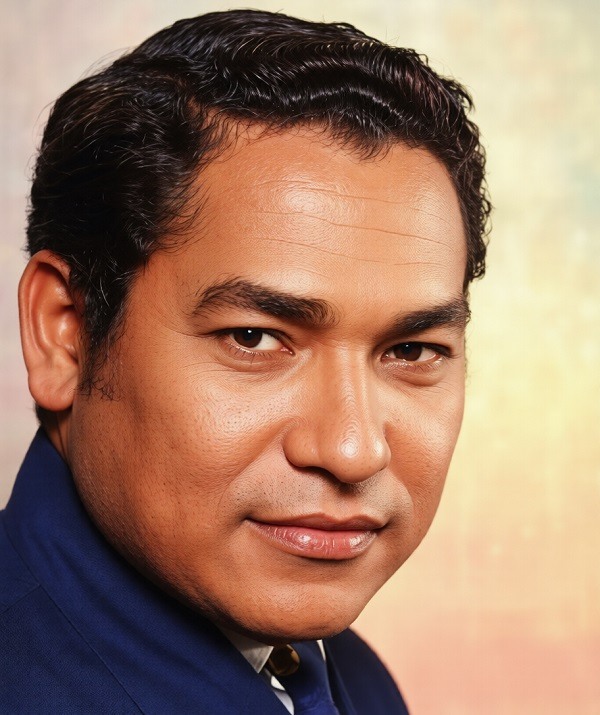
During his early years, he performed on amateur radio shows in his hometown and joined local groups such as the Orquesta San José and Los Peniques.
It didn’t take long for his extraordinary vocal timbrea lyrical tenor with velvety undertones and flawless pitchto catch the attention of the leading musical directors of the era.
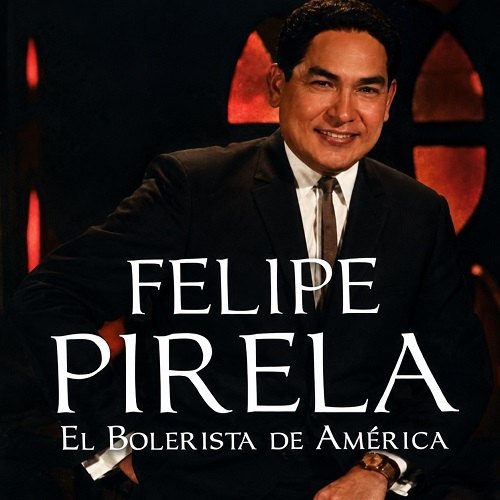
At just 19 years old, Pirela became the star crooner for the most popular orchestra in Venezuela. During his tenure with Billo’s, his voice immortalized essential classics of the Latin American songbook, including:
The synergy between Frómeta’s orchestral arrangements and Pirela’s dramatic expression sparked a true wave of “Pirelamania” across the country.
It was precisely abroad where he was officially dubbed “El Bolerista de América.” Albums like Un solo camino: México solidified his international success.
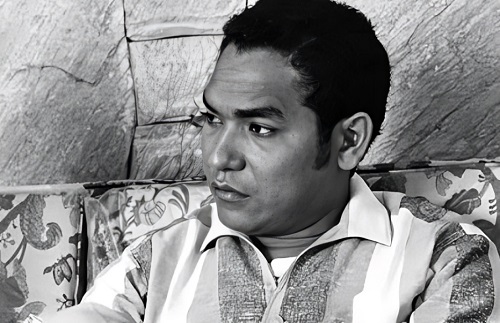
“Pirela packed venues in Santo Domingo, San Juan, New York, Bogotá, and Lima, reaching a level of popularity that rivaled legends like Lucho Gatica, Daniel Santos, and Javier Solís.” His ability to bring drama and elegance to songs by iconic composers such as Rafael Hernández, Pedro Flores, and Mario de Jesús turned him into a record-breaking phenomenon.
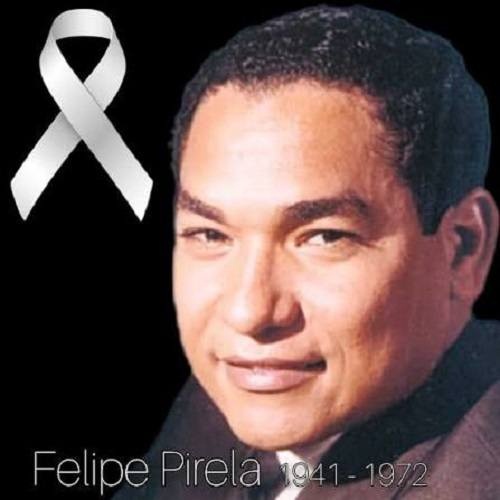
The Immortal Legacy of an Unforgettable Voice
More than five decades after his passing, Felipe Pirela remains vibrant in the collective memory. His discography continues to be reissued, honored, and studied by musicologists and music lovers alike.
Read Also: Vicentico Valdés: “The Elastic Voice” of Bolero in Cuba and the Caribbean
That has been a very long year waiting a new edition of the biggest Latin music event in Europe! This July, fans of our music will finally be able to enjoy the 31st edition of Tempo Latino, which is one of the largest international festivals of Afro-Cuban, Afro-Caribbean, and Latin music. During the four days of the festival, the audience can enjoy the best of salsa, Latin jazz, mambo, timba, and fused rhythms every year.
This festival is usually held in the small village of Vic-Fezensac in southwestern France, since 1994, which is when its first edition took place. Nowadays, the event is typically held during the last days of July and the first days of August.
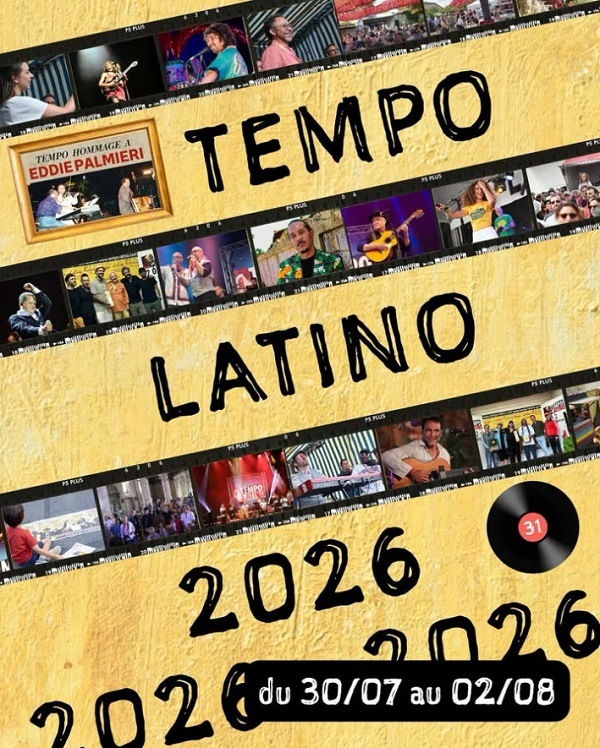
As mentioned previously, the festival began, and is still held, in Vic-Fezensac, a small village of around 3,700 inhabitants located in the Gers, which is well known for its bullfighting tradition. This association was founded in 1993 by music lover and Latin music DJ Eric Duffau, an artist who sought a different alternative to traditional commercial communities and aimed to bring traditional musical roots to the heart of Europe.
The first edition, which took place in the summer of 1994, aimed to transform the small French village into the mecca of salsa, Cuban son, and Afro-Latin jazz for four days a year.
An initiative that began as a small project has grown into one of the biggest salsa festivals of the world, which already enjoys the support of 500 local volunteers who organize into neighborhoods and homes. To this day, Tempo Latino has achieved a perfect balance between an ambitious production and a local and friendly atmosphere. It should also be stressed that it has been held on a regular basis since 1994, except for 2020 and 2021 due to the COVID-19 pandemic.
The festival expanded so much thanks to its authenticity and freshness that it has come to be known as “The One” and has established itself as a mandatory stop for the greatest Latin music glories, including Celia Cruz, Eddie Palmieri, Rubén Blades, Willie Colón, Tito Puente, Los Van Van, El Gran Combo de Puerto Rico, La Sonora Ponceña, Oscar D’León, Cheo Feliciano, Ismael Miranda, Johnny Pacheco, and many others.
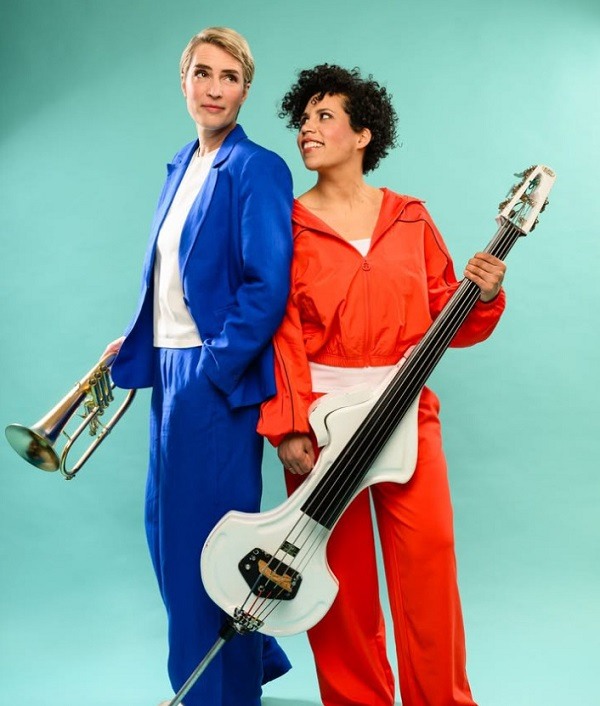
Similarly, since its foundation, the festival has also served as a springboard for new musical talent, including solo artists and groups performing salsa brava, Latin hip-hop, Afro-Cuban funk, and other genres from places such as Cuba, Colombia, Venezuela, Puerto Rico, and New York.
Tempo Latino has come to a point where it is no limited only to stage performances, which are still the main attractions for attendees. They also offer dance workshops, which are designed for both amateurs and professional dancers interested in learning more about the roots and evolution of Latin rhythms.
Similarly, the festival also offers music and percussion workshops, introducing both amateur and professional musicians to important topics such as the clave, rhythm, and a bit of the history of Latin and Afro-Cuban music. In the case of percussion workshops, instructors teach students how to play the congas, timbales, bongos, and campana. As for wind instruments and musical combos, classes are given in trombone, trumpet, and saxophone.
We also cannot fail to mention the international market, where attendees can buy all sorts of things from our countries, such as instruments, clothing, traditional cuisine, handicrafts, souvenirs, and more.
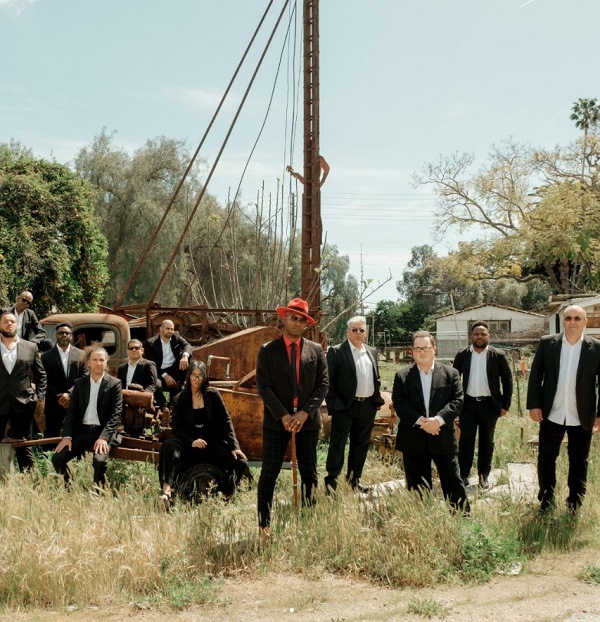
Another of the great attractions of Tempo Latino is its “geo-rhythmic” network of locations, where you can find both concerts and peripheral activities that can be enjoyed simultaneously. Below are some of those that will be available for the 2026 edition:
Read also: How Artificial Intelligence changed the music biz forever


